Understanding the SBA 7a Loan Application Process in 2026
The SBA 7(a) loan application process is a multi-stage journey where a small business owner applies for financing through a private lender, which then receives a partial guarantee from the U.S. Small Business Administration. In 2026, navigating this process requires thorough financial documentation, alignment with specific eligibility criteria, and a clear understanding of the underwriting timeline to secure favorable long-term capital.
Navigating the federal lending landscape can be daunting for small business owners, but the 7(a) program remains the gold standard for flexible, long-term financing. Unlike traditional commercial loans that may have rigid requirements or shorter repayment terms, the SBA 7(a) program is designed to provide access to capital for businesses that might not otherwise qualify for conventional credit.
As we move through 2026, the SBA has continued to refine its processes, emphasizing digital integration and streamlined procedures for smaller loan amounts. However, the core of the program remains the same: it is a partnership between the borrower, a participating lender (usually a bank or credit union), and the federal government. To succeed, an applicant must demonstrate both a need for the funds and the capacity to repay them through consistent business cash flow.
Defining the SBA 7(a) Loan Program
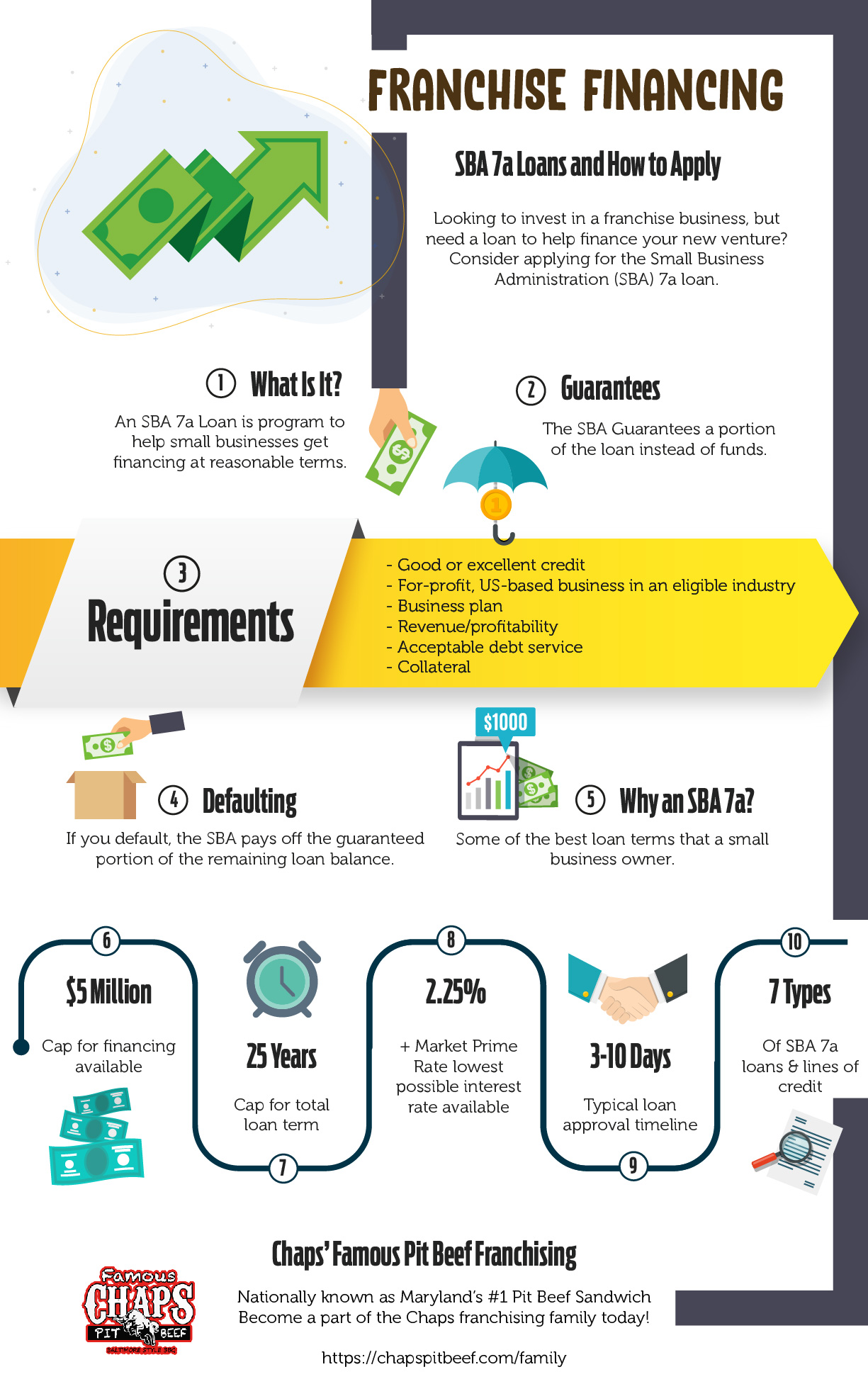
The 7(a) loan is the Small Business Administration’s primary program for providing financial assistance to small businesses. It is important to clarify a common misconception: the SBA does not typically lend money directly to the public. Instead, it provides a guarantee to lenders, promising to repay a portion of the loan (usually 50% to 85% depending on the loan size) if the borrower defaults.
This guarantee reduces the risk for the lender, allowing them to offer more competitive rates and longer terms—up to 10 years for working capital and 25 years for real estate. In 2026, the maximum loan amount remains $5 million. The program is versatile, used for everything from purchasing a new building to hiring staff or refinancing existing high-interest debt.
Core Eligibility Requirements in 2026
Before beginning the application, a business must ensure it meets the foundational "Size Standards" set by the SBA. These standards are typically based on the number of employees or the average annual receipts of the business, varying by industry as defined by NAICS codes.
General Criteria
To be eligible for a 7(a) loan, the business must:
- Operate for profit: Non-profit organizations are generally ineligible for 7(a) financing.
- Be located in the U.S.: The business must operate within the United States or its territories.
- Have reasonable owner equity: The SBA expects the business owners to have "skin in the game," meaning they have invested their own time or money into the venture.
- Demonstrate a need for the loan: The borrower must show that they cannot obtain the same funds on reasonable terms from non-federal sources (the "Credit Elsewhere" test).
Ineligible Businesses
Certain types of businesses are categorically excluded from SBA 7(a) financing. These include businesses engaged in gambling, lending, life insurance, religious proselytizing, or any illegal activities. Furthermore, businesses that are delinquent on existing federal debt, such as student loans or previous SBA loans, will face immediate disqualification unless the debt is resolved.
The Comprehensive Documentation Checklist
The most time-consuming part of the SBA 7(a) loan application process is the "document grab." Because the government is guaranteeing the loan, the scrutiny is higher than a standard merchant cash advance or short-term line of credit.
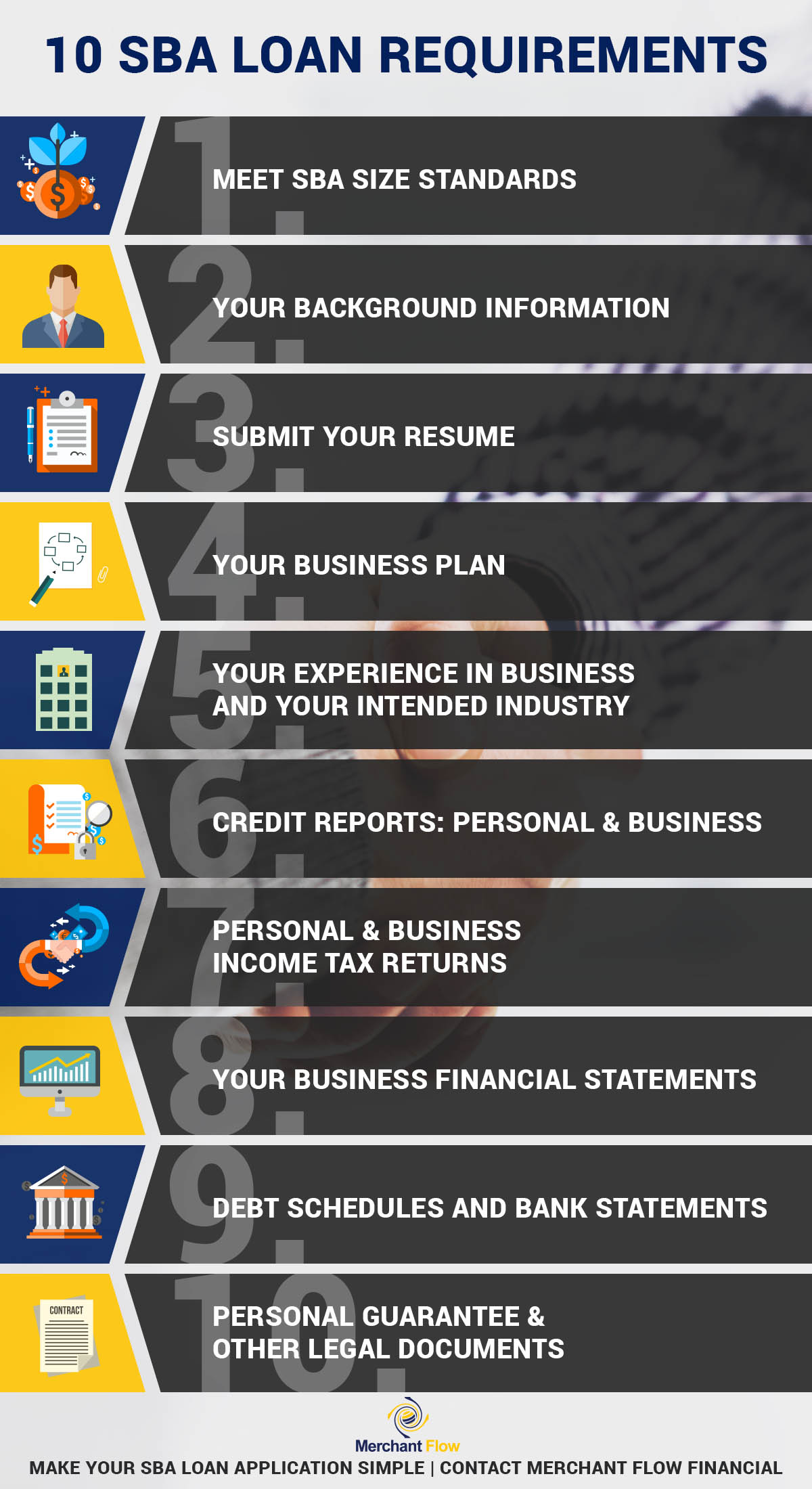
1. Personal Financial Statement (SBA Form 413)
This form requires all owners with a 20% or greater stake in the business to list their personal assets and liabilities. The lender uses this to assess the personal financial health of the guarantors. In 2026, digital versions of Form 413 allow for easier integration with personal banking records, but the level of detail required remains high.
2. Business Financial Statements
You must provide a current Profit and Loss (P&L) Statement (within 180 days of the application) and a current Balance Sheet. Additionally, you will need to provide "pro forma" financial projections. These projections should detail how you expect the business to perform over the next two years, specifically showing how the new loan will help generate enough cash flow to cover the debt payments.
3. Income Tax Returns
Lenders generally require the last three years of signed federal income tax returns for both the business and each principal owner. These returns are used to verify the income reported on the financial statements. Discrepancies between tax returns and internal P&L statements are a common reason for application delays.
4. Ownership and Affiliations
The SBA requires a list of any other businesses in which the owners have a controlling interest. This is to ensure the total exposure across all "affiliated" companies does not exceed SBA's maximum limits and to assess the overall risk of the owner's portfolio.
5. Legal and Operational Documents
Depending on your business structure, you will need:
- Articles of Incorporation or Partnership Agreements.
- Business licenses and registrations.
- Existing leases for commercial property.
- Contracts with major suppliers or clients.
- A detailed Business Plan, especially for startups or for loans involving a change of ownership.
Step-by-Step: The Application Pipeline
The 7(a) process is not instantaneous. In 2026, while automation has improved the speed of "SBA Express" loans, a standard 7(a) loan still follows a rigorous sequence.
Step 1: Find an SBA-Approved Lender
Not all banks are created equal in the eyes of the SBA. You should prioritize Preferred Lender Program (PLP) lenders. These institutions have been granted delegated authority by the SBA to make the final credit decision without sending the entire file to an SBA field office for review. This can shave weeks off the approval timeline.
Step 2: Initial Prequalification
Once you select a lender, they will perform an initial review of your credit score and financial summaries. In 2026, most lenders look for a personal credit score of 680 or higher, though some may go lower if the collateral and cash flow are exceptionally strong. This phase usually results in a "Letter of Intent" (LOI).
Step 3: Formal Underwriting
After the LOI is signed, the "heavy lifting" begins. The lender’s underwriting team will verify every document in your checklist. They will calculate your Debt Service Coverage Ratio (DSCR), which measures your business's ability to cover its debt obligations. A DSCR of 1.15 to 1.25 is typically the minimum requirement for 2026 approvals.
Step 4: SBA Submission and Approval
If the lender is a PLP lender, they approve the loan internally and notify the SBA to get a loan number. If the lender is not a PLP, they must package the application and send it to the SBA’s Loan Processing Center. The SBA then conducts its own review to ensure the lender followed all program guidelines.
Step 5: Closing and Funding
Once approved, you move to the closing phase. This involves signing the final promissory note and ensuring all "conditions to close" are met. These conditions might include obtaining life insurance on the business owner, performing a real estate appraisal, or providing proof of the required down payment (equity injection).
Comparison of 7(a) Loan Variations in 2026
The 7(a) "umbrella" covers several distinct loan products. Choosing the right one is essential to match your business's specific needs.
| Loan Type | Max Loan Amount | Turnaround Time | Primary Use Case |
|---|---|---|---|
| Standard 7(a) | $5,000,000 | 60–90 Days | Real estate, large expansions, debt refi. |
| 7(a) Small Loan | $500,000 | 30–60 Days | Working capital, equipment for small firms. |
| SBA Express | $500,000 | 14–30 Days | Quick-turnaround lines of credit or loans. |
| Export Express | $500,000 | Fast-track | Financing for international trade expansion. |
| CAPLines | $5,000,000 | Varies | Seasonal needs or contract-specific working capital. |
Understanding Costs, Rates, and Fees
In 2026, the cost of an SBA 7(a) loan is composed of two main parts: the interest rate and the SBA guaranty fee.
Interest Rates
The SBA sets a maximum interest rate that lenders can charge, which is usually based on the Prime Rate plus a spread. For example, if the Prime Rate is 8.5%, a lender might charge "Prime plus 2.75%," resulting in an 11.25% interest rate. These rates can be fixed or variable, though variable rates are more common for 7(a) loans.
SBA Guaranty Fees
The SBA charges a fee to the lender for providing the guarantee, which the lender usually passes on to the borrower. In 2026, these fees are tiered based on the loan amount:
- Loans under $50,000: Often $0 (SBA frequently waives fees for very small loans to encourage micro-lending).
- Loans $50,001 to $700,000: Approximately 0% to 2.77% of the guaranteed portion.
- Loans $700,001 to $5,000,000: Approximately 3.5% to 3.75% of the guaranteed portion.
Borrowers should also budget for closing costs, such as appraisal fees, environmental reports (for real estate), and legal fees, which can add several thousand dollars to the initial cost.
Common Obstacles and How to Overcome Them
The SBA 7(a) loan application process is notorious for its complexity, and several common issues can derail an application.
Insufficient Collateral
The SBA requires lenders to take as much collateral as is available to secure the loan. If the business assets (like equipment or inventory) are not enough to cover the loan amount, the lender may be required to take a lien on the borrower's personal residence. In 2026, however, the SBA guidelines specify that a loan cannot be declined solely for a lack of collateral, provided the business shows strong cash flow.
Inadequate Cash Flow
The most frequent cause of rejection is a weak Debt Service Coverage Ratio. If your tax returns show that the business is barely breaking even, the lender will struggle to justify a new monthly payment. To overcome this, ensure your "add-backs" (non-cash expenses like depreciation or one-time owner expenses) are clearly documented to show the true cash available for debt service.
Character Issues
The SBA performs a background check on all principals. Past criminal history or defaults on federal debt must be disclosed upfront. For minor past issues, a written explanation (Form 912) may be required to prove that the borrower is of "good character."
Frequently Asked Questions
How long does the SBA 7(a) loan application process take?
The timeline generally ranges from 30 to 90 days. SBA Express loans are the fastest, often closing within a month, while large real estate acquisitions under the Standard 7(a) program typically take 60 to 75 days. The speed depends heavily on how quickly the borrower provides accurate documentation and whether the lender has PLP status.
What is the minimum credit score for an SBA 7(a) loan in 2026?
While the SBA does not set a hard minimum, most lenders require a FICO score of at least 680. For smaller loans (under $500,000), lenders use the FICO SBSS (Small Business Scoring Service) score, which takes into account both your personal credit and the business's credit history. A score of 155 or higher is often the benchmark for automated approval paths.
Can I use an SBA 7(a) loan to start a new business?
Yes, but the requirements are stricter than for established businesses. Startups typically require a minimum of a 10% to 20% equity injection (down payment) from the owner and a robust business plan with realistic projections. The SBA 7(a) is one of the few institutional ways to secure startup capital for a brick-and-mortar business.
Do I need to provide a personal guarantee?
Yes. Every person with a 20% or greater ownership stake in the business must provide a full, unconditional personal guarantee. This means that if the business fails to pay the loan, the SBA and the lender can pursue the owner's personal assets to recoup the debt.
What happens if I have a previous bankruptcy?
A past bankruptcy does not automatically disqualify you, but it must be fully disclosed. Lenders will look for a "clean" period of at least 3 to 10 years (depending on the lender) since the bankruptcy was discharged, and they will want to see that you have managed your finances responsibly since then.
Next Steps for Prospective Borrowers
If you are considering an SBA 7(a) loan in 2026, your first action should be a "pre-flight" check of your financials. Download the most recent versions of SBA Forms 1919 and 413 to familiarize yourself with the questions asked. Once your records are organized, use the SBA Lender Match tool on the official SBA website to find participating lenders in your area who specialize in your industry.
To maximize your chances of approval, consider working with a Certified Public Accountant (CPA) or a Small Business Development Center (SBDC) advisor to review your business plan and debt-service coverage. Professional preparation often makes the difference between a quick approval and a frustrating rejection.
Image Gallery
Select an image to open it in a new tab.


Vivian Cho
Executive IT and Emerging Technologies Reporter
