The Tragic Death of John F. Kennedy Jr. and Carolyn Bessette-Kennedy: A Comprehensive History
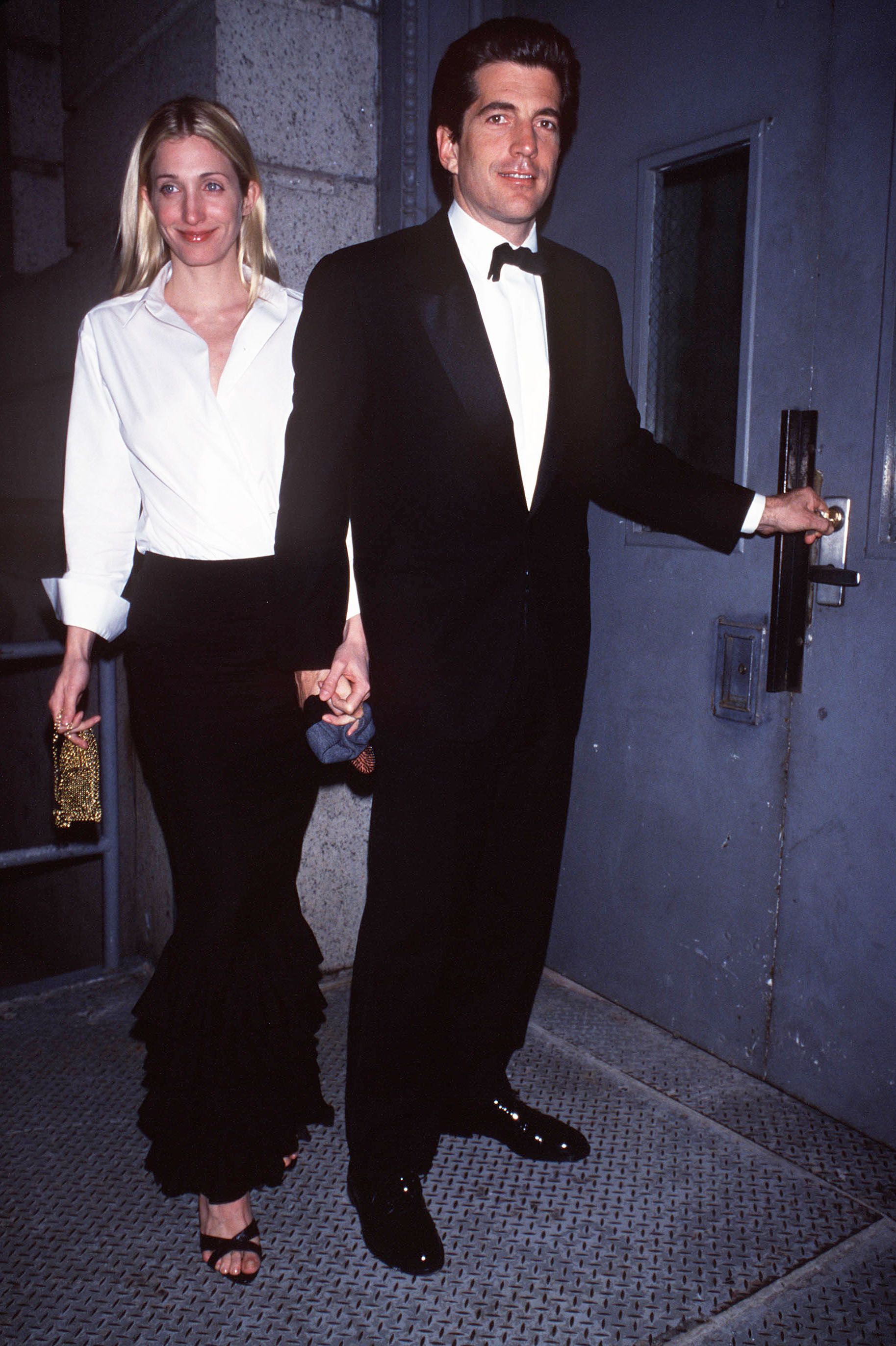
On July 16, 1999, John F. Kennedy Jr., his wife Carolyn Bessette-Kennedy, and her sister Lauren Bessette died when their light aircraft, a Piper Saratoga II HP, crashed into the Atlantic Ocean near Martha’s Vineyard. The National Transportation Safety Board (NTSB) determined the cause was pilot error, specifically spatial disorientation caused by "the haze" during a night flight over water.
The death of John F. Kennedy Jr. marked the end of a specific era in American cultural and political life. As the son of the late President John F. Kennedy, "John-John" had been in the public eye since his father's funeral in 1963. By 1999, he was the publisher of George magazine and a figure of immense public fascination. His wife, Carolyn Bessette-Kennedy, was a fashion icon and publicist for Calvin Klein. Their sudden disappearance and the subsequent discovery of their remains at the bottom of the Atlantic remains one of the most documented and analyzed tragedies in modern American history.
As of 2026, twenty-seven years after the event, the incident continues to serve as a cautionary tale for general aviation pilots and a poignant chapter in the storied, often tragic, history of the Kennedy family.
The Fatal Flight: July 16, 1999
The events of July 16 began at Essex County Airport in Fairfield, New Jersey. John F. Kennedy Jr. was flying his Piper Saratoga II HP (registration N2540R) to the family compound in Hyannis Port, Massachusetts, to attend the wedding of his cousin, Rory Kennedy. The flight plan included a stop at Martha’s Vineyard to drop off Lauren Bessette.
Delayed Departure and Changing Conditions
The flight was initially scheduled to depart earlier in the afternoon, but John was delayed by work at George magazine and heavy Friday evening traffic. By the time he, Carolyn, and Lauren arrived at the airport, the sun was setting. Kennedy, who had obtained his pilot's license in 1998, was still a relatively inexperienced pilot with approximately 310 hours of total flight time. Crucially, he was not yet certified for Instrument Flight Rules (IFR), meaning he was legally required to maintain visual contact with the ground or horizon.
As the aircraft took off at 8:39 p.m., the sky was darkening, and a thick summer haze had begun to settle over the Atlantic coast. While the weather was technically within the limits for Visual Flight Rules (VFR), the combination of darkness and haze over the open water created a "black hole" effect, where the horizon becomes indistinguishable from the sea.
The Final Moments of N2540R
The flight proceeded relatively normally for the first hour. However, as the aircraft approached Martha’s Vineyard, the visibility worsened. Radar data later showed that the plane began a series of erratic maneuvers. Instead of a steady descent toward the airport, the aircraft performed several climbs and turns that suggested the pilot was struggling to maintain his orientation.
At approximately 9:41 p.m., the aircraft entered a rapid descent, plunging more than 1,100 feet in less than 30 seconds. The plane struck the water at high speed, killing all three occupants instantly. The wreckage settled in approximately 116 feet of water, about seven miles west of Martha’s Vineyard.
Technical Analysis of the Piper Saratoga II HP
To understand the mechanics of the crash, it is necessary to examine the specific aircraft Kennedy was piloting. The Piper Saratoga II HP was a high-performance, single-engine aircraft known for its speed and complexity. For a pilot with limited experience, managing such a machine in low-visibility conditions presents significant challenges.
| Feature | Specification | Impact on the Incident |
|---|---|---|
| Model | Piper Saratoga II HP (PA-32R-301) | A high-performance aircraft requiring significant attention to detail. |
| Engine | Lycoming IO-540 (300 hp) | Provided high speed, which increased the severity of the impact. |
| Avionics | Standard analog with GPS | The aircraft lacked an autopilot with "level" functionality common in 2026 models. |
| Maximum Speed | 160–170 knots | High velocity meant less time to react during a graveyard spiral. |
| Pilot Rating Req. | PPL (Private Pilot License) | Kennedy held a PPL but lacked an Instrument Rating (IR). |
The NTSB investigation focused heavily on the transition from visual cues to instrument reliance. In high-performance aircraft, things happen quickly. Without a visible horizon, a pilot’s inner ear (the vestibular system) can provide false signals, making a banked turn feel like level flight. When a pilot tries to "correct" these sensations without trusting their instruments, they can enter a "graveyard spiral," a steep, diving turn that is often fatal if not corrected immediately.

The NTSB Investigation and Findings
The NTSB released its final report (AAR-00/01) in 2000, which remains the definitive record of the tragedy. The board concluded that the probable cause of the accident was "the pilot’s failure to maintain control of the airplane during a descent over water at night, which was a result of spatial disorientation."
Contributing Factors Identified by the NTSB
- Haze and Lack of Visual Horizon: The report emphasized that the "milky" sky conditions over the water made it impossible for Kennedy to see the lights of Martha’s Vineyard or the stars, depriving him of the visual references needed for VFR flight.
- Inexperience: With only about 300 hours of flight time and only about 40 hours in that specific Piper model, Kennedy was considered a "low-time" pilot for the conditions he encountered.
- Physical Condition: Kennedy had recently had a cast removed from a fractured ankle. While the NTSB found this did not directly cause the crash, it may have added to the pilot's overall stress and physical workload during the flight.
- Distraction: The presence of passengers and the pressure to arrive at a family wedding on time may have contributed to "get-there-itis," a psychological state where a pilot pushes beyond their safety limits to reach a destination.
The investigation notably ruled out mechanical failure, fuel exhaustion, or external interference. There was no evidence of an explosion, fire, or airframe failure prior to the impact.
The Victims: Lives Interrupted
The crash took the lives of three young, influential individuals, each at a turning point in their respective careers and lives.
John F. Kennedy Jr.
At 38, John F. Kennedy Jr. was arguably the most famous man in America. Having survived the "Kennedy Curse" for decades, he had transitioned from a career in law (serving as a prosecutor in Manhattan) to media. He co-founded George, a lifestyle magazine that blended politics and celebrity culture. In 1999, George was facing financial difficulties, and John was reportedly considering a career in politics, potentially following in the footsteps of his father and uncles.
Carolyn Bessette-Kennedy
Carolyn, 33, was a former fashion publicist who had become a global style icon upon her marriage to John in 1996. Known for her minimalist elegance and fiercely private nature, she struggled with the intense paparazzi attention that followed the couple. Her death was a significant loss to the fashion world, where she was seen as a muse for designers like Narciso Rodriguez.
Lauren Bessette
Lauren, 34, was the older sister of Carolyn and a successful investment banker at Morgan Stanley Dean Witter. She had recently returned from a long-term assignment in Hong Kong and was highly regarded in the financial sector. Her presence on the flight was incidental; she was simply catching a ride to Martha's Vineyard for a weekend getaway before John and Carolyn were to proceed to Hyannis Port.
Search, Recovery, and National Grief
The disappearance of the aircraft triggered one of the largest search and rescue operations in the history of the U.S. Coast Guard and the U.S. Navy. For several days, the nation watched as ships, planes, and divers combed the waters off the Massachusetts coast.
The Recovery Mission
On July 21, five days after the crash, Navy divers from the USS Grasp located the fuselage of the aircraft on the seabed. The bodies of the three victims were found still strapped into their seats. The recovery was conducted with extreme sensitivity given the high profile of the family.
The remains were brought to the Westchester County Medical Examiner’s Office for autopsies, which confirmed the cause of death as multiple traumatic injuries resulting from a high-impact crash. Following the autopsies, the Kennedy and Bessette families made the decision to bury the victims at sea to ensure privacy and prevent the site from becoming a spectacle.
The Burial at Sea
On July 22, 1999, the ashes of John, Carolyn, and Lauren were scattered into the Atlantic from the deck of the USS Briscoe. This choice reflected a desire for dignity and followed the naval traditions often associated with the Kennedy family, particularly John’s father, who served in the Navy during World War II.
The Cultural Impact and Legacy in 2026
Decades later, the death of JFK Jr. is viewed as a "flashbulb memory" for millions—an event where people remember exactly where they were when they heard the news.
The End of "Camelot"
For many, John F. Kennedy Jr. represented the living legacy of the "Camelot" era of the 1960s. His death felt like the final closing of a chapter that began with his father's inauguration. In the years following 1999, the Kennedy family's political influence began to wane as a new generation moved into different fields, and no single figure rose to match John’s unique blend of celebrity and political potential.
Aviation Safety Evolution
The crash had a profound impact on the general aviation community. It is frequently used as a primary case study in flight schools to teach the dangers of "VFR into IMC" (Visual Flight Rules into Instrument Meteorological Conditions). It spurred a greater emphasis on the importance of instrument training and the development of better cockpit technologies, such as synthetic vision and more accessible autopilot systems, which have become standard in small aircraft by 2026.
The Bessette Family Settlement
In the aftermath, the Bessette family filed a wrongful death lawsuit against the John F. Kennedy Jr. estate. In 2001, the suit was settled for an estimated $15 million. While the legal proceedings were difficult, both families eventually sought privacy, and the Bessette sisters are remembered today through various charitable foundations and scholarship funds.
Common Myths vs. Documented Facts
Due to the fame of the Kennedy family, numerous conspiracy theories have circulated regarding the crash. However, none are supported by the evidence gathered by federal agencies.
- Myth: The plane was sabotaged or exploded mid-air.
- Fact: The NTSB examined the wreckage and found no evidence of explosives or mechanical tampering. The structural damage was consistent with a high-speed water impact.
- Myth: Kennedy was a "reckless" pilot.
- Fact: Friends and instructors described him as methodical and cautious, but his lack of experience in degraded visibility was a fatal deficit that even a cautious pilot cannot overcome without proper training.
- Myth: He was on his cell phone or distracted by an argument.
- Fact: Radar data shows a steady flight path until the final moments of spatial disorientation. There is no evidence from recovered items or logs to suggest electronic distraction.
FAQ: Frequently Asked Questions
What exactly is spatial disorientation?
Spatial disorientation occurs when a pilot's brain receives conflicting messages from the eyes and the inner ear. In low visibility, the inner ear may tell the pilot the plane is level when it is actually in a bank. If the pilot trusts their feelings instead of the flight instruments, they may steer the plane into the ground or water while believing they are flying straight.
Why wasn't JFK Jr. using his instruments?
As a VFR-rated pilot, Kennedy was trained to look out the window to fly. While he had begun training for his instrument rating, he was not yet proficient enough to fly solely by looking at the dials in the cockpit. In high-stress situations, pilots often revert to their most basic training, which in this case was looking for a horizon that didn't exist.
Was there a flight recorder (black box) on the plane?
No. General aviation aircraft like the Piper Saratoga are not required by the FAA to carry a Cockpit Voice Recorder (CVR) or a Flight Data Recorder (FDR). Investigators relied on land-based radar data and the physical wreckage to reconstruct the flight's final moments.
How did the public react at the time?
The reaction was one of national mourning. Memorials appeared outside the couple’s Tribeca apartment, and thousands of people left flowers at the gates of the Kennedy compound in Hyannis Port. It was a tragedy that united the country in grief, similar to the death of Princess Diana two years earlier.
Are there any memorials for the victims?
While there is no single national monument, there are numerous private memorials. A plaque exists at the Kennedy family's St. Francis Xavier Church in Hyannis, and various scholarships have been established in the names of Carolyn and Lauren Bessette.
Final Perspective and Next Actions
The deaths of John F. Kennedy Jr., Carolyn Bessette-Kennedy, and Lauren Bessette remain a stark reminder of the unforgiving nature of aviation and the fragility of even the most charmed lives. For those interested in the historical details, the NTSB Final Report (AAR-00/01) provides the most accurate and technical account of the tragedy.
For students of history and aviation, the primary takeaway is the importance of recognizing one's limitations—whether they are technical, physical, or environmental. The tragedy serves as a perennial lesson in the general aviation community: when the horizon disappears, a pilot's only truth is their instruments.
If you are a pilot or an aviation enthusiast, reviewing the NTSB's "Safety Alerts" regarding night flights over water can provide practical guidance on how to avoid the specific conditions that led to the 1999 crash.
Image Gallery
Select an image to open it in a new tab.


Ingrid Bjornson
Global Cyber Policy and Regulation Analyst
