What is Pulmonary Tuberculosis: A Comprehensive Guide to Symptoms, Diagnosis, and Treatment
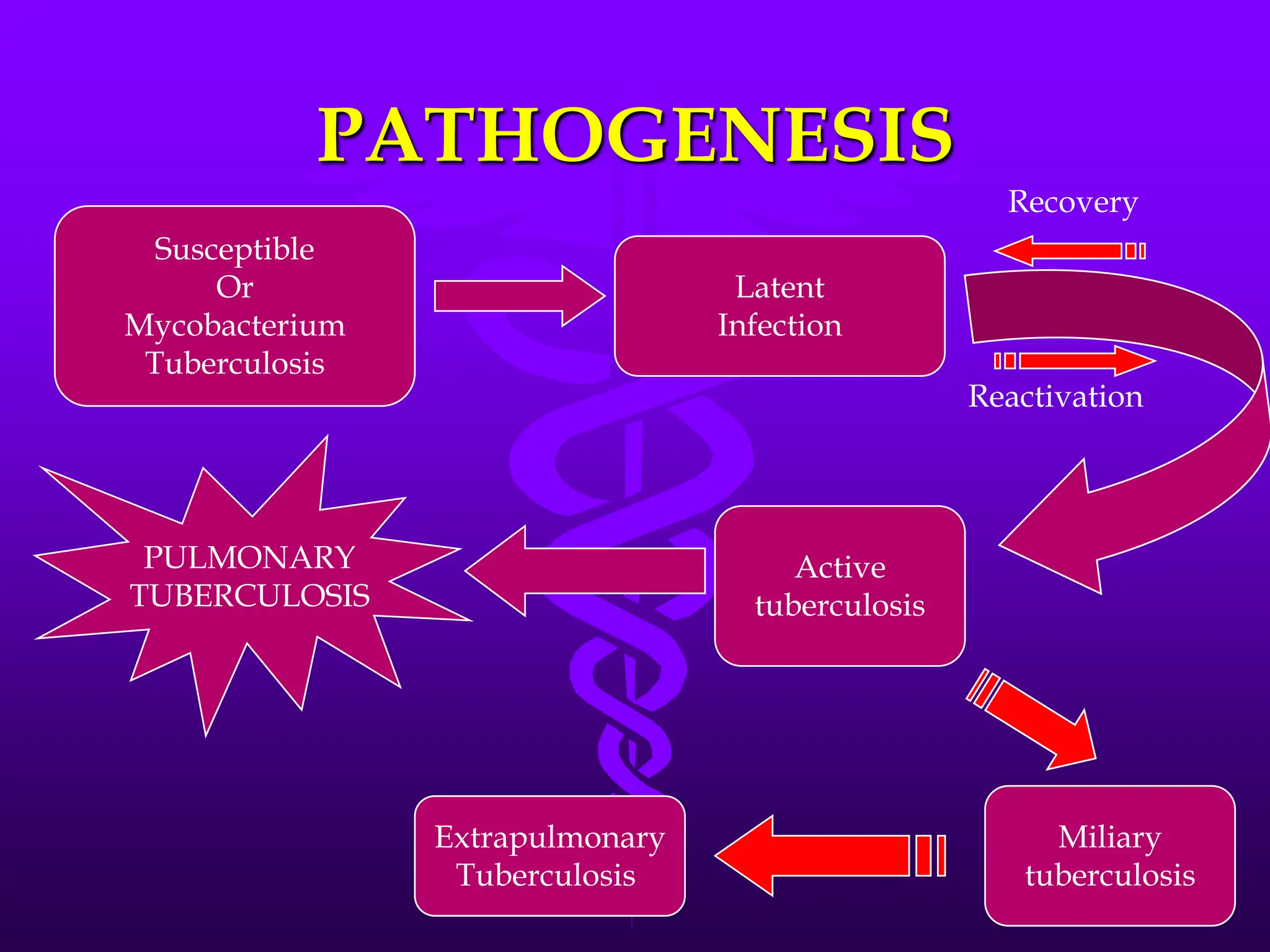
Pulmonary tuberculosis (PTB) is a contagious bacterial infection primarily affecting the lungs, caused by the bacterium Mycobacterium tuberculosis. It spreads through microscopic respiratory droplets released into the air when an infected person coughs or sneezes. While treatable and preventable, it remains a significant global health challenge requiring specialized long-term antibiotic therapy.
The Nature of Mycobacterium Tuberculosis
To understand pulmonary tuberculosis, one must first understand the pathogen responsible: Mycobacterium tuberculosis. Unlike common viral or bacterial infections that resolve in days, this bacterium is characterized by its slow growth cycle and a unique, waxy cell wall rich in mycolic acids. This structure makes the bacteria remarkably resilient, allowing it to survive within the human immune system and resist many standard antibiotics.
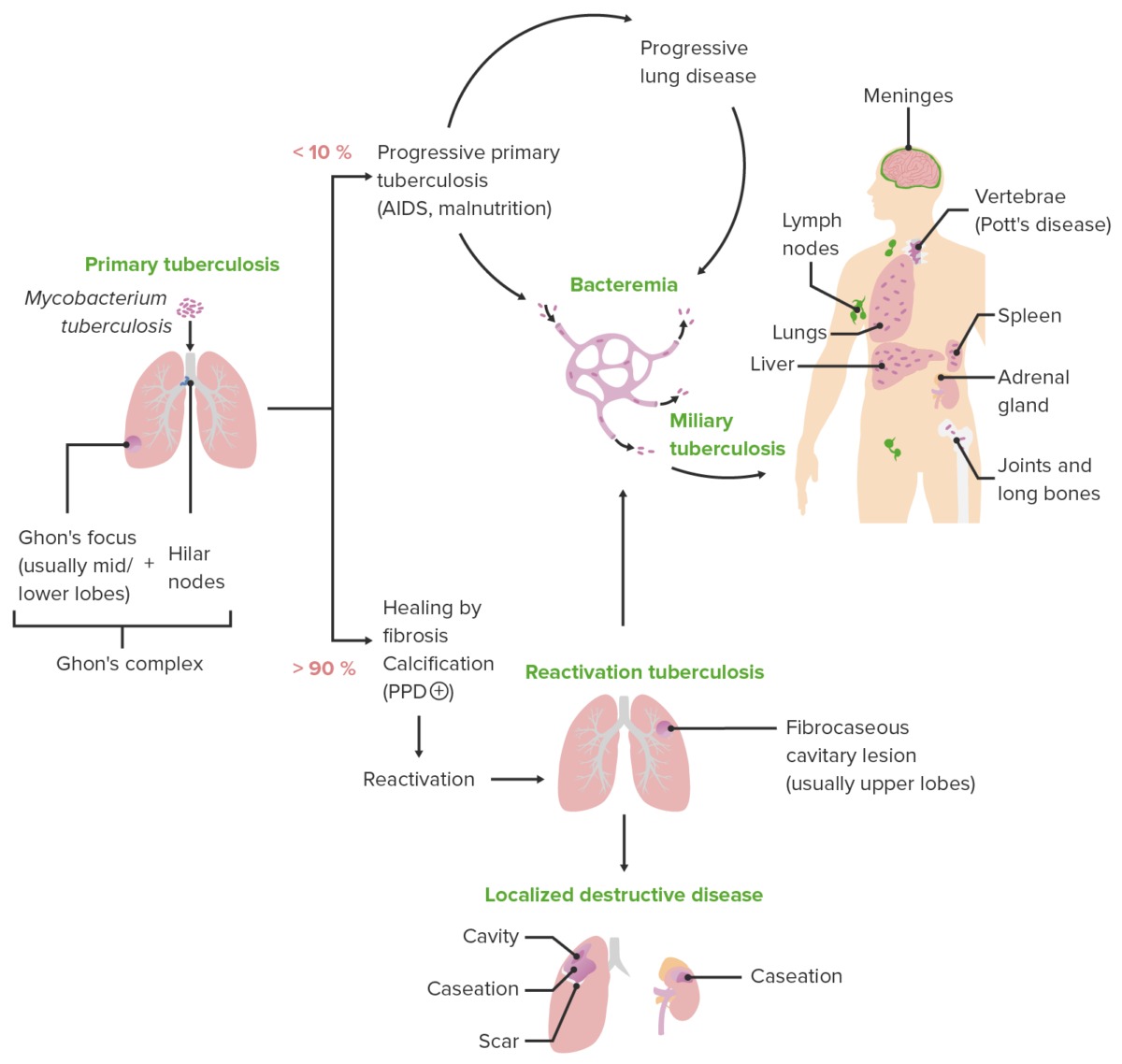
In the context of 2026, medical science categorizes M. tuberculosis as an "acid-fast bacillus" (AFB) because it retains specific dyes even after being washed with acid during laboratory testing. This characteristic is a cornerstone of traditional diagnostic pathology. The bacteria are obligate aerobes, meaning they require high levels of oxygen to thrive, which is why they most commonly settle in the upper lobes of the lungs where oxygen concentration is highest.
Transmission and How the Infection Spreads
Pulmonary tuberculosis is an airborne disease. However, it is not as easily caught as the common cold or influenza. Transmission typically requires prolonged or intense exposure to an individual with active, untreated disease.
When a person with active PTB coughs, speaks, or sneezes, they expel droplet nuclei ranging from 1 to 5 microns in diameter. These tiny particles are light enough to remain suspended in the air for several hours. If a susceptible person inhales these particles, the bacteria can travel past the upper respiratory defenses and settle in the alveoli (the small air sacs) of the lungs.
Several factors influence the likelihood of transmission:
- Duration of exposure: Spending several hours a day in a confined space with an infected person.
- Proximity: Physical closeness to the source of the droplets.
- Environmental ventilation: Poorly ventilated rooms allow droplet nuclei to concentrate, increasing the risk for others.
- Bacterial load: Individuals who are "sputum smear-positive" have a higher concentration of bacteria in their respiratory secretions and are more infectious.
It is important to clarify that tuberculosis is not spread by shaking hands, sharing food or drink, touching bed linens, or sharing toothbrushes. The bacteria must be inhaled into the lungs to cause pulmonary infection.

Latent TB Infection vs. Active TB Disease
One of the most critical distinctions in TB medicine is the difference between being infected with the bacteria and having the active disease.
Latent TB Infection (LTBI)
In most healthy individuals, the immune system is capable of "walling off" the bacteria shortly after they enter the lungs. Specialized immune cells called macrophages engulf the bacteria, forming a granuloma—a microscopic prison that keeps the bacteria dormant.
- The person feels healthy and has no symptoms.
- They are not contagious and cannot spread the bacteria to others.
- Tests (like the skin test or blood test) will usually indicate the presence of the infection.
- Without treatment, approximately 5-10% of people with latent TB will develop active TB disease at some point in their lives, often when their immune system becomes weakened.
Active TB Disease
Active pulmonary tuberculosis occurs when the immune system can no longer contain the bacteria. The bacteria begin to multiply rapidly, causing tissue necrosis (cell death) and inflammation in the lungs.
- The person feels sick and experiences specific symptoms.
- They are contagious and can spread the bacteria to others.
- Clinical intervention is mandatory to prevent permanent lung damage or death.
Symptoms and Clinical Presentation
The symptoms of pulmonary tuberculosis often develop gradually over several weeks or months. This "smoldering" progression is why many individuals do not seek medical attention until the disease is advanced.
Primary Respiratory Symptoms
- Persistent Cough: A cough that lasts for three weeks or longer is the hallmark of PTB. Initially, it may be dry, but it eventually becomes productive (producing phlegm).
- Hemoptysis: This is the medical term for coughing up blood. As the bacteria destroy lung tissue and damage small blood vessels, blood may appear in the sputum.
- Chest Pain: Patients often report a dull, aching pain in the chest that worsens when breathing deeply or coughing.
Systemic (Body-Wide) Symptoms
Because TB triggers a significant inflammatory response, it affects the entire body:
- Unexplained Weight Loss: Often referred to as "consumption" in historical texts, the disease causes a profound loss of appetite and metabolic changes.
- Night Sweats: Drenching sweats that occur during sleep, often requiring a change of clothes or bedding.
- Fever and Chills: Usually a low-grade fever that peaks in the late afternoon or evening.
- Fatigue: A sense of extreme tiredness and malaise that does not improve with rest.
Risk Factors and Vulnerable Populations
While anyone can contract TB, certain factors significantly increase the risk of the infection progressing from latent to active disease. As of 2026, the global health community focuses heavily on these "high-risk" groups to meet the World Health Organization's End TB Strategy targets.
- Immunocompromised Status: HIV/AIDS is the most significant risk factor for the progression of TB. Other factors include organ transplants, chemotherapy, and certain medications for autoimmune diseases (like TNF-alpha inhibitors).
- Substance Use: Tobacco use significantly increases the risk of contracting TB and dying from it. Excessive alcohol consumption weakens the immune system and often correlates with poor nutrition.
- Living and Working Conditions: Overcrowded environments such as prisons, homeless shelters, and refugee camps facilitate the rapid spread of the bacteria.
- Pre-existing Medical Conditions: Diabetes mellitus, silicosis, and severe kidney disease compromise the body's ability to keep the bacteria in a latent state.
Diagnostic Procedures
In 2026, the diagnosis of pulmonary tuberculosis relies on a combination of screening tests, imaging, and microbiological confirmation.
1. Initial Screening
- Tuberculin Skin Test (TST/Mantoux): A small amount of fluid (PPD) is injected under the skin of the forearm. A healthcare provider checks for a raised, hard bump 48–72 hours later.
- Interferon-Gamma Release Assays (IGRAs): These are blood tests that measure the immune system's response to TB bacteria. Unlike the skin test, IGRAs are not affected by the BCG vaccine.
2. Imaging
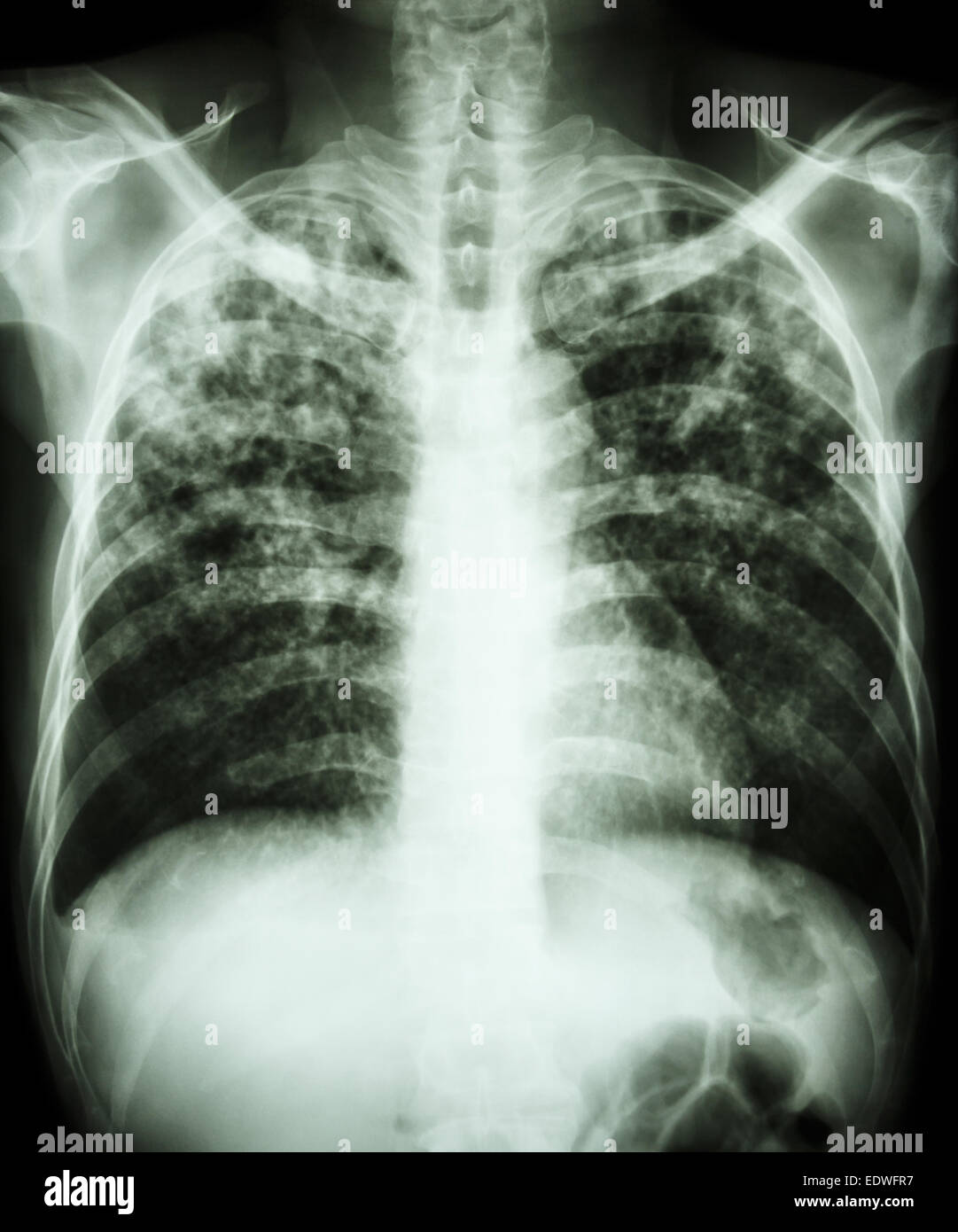
- Chest X-ray: If a screening test is positive, an X-ray is performed to look for abnormalities in the lungs. Classic TB findings include infiltrates or "cavities" (holes) in the upper lobes.
3. Microbiological Confirmation
- Sputum Smear Microscopy: Sputum is stained and examined under a microscope for acid-fast bacilli.
- Rapid Molecular Tests (e.g., GeneXpert): These are now the preferred initial diagnostic tool. They detect the DNA of the TB bacteria and can identify resistance to specific antibiotics (like Rifampicin) within hours.
- Culture: The gold standard of diagnosis. Sputum is placed in a medium to grow the bacteria. This can take weeks but is necessary to determine exactly which antibiotics will work best.
| Feature | Latent TB Infection (LTBI) | Active Pulmonary TB Disease |
|---|---|---|
| Symptoms | None | Cough, fever, weight loss, night sweats |
| Contagious? | No | Yes |
| Chest X-ray | Usually normal | Usually abnormal (cavities/infiltrates) |
| Sputum Smear/Culture | Negative | Often positive |
| Skin or Blood Test | Usually positive | Usually positive |
| Treatment Goal | Prevent future disease | Cure disease and prevent spread |
Modern Treatment Protocols
Pulmonary tuberculosis is cured through a rigorous and lengthy course of antibiotics. In 2026, the standard treatment for drug-susceptible TB typically follows a two-phase approach over six months.
The Intensive Phase (2 Months)
The patient takes a combination of four primary medications:
- Isoniazid (INH)
- Rifampin (RIF)
- Pyrazinamide (PZA)
- Ethambutol (EMB)
The goal of this phase is to rapidly kill the actively multiplying bacteria and render the patient non-infectious, usually within two to four weeks of starting treatment.
The Continuation Phase (4 Months)
If the bacteria show no resistance, the patient continues with Isoniazid and Rifampin for an additional four months. This phase is crucial for killing the "persister" bacteria that grow slowly and could cause a relapse if treatment is stopped too early.
Directly Observed Therapy (DOTS)
Because missing even a few doses can lead to drug resistance, many health departments utilize DOTS. A trained healthcare worker or designated individual watches the patient take their medication every day to ensure compliance.
The Challenge of Drug-Resistant TB
One of the greatest threats to global health in 2026 is Multidrug-Resistant Tuberculosis (MDR-TB). This occurs when the bacteria evolve to resist at least Isoniazid and Rifampin, the two most powerful first-line drugs.
MDR-TB requires much longer treatment (often 9 to 18 months) with "second-line" drugs that are more expensive and have more severe side effects. The emergence of Extensively Drug-Resistant TB (XDR-TB), which resists even the best second-line drugs, presents an even greater clinical challenge. Prevention of resistance is achieved primarily by ensuring patients complete their initial six-month course without interruption.
Prevention and Public Health
Preventing the spread of pulmonary tuberculosis involves a multi-faceted approach:
- Vaccination (BCG): The Bacille Calmette-Guérin (BCG) vaccine is widely used in countries with high TB prevalence. While it is highly effective at preventing severe forms of TB in children (like TB meningitis), its effectiveness in preventing adult pulmonary TB is variable.
- Infection Control: Hospitals and clinics use specialized N95 respirators, negative-pressure rooms, and ultraviolet germicidal irradiation (UVGI) to prevent the spread of droplets.
- Preventive Treatment: People with Latent TB Infection, especially those at high risk (like household contacts of active cases), can take a shorter course of antibiotics (such as 3 months of once-weekly Isoniazid and Rifapentine) to prevent the disease from ever becoming active.
Frequently Asked Questions
Can I exercise while being treated for pulmonary tuberculosis?
During the initial intensive phase, most patients experience significant fatigue and shortness of breath, making vigorous exercise difficult. However, as the medications begin to work and lung function improves, light activity like walking is encouraged. Always consult your physician before starting an exercise regimen, as the primary goal is allowing the body to use its energy for healing.
How long am I contagious after starting treatment?
In most cases of drug-susceptible TB, a patient becomes much less contagious after two weeks of consistent, appropriate antibiotic therapy. However, this is only true if the symptoms are improving and the patient is not infected with a drug-resistant strain. You should continue to follow isolation protocols (wearing a mask, avoiding crowds) until a healthcare provider confirms you are no longer infectious.
Is pulmonary tuberculosis completely curable?
Yes. With modern antibiotic regimens, more than 95% of patients with drug-susceptible TB are cured if they complete the full course of treatment. The main reasons for treatment failure are drug resistance or the patient stopping the medication before the bacteria are fully eradicated.
Can TB come back after I have been cured?
While rare, recurrence is possible. This can happen through "relapse" (if a few original bacteria survived the treatment) or "re-infection" (if you are exposed to a new person with active TB). Maintaining a healthy immune system and avoiding close contact with untreated individuals are the best defenses against recurrence.
Does a positive skin test mean I have active TB?
Not necessarily. A positive skin or blood test only means you have been infected with the bacteria at some point. It does not distinguish between Latent TB Infection and Active TB Disease. Further testing, such as a chest X-ray and sputum analysis, is required to determine the status of the infection.
Summary and Next Actions
Pulmonary tuberculosis is a serious but manageable respiratory infection. The key to successful outcomes lies in early detection and strict adherence to the prescribed medication regimen. If you have a persistent cough for more than three weeks, especially when accompanied by fever or weight loss, you should contact a healthcare provider immediately for screening.
For those diagnosed with the condition, the most important action is to complete the entire course of antibiotics exactly as prescribed, even after symptoms disappear. Stopping treatment early is the leading cause of drug-resistant TB, which is significantly harder to treat and more dangerous to the community. For more information, consult official resources from the Centers for Disease Control and Prevention (CDC) or the World Health Organization (WHO).
Image Gallery
Select an image to open it in a new tab.



Vivian Cho
Executive IT and Emerging Technologies Reporter
