Understanding the Same-Sex Marriage Federal Law: Rights, Recognition, and the Respect for Marriage Act
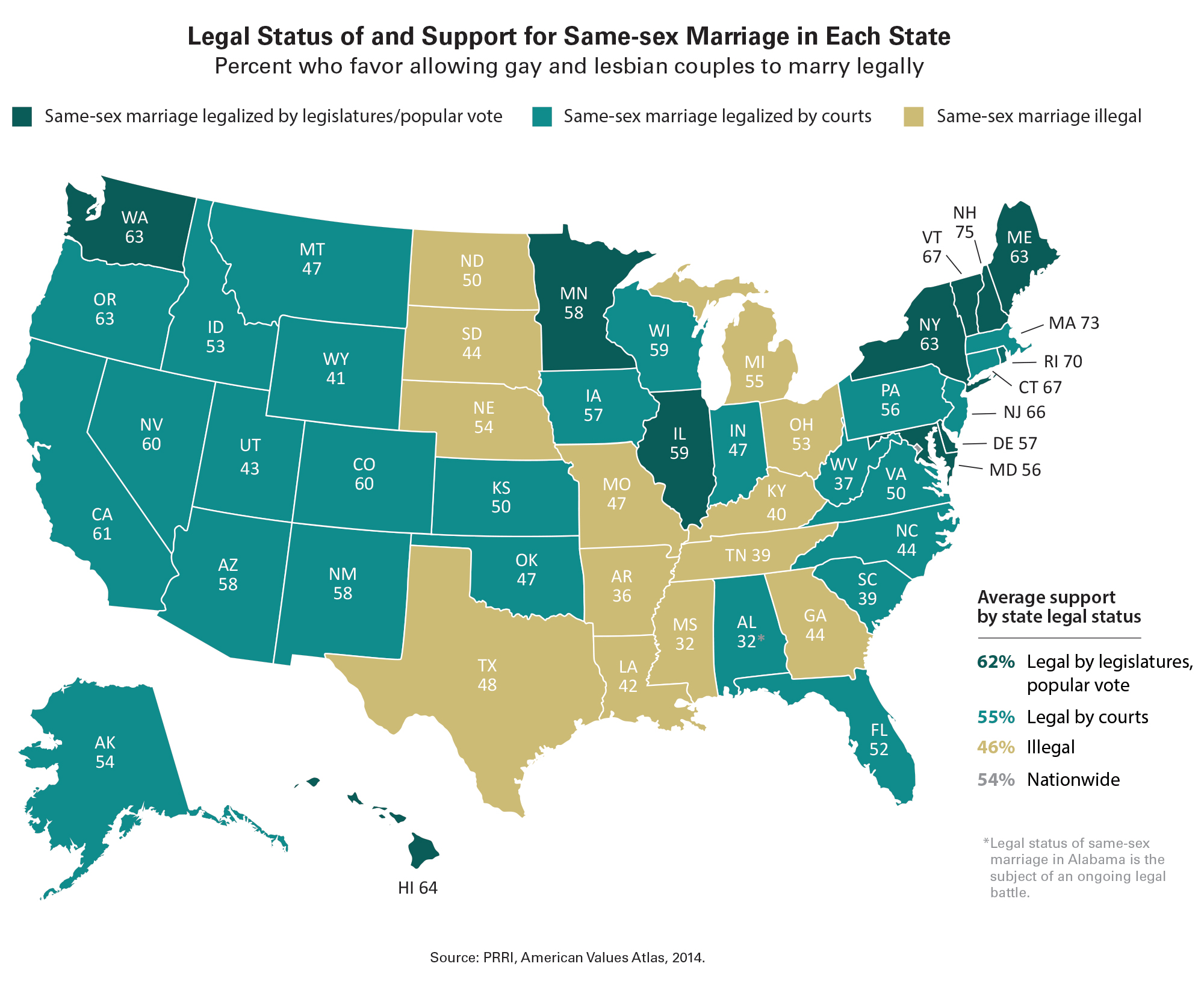
Federal law in the United States protects same-sex marriage through a combination of Supreme Court precedent and statutory law. Currently, the Respect for Marriage Act (RFMA), signed into law in December 2022, ensures that the federal government recognizes valid same-sex marriages and requires states to recognize legal marriages performed in other jurisdictions, providing a critical safety net for couples nationwide.
As of 2026, the legal landscape for same-sex marriage is more robust than it was a decade ago, yet it remains a complex intersection of judicial rulings and legislative action. Understanding how federal law interacts with state authorities is essential for couples navigating tax filings, healthcare, inheritance, and migration across state lines. This guide explores the evolution of these laws, the specific protections offered by the Respect for Marriage Act, and the practical implications for couples under the current federal framework.
The Evolution of Federal Marriage Law
To understand the current federal law, one must look back at the Defense of Marriage Act (DOMA) of 1996. For nearly two decades, DOMA was the primary federal statute governing marriage. It had two main components: Section 3, which defined marriage as only between a man and a woman for federal purposes (affecting taxes, Social Security, and immigration), and Section 2, which allowed states to refuse to recognize same-sex marriages performed in other states.
The dismantling of DOMA occurred in stages. In 2013, the Supreme Court ruled in United States v. Windsor that Section 3 was unconstitutional. This forced the federal government to recognize same-sex marriages for the first time, granting couples access to over 1,000 federal rights and benefits. However, Section 2 remained, meaning a state could still refuse to recognize a marriage from another state.
The landscape shifted entirely in 2015 with the landmark decision in Obergefell v. Hodges. The Supreme Court ruled that the Fourteenth Amendment requires all states to issue marriage licenses to same-sex couples and to recognize such marriages performed in other jurisdictions. This effectively rendered the remainder of DOMA unenforceable. However, because Obergefell was a court ruling and not a statutory law, legal experts worried that a future Supreme Court could overturn it, similar to the 2022 reversal of Roe v. Wade. This concern led directly to the passage of the Respect for Marriage Act.
The Respect for Marriage Act of 2022
The Respect for Marriage Act (RFMA) is the definitive federal statute governing same-sex marriage today. It was designed to provide a "statutory backstop" in the event that the Supreme Court ever revisited the Obergefell decision. While it does not technically require every state to issue marriage licenses to same-sex couples if Obergefell were overturned, it imposes two massive federal requirements that safeguard the stability of existing and future marriages.
Federal Recognition of Valid Marriages
Under the RFMA, the federal government is required to recognize any marriage that was valid in the state where it was performed. This is known as the "place of celebration" rule. If a couple is legally married in a state where it is legal, the federal government must grant them all federal benefits, regardless of where the couple currently lives. This ensures that Social Security, veteran benefits, and federal tax status remain secure.
Full Faith and Credit Between States
The RFMA requires every state to give "full faith and credit" to a marriage performed in another state, regardless of sex, race, ethnicity, or national origin. Even if a state were to stop issuing same-sex marriage licenses in the future, that state would still be legally required by federal law to recognize the validity of a same-sex marriage performed in a state like New York, California, or Massachusetts.

Core Protections and Federal Benefits
Federal recognition of marriage is not merely symbolic; it carries significant financial and legal weight. Because of the federal law, same-sex couples are entitled to the same treatment as opposite-sex couples in several key areas.
Federal Taxation and Financial Planning
The Internal Revenue Service (IRS) treats legally married same-sex couples as married for all federal tax purposes. This includes the ability to file joint tax returns, which often results in lower tax liability for households with disparate incomes. Additionally, federal law allows for the tax-free transfer of assets between spouses, which is a critical component of estate planning and wealth management.
Social Security and Survivor Benefits
One of the most significant protections under federal law involves the Social Security Administration (SSA). Spouses in a same-sex marriage are eligible for spousal retirement benefits, disability benefits, and, perhaps most importantly, survivor benefits. If one spouse passes away, the surviving spouse is entitled to receive a portion of the deceased spouse’s Social Security earnings, provided the marriage met the duration requirements (usually nine months for survivor benefits).
Immigration and Sponsorship
Under federal immigration law, U.S. citizens and permanent residents can petition for their same-sex spouses to receive a Green Card or immigrant visa. This process is governed by the Department of Homeland Security (DHS) and follows the same procedures as opposite-sex couples. The federal law ensures that the "place of celebration" rule applies, meaning as long as the marriage was legal where it occurred (even in a foreign country), the U.S. government recognizes it for immigration purposes.
Military and Veteran Benefits
The Department of Defense and the Department of Veterans Affairs (VA) provide a wide array of benefits to spouses of service members. These include healthcare through TRICARE, housing allowances (BAH), and access to base facilities. Federal law mandates that these benefits are distributed equally to same-sex military spouses, ensuring families are supported regardless of the state in which they are stationed.
Understanding Religious Freedom Protections
A key component of the federal Respect for Marriage Act is its explicit protection for religious liberties. To garner bipartisan support, the law included provisions that clarify its impact on religious organizations.
Federal law does not require religious organizations to provide services, accommodations, advantages, facilities, or goods for the solemnization or celebration of a marriage. Furthermore, the law states that the refusal to provide such services shall not result in the loss of any tax-exempt status or other federal benefits for that religious organization. This distinction is vital: while the law mandates government recognition of marriage, it does not infringe upon the private religious practices of churches or other faith-based institutions.
| Feature | Pre-2013 (DOMA Era) | 2015-2022 (Obergefell Era) | 2026 (RFMA Era) |
|---|---|---|---|
| Federal Recognition | None (Section 3 active) | Full (via Court Ruling) | Full (via Federal Statute) |
| State Recognition | Optional (Section 2 active) | Mandatory (National) | Mandatory (Out-of-state valid) |
| Federal Benefits | Denied | Guaranteed | Guaranteed by Law |
| Legal Stability | Highly Restricted | Subject to Court Reversal | Codified by Congress |
| Religious Protections | N/A | Limited Clarity | Explicitly Defined |
How Federal Law Interacts with State Authority
While federal law provides a broad umbrella of protection, states still maintain significant authority over the administration of marriage. Marriage is traditionally a state-level function, involving the issuance of licenses and the performance of ceremonies.
If a couple is married in a state that recognizes same-sex marriage, they are "federally protected" regardless of their future movements. However, if the Supreme Court were to ever limit the Obergefell ruling, the federal law (RFMA) would create a tiered reality:
- Issuing States: States that choose to continue issuing same-sex marriage licenses.
- Non-Issuing States: States that might stop issuing new licenses but are legally required by the RFMA to recognize licenses from other states.
In 2026, the primary concern for many couples is ensuring their documentation is in order so that their "place of celebration" is easily verifiable for federal agencies. It is recommended to maintain original or certified copies of marriage certificates, as these are the primary evidence required to trigger federal recognition under the RFMA.
Practical Steps for Legal Compliance
For couples looking to ensure they are fully covered under federal same-sex marriage law, certain administrative steps are necessary to bridge the gap between their legal status and their actual benefits.
Updating Federal Records
Once married, couples should update their records with the Social Security Administration. This is especially important if one or both spouses change their names. A name change on a Social Security card is often the prerequisite for updating other federal and state IDs, such as passports and driver’s licenses.
Reviewing Employer-Provided Benefits
While federal law governs federal benefits, many private employers base their benefit eligibility on federal definitions. Couples should review their health insurance, 401(k) beneficiary designations, and life insurance policies to ensure they reflect their married status. Under the Employee Retirement Income Security Act (ERISA), a federal law, many private pension plans are required to provide certain protections to spouses, including those in same-sex marriages.
Estate Planning and Power of Attorney
Even with strong federal law, legal experts recommend that same-sex couples maintain robust estate planning documents, including Wills, Healthcare Proxies, and Durable Power of Attorney. While the law recognizes the spouse as the default next-of-kin for many purposes, having these documents in place prevents potential challenges in jurisdictions that may be less friendly to same-sex couples or in cases where federal recognition might be administratively delayed.
Common Misconceptions About Federal Marriage Law
There are several misunderstandings regarding what the Respect for Marriage Act does and does not do. Clarifying these is essential for a realistic understanding of one's legal standing.
- Does the RFMA force every state to marry same-sex couples? No. If the Supreme Court overturned Obergefell, the RFMA would not force a state to issue new marriage licenses. It only requires them to recognize existing ones and those performed elsewhere.
- Is common-law marriage covered? Federal law generally recognizes common-law marriages for benefits if the state where the couple resides recognizes common-law marriage. The RFMA’s "place of celebration" rule is primarily focused on ceremonial marriages.
- Does it apply to civil unions? No. Federal law specifically addresses "marriage." Civil unions or domestic partnerships do not necessarily trigger the same federal protections and benefits as a legal marriage under the RFMA or Obergefell.
Frequently Asked Questions
What happens to my federal benefits if I move to a state that doesn't support same-sex marriage?
Your federal benefits—such as Social Security, federal tax status, and VA benefits—remain completely intact. The Respect for Marriage Act ensures that the federal government uses the "place of celebration" rule. As long as your marriage was legal in the state where it was performed, the federal government must recognize it, regardless of your current state of residence.
Can a private business refuse to recognize my marriage?
This depends on the type of business and the state’s non-discrimination laws. While the federal law requires the government to recognize the marriage, private businesses are often governed by the Civil Rights Act and state-level public accommodation laws. Federal law does not currently have a blanket "private recognition" mandate for all commercial transactions, though many insurance and pension providers are covered by federal ERISA regulations that mandate spousal recognition.
Does federal law protect interracial marriages as well?
Yes. The Respect for Marriage Act specifically codifies protections for both same-sex and interracial marriages. It requires states and the federal government to recognize any marriage regardless of the "sex, race, ethnicity, or national origin" of the individuals involved. This was included to provide statutory protection for the rights established in the 1967 Supreme Court case Loving v. Virginia.
Does the law affect my ability to adopt children?
The Respect for Marriage Act focuses on the recognition of the marriage itself, not specifically on adoption or parental rights. However, federal recognition of marriage often simplifies the process for "second-parent" or "stepparent" adoptions, as many federal and state regulations regarding adoption are streamlined for married couples.
If my marriage was performed outside the U.S., does federal law recognize it?
Yes, provided the marriage was legal in the foreign country and would not violate the "public policy" of the U.S. (e.g., polygamous marriages are not recognized). For immigration and federal tax purposes, the U.S. government generally recognizes foreign same-sex marriages as long as they were legally valid in the jurisdiction where they were celebrated.
Final Recommendations for Same-Sex Couples
Navigating the federal legal system requires proactive management of your legal identity. To fully leverage the protections of the Respect for Marriage Act and existing Supreme Court precedents, couples should prioritize the following actions:
- Secure Documentation: Keep multiple certified copies of your marriage license. This document is the key to triggering the "place of celebration" protections mandated by federal law.
- Verify SSA Status: Ensure the Social Security Administration has your marriage on file to guarantee future retirement and survivor benefits.
- Consult a Specialist: If you live in a state with complex local laws or are considering moving, consult with an attorney specializing in LGBTQ+ family law to discuss how state-level changes might affect your local rights, such as property titles or parental standing.
- Stay Informed: While the Respect for Marriage Act provides significant security, the legal landscape is always evolving. Regularly check for updates from the Human Rights Campaign or the American Civil Liberties Union (ACLU) regarding any new federal regulations or court challenges.
By staying informed and maintaining proper documentation, same-sex couples can ensure they receive the full suite of rights and recognitions guaranteed under United States federal law.
Image Gallery
Select an image to open it in a new tab.



Celine Dubois
Contemporary Living and Global Arts Columnist
