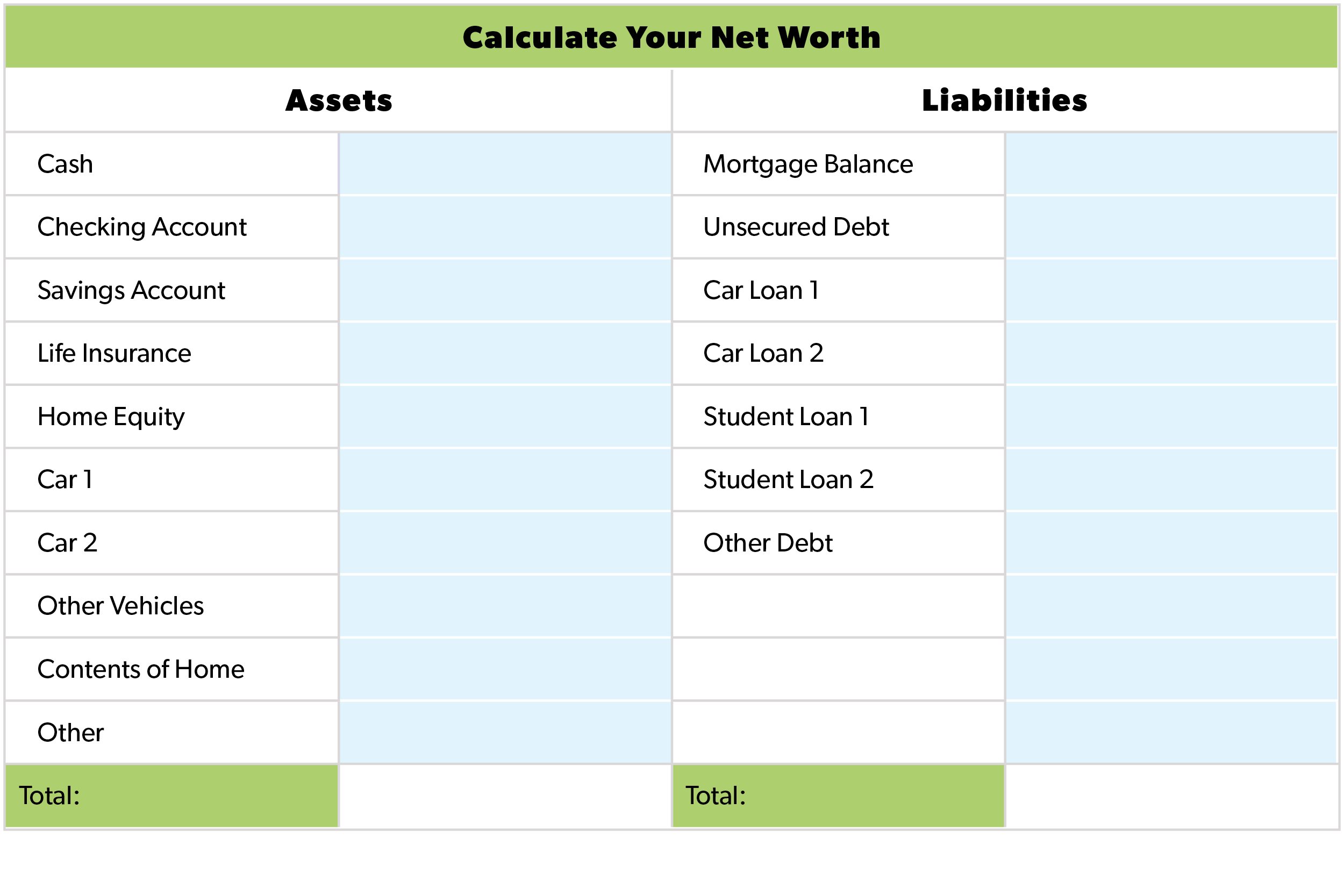
Understanding the now and later net worth framework allows you to evaluate your financial standing by dividing your total wealth into two distinct categories: immediate liquid assets available today and deferred assets locked away for your future. This dual-lens approach helps balance short-term financial security with long-term wealth accumulation, ensuring that planning for retirement does not compromise your immediate stability.
Decoding the Concept of Net Worth
Traditional personal finance often reduces wealth to a single, monolithic number: total assets minus total liabilities. While this standard calculation provides a high-level snapshot of your financial health, it fundamentally misrepresents your day-to-day economic reality. A person with a high net worth tied entirely up in illiquid commercial real estate or a closely held business can still face acute cash-flow crises. Conversely, someone with modest long-term savings might have robust emergency reserves but lack adequate compounding growth.
The now and later net worth framework addresses this limitation by segmenting your balance sheet based on accessibility and utility. It separates the money you need to navigate current market conditions, emergencies, and near-term milestones from the capital designated for retirement, generational wealth, and decades-away life transitions. By visualizing wealth through this temporal lens, you can make more strategic decisions about saving, investing, and debt management.
This analytical method shifts the primary financial question from "How much am I worth on paper?" to "How functional is my wealth across different phases of my life?" Financial planners frequently encounter individuals who excel at accumulating long-term assets like employer-sponsored retirement plans or real estate equity while neglecting their immediate cash reserves, leaving them vulnerable to sudden income disruptions. By evaluating both segments simultaneously, you build a resilient financial architecture capable of absorbing short-term shocks without derailing long-term objectives.
Analyzing "Now" Net Worth: Immediate Liquidity and Short-Term Stability
Your "now" net worth comprises all assets that can be converted into cash rapidly and without significant loss of value, offset by short-term liabilities due within the current year. This category represents your financial runway, your shock absorber, and your operational capital for day-to-day living.
Components of Now Assets
To calculate your immediate financial standing, you must inventory assets that require minimal friction to access:
- Cash and Equivalents: Checking accounts, high-yield savings accounts, money market accounts, and physical cash reserves.
- Short-Term Investments: Treasury bills, certificates of deposit (CDs) maturing within twelve months, and liquid brokerage accounts holding readily marketable securities.
- Accounts Receivable: Money owed to you currently or within a short, predictable window, common among freelancers and small business owners.
- Personal Property of Immediate Liquidity: Assets like precious metals or high-demand goods that could be liquidated rapidly in a pinch, though these are typically excluded from conservative calculations due to price volatility.
Liabilities Impacting the Now
Against these liquid assets stand your immediate obligations. These include credit card balances that must be paid in full each month, personal loans due within the year, the current year's tax liabilities, and standard monthly operational expenses like rent, utilities, and groceries.
The primary objective of analyzing your now net worth is ensuring your liquidity ratio remains healthy. If your immediate liabilities exceed your now assets, you are operating in a precarious financial position, relying on future income or credit lines to service current obligations. Maintaining a robust now net worth protects you against job loss, medical emergencies, or unexpected asset repairs, insulating you from high-interest debt traps.
Exploring "Later" Net Worth: Long-Term Growth and Deferred Wealth
Your "later" net worth encompasses assets designed to appreciate over long horizons, typically locked behind legal, regulatory, or operational barriers that discourage or penalize early withdrawal. This is the capital driving your retirement readiness, legacy planning, and long-term financial independence.
Components of Later Assets
The accumulation phase of later wealth relies heavily on compound interest and asset appreciation over decades:
- Retirement Accounts: Traditional and Roth IRAs, 401(k) plans, 403(b) accounts, and pension valuations.
- Long-Term Investments: Taxable brokerage accounts earmarked for future goals, mutual funds, exchange-traded funds (ETFs), and individual stocks held for the long haul.
- Real Estate Equity: The market value of primary residences, investment properties, and land holdings, minus the respective long-term mortgage balances.
- Business Equity: The valuation of private business ownership interests that cannot be easily sold on an open market without extensive transactional processes.
Liabilities Impacting the Later
Long-term liabilities primarily consist of multi-year debt instruments, such as the principal balances on 15-year or 30-year mortgages, student loans, and commercial property loans. While these are substantial debts, they are amortized over extended periods, meaning only a fraction of the total balance affects your immediate cash flow.
The fundamental characteristic of later net worth is illiquidity paired with high growth potential. Because this money is shielded from impulsive day-to-day spending, it can compound efficiently in equity markets or real estate holdings. However, treating later wealth as a cure-all for short-term financial missteps is dangerous; tapping retirement accounts early often triggers steep income taxes and premature withdrawal penalties that erode decades of compounding gains.
| Feature / Dimension | Now Net Worth | Later Net Worth |
|---|---|---|
| Primary Horizon | 0 to 12 months | 1 to 30+ years |
| Liquidity Level | High (days to weeks) | Low (years to decades) |
| Core Purpose | Emergency absorption, operational cash flow | Retirement funding, wealth preservation, legacy |
| Associated Risks | Inflation erosion, low yield | Market volatility, regulatory/tax shifts, illiquidity |
| Common Assets | Savings accounts, T-bills, cash | 401(k), real estate equity, pensions |
| Associated Liabilities | Credit cards, monthly bills, short-term loans | Long-term mortgages, student loans |
Balancing the Equation: Why Both Matter for Financial Health
Focusing exclusively on either your now or your later net worth creates severe blind spots in your financial planning. An individual obsessed solely with building a massive later net worth might accumulate millions in retirement accounts while living paycheck to paycheck, struggling to pay for a sudden car repair without incurring high-interest credit card debt. Conversely, someone who keeps all their wealth in cash to maximize their now net worth will see their purchasing power steadily destroyed by inflation over the decades, making long-term financial security impossible.
Achieving financial harmony requires calibrating the balance between these two categories based on your life stage, risk tolerance, and career stability. Younger professionals often have a lower now net worth relative to their future earning potential and long-term obligations, but they must still maintain an emergency fund. As individuals move through their careers, the ideal proportion shifts, requiring careful coordination between maximizing employer-matching retirement contributions and building robust taxable cash reserves.
Furthermore, economic environments heavily influence this balance. During periods of elevated inflation or economic uncertainty, increasing cash allocations within your now net worth can provide vital security. Conversely, in stable economic climates, directing excess liquidity into your later net worth ensures your capital works efficiently toward long-term milestones.
Practical Steps to Calculate and Audit Your Split Net Worth
Conducting a now and later net worth audit provides a crystal-clear view of where your money actually resides and whether your asset allocation aligns with your life goals. Follow this systematic process to evaluate your financial position:
Step 1: Inventory All Assets
Gather statements for every financial account you own. List every asset, noting its current market value or cash balance. Do not estimate values; use verified figures from your most recent statements or professional appraisals.
Step 2: Categorize Assets by Liquidity
Review each asset and assign it strictly to either the "now" or "later" column:
- Place assets accessible within days or weeks without penalty into Now.
- Place assets tied up in retirement vehicles, real estate equity, or long-term investments into Later.
Step 3: Inventory and Assign Liabilities
List all outstanding debts. Assign credit card balances, personal loans, and upcoming short-term tax obligations to your Now liabilities. Assign long-term mortgages, student loans, and business term loans to your Later liabilities.
Step 4: Calculate the Subtotals
Subtract your now liabilities from your now assets to find your Now Net Worth. Repeat the process for your later assets and liabilities to find your Later Net Worth. Combine both figures to verify your total overall net worth.
Total Net Worth = (Now Assets - Now Liabilities) + (Later Assets - Later Liabilities)
Step 5: Evaluate Your Proportions
Analyze the ratio between your now and later wealth. Does your now net worth cover at least three to six months of essential living expenses? Is your later net worth growing at a pace consistent with your retirement timeline? Adjust your monthly savings allocations to correct any imbalances.
Common Pitfalls in Net Worth Management
Misinterpreting how assets function within the now and later framework can lead to poor financial decision-making. Recognizing these common traps helps protect your long-term wealth accumulation:
- Treating Primary Home Equity as Now Wealth: While home equity contributes to your overall and later net worth, it is notoriously illiquid. Relying on home value appreciation for short-term financial emergencies via home equity lines of credit (HELOCs) introduces severe risk if property markets experience downturns.
- Neglecting the Tax Drag on Later Assets: Retirement accounts like traditional 401(k)s and IRAs represent gross wealth rather than net wealth because withdrawals are subject to ordinary income tax. Failing to account for future tax liabilities can leave you with significantly less spendable later wealth than your balance sheet suggests.
- Over-Allocating to Cash: Keeping excessive capital in low-yield savings accounts under the guise of building now net worth exposes your wealth to stealth losses from inflation. Once your emergency fund is fully capitalized, additional savings should generally be directed toward growth-oriented later assets.
- Ignoring Liquidity Penalties: Dipping into retirement vehicles or certificates of deposit before maturity to solve immediate cash flow issues triggers punitive tax consequences and early withdrawal fees, transforming a minor cash crunch into a major financial setback.
Frequently Asked Questions
What is the ideal ratio between now net worth and later net worth?
There is no universal ratio, as the ideal balance depends heavily on your age, income stability, and life stage. Early in your career, your later net worth may start near zero while your now net worth consists primarily of a modest emergency fund. Approaching retirement, your now net worth should expand to cover several years of living expenses to shield you from selling depressed equity assets during a market downturn, while your later net worth continues generating long-term income.
How does an emergency fund fit into the now and later framework?
An emergency fund is the cornerstone of your now net worth. It provides immediate, penalty-free access to cash precisely when unexpected expenses or income disruptions occur. Without a fully funded emergency reserve, you risk being forced to liquidate your later net worth prematurely, short-circuiting your long-term investment growth.
Can real estate count toward both now and later net worth?
Real estate is generally classified as a later asset due to its inherent illiquidity. Selling a property requires months of marketing, transaction fees, and closing processes. While home equity can theoretically be accessed via refinancing or home equity lines, these mechanisms rely on lender approval and market conditions, making them unreliable sources of immediate, now-category liquidity.
How often should I audit my now and later net worth?
Conducting a formal audit twice a year or annually is standard practice for most individuals. Regular reviews allow you to monitor your progress, rebalance investment portfolios, adjust emergency savings targets in response to lifestyle changes, and ensure your financial architecture remains resilient against economic shifts.
Strategic Next Actions
Begin by pulling your latest financial statements and executing the four-step audit outlined above to establish your baseline now and later figures. If your now net worth reveals insufficient liquidity, redirect a portion of your monthly savings toward building a dedicated high-yield emergency fund until you reach three to six months of baseline expenses. Once your immediate stability is secured, automate your contributions toward your later net worth assets, ensuring your long-term wealth compounds steadily without compromising your day-to-day security.
Image Gallery
Select an image to open it in a new tab.
Vivian Cho
Executive IT and Emerging Technologies Reporter
