Understanding the Monoclonal Antibodies Abbreviation: A Guide to Drug Nomenclature
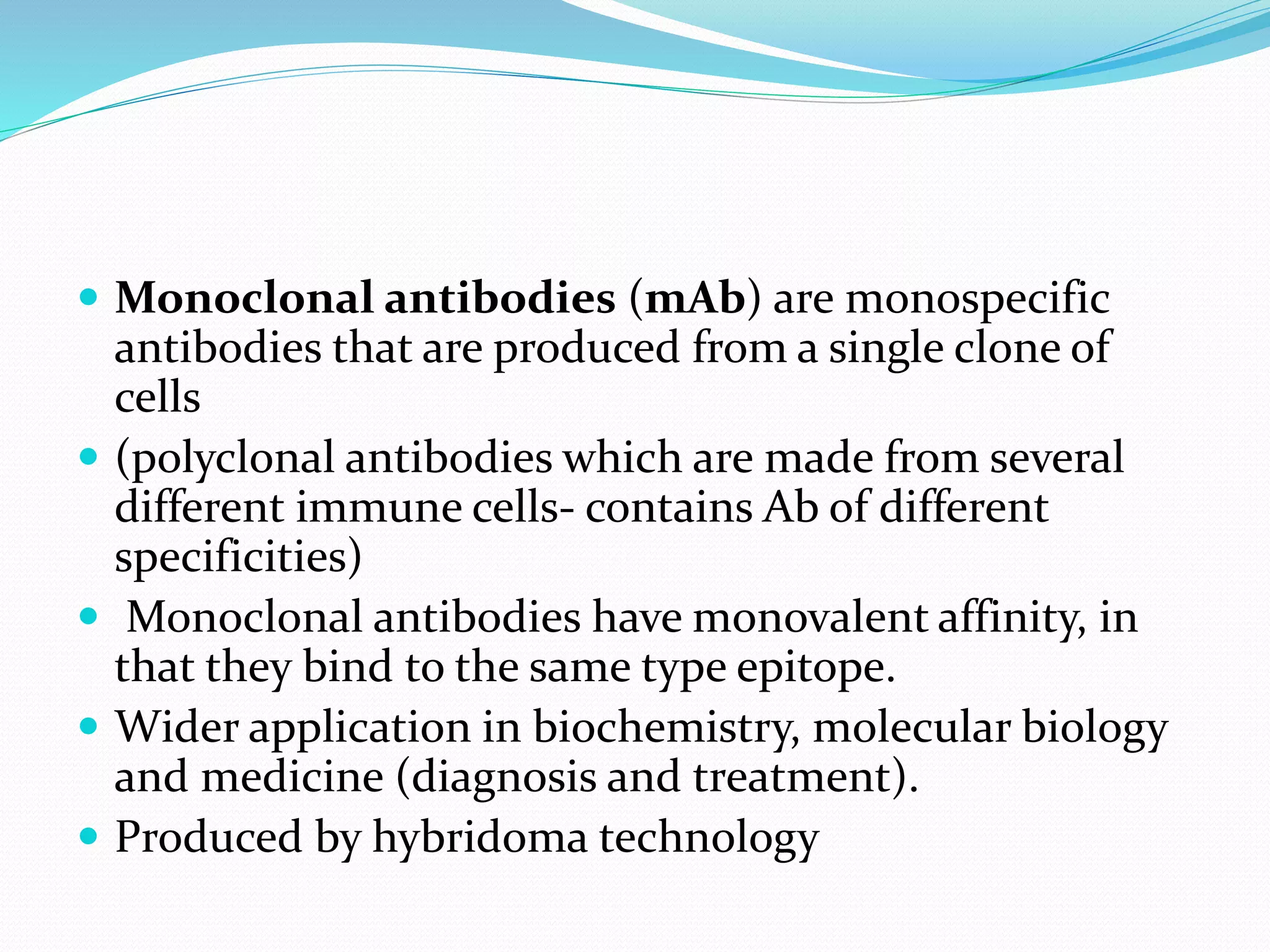
The primary abbreviation for monoclonal antibodies is the suffix -mab, which stands for monoclonal antibody. This suffix is the cornerstone of a global nomenclature system designed by the World Health Organization (WHO) and the American Medical Association (AMA) to classify laboratory-engineered proteins that mimic the immune system's ability to fight off harmful pathogens.
To understand the "-mab" abbreviation, one must look beyond the three letters. The nomenclature for these drugs is a highly structured linguistic system that communicates the drug's target, its origin, and its specific molecular characteristics. As of 2026, the landscape of these abbreviations has evolved to accommodate increasingly complex bioengineering, moving from a system focused on the biological source to one focused on the functional category of the molecule.
The Structural Anatomy of a Monoclonal Antibody Name
Every monoclonal antibody follows a specific naming convention defined by the International Nonproprietary Name (INN) program. This ensures that healthcare providers, researchers, and pharmacists can identify the nature of a drug regardless of its commercial brand name. A standard "-mab" name is typically constructed from four distinct parts: the prefix, the target infix, the source/type infix (in older drugs), and the universal suffix.
The Distinctive Prefix
The first part of a monoclonal antibody name is the prefix. Unlike the other components of the name, the prefix is intentionally designed to be unique and distinctive. Its primary purpose is to differentiate the drug from others in the same class. Regulatory bodies ensure that the prefix does not sound like existing drugs or common medical terms to prevent medication errors. For example, in pembrolizumab, "pembro-" is the unique identifier.
The Target Infix (Infix A)
The second part of the name is the target infix, which identifies the organ system, disease state, or specific molecule the antibody is designed to attack. This is perhaps the most useful part of the abbreviation for clinicians. If you see "-li-" or "-lim-", you are likely looking at an immunomodulator; if you see "-tu-", the drug is targeting a tumor.
The Source Infix (Historical Context)
Historically, the third part of the name indicated the source of the antibody—whether it was derived from mice, humans, or a combination of both. While the WHO began phasing out source infixes for new drugs in late 2021, many of the most common medications in use in 2026 still carry these markers. Familiarizing yourself with these is essential for understanding the legacy drugs still dominating the market.
The Universal Suffix
The suffix -mab is the constant. It signals that the drug is a monoclonal antibody. A monoclonal antibody is a clone of a unique white blood cell, meaning all the antibodies in the medication are identical and bind to the same specific epitope (part of an antigen).
Decoding the Target Infixes
The target infix provides immediate clinical context. By identifying these strings of letters within the name, a professional can often determine what the drug is used for before looking at the prescribing information.
| Target Infix | Meaning | Example Drug |
|---|---|---|
| -c(i)- | Cardiovascular | Alirocumab |
| -k(i)- | Interleukin (Immune system) | Ixekizumab |
| -l(i)- | Immunomodulating | Adalimumab |
| -n(e)- | Neural system | Galcanezumab |
| -o(s)- | Bone | Denosumab |
| -t(u)- | Tumor (Cancer) | Rituximab |
| -v(i)- | Viral | Palivizumab |
Note: The vowels in these infixes may change slightly to improve pronunciation (e.g., -ci- becomes -c- if the following letter is a vowel).

The 2021 Shift: Moving Beyond Source Infixes
For decades, the source infix was the primary way to determine the "humanness" of an antibody. This was critical because antibodies derived from mice often caused allergic reactions in humans. However, by 2026, antibody engineering has become so sophisticated that "source" is no longer a clear-cut category.
In the old system, which still applies to drugs named before 2021:
- -o-: Mouse (0% human)
- -xi-: Chimeric (approximately 65% human)
- -zu-: Humanized (approximately 95% human)
- -u-: Fully Human (100% human)
Because modern technology allows for such high levels of "humanization" and the creation of entirely synthetic antibodies, the WHO determined that these source distinctions were becoming scientifically irrelevant and confusing. In recent years, the nomenclature has shifted to focus on the functional group of the antibody.
New Suffix Categories (Post-2021)
Starting with new drug applications in 2022 and moving through 2026, you will notice new suffixes replacing or modifying the classic "-mab" structure for specific types of engineered proteins:
- -tug: For unmodified immunoglobulins (e.g., Blevetug).
- -bart: For antibodies with artificial mutations (e.g., Cogibart).
- -mig: For multi-specific antibodies that bind to more than one target (e.g., Zanidatamig).
- -ment: For antibody fragments (e.g., Prasinezument).
Why This Abbreviation System Matters for Patient Safety
The rigorous standardization of the "-mab" abbreviation system is not merely academic; it is a critical safety mechanism. In a hospital or clinical setting, clarity in naming prevents "look-alike, sound-alike" (LASA) errors.
When a physician prescribes Trastuzumab (for HER2-positive breast cancer), the nomenclature immediately tells the pharmacist:
- Tras-: Unique prefix.
- -tu-: It targets a tumor.
- -zu-: It is a humanized antibody.
- -mab: It is a monoclonal antibody.
If the naming were arbitrary—if drugs were named "Drug A" or "Cancer-X"—the risk of confusing a cancer treatment with an immunosuppressant like Adalimumab (-li- for immune) would increase significantly. By maintaining a logical linguistic structure, the medical community ensures that the drug's name itself acts as a final check against administration errors.
Practical Examples of Abbreviation Decoding
To truly master the understanding of the monoclonal antibodies abbreviation, it is helpful to deconstruct some of the most widely used medications available in 2026.
Adalimumab (Humira)
- Ada-: Unique prefix.
- -lim-: Target infix for the immune system (it blocks TNF-alpha).
- -u-: Source infix indicating it is a fully human antibody.
- -mab: Universal suffix.
Rituximab (Rituxan)
- Ri-: Unique prefix.
- -tu-: Target infix for tumor cells (specifically CD20 on B-cells).
- -xi-: Source infix indicating it is chimeric (part mouse, part human).
- -mab: Universal suffix.
Ocrelizumab (Ocrevus)
- Ocre-: Unique prefix.
- -li-: Target infix for the immune system (used in Multiple Sclerosis).
- -zu-: Source infix indicating it is humanized.
- -mab: Universal suffix.
Troubleshooting Common Naming Confusions
Even with a standardized system, certain aspects of the "-mab" abbreviation can be confusing for those not deeply immersed in pharmacology.
Biosimilars vs. Originators
In 2026, many "off-patent" monoclonal antibodies have biosimilar versions. A biosimilar is essentially a generic version of a biological drug. To distinguish them, the FDA often adds a four-letter suffix of random, non-meaningful letters to the end of the "-mab" name. For example, a biosimilar of infliximab might be named Infliximab-dyyb. These four letters do not follow the infix rules; they are unique identifiers for the specific manufacturer.
The Role of Brand Names
It is important to remember that the "-mab" abbreviation refers to the International Nonproprietary Name (INN), not the brand name. The brand name is created by the marketing department of the pharmaceutical company (e.g., Keytruda). The INN is created by the WHO (e.g., Pembrolizumab). While patients often know the brand name, medical records and prescriptions should ideally use the INN to ensure clarity across different healthcare systems.
Professional-Advice Limitation
The information provided in this article is for educational purposes regarding pharmaceutical nomenclature and should not be used as medical advice or for the diagnosis and treatment of any health condition. Always consult with a licensed healthcare professional or pharmacist regarding the specifics of your medication or treatment plan.
Frequently Asked Questions
Why do some antibody names end in "-mib" or "-nib" instead of "-mab"?
Names ending in -mib (like Bortezomib) or -nib (like Imatinib) refer to different classes of drugs. -mib stands for proteasome inhibitors, and -nib stands for small-molecule kinase inhibitors. Unlike "-mabs," which are large proteins produced in living cells, "-nibs" are small chemical molecules that can often be taken orally as pills.
Does the "source" of the antibody affect how well the drug works?
In the early days of immunotherapy, the source was vital because mouse-derived antibodies (-omab) were frequently rejected by the human body. In 2026, while "fully human" antibodies (-umab) are generally preferred for long-term use because they have the lowest risk of triggering an immune response against the drug itself, the "humanized" (-zumab) and "chimeric" (-ximab) versions are still highly effective and widely used.
Why did the WHO change the naming rules in 2021?
The rules changed because technology outpaced the old naming system. Scientists are now able to create antibodies that are "human-like" through various methods that don't fit neatly into the "chimeric" or "humanized" categories. The new system (using suffixes like -tug, -bart, and -mig) focuses on what the antibody is and what it does, rather than how it was originally sourced.
How can I tell if a drug is a cancer treatment just by its name?
Look for the -tu- or -t- infix before the suffix. If the drug name contains these letters (e.g., Trastuzumab, Cetuximab, Pembrolizumab), it is almost certainly a treatment for an oncology-related condition.
Is the "-mab" suffix used for vaccines?
No. While both monoclonal antibodies and vaccines interact with the immune system, they are different. A vaccine teaches your body to make its own antibodies (active immunity), whereas a "-mab" drug provides laboratory-made antibodies directly to your system (passive immunity). Vaccines follow a completely different naming convention.
Practical Recommendation for Further Action
If you are a patient prescribed a "-mab" medication or a student of the health sciences, the best way to utilize this information is to practice deconstructing the names of common biologics. When you see a drug name ending in "-mab," identify the target infix to understand its primary therapeutic goal. For healthcare professionals, staying updated on the WHO INN Revised Monoclonal Antibody Nomenclature is essential, as the influx of new suffixes like "-tug" and "-bart" will become more prevalent in clinical practice throughout the remainder of 2026 and beyond. For the most accurate and up-to-date definitions of specific drug names, consult the World Health Organization's INN publications or the American Medical Association's USAN naming guidelines.
Image Gallery
Select an image to open it in a new tab.
Vivian Cho
Executive IT and Emerging Technologies Reporter
