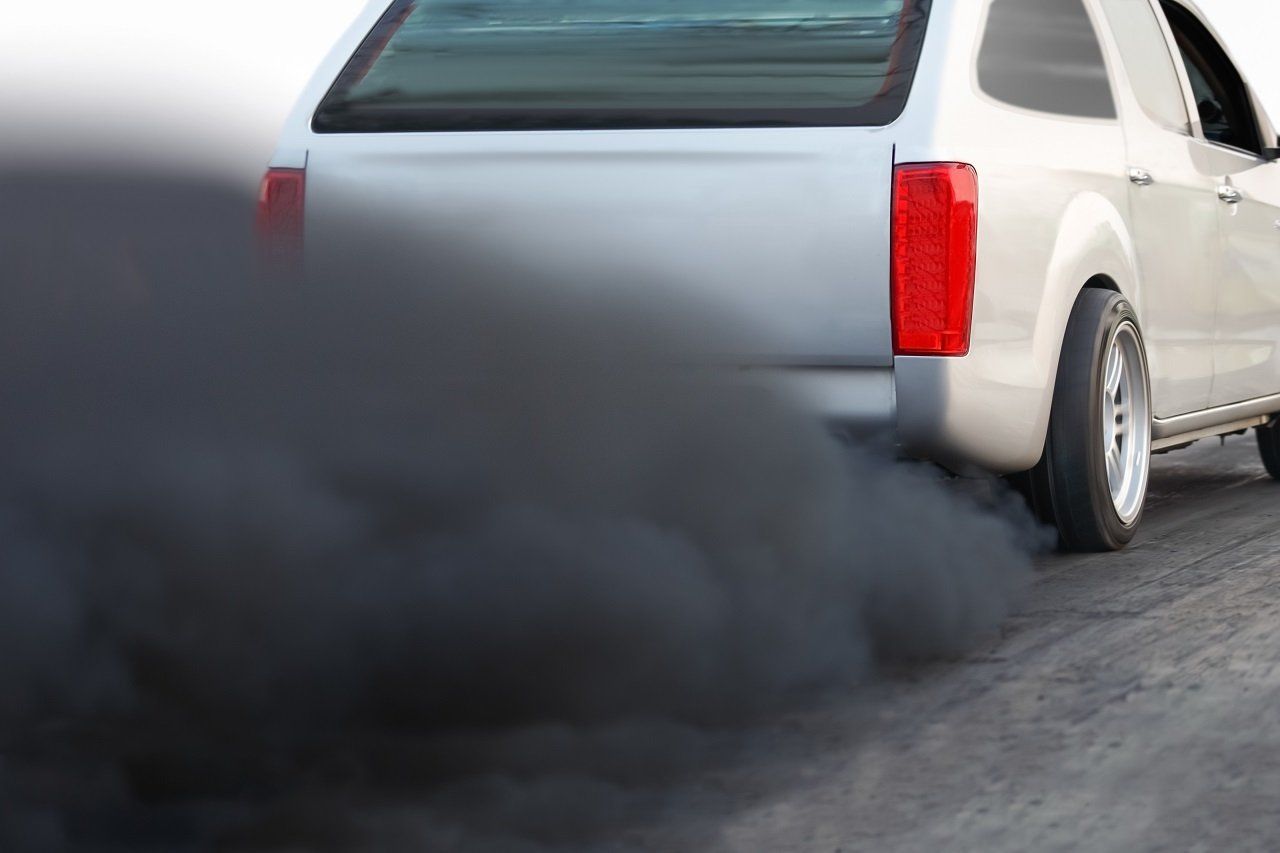
A smoking car is a clear sign of an active fluid leak, mechanical failure, or electrical fault that requires immediate evaluation by a qualified technician. Continuing to drive a smoking vehicle risks catastrophic engine destruction, sudden component failure, or a dangerous engine bay fire. Prompt diagnostic intervention stops minor seal or hose failures from escalating into thousands of dollars in repairs.
The Immediate Risks of Driving a Smoking Vehicle
Vehicle smoke is never a normal operational byproduct. Modern internal combustion engines, hybrid powertrains, and high-efficiency exhaust systems rely on sealed, closed-loop environments. When smoke appears from beneath the hood, out of the tailpipe, or around the wheel wells, it indicates that fluids, rubber, or wiring have escaped their intended boundaries and are contacting high-temperature components. Ignoring these visual signals compromises both vehicle reliability and driver safety.
Mechanical Destruction and Escalating Repair Costs
Internal combustion engines operate under extreme thermal and pressure stress. Essential fluids—specifically engine oil, coolant, and transmission fluid—maintain mechanical tolerances and dissipate heat. When an internal gasket fails or an external hose bursts, fluid enters places it should not be or leaks out entirely. Operating an engine without adequate lubrication or coolant causes rapid metal-on-metal friction and rapid thermal expansion. What begins as a relatively inexpensive seal replacement can, within minutes of driving, warp cylinder heads, score piston walls, or seize the engine block completely.
Fire Hazards and Electrical Short Circuits
Engine bays reach temperatures exceeding several hundred degrees Fahrenheit during standard operation, with exhaust manifolds routinely exceeding 1,000°F (538°C). When engine oil, power steering fluid, or fuel mist sprays onto hot exhaust surfaces, it can instantly ignite. Similarly, electrical smoke resulting from melting wire insulation signals a short circuit. If left unchecked, short circuits can melt fuse boxes, trigger battery fires, or ignite surrounding plastic shrouding. Vehicle fires move rapidly, making immediate engine shutdown essential at the first sign of electrical or dark oil smoke.
Toxic Fumes and Health Risks
Exhaust gases and vaporized automotive fluids contain toxic chemical compounds, including carbon monoxide, benzene, ethylene glycol, and heavy particulate matter. When smoke accumulates under the hood, the vehicle’s heating, ventilation, and air conditioning (HVAC) system can draw those hazardous fumes directly into the passenger cabin. Breathing vaporized coolant or burning oil causes respiratory irritation, dizziness, and reduced driver alertness, presenting an immediate safety hazard on the road.
Diagnosing Smoke by Color and Location: What Your Car Is Telling You
Identifying the color, density, and point of origin of the smoke provides critical clues regarding the underlying mechanical failure. While a professional diagnostic assessment is necessary to confirm the exact root cause, understanding these visual indicators helps drivers communicate effectively with their mechanic and assess the urgency of towing.
- Vehicle Smoke Recognized
- Exhaust Smoke
- Blue/Gray: Burning Oil
- Dense White: Coolant
- Black: Excess Fuel
- Engine Bay / Wheels
- White Steam: Coolant Leak
- Dark Smoke: Oil on Manifold
- Acrid Smoke: Friction / Electrical
- Exhaust Smoke
Blue or Gray Exhaust Smoke: Oil Burning in the Combustion Chamber
If persistent blue or bluish-gray smoke exits the tailpipe, engine oil is entering the combustion chambers and burning alongside the air-fuel mixture.
Common causes of blue exhaust smoke include:
- Worn Piston Rings or Cylinder Walls: As engine miles accumulate, piston rings lose their ability to scrape oil off the cylinder walls, allowing oil to splash upward into the combustion chamber.
- Degraded Valve Stem Seals: Valve seals prevent oil in the cylinder head from dripping down the valve guides. When these seals harden or crack, oil seeps into the cylinders while the vehicle is idling or parked.
- Failed Positive Crankcase Ventilation (PCV) Valve: A stuck PCV valve fails to regulate internal crankcase pressure, forcing oil vapor back into the intake manifold.
- Blown Turbocharger Seals: On turbocharged vehicles, failing internal turbo seals allow pressurized engine oil directly into the intake tract or hot exhaust housing.
Continuing to drive with burning oil leads to severe spark plug fouling, engine misfires, and premature failure of the catalytic converter—a repair that often costs between $1,000 and $3,000.
Dense White Exhaust Smoke: Coolant Leaks and Head Gasket Failure
It is crucial to distinguish between light, wispy white vapor on a cold morning (which is harmless condensation) and thick, dense white smoke that smells sweet and lingers in the air. Dense white exhaust smoke indicates that engine coolant is entering the combustion chambers.
Primary causes include:
- Blown Head Gasket: The head gasket creates a seal between the engine block and the cylinder head. When it breaches, pressurized coolant channels leak directly into the engine cylinders.
- Cracked Cylinder Head or Engine Block: Extreme thermal stress can split internal metal castings, allowing coolant to mix with combustion gases.
- Warped Cylinder Head: Past overheating events can warp the aluminum mating surface of the cylinder head, preventing the head gasket from sealing correctly.
If coolant enters the cylinders, it can cause a condition known as hydro-lock. Because liquids cannot be compressed like air, piston movement halts abruptly when attempting to compress coolant, bending connecting rods and destroying the engine block.
Black Exhaust Smoke: Fuel-Air Mixture Imbalances
Black smoke issuing from the exhaust pipe signifies that the engine is burning an excessively rich fuel mixture—meaning too much fuel is being injected relative to the amount of incoming air.
Key causes of black exhaust smoke:
- Leaking or Stuck Fuel Injectors: A fuel injector stuck open constantly squirts raw gasoline into the cylinder.
- Clogged Engine Air Filter: Restricting airflow starves the engine of oxygen, forcing it to burn a disproportionately high ratio of fuel.
- Faulty Mass Air Flow (MAF) Sensor or Oxygen Sensor: Miscalibrated sensors send inaccurate data to the Engine Control Unit (ECU), prompting the computer to deliver excess fuel.
Unburnt fuel washes down cylinder walls, diluting the lubricating oil film and risking piston damage, while rapidly clogging catalytic converters and oxygen sensors.
Smoke from Under the Hood: Fluid Leaks, Belts, and Electrical Issues
When smoke originates from the engine compartment rather than the tailpipe, the vehicle is suffering from an external fluid leak, severe friction, or an electrical failure:
- White Steam with a Sweet Odor: Indicates a ruptured radiator hose, leaking water pump, or cracked radiator tank spraying pressurized coolant onto hot engine components.
- Dark Smoke with a Burning Oil Odor: Suggests oil is leaking from a valve cover gasket, oil pan gasket, or oil filter housing directly onto the hot exhaust manifold.
- Acrid, Chemical Smoke with Burning Plastic Smell: Indicates short-circuiting electrical wiring, a melted relay, or an overheating alternator.
- Sharp Rubber Odor with Light Smoke: Points to a seized accessory pulley (such as an AC compressor clutch or power steering pump) causing the serpentine belt to drag, heat up, and melt.
Smoke from Wheels and Brakes: Seized Components and Friction Hazards
Smoke billowing from behind a wheel well indicates extreme mechanical friction.
Common culprits include:
- Seized Brake Caliper: A stuck caliper piston continuously presses the brake pad against the brake rotor while driving, generating intense heat, smoking pads, and potentially boiling the brake fluid (leading to complete loss of braking power).
- Engaged Parking Brake: Driving with the emergency brake applied generates friction heat across the rear drum or disc assembly.
- Failing Wheel Bearing: Severe internal bearing failure creates extreme metal-on-metal heat that can vaporize grease and cause the wheel assembly to lock up entirely.
Vehicle Smoke Diagnostic Matrix
The following reference table outlines common smoke characteristics, probable mechanical root causes, immediate risks, and expected service priorities.
| Smoke Appearance | Origin | Primary Root Cause | Danger Level | Potential Risk of Delay |
|---|---|---|---|---|
| Thick White / Sweet Smell | Exhaust Tailpipe | Blown head gasket, cracked engine block | Critical | Engine hydro-lock, complete block replacement, total engine loss |
| Blue / Light Gray | Exhaust Tailpipe | Worn piston rings, valve seals, failed turbo seal | High | Catalytic converter failure, engine oil starvation, spark plug fouling |
| Black / Heavy Carbon | Exhaust Tailpipe | Stuck fuel injector, faulty MAF sensor, dirty air filter | Moderate to High | Severe fuel economy loss, engine oil dilution, catalytic converter damage |
| White Steam / Vapor | Under Hood | Ruptured hose, radiator leak, failing water pump | Critical | Catastrophic engine overheating, cylinder head warping |
| Dark Smoke / Burning Smell | Under Hood | Leaking valve cover gasket, dripping oil on exhaust | High | Engine bay fire, severe oil loss, accessory damage |
| Acrid Burning Plastic Smell | Under Hood | Short-circuiting harness, burning alternator | Critical | Electrical fire, complete loss of vehicle power systems |
| Pungent Metal/Pad Smell | Wheel Well | Seized brake caliper, dragging parking brake | Critical | Sudden loss of braking force, rotor warping, wheel hub damage |
Immediate Action Plan: What to Do When Your Car Starts Smoking
Experiencing a smoking vehicle while driving requires rapid, composed decision-making to minimize personal danger and limit structural damage to the car.
- Smoke Detected While Driving
- Turn on Hazard Lights
- Pull Over to Safe Shoulder
- Turn Off Ignition
- Smoke Under Hood?
- DO NOT pop hood if fire is suspected
- Evacuate passengers safely
- Call Roadside Assistance/Towing
- Smoke From Exhaust?
- Turn off engine
- Note smoke color/smell
- Call Tow Truck
- Smoke Under Hood?
1. Pull Over Safely and Turn Off the Engine
At the first sight or smell of smoke:
- Activate your hazard lights immediately to warn surrounding motorists.
- Carefully steer the vehicle off the active roadway onto a wide shoulder, emergency lane, or nearby parking lot.
- Shift into Park (or Neutral for manual transmissions) and set the parking brake.
- Turn off the ignition key or press the engine stop button immediately. Stopping the engine halts fluid pressure, cuts electrical current to short circuits, and stops heat generation.
2. Practice Engine Hood Safety
If smoke or steam is emerging from under the hood, exercise extreme caution:
- Do not immediately open the hood if you suspect an engine fire or severe electrical short. Opening the hood introduces a fresh supply of oxygen, which can cause smoldering oil or wiring to burst into open flames.
- Beware of superheated coolant: If white steam is billowing out, the cooling system is under intense pressure. Attempting to open the radiator cap or touching coolant hoses can result in severe thermal fluid burns.
- If you see active flames, evacuate all passengers to a safe location well off the highway and contact emergency services (911) immediately.
3. Arrange Professional Vehicle Transport
Never attempt to "limp" a smoking car to a repair shop, even if the destination is only a few miles away. Driving a vehicle with a breached head gasket, an oil leak over the exhaust manifold, or a seized brake caliper can turn a minor repair into a total loss in a matter of minutes.
Utilize roadside assistance services through your auto insurance provider, vehicle manufacturer program, or motoring association (such as the American Automobile Association) to flatbed tow the car directly to a certified repair facility.
The Financial Reality: Catching the Problem Before Engine Destruction
The table below illustrates how addressing the early symptoms of vehicle smoke prevents secondary system destruction and keeps repair costs manageable.
| Initial Root Cause | Early Diagnostic Repair Cost | Consequence of Continued Driving | Escalated Repair Cost |
|---|---|---|---|
| Leaking Valve Cover Gasket | $200 – $450 | Oil ignites on exhaust; engine oil starves | $4,500 – $9,000 (Engine Replacement) |
| Small Radiator Hose Crack | $150 – $300 | Coolant drains; engine overheats, head warps | $2,000 – $4,000 (Head Gasket & Machining) |
| Failing PCV Valve | $50 – $150 | High crankcase pressure blows main oil seals | $1,200 – $2,500 (Rear Main Seal Repair) |
| Stuck Fuel Injector | $250 – $500 | Unburnt fuel melts catalytic converter core | $1,500 – $3,200 (Catalytic Converter Swap) |
| Seized Brake Caliper | $250 – $450 | Extreme heat destroys rotor, pad, and wheel bearing | $800 – $1,500 (Full Axle Brake & Bearing Overhaul) |
Diagnostic Protocols: How Mechanics Isolate Smoke Issues
When a vehicle arrives at an automotive service facility with a smoke condition, ASE-certified technicians follow systematic diagnostic protocols to isolate the root cause accurately without replacing unnecessary parts.
- Vehicle Diagnostic Protocol
- Cooling System Test (Pressurize System)
- Cylinder Pressures (Compression / Leakdown)
- Smoke Machine Test (Vacuum & Evap Leaks)
Pressure Testing the Cooling System
To check for coolant leaks that generate under-hood steam or cylinder smoke, technicians attach a manual or pneumatic pressure pump to the radiator filler neck or expansion tank. By pressurizing the system to the manufacturer’s specified cap rating (typically 12 to 16 PSI), any compromised hose, leaking water pump seal, cracked radiator end tank, or weeping heater core quickly reveals itself via visible fluid drop or pressure drop on the gauge.
Engine Compression and Leakdown Testing
When dense white exhaust smoke suggests a blown head gasket, technicians perform a mechanical compression test across all cylinders.
- Compression Test: A pressure gauge measures the peak PSI achieved by each cylinder during engine cranking. Abnormally low compression in two adjacent cylinders strongly indicates a blown head gasket between those bores.
- Cylinder Leakdown Test: Compressed air is introduced directly into a cylinder at Top Dead Center (TDC). By monitoring where the escaping air exits (e.g., bubbles appearing in the radiator neck, air hissing out the dipstick tube, or air escaping the tailpipe), the mechanic pins down whether the head gasket, valve seals, or piston rings have failed.
Chemical Block Testing for Exhaust Gases
To confirm head gasket breaches without teardown, technicians use a chemical block tester (combustion leak detector). This tool draws air from the top of the radiator through a blue indicator fluid. If combustion gases (CO2) are present in the cooling system, the fluid changes color from blue to yellow (on gasoline engines) or green (on diesel engines), providing definitive proof of a gasket or head casting failure.
Diagnostic Smoke Machine Inspections
To trace subtle vacuum leaks, intake manifold gaskets, or EVAP system breaches that alter the air-fuel ratio and cause black exhaust smoke, technicians use an EVAP/Vacuum smoke machine. This device introduces a dense, inert vapor under low pressure into the intake tract. Wherever the vapor escapes reveals the exact location of the cracked hose or compromised gasket.
Frequently Asked Questions
Can I drive a smoking car a short distance to a mechanic?
No. Operating a smoking car even short distances carries severe risks. Smoke indicates active fluid loss, extreme friction, or thermal damage. Continuing to run the engine can result in sudden hydro-lock, complete oil starvation, or an engine bay fire. The safest and most cost-effective decision is to turn off the engine immediately and arrange flatbed towing.
What is the difference between normal exhaust steam and dangerous white smoke?
Normal exhaust steam is a thin, light white vapor produced as a natural byproduct of combustion, particularly on cold days. It dissipates quickly within a few feet of the tailpipe. Dangerous white smoke is dense, thick, billows continuously even after the engine has warmed up, lingers in the air, and typically has a distinct sweet odor caused by burning ethylene glycol coolant.
Is smoke from under the hood always a sign of a fire?
Not always, but it must be treated as a potential fire hazard. Under-hood smoke is frequently caused by engine oil or coolant dripping onto hot exhaust components or by steam from a high-pressure cooling system leak. However, because electrical short circuits and dripping flammable fluids can easily ignite on exhaust manifolds, any under-hood smoke should be treated as an immediate safety priority.
How much does it cost to fix a smoking car?
Repair costs vary significantly depending on the underlying source of the smoke. Simple issues like replacing a cracked radiator hose or a valve cover gasket typically range from $150 to $450. Major mechanical repairs, such as replacing a blown head gasket, usually range between $1,500 and $3,000. Severe engine damage caused by driving while smoking can require complete engine replacement, costing between $4,000 and $10,000.
What should I tell the mechanic when bringing in a smoking car?
Provide the technician with specific visual and sensory details:
- The color of the smoke (white, blue, gray, or black).
- The location where the smoke originated (tailpipe, under the hood, or from a wheel well).
- Any distinct smells (sweet like coolant, oily, acrid plastic, or metallic).
- Operating conditions when the smoke occurred (during idling, hard acceleration, braking, or cold startup).
Final Recommendation: Prioritize Immediate Inspection
If your vehicle is exhibiting smoke of any color or from any location, pull over safely, shut down the ignition, and contact a roadside towing service. For additional guidance on automotive safety standards and safety recall notices, consult official resources provided by the National Highway Traffic Safety Administration (NHTSA) and the U.S. Environmental Protection Agency (EPA). Taking immediate action protects your personal safety, prevents irreversible engine damage, and minimizes repair expenses.
Image Gallery
Select an image to open it in a new tab.
Lars Thomsen
Global Labor Markets and Economic Strategy Editor
