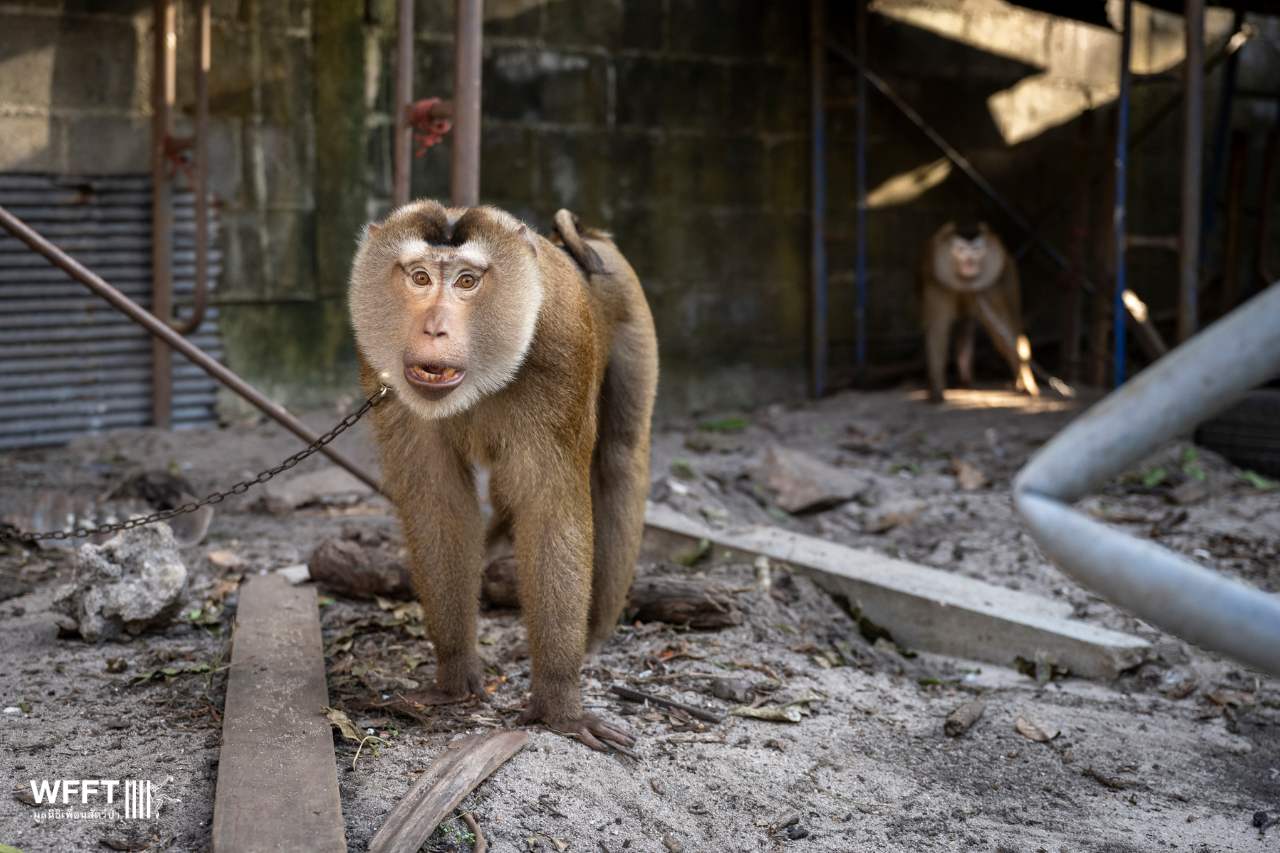
It is largely considered a fact by global animal welfare experts and investigators that the Sakor monkey content involves significant psychological and physical abuse. While presented as "care" or "rescue" videos, organizations have documented staged emergencies, forced humanization, and environments that induce chronic stress in primates to generate social media revenue.
Understanding the Context of Sakor and Primate Content
The name "Sakor" has become synonymous with a specific genre of primate-centered content on platforms like YouTube, Facebook, and TikTok. These channels typically feature young long-tailed macaques (Macaca fascicularis) interacting with human handlers. To the casual viewer, the videos often appear to show a benevolent human caring for an orphaned or injured animal. However, under the scrutiny of primatologists and animal rights organizations, a much darker reality emerges.
As of 2026, the debate over whether these videos constitute abuse has largely been settled in the scientific community, though it persists among casual audiences. The controversy isn't just about physical violence; it involves the systemic exploitation of highly intelligent, social animals for "entertainment" and "clout." The "Sakor" brand, which has appeared across multiple channels and aliases, represents a broader network of creators in Southeast Asia who profit from the "cute" but harmful portrayal of monkeys.
Evaluating the Evidence: Why Sakor is Labeled as Abusive
The claim that Sakor-style content is abusive is based on several observable factors that violate the "Five Freedoms" of animal welfare. These factors are not coincidental; they are structural elements of how the content is produced.
Forced Humanization and Anthropomorphism
One of the most common sights in Sakor videos is a monkey dressed in doll clothes, wearing diapers, or being fed human food like candy, spicy snacks, or soda. While viewers may find this "cute," it is a form of physiological and psychological abuse.
- Physical Health: Macaques have specific dietary needs. High-sugar and processed human foods lead to obesity, tooth decay, and diabetes.
- Sensory Overload: Dressing a monkey in restrictive clothing interferes with their ability to regulate body temperature and perform natural grooming behaviors, which are essential for their skin health and social hierarchy.
Staged Rescues and Manufactured Trauma
The most damning evidence against the "Sakor" brand is the prevalence of "fake rescues." In these videos, a monkey is placed in a dangerous or distressing situation—such as being stuck in a hole, "attacked" by a predator, or abandoned in a harsh environment—only for the cameraman to "discover" and "save" them. Investigative groups like the Social Media Animal Cruelty Coalition (SMACC) have pointed out that the likelihood of a cameraman coincidentally finding a monkey in a perfectly framed, life-threatening situation multiple times a week is statistically impossible. These scenarios are manufactured, putting the animal in genuine terror for the sake of a viral "hero" narrative.
Psychological Stress and Maternal Deprivation
The monkeys featured in these videos are almost always infants or juveniles. In the wild, macaques stay with their mothers for years, learning complex social cues. To produce Sakor-style content, these infants are often forcibly removed from their mothers at a very young age—a process that often involves the killing of the mother and other troop members who attempt to protect the baby. This "maternal deprivation" causes lifelong psychological trauma, manifesting in repetitive behaviors (stereotypies), self-harm, and extreme anxiety.
The Perspective of Animal Welfare Organizations
Major animal rights organizations have spent years documenting the "Sakor" phenomenon and similar channels. Their findings consistently categorize this content as animal cruelty.
Lady Freethinker and PETA
Organizations like Lady Freethinker and PETA have launched numerous campaigns specifically targeting the "Sakor" network. They have identified that these creators often operate "content farms" where monkeys are treated as disposable props. When a monkey grows too old and becomes aggressive (a natural trait for adult macaques), they are often discarded or replaced with a new, more "compliant" infant.
The SMACC Reports
The Social Media Animal Cruelty Coalition (SMACC), an alliance of 20 animal welfare organizations, has released comprehensive reports on the "spotlight" on primate abuse. Their research into the "Sakor" style of content highlights that the "fear grimace"—a facial expression where the monkey shows its teeth—is frequently misinterpreted by viewers as a "smile." In reality, this is a sign of intense fear and submission. By rewarding this behavior with views and "likes," the audience inadvertently funds continued trauma.
Distinguishing Care from Exploitation
A common defense from supporters of these channels is that the monkeys are "loved" and "part of the family." However, there is a clear distinction between legitimate sanctuary care and social media exploitation.
| Feature | Legitimate Sanctuary/Rescue | Sakor-Style Content |
|---|---|---|
| Primary Goal | Rehabilitation and eventual release or lifelong species-appropriate care. | Generating views, subscribers, and ad revenue. |
| Social Environment | Monkeys are kept with others of their species to learn social skills. | Monkeys are isolated from their species and forced to bond with humans. |
| Physical Appearance | Natural coats; no clothing or human accessories. | Dressed in clothes, diapers, and jewelry for "cuteness." |
| Interactions | Hands-off approach to minimize human imprinting. | Constant handling, bathing, and "playing" for the camera. |
| Diet | Species-appropriate vegetation, fruits, and insects. | Human snacks, sweets, and processed foods. |
| Transparency | Registered non-profit with clear oversight and expert staff. | Anonymous or semi-anonymous creators with no formal training. |
The Legal and Regulatory Reality in 2026
By 2026, the legal landscape surrounding primate content has shifted. Many of the countries where these videos originate, such as Cambodia and Indonesia, have tightened their enforcement of wildlife protection laws. Long-tailed macaques are protected under CITES Appendix II, meaning international trade is strictly regulated.
Social Media Policy Updates
Platforms like YouTube and Facebook have faced immense pressure to ban "animal rescue" content that cannot be verified. As of 2026, many "Sakor" channels have been demonetized or deleted. However, creators often bypass these bans by:
- Creating New Accounts: Opening dozens of backup channels under slightly different names.
- Platform Hopping: Moving to less regulated sites or encrypted platforms like Telegram to sell "private" (and often more violent) content.
- Ambiguous Titles: Using titles like "Taking care of my baby" to avoid automated cruelty filters.
The Role of AI in Detection
In 2026, AI-driven content moderation has become more adept at recognizing the "fear grimace" and specific "Sakor" filming locations. Despite this, the sheer volume of content uploaded every minute makes manual oversight difficult, allowing some of these creators to continue operating in the shadows.
How to Identify and Report Monkey Abuse Online
If you encounter a video featuring a monkey and suspect abuse, your actions can help stop the cycle of exploitation.
- Do Not Engage: Do not comment, even to criticize. Do not "dislike" the video. Any engagement signals to the platform's algorithm that the content is "engaging," which helps it spread.
- Look for Red Flags: Is the monkey in clothes? Is it alone with a human? Is the "rescue" too convenient? If the answer is yes, it is likely an exploitative channel.
- Report the Video: Use the platform's reporting tool. Select "Animal Cruelty" or "Violent/Graphic Content."
- Support Verified Sanctuaries: If you want to see monkeys being cared for, follow organizations like the International Animal Rescue (IAR) or the Wildlife Friends Foundation Thailand (WFFT). These groups provide transparent, expert-led care.
FAQs About the Sakor Monkey Controversy
Is Sakor a single person?
While there is an original "Sakor" channel, the name has become a brand used by a network of different handlers. In the world of social media animal exploitation, "Sakor" often refers to a style of content or a group of creators who share the same monkeys and filming locations to maximize profit.
Why does the monkey seem to love the human in these videos?
This is often a result of "fear bonding" or maternal deprivation. When an infant monkey is taken from its mother, it is desperate for comfort and will cling to whatever is available—even its captor. This is not "love" in the human sense; it is a survival mechanism born out of extreme trauma and a lack of other options.
Are all monkey rescue videos fake?
Not all, but a vast majority of those featured on mainstream social media by individual "creators" (rather than registered NGOs) are staged. Legitimate rescues are usually documented by professional teams, involve medical equipment, and focus on the animal's recovery in a naturalistic setting, not "cute" interactions.
Has anyone been arrested for the Sakor videos?
There have been several high-profile arrests of monkey content creators in Southeast Asia between 2022 and 2026. Authorities in Cambodia, for example, have confiscated monkeys from several "YouTubers" who were found to be in illegal possession of protected species. However, many creators remain at large due to the difficulty of tracking digital footprints across borders.
Why doesn't YouTube just delete all these channels?
While YouTube has improved its policies, these channels generate millions of views and significant revenue. Additionally, the creators are skilled at "borderline" content—videos that are psychologically harmful to the animal but don't show overt physical blood or violence, making them harder for automated systems to flag as "cruel."
Final Recommendation
The "Sakor monkey abuse" is not a myth; it is a well-documented form of animal exploitation that relies on the audience's lack of knowledge about primate behavior. To help end this practice, the most effective action you can take is to starve the channels of views. Do not watch, share, or interact with any content that treats a primate like a human toy. Instead, direct your attention and resources toward verified animal sanctuaries that prioritize the welfare and natural behaviors of these complex animals.
Image Gallery
Select an image to open it in a new tab.
Vivian Cho
Executive IT and Emerging Technologies Reporter
