Is a Military Debt Consolidation Loan (MDCL) Worth It? An Objective Analysis for Service Members

Whether a military debt consolidation loan (MDCL) is a prudent financial move depends entirely on your current interest rate environment, the total fees associated with the new loan, and your underlying strategy for debt elimination. For many service members in 2026, these specialized products offer a mechanism to simplify high-interest liabilities into a single, fixed monthly payment; however, they are not a cure-all for systemic overspending or poor credit management. Determining if such a loan is "worth it" requires a rigorous comparison of your weighted average interest rate against the APR of the consolidation offer and a clear understanding of the regulatory protections afforded to military personnel.
Defining the Military Debt Consolidation Loan
In the context of personal finance, a military debt consolidation loan is typically an unsecured personal loan marketed specifically toward active-duty service members, veterans, or their families. These products are often offered by credit unions, military-focused banks, or specialized online lenders who understand the unique financial profile of the armed forces—including steady employment, access to the Military Lending Act (MLA) protections, and potential eligibility for specialized benefits.
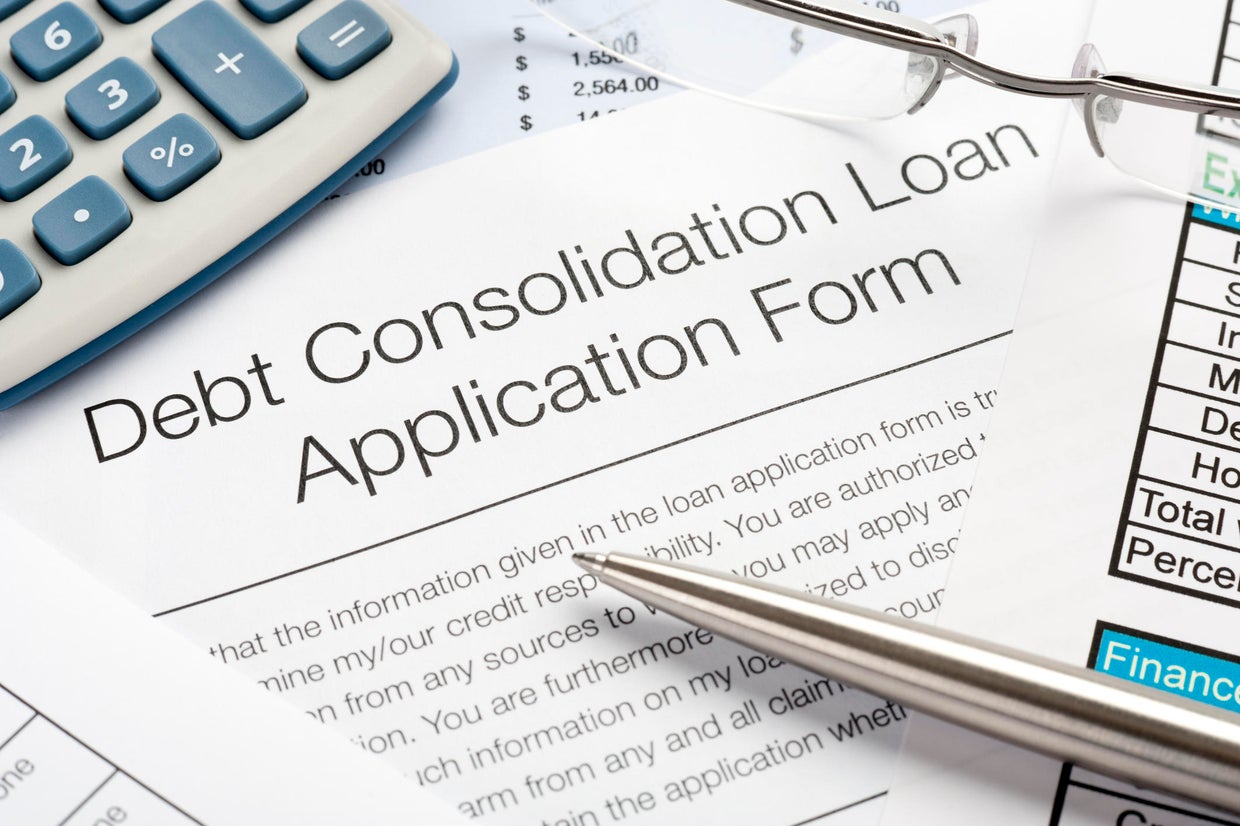
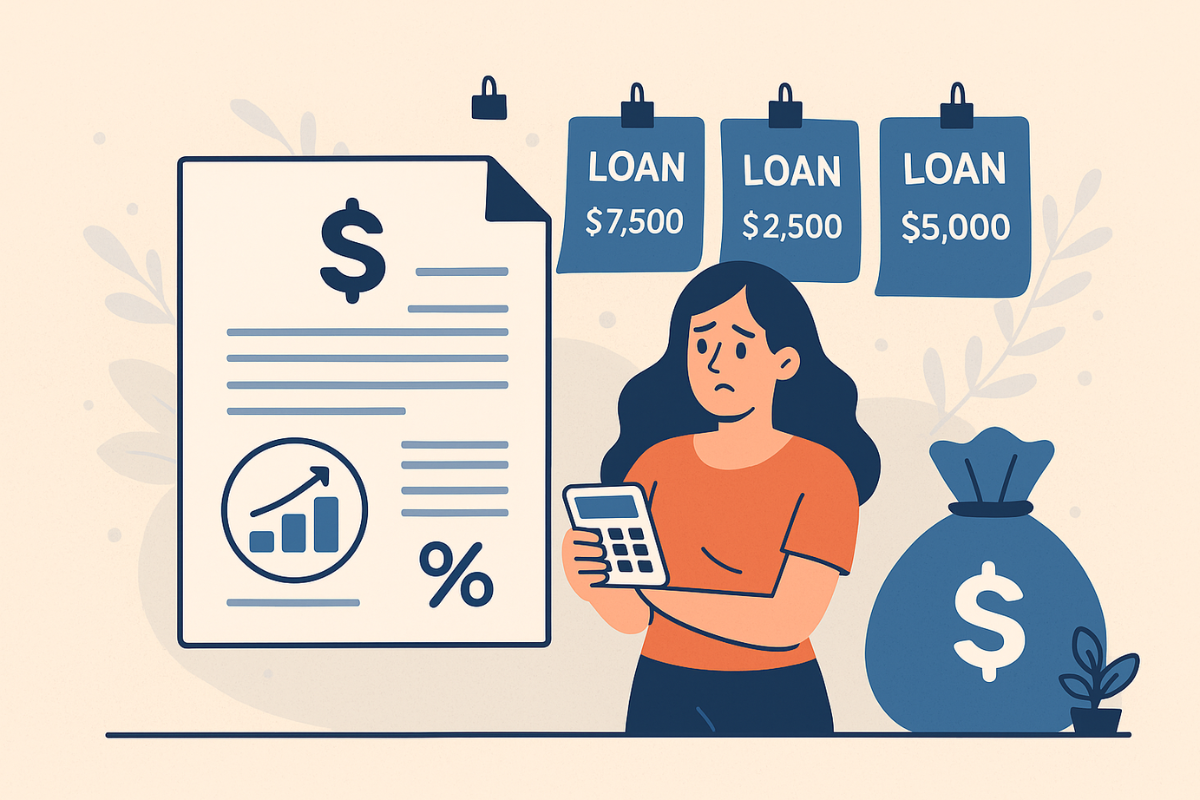
The primary objective of these loans is debt arbitrage: paying off high-interest revolving debt (like credit cards or payday loans) with a lower-interest fixed-rate installment loan. By consolidating multiple debts into one, you trade several varying due dates and fluctuating interest rates for a single, predictable monthly payment with a defined end date.
Understanding the Regulatory Framework: The Military Lending Act
Before assessing the "worth" of any loan, you must understand your baseline protections. The Military Lending Act (MLA) significantly limits the cost of credit for active-duty service members and their dependents. Most relevantly, the MLA imposes a 36% Military Annual Percentage Rate (MAPR) cap on most types of consumer credit.
When evaluating a consolidation loan, always verify if the lender is compliant with MLA regulations. If a lender offers a loan with an MAPR exceeding 36%, they are likely in violation of federal law, provided you fall under the protected category. Furthermore, the MLA prohibits lenders from requiring you to submit to mandatory arbitration for disputes arising from the loan, providing a significant layer of legal security that is often absent in civilian-market loans.
When is an MDCL Actually Worth the Cost?
A consolidation loan is mathematically "worth it" only when the interest saved over the life of the loan exceeds the total cost of originating and maintaining that loan.
- The Weighted Interest Gap: If you have credit cards with interest rates ranging from 22% to 29%, and you can secure an MDCL at 12% to 15%, the interest savings are substantial. This is the primary indicator of a "good" deal.
- Credit Score Improvement: By paying off revolving credit card balances, you often see an immediate boost in your credit score due to a lower "credit utilization ratio." As your revolving credit usage drops to near 0%, your score typically improves, which can lead to better terms on future financial products.
- Psychological Simplification: Managing four or five different payment dates can lead to missed payments, late fees, and accidental defaults. A single loan removes the mental overhead, reducing the likelihood of administrative errors that damage your credit.
- Defined Repayment Timeline: Credit cards are open-ended; you can pay only the minimum for years and never touch the principal. An MDCL is an installment loan with a fixed "drop-dead" date. It forces you to move toward zero, rather than lingering in a cycle of interest-only payments.
Risks and Common Pitfalls
Despite the potential benefits, many service members find themselves in a worse position after consolidating. You must account for these risks before signing a promissory note:
- The "Empty Card" Trap: This is the most common failure point. After paying off your credit cards with the consolidation loan, your credit limits are available again. If you continue using those cards for discretionary purchases without having paid off the loan, you effectively double your debt load. You will have the consolidation loan payment plus the new credit card balances.
- Origination Fees: Some lenders mask high costs by offering a low interest rate but charging a 5% to 8% origination fee, which is deducted from the loan proceeds. If you need to pay off $10,000, but the lender deducts a $500 fee, you only receive $9,500. You are now paying interest on money you never actually received.
- Loan Term Length: A low monthly payment might seem attractive, but if the loan term is too long (e.g., 60 or 72 months), you may end up paying more in total interest than you would have if you kept your original, higher-interest debt and paid it off aggressively over a shorter period.
Comparative Analysis Table: Consolidation vs. Status Quo
| Feature | Credit Card Debt | Debt Consolidation Loan |
|---|---|---|
| Interest Rate | Variable (often high) | Fixed (usually lower) |
| Payment Type | Revolving (minimums fluctuate) | Fixed Installment |
| End Date | Indefinite | Specific payoff date |
| Impact on Utilization | Negative if high | Positive if balances paid off |
| Risk of Overspending | High (credit available) | Low (no further borrowing) |
Practical Steps to Determine Your Best Path
Before applying for an MDCL, perform the following steps to ensure you are making an informed decision:
- Inventory Your Debt: Create a spreadsheet listing every creditor, the total balance, the current interest rate (APR), and the monthly payment. Calculate your total debt and the weighted average interest rate.
- Calculate the "Break-Even": Use an online debt consolidation calculator to see how much you would save in total interest payments over the next 24 or 36 months compared to your current plan.
- Check Your Credit Score: Know your standing before applying. A high score grants access to better rates, which is essential to making the consolidation math work in your favor.
- Explore Credit Unions: Many military-affiliated credit unions (such as Navy Federal or USAA) offer lower rates and better terms than commercial online lenders. Check these options first; they are often the most "worth it" due to their non-profit status and commitment to service member welfare.
- Review the Loan Agreement: Scrutinize the fine print for prepayment penalties. A "good" loan should allow you to pay off the balance early without fees, as this gives you the flexibility to pay extra when you have a surplus in your budget.
Frequently Asked Questions
Will a debt consolidation loan hurt my credit score? It causes a temporary, minor dip due to the "hard inquiry" performed by the lender and the opening of a new account. However, this is usually offset within a few months by the reduction in revolving credit utilization, provided you do not run up your credit card balances again.
Can I get a loan if I have bad credit? Yes, but the interest rates will likely be much higher. If you have poor credit, an MDCL might not offer enough interest savings to be worth the effort. In such cases, credit counseling services might provide a better alternative through a Debt Management Plan (DMP).
What is the difference between a loan and a Debt Management Plan (DMP)? A loan is a new product where you owe a bank; a DMP is a program administered by a non-profit credit counseling agency that negotiates with your existing creditors to lower your interest rates. A DMP does not involve taking out a new loan, which makes it safer for those who struggle with overspending.
Should I use my home equity to consolidate debt? Using a Home Equity Line of Credit (HELOC) or home equity loan to consolidate debt is risky. You are essentially turning unsecured debt (credit cards) into secured debt (linked to your home). If you cannot make the payments, you risk foreclosure. Generally, this is discouraged for consumer debt.
How do I verify if a lender is predatory? Check the lender's registration with state regulators and look for their history with the Consumer Financial Protection Bureau (CFPB). If a lender is pressuring you to sign quickly, fails to disclose the APR, or requires payment via methods that are difficult to trace, avoid them entirely.
Final Recommendation
A military debt consolidation loan is an excellent tool for a service member who has achieved discipline and is simply looking to optimize their interest payments. It is not a solution for a underlying spending problem.
Your next action should be to log into your current credit accounts, extract the total balances and interest rates, and calculate your weighted average. Then, compare this against the offers from two reputable military-focused credit unions. If the consolidation loan offers an interest rate at least 5–7% lower than your current weighted average and carries no prepayment penalty, it is likely a sound financial strategy. If you struggle with the temptation of available credit, prioritize a structured Debt Management Plan over a loan to ensure you have the guidance necessary to change your financial trajectory permanently.

Image Gallery
Select an image to open it in a new tab.



Mateo Castillo
Decentralized Finance and E-Payments Strategist
