
The intersection of love and death represents a profound existential paradox where the intensity of human connection is often measured against the inevitability of loss. This convergence—frequently termed Liebestod in philosophical and literary traditions—explores how our awareness of mortality heightens the capacity for deep affection, driving both the urgency of passion and the trauma of bereavement.
The Philosophical Foundations of Finite Love
At its core, the intersection of love and death is an ontological recognition that human relationships are inherently finite. Philosophers from Martin Heidegger to Simone de Beauvoir have noted that the "being-toward-death" is a fundamental aspect of human consciousness. When we love, we do not merely attach ourselves to another person; we attach ourselves to a temporal being who, like us, is subject to the limitations of time.
This awareness acts as a catalyst for passion. Because life is fleeting, the investment of emotion in another becomes an act of defiance against entropy. We seek to immortalize the connection through shared experiences, commitment, and legacy, knowing full well that the finality of death is the ultimate barrier to these intentions. The "intersection" is not a physical place but a psychic state: the realization that the depth of our love is directly proportional to our vulnerability to the loss of the beloved.
The Dynamics of Passion as a Defense Mechanism
Psychologically, the presence of death—or the anticipation of it—often functions as an intensifier for romantic passion. This phenomenon, rooted in Terror Management Theory, suggests that humans use meaningful attachments to distract from or process the fear of their own non-existence. By forming a deep, passionate bond, an individual creates a sense of transcendence. The beloved becomes a vessel for symbolic immortality.
However, this dynamic introduces a complex tension. When passion is fueled by the fear of mortality, it can become fragile. If the relationship is viewed as a shield against the existential dread of death, the eventual loss of that person can trigger a crisis of meaning that transcends simple grief. The intersection manifests here as a double-edged sword: the very thing that provides life its highest purpose carries the seeds of the most profound despair.
Literary and Historical Perspectives
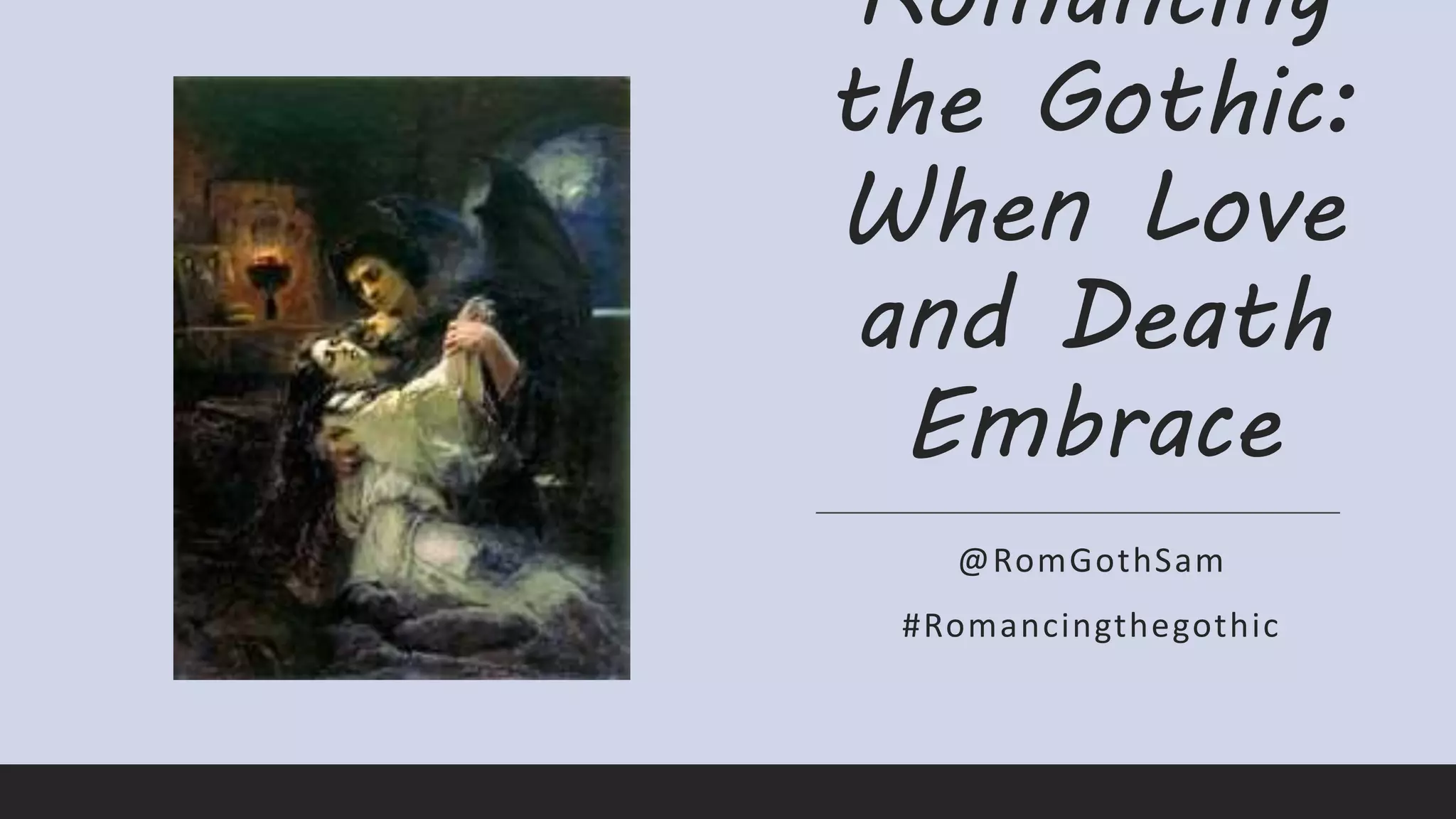
The motif of Liebestod—a term popularized by Richard Wagner’s Tristan und Isolde—literally translates to "love-death." Throughout Western literature, from Romeo and Juliet to modern cinematic narratives, the idea that love is most "pure" or "complete" at the moment of death persists. This narrative trope suggests that death preserves love in a state of eternal perfection, preventing the erosion that time and mundane reality might otherwise impose.
While these narratives are often idealized, they reflect a human impulse to bridge the gap between biological necessity (death) and emotional aspiration (love). By examining these works, we see that the intersection is not merely about tragic endings, but about the transition of love from a social interaction to a memory-based existence. Death, in this context, does not terminate the relationship; it transforms it into an internal, psychological state that remains with the survivor indefinitely.
Practical Considerations for Navigating Loss and Affection
In the year 2026, understanding the intersection of love and mortality requires a balance between emotional engagement and the reality of life-limiting conditions or aging. For those currently navigating these intersections, there are several dimensions to consider, ranging from emotional preparation to the logistical realities of partnership.
| Aspect of Intersection | Focus Area | Practical Action |
|---|---|---|
| Emotional | Pre-emptive Grief | Engaging in honest dialogue about values and fears regarding future loss. |
| Logistical | Estate Planning | Establishing power of attorney and advanced directives to protect the beloved's wishes. |
| Relational | Meaning-Making | Documenting shared history and legacy to preserve the connection beyond lifespan. |
| Psychological | Existential Resilience | Seeking therapeutic support to process the fear of mortality alongside the joy of intimacy. |
Navigating the Logistical Realities
The intersection of love and death also manifests in the legal and financial frameworks we build for one another. True devotion often reveals itself in the boring, essential labor of planning: drafting wills, securing life insurance, and establishing medical directives. These acts are the most concrete intersections of passion and mortality, as they represent a commitment to the partner's well-being even after one’s own capacity to provide has ceased.
Failure to prepare for the end of a relationship through legal channels often compounds the pain of loss with unnecessary bureaucratic stress. Taking the time to organize assets and medical directives in 2026 is not an abandonment of the "living in the moment" philosophy; rather, it is an extension of that love into a future where one may not be present to provide support.
The Role of Grief in Redefining Passion
Grief is the mechanism by which the intersection of love and death is integrated into the lived experience. It is often described not as a process of "getting over" the loss, but as a process of restructuring one's internal world to accommodate the absence of the other. The intense pain of grief is the price paid for the intensity of the love that preceded it.
Modern psychology suggests that maintaining a "continuing bond" with the deceased is a healthy adaptation to mortality. This is the ultimate intersection: the recognition that love survives death through the influence, memories, and transformation of the survivor. Passion does not dissipate; it shifts its focus from the physical presence of the person to the enduring impact of the relationship on one's own character and values.
Frequently Asked Questions
1. Why does the awareness of death often increase the intensity of romantic love? The awareness of mortality creates a sense of scarcity. When we realize that time with a partner is limited, we are more inclined to prioritize the relationship, engage more deeply, and reduce petty conflicts, which inherently increases the perceived quality and passion of the connection.
2. Is the "Liebestod" concept psychologically healthy? While poetically compelling, the idea that love is only perfect in death can be dangerous if it devalues the living relationship. It is healthier to view death as an external fact that influences the relationship, rather than a goal or a requirement for the relationship's fulfillment.
3. How can couples discuss their mortality without destroying the romantic mood? Transparency about mortality—often referred to as "death positivity"—can actually increase intimacy. By discussing end-of-life wishes, you demonstrate a profound level of care and trust in your partner, which often reinforces the emotional bond and removes the anxiety of the unknown.
4. Can love survive the death of a partner? Yes. Through the process of mourning and internalizing the bond, the relationship transforms into an internal dialogue. The love remains part of the survivor’s identity and continues to influence their future choices and emotional health.
Conclusion and Next Steps
The intersection of love and death is an inescapable reality of human life. Instead of fearing this convergence, individuals can choose to integrate it into their lives by fostering deeper connections, practicing radical honesty, and handling the practical responsibilities that safeguard a partner's future.
To begin this process, evaluate your current legal and emotional landscape. If you have not yet discussed end-of-life preferences or established clear directives with your significant other, consider setting a dedicated time in the coming months to address these items. Prioritizing these conversations ensures that your expressions of love remain robust, comprehensive, and ultimately protective, even in the face of the inevitable end.
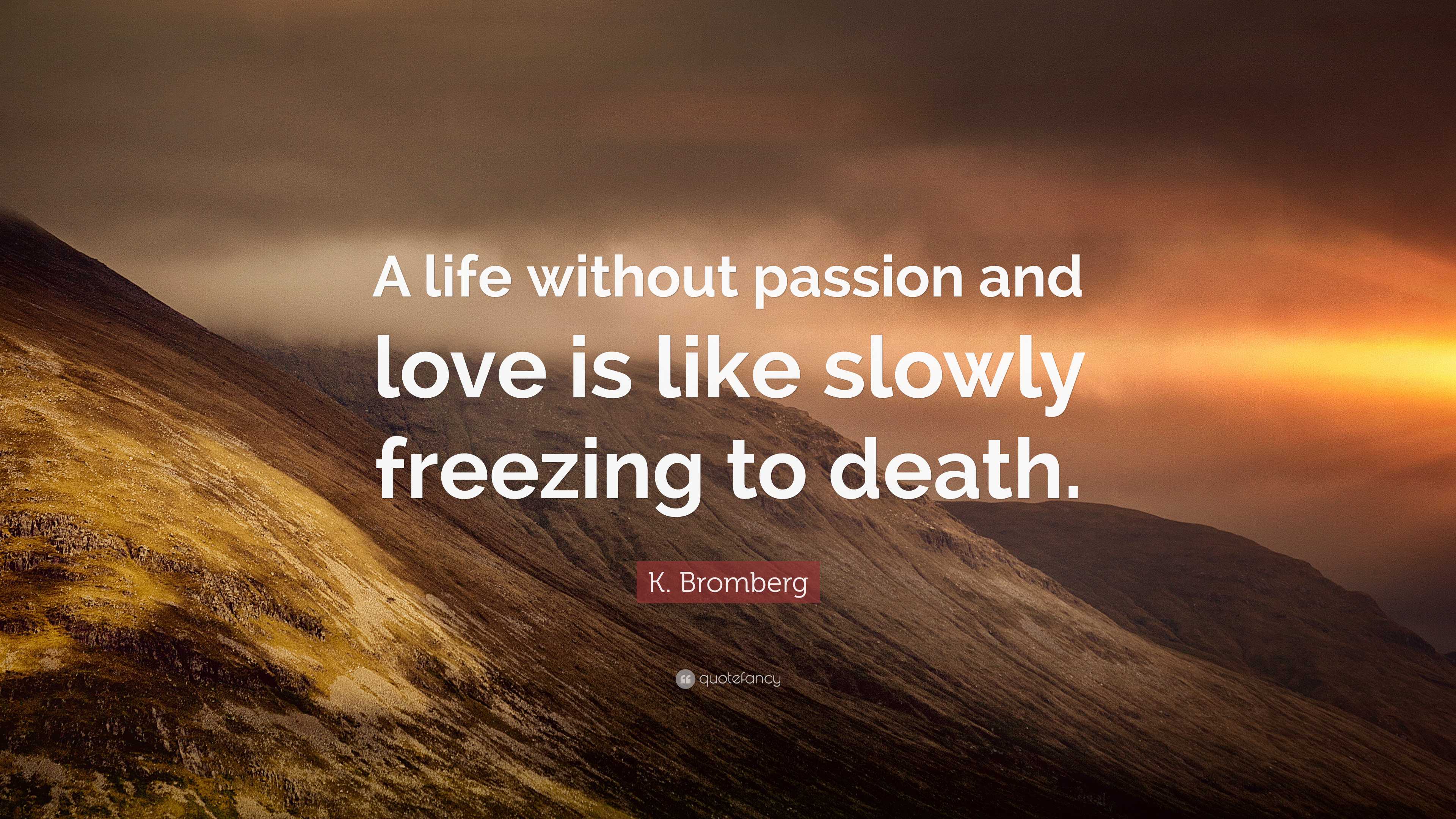
Image Gallery
Select an image to open it in a new tab.



Mateo Castillo
Decentralized Finance and E-Payments Strategist
