
The Met Gala serves as the premier global stage where haute couture meets conceptual art, transforming high-fashion red carpet appearances into influential cultural markers. These iconic looks shape the trajectory of global fashion by dictating seasonal color palettes, normalizing avant-garde silhouettes, and forcing mass-market retailers to iterate on high-concept designs, thereby bridging the gap between exclusive museum-grade craftsmanship and accessible consumer trends.
The Mechanics of Fashion Evolution
The Metropolitan Museum of Art’s Costume Institute Benefit is not merely a social gathering; it is the annual anchor for the fashion industry’s creative output. The gala provides a unique environment where the constraint of a specific theme forces designers to move beyond traditional aesthetics. When an iconic look achieves saturation—defined by rapid dissemination across social media platforms and subsequent coverage in major publications—it begins a ripple effect that dictates design choices for the following 12 to 18 months.
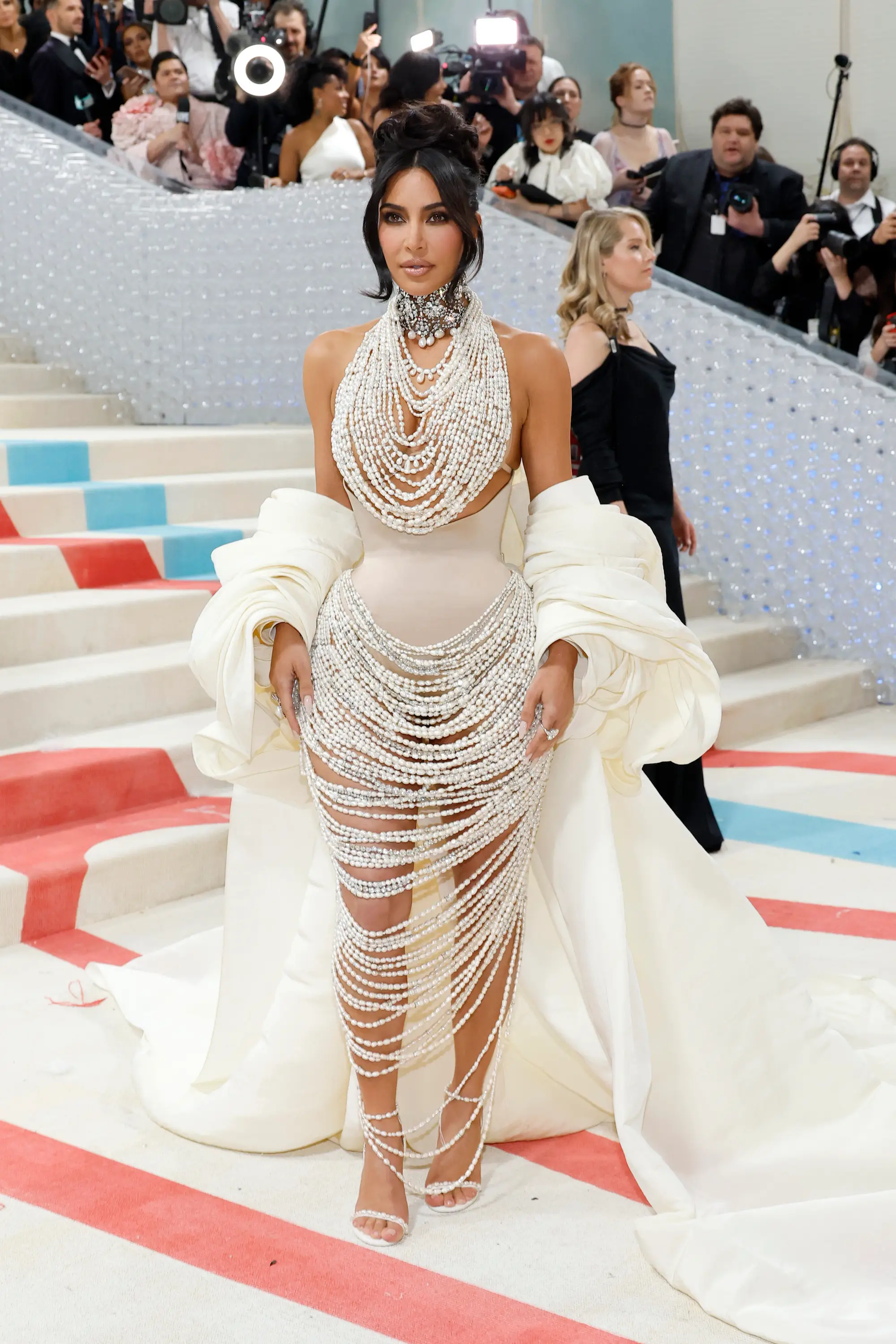
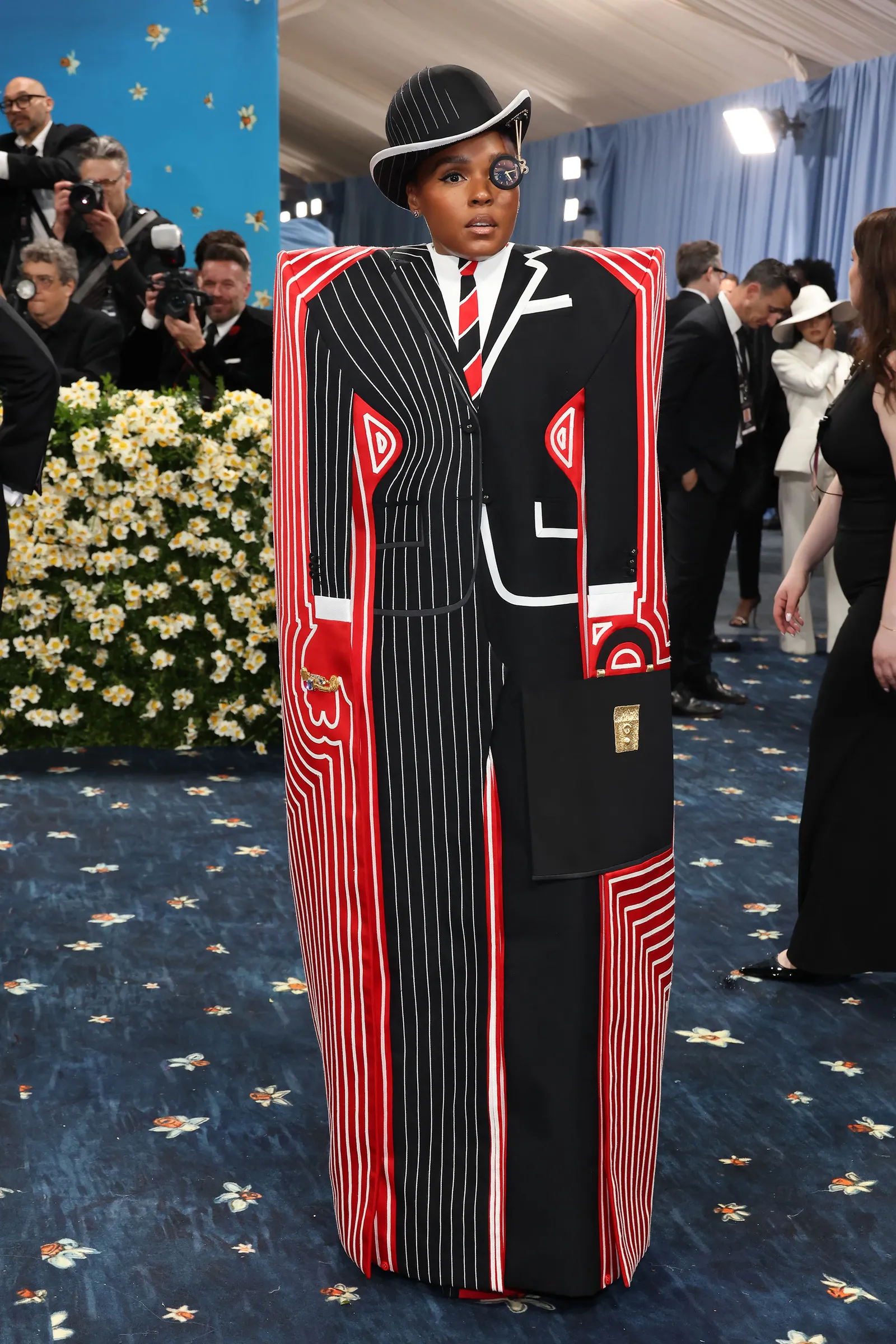
This influence occurs through a process often described as the "trickle-down" effect of fashion theory, though in the age of digital media, it happens simultaneously across all levels of the industry. When a designer like Schiaparelli or Thom Browne presents a surrealist or hyper-structured ensemble at the Met, that imagery enters the visual lexicon of every buyer, trend forecaster, and independent creative director. By the time the next major fashion week concludes, the "Met Gala effect" is visible in the structural details of mid-market collections, such as exaggerated proportions, technical material use, or specific thematic motifs.
Establishing the Cultural Threshold
A look becomes "iconic" at the Met Gala when it successfully balances three distinct pillars: thematic adherence, technical innovation, and provocative disruption. If a garment merely follows the theme, it remains a costume; if it lacks technical mastery, it remains a gimmick.
For a look to fundamentally shape the industry, it must introduce or revitalize a design element. Consider the impact of archival fashion revivals at the event. When celebrity guests wear vintage pieces from the 1990s or early 2000s, the market demand for those specific eras spikes almost immediately on luxury resale platforms. This behavior forces modern design houses to revisit their own archives, leading to the re-release of legacy silhouettes that satisfy a consumer base primed by the gala's visibility.
Influence on Textile and Silhouette Trends
The Met Gala acts as a laboratory for fabric manipulation. Because the event is a controlled environment (an indoor museum setting), designers are not restricted by the practical durability required for everyday wear. This freedom allows for the experimentation with volatile materials—such as 3D-printed polymers, delicate glass beading, or unconventional synthetic fibers.
| Element | High-Fashion Impact | Mass-Market Adaptation |
|---|---|---|
| Silhouette | Exaggerated, non-functional shapes | Softened, wearable structural accents |
| Textiles | Experimental, tech-heavy, raw fibers | Synthetic blends mimicking high-end textures |
| Color Palette | Thematic, saturated, high-contrast | Muted versions for seasonal retail cycles |
| Styling | Conceptual, disruptive accessories | Simplified, trend-driven jewelry/accents |
The data in the table above illustrates the translation of high-concept design into accessible retail. As an example, if a specific gala year features heavily metallic or sculptural chrome aesthetics, viewers can expect an uptick in chrome-finished accessories and liquid-fabric garments in mid-tier retailers within two seasons. This isn't coincidence; it is a response to the "viral" status of the original Met Gala look.
The Role of Social Media in Trend Amplification
In the current era, the "shape" of fashion is dictated by the speed of consumption. The Met Gala is one of the few global events where the subject matter—fashion—is also the performance. Unlike other award shows where the garment is secondary to the recipient’s professional achievement, at the Met Gala, the dress is the primary focus.
The algorithmic amplification of these looks creates an immediate "must-have" sensation. Designers who successfully lean into these trends during the event see a measurable increase in brand interest metrics. This creates an incentive for houses to push the boundaries of "wearability" even further each year, knowing that the most provocative, photographable, and sharable looks will gain the most digital real estate.
Common Misconceptions Regarding Gala Influence
A frequent error in analyzing the Met Gala is the assumption that it only influences haute couture. In reality, the most profound impact is felt in the "bridge" and "contemporary" luxury markets. These sectors have the agility to pivot their production cycles based on the aesthetic signals coming out of the first Monday in May.
Another misconception is that the gala is purely an advertising vehicle for the brands involved. While it functions as a marketing tool, the technical rigor required by the Costume Institute ensures that the pieces produced are of a higher standard than typical red-carpet fare. The level of hand-embroidery, structural engineering, and thematic research involved often serves as a "stretch goal" for design teams, pushing the boundaries of what is possible within a specific brand's creative limitations.
Frequently Asked Questions
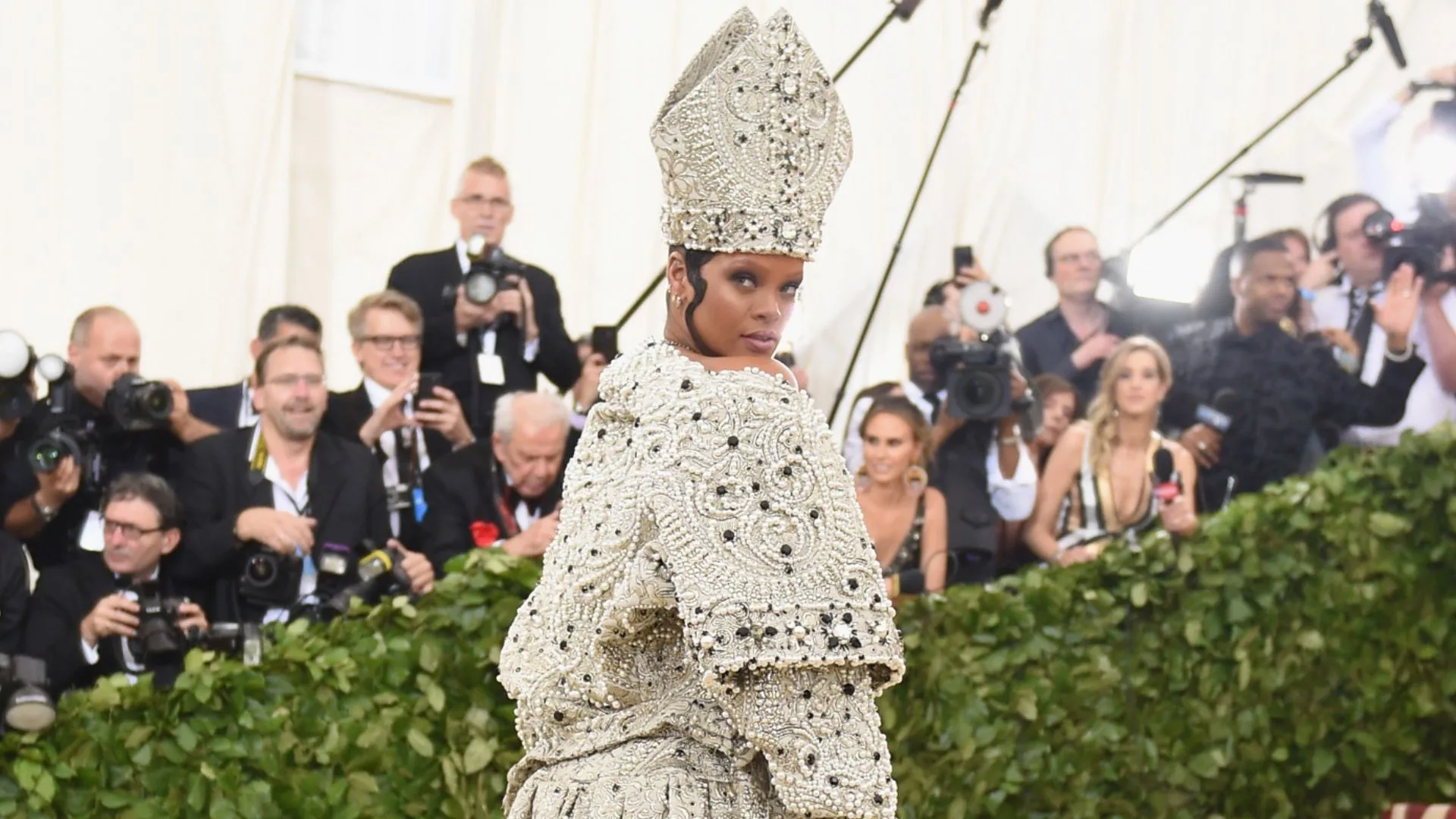
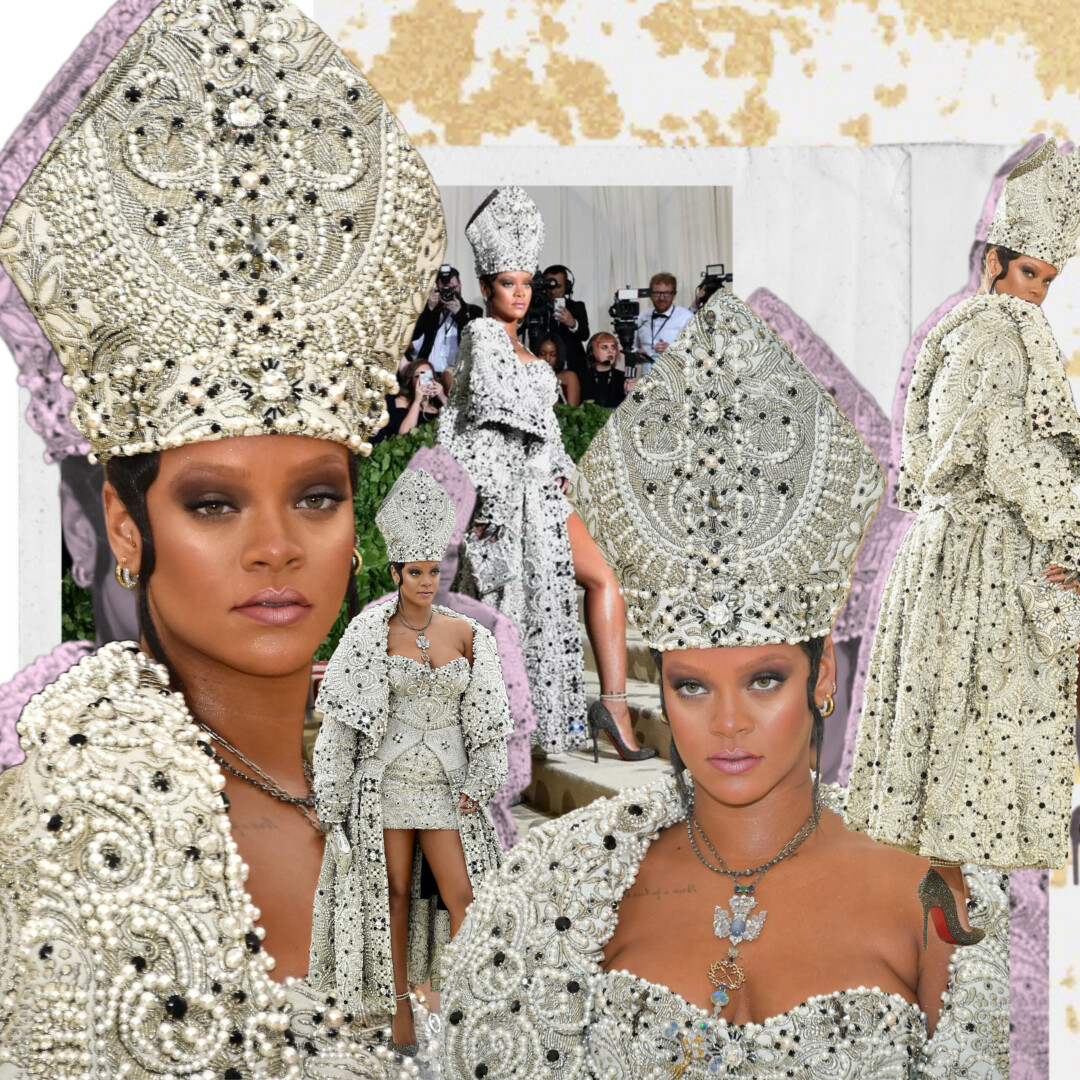
1. Does the Met Gala theme dictate retail fashion for the entire year? The theme serves as a creative catalyst. While the specific thematic elements (such as "Gilded Glamour" or "Heavenly Bodies") do not result in everyone wearing 18th-century corsets, they do trigger trends in textiles, color palettes, and styling details that infiltrate the wider market.
2. Why do mass-market retailers pay so much attention to these looks? Mass-market retailers use the Met Gala as a massive, free focus group. By monitoring which looks receive the highest volume of social media engagement and positive critical reception, they can identify which design motifs—such as a specific sleeve shape or hemline—will likely resonate with the public, reducing the risk of unsuccessful inventory investments.
3. What is the difference between a "viral" look and an "iconic" look? A viral look gains immediate, high-volume attention but may fade quickly if it lacks long-term design merit. An iconic look is one that changes the industry’s direction, forcing other designers to adopt its structural, material, or conceptual innovations in their future collections.
4. How does the Met Gala influence the secondary luxury market? Iconic looks often highlight the beauty of vintage or archival garments. When a celebrity wears an archival piece, it increases the search volume and price points for that specific designer or era on luxury consignment platforms, effectively reviving dormant trends.
5. Are Met Gala garments ever mass-produced? Typically, the original garments are bespoke, one-off couture pieces. However, the design language is often "translated" or "riffed" by fast-fashion and mid-market retailers, who produce simplified, budget-friendly versions of the silhouettes and embellishments popularized by the event within a few months.
Strategic Implications for Industry Participants
For stakeholders in the fashion industry, from buyers to designers, the Met Gala should be viewed as an early-warning system for consumer aesthetic preferences. The event provides a clear look at where the industry’s most talented creative directors are focusing their energy.
If you are a designer, the primary action is to identify the "innovation constant"—the core technical or artistic shift that occurred during the event—and determine how that shift can be synthesized into your specific price point or target demographic without sacrificing brand identity. For the consumer, understanding these trends allows for more informed purchasing decisions, helping to discern between fleeting, short-lived "fads" and genuine shifts in fashion design that will remain relevant for several seasons.

Image Gallery
Select an image to open it in a new tab.




Omar Farooq
EdTech Innovation and Virtual Pedagogy Journalist
