Understanding the Damar Hamlin Recovery: Medical Milestones and Athletic Implications

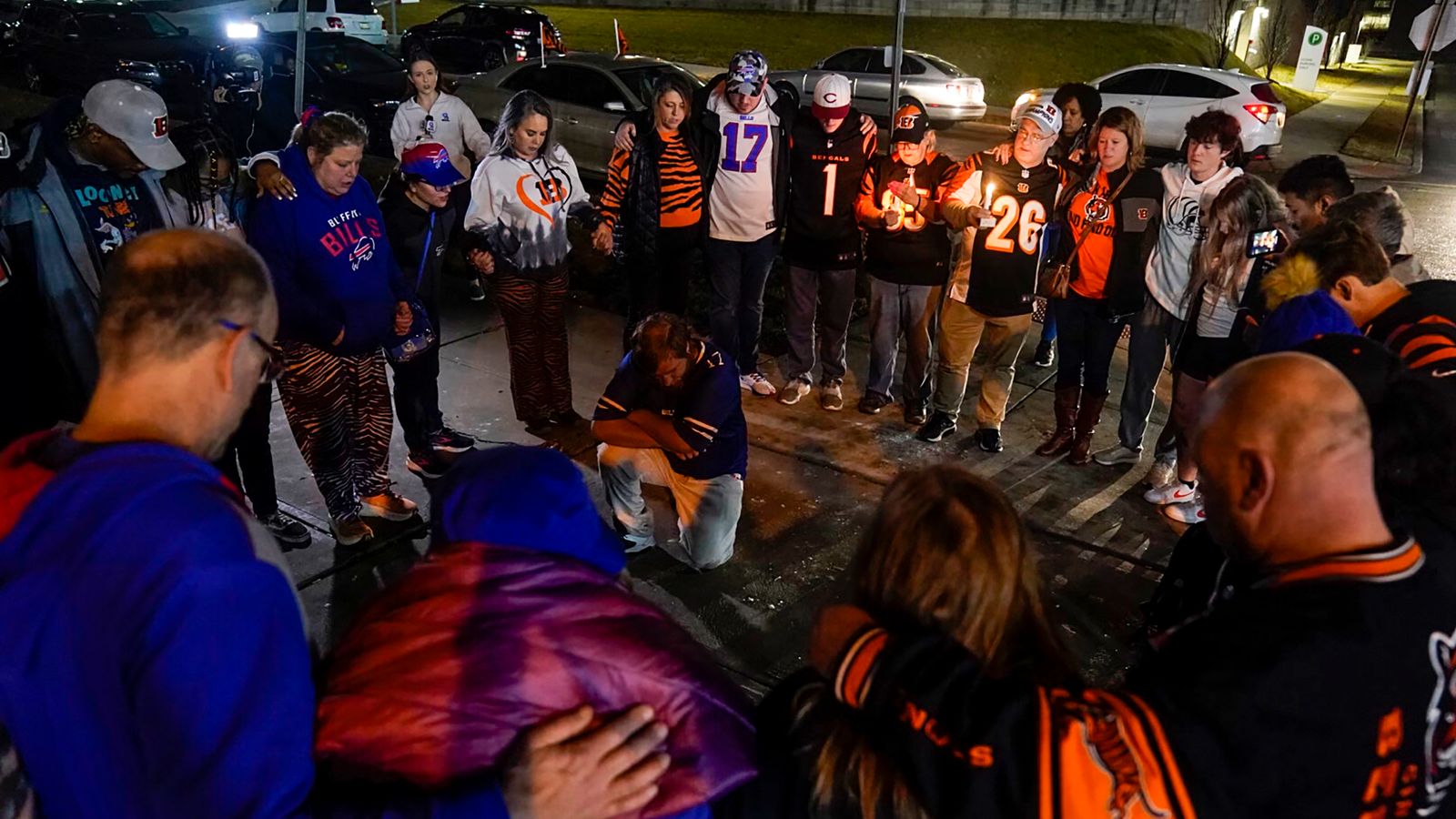
Damar Hamlin’s recovery journey represents a significant case study in modern emergency medicine, athletic cardiac health, and professional sports safety. Following his cardiac arrest on January 2, 2023, during a game between the Buffalo Bills and the Cincinnati Bengals, Hamlin’s progression from critical condition to returning to active play in the National Football League serves as a critical timeline for understanding life-saving protocols and the physiological requirements of high-level athletic rehabilitation.
The Medical Event: Commotio Cordis
The incident involving Damar Hamlin was clinically identified as commotio cordis, a rare phenomenon where a sudden, blunt impact to the chest wall during a specific window of the cardiac cycle triggers ventricular fibrillation. This electrical disruption causes the heart to stop beating rhythmically, leading to an immediate cessation of blood flow.
In Hamlin’s case, the survival outcome was heavily influenced by the immediate deployment of emergency action plans. Athletic trainers and medical staff provided cardiopulmonary resuscitation (CPR) and utilized an Automated External Defibrillator (AED) on the field. The speed of this intervention prevented hypoxic brain injury, which is the primary danger following a sudden cardiac arrest (SCA). The successful resuscitation on the field transitioned into intensive care at the University of Cincinnati Medical Center, where Hamlin received advanced life support, including mechanical ventilation.
The Stabilization and Recovery Phase
Following his stabilization, Hamlin was transferred to Buffalo General Medical Center, where he underwent a comprehensive battery of tests. The medical consensus during his initial recovery phase emphasized the necessity of ruling out structural heart abnormalities. Subsequent evaluations confirmed that his cardiac arrest was indeed triggered by the impact rather than an underlying genetic heart condition or structural defect.
This distinction was vital for his prognosis. Patients suffering from commotio cordis generally have an excellent long-term prognosis if they survive the initial event and receive prompt treatment, provided they do not have underlying cardiac pathology. Once cleared by specialists, the focus shifted from acute survival to neurological recovery and gradual physical conditioning.
Return to Competition: A Phased Approach
Hamlin’s return to the Buffalo Bills’ active roster in 2023 was not a singular event but the result of a rigorous, medically monitored protocol. The return-to-play process for a professional athlete following cardiac arrest involves several layers of scrutiny:
- Cardiac Clearance: Specialists must perform advanced imaging, including Cardiac MRI and stress testing, to ensure that the myocardium (heart muscle) has fully recovered and that no arrhythmias persist.
- Psychological Evaluation: Returning to the specific environment where the trauma occurred requires significant mental health support. Professional athletes often utilize sports psychologists to manage the anxiety and hyper-vigilance associated with returning to high-impact environments.
- Physical Conditioning: The period of sedation and mechanical ventilation leads to significant deconditioning. Hamlin’s regimen required gradual reintroduction to cardiovascular load, beginning with light aerobic activity and progressing to high-intensity interval training, all while under remote heart-rate telemetry monitoring.
- Institutional Approval: The NFL’s medical advisory committee and independent specialists must review the findings. This ensures that the athlete meets the league's standards for safety and that the risk of recurrence is mitigated.
Comparison of Emergency Cardiac Protocols
The success of Hamlin’s survival highlights the necessity of standardized emergency protocols in sports. The following table compares the essential components of cardiac emergency response.
| Protocol Component | Objective | Implementation Requirement |
|---|---|---|
| Rapid Recognition | Identifying SCA immediately | Staff training in pulse checks and gasping recognition |
| Early Defibrillation | Stopping ventricular fibrillation | AED placement within 60 seconds of collapse |
| High-Quality CPR | Maintaining perfusion | Certified training for all sideline personnel |
| Emergency Action Plan | Coordinating transport | Pre-rehearsed routes and hospital communications |
| Post-Event Review | Improving outcomes | Regular drills and equipment testing |
The Role of Technology in Modern Athletic Recovery
By 2026, the technology used to monitor athletes like Hamlin has seen significant refinement. Remote monitoring, often referred to as "wearable telemetry," allows medical teams to track cardiac output, heart rate variability, and oxygen saturation in real-time during practice sessions. These systems provide a layer of safety that was less accessible in previous decades.
Furthermore, the integration of AEDs has become a baseline expectation across all levels of organized sports. The Hamlin case shifted the legislative and social landscape regarding AED availability, leading to increased funding for school and community sports programs to ensure that these devices are not only present but accessible within seconds of an incident.
Addressing Psychological Resilience
While physical recovery is quantifiable, the psychological aftermath of surviving a near-fatal event is profound. Athletes returning to professional competition often face "somatic reliving," where the body experiences physical stress responses when placed back in the same environment. Hamlin’s public approach to his recovery—including advocacy for the Chasing M’s Foundation and widespread CPR education—played a constructive role in his own reintegration. Engaging in community advocacy served as a bridge between his role as an athlete and his role as a survivor, allowing him to redefine his identity beyond the trauma of the event.
Common Misconceptions Regarding Cardiac Recovery
Many observers assume that after a "full recovery," an athlete returns to their pre-injury baseline instantly. In practice, the physiological cost of significant cardiac trauma and the subsequent intensive care stay can linger.
- The "Full Recovery" Myth: Recovery is not binary. Even when cleared to play, an athlete may undergo adjustments to training intensity, hydration monitoring, and electrolyte management to ensure the heart is not overstressed.
- Preventability: While commotio cordis is difficult to prevent entirely due to its nature as a freak occurrence, the impact can be mitigated by high-quality chest protection gear, though such gear cannot eliminate the risk entirely.
- The Role of Genetics: It is a common misconception that all cardiac arrests in sports are related to hypertrophic cardiomyopathy (HCM). The investigation of Hamlin’s case helped differentiate between hereditary conditions and environmental trauma, a distinction that changed the trajectory of his career.
Frequently Asked Questions
1. Was Damar Hamlin’s recovery typical for someone who experienced cardiac arrest? His recovery was exceptionally positive, largely because his cardiac arrest was caused by an external physical force (commotio cordis) rather than an underlying disease. Most cardiac arrest survivors face different recovery paths depending on whether the cause was genetic, electrical, or structural.
2. Can someone return to professional sports after a cardiac arrest? Yes, though it is rare and requires extensive clearance from independent medical experts. The decision is based on a case-by-case evaluation of the cause of the arrest and the stability of the heart post-treatment.
3. What is the most important lesson from the Hamlin incident for sports organizations? The most vital lesson is the necessity of an emergency action plan. The presence of trained professionals who could perform high-quality CPR and provide immediate defibrillation was the deciding factor in his survival.
4. How does commotio cordis differ from a standard heart attack? A heart attack is typically caused by a blockage of blood flow to the heart, while commotio cordis is an electrical disruption caused by a blunt impact to the chest, usually during a specific, vulnerable millisecond of the heartbeat.
5. Are there long-term health risks for an athlete who has returned to play after a cardiac event? Athletes are typically monitored closely for any signs of residual scarring or electrical instability. Provided there is no underlying disease, the risk of a repeat event due to commotio cordis remains statistically low, though the athlete and their medical team must remain vigilant regarding cardiac health.
Conclusion and Next Actions
Damar Hamlin’s trajectory from the field in Cincinnati to his continued career in the NFL demonstrates the effectiveness of immediate, standardized emergency care. For athletes, organizations, and families, the takeaway is clear: the presence and maintenance of automated external defibrillators and the rigorous training of staff in CPR are not merely organizational requirements—they are life-saving necessities.
If you are involved in organized athletics, ensure that your facility has a documented and rehearsed emergency action plan. Verify the location of all AEDs, ensure they are within a one-minute walk of any practice or game location, and confirm that all staff members are certified in current CPR techniques.

Image Gallery
Select an image to open it in a new tab.


Celine Dubois
Contemporary Living and Global Arts Columnist
