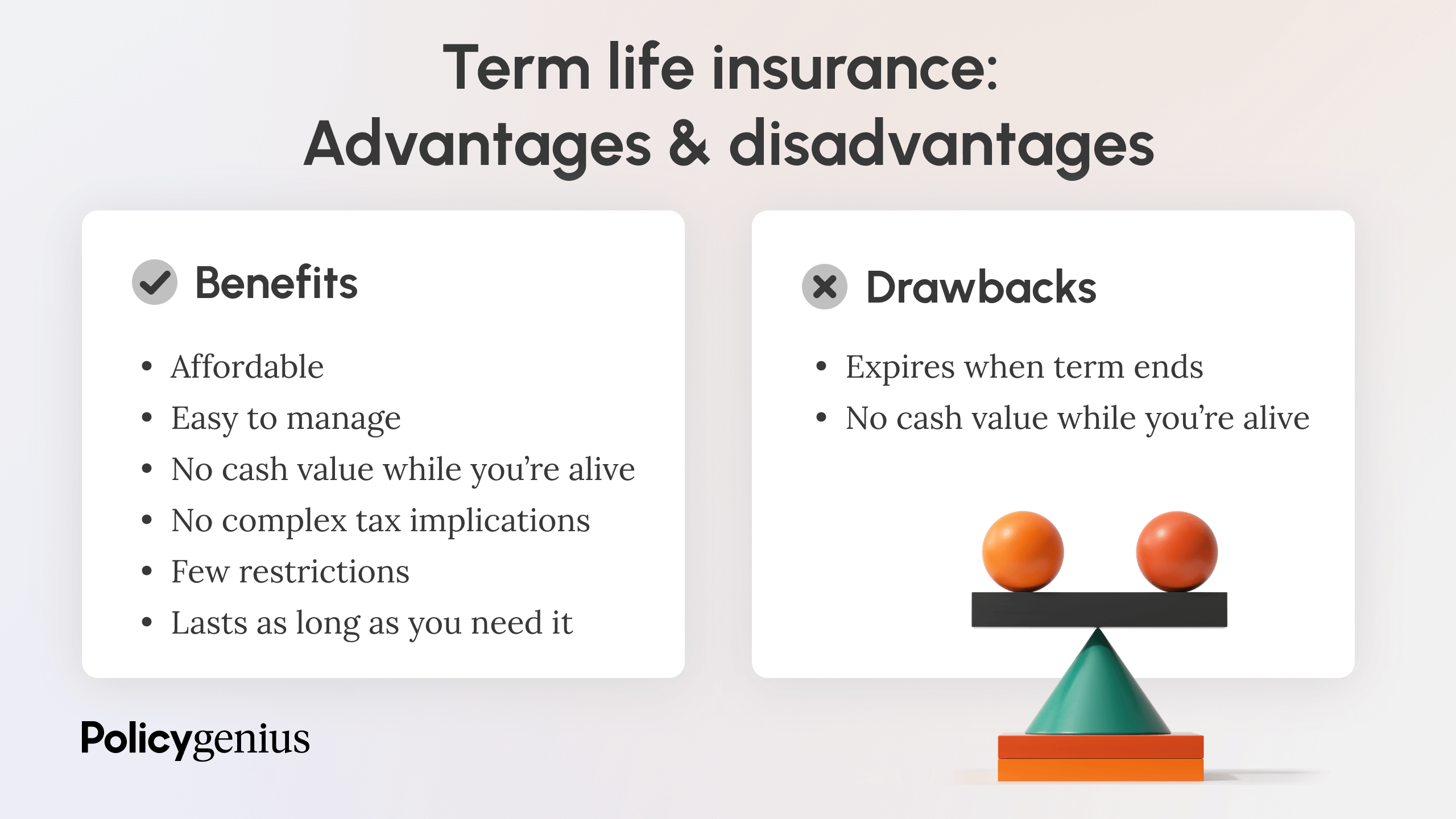
To convert part of your term life insurance to permanent coverage, you must exercise the conversion rider or provision found in your original policy. This allows you to shift a specific dollar amount of your death benefit into a permanent policy, such as Whole Life or Universal Life, without undergoing a new medical exam. The remaining portion of your term insurance stays active at its original rate, provided it meets the insurer’s minimum face amount requirements.
Understanding the Mechanics of a Partial Conversion
Partial conversion is a strategic financial move that allows policyholders to bridge the gap between temporary protection and lifelong security. While term life insurance is designed to provide high coverage amounts for a lower cost over a specific period (e.g., 10, 20, or 30 years), permanent insurance offers lifetime protection and a cash value component.
A partial conversion essentially "splits" your existing policy. For example, if you hold a $1 million term policy and realize you have a lifelong need for some coverage—perhaps for final expenses or estate taxes—you might choose to convert $200,000 of that into a Whole Life policy. As of 2026, this is a standard feature in most "convertible" term policies, though the specific rules regarding the amount and timing vary significantly between carriers.
The most critical advantage of this process is the waiver of medical underwriting. Even if you have developed a chronic illness, gained weight, or started taking medications since you first purchased your term policy, the insurance company must issue the permanent policy at the same health classification you held when you originally qualified for the term coverage. This "locks in" your younger, healthier self’s insurability.
Eligibility and the Conversion Window
Not all term policies are created equal. Before attempting a partial conversion, you must verify that your policy includes a conversion privilege. Most modern policies issued by major carriers include this, but some "low-cost" or "basic" term products might exclude it to keep premiums at an absolute minimum.
The Conversion Period
The window of opportunity to convert is rarely the entire length of the term. In 2026, most insurers follow one of three standard conversion deadlines:
- Fixed Age Limits: Many policies require conversion before the insured reaches age 65 or 70.
- Specific Term Year: A 20-year term policy might only allow conversion during the first 10 or 15 years.
- The "Lesser Of" Rule: Some policies state conversion must happen before age 65 or before the term expires, whichever comes first.
Missing this window is a common mistake. Once the conversion period lapses, the policy remains a standard term product. If you wish to get permanent coverage after that date, you will likely have to apply for a brand-new policy and undergo a full medical examination, which could result in much higher premiums or even a denial based on your current health.
Minimum and Maximum Conversion Amounts
Insurers typically set a minimum face amount for the permanent policy. For instance, you might not be allowed to convert less than $25,000 or $50,000. Conversely, you cannot convert more than the total death benefit of your existing term policy. If you have $500,000 in term coverage, you can convert any amount between the insurer's minimum and that $500,000 ceiling.

Step-by-Step Guide to the Conversion Process
Converting a portion of your coverage is an administrative process that involves specific documentation. It is not as simple as clicking a button on a website, as it requires choosing a new permanent product.
1. Request a Policy Illustration
Before signing any documents, ask your insurance agent or the company’s customer service department for a permanent policy illustration. This document projects how the new permanent policy will perform over time. Since permanent insurance is significantly more expensive than term, you need to see exactly what the premiums will be and how the cash value is expected to grow. In 2026, these illustrations often include "stress tests" to show how the policy performs in various interest rate environments.
2. Select the Permanent Product
When you convert, you usually cannot choose any permanent policy on the market. Most companies limit your options to a specific "conversion portfolio" of products. You generally have two main choices:
- Whole Life Insurance: Offers fixed premiums, a guaranteed death benefit, and a guaranteed rate of return on cash value.
- Universal Life Insurance: Provides more flexibility in premium payments and death benefits, often with lower initial costs than Whole Life but with more long-term risk.
3. Complete the Conversion Application
While you don't need a medical exam, you still need to fill out an application. This form identifies the original policy number, the amount being converted, and the beneficiary designations for the new policy. You will also select your premium payment frequency (monthly, quarterly, or annually).
4. Adjust the Remaining Term Policy
When you convert a portion, the insurance company will issue a new policy number for the permanent coverage and "downsize" your existing term policy. Ensure that the remaining term amount still meets the minimum threshold for that specific term product. If your term policy has a $100,000 minimum and you convert $450,000 of a $500,000 policy, leaving only $50,000 in the term portion, the company might force you to either convert the whole $500,000 or cancel the remaining $50,000.
Financial Implications: Premiums and Cash Value
The primary hurdle for many policyholders is the cost. Permanent life insurance premiums can be 5 to 10 times higher than term premiums for the same amount of death benefit.
Attained Age vs. Original Age
In most cases, the premium for the new permanent policy is based on your attained age in 2026. This means the insurance company calculates the cost based on how old you are right now, not how old you were when you first bought the term policy. However, you are still benefiting because you are keeping the original health rating (e.g., "Preferred Best" or "Super Preferred").
A few rare policies allow for an "original age conversion," where you pay the premiums as if you had started the permanent policy years ago. This requires a large lump-sum payment to "catch up" on the cash value that would have accumulated, but it results in much lower ongoing monthly premiums.
Premium Credits
Some insurers offer a conversion credit during the first few years of a term policy. If you convert within, say, the first five years, the company may apply a portion of the term premiums you’ve already paid toward the first year of the new permanent policy’s premium. This can significantly lower the initial cost of the transition.
Comparing Coverage Options
To decide if a partial conversion is right for you, it is helpful to see how the three states of coverage compare.
| Feature | Remaining Term Portion | New Permanent Portion | Full Term (Pre-Conversion) |
|---|---|---|---|
| Duration | Ends at a fixed date | Lasts for life (to age 121) | Ends at a fixed date |
| Premium Cost | Low (pro-rated) | High (attained age) | Low |
| Cash Value | None | Accumulates over time | None |
| Medical Exam | Not required (original) | Waived (guaranteed) | Required (at original purchase) |
| Dividend Potential | No | Yes (if Whole Life/Mutual) | No |
| Primary Goal | Income replacement | Estate/Final expenses | Income replacement |
Why Policyholders Choose Partial Over Full Conversion
A partial conversion is often the most pragmatic middle ground for families whose financial needs are evolving. In 2026, financial planners frequently recommend this approach for the following reasons:
1. Managing Cash Flow
Many people want the security of permanent insurance but cannot afford the high premiums for a $1 million or $2 million policy. By converting only $100,000, they secure their final expenses and a small legacy while keeping the bulk of their coverage in the affordable term category during their high-expense years (like when paying off a mortgage or tuition).
2. Changes in Health Status
If you have been diagnosed with a condition that makes you uninsurable or "substandard" for new policies, you should almost always look at converting at least a portion of your term insurance. It is a guaranteed way to keep some coverage for your family that you otherwise might not be able to get on the open market.
3. Estate Planning and Taxes
As net worth grows, so does the potential for estate tax liability. While term insurance might cover the "if I die too soon" scenario, permanent insurance covers the "when I die" scenario. A partial conversion allows you to start building a tax-advantaged asset that can be used to pay future taxes or provide liquidity to heirs.
Common Pitfalls to Avoid
The conversion process is generally straightforward, but several technical traps can diminish the value of the move.
- Ignoring the Remaining Term Minimum: As mentioned earlier, every term policy has a "floor." If your partial conversion drops your term coverage below this floor, you lose the term coverage entirely. Always ask: "What is the minimum face amount I must keep to maintain the remaining term portion?"
- Waiting Until the Final Month: Processing a conversion can take 30 to 60 days. If you wait until the very last month of your conversion window and there is an administrative error, you could lose the right to convert entirely. Start the process at least six months before the deadline.
- Failing to Compare Permanent Products: Do not assume the first Whole Life policy the company offers is the best one. Ask for illustrations for their Universal Life and Indexed Universal Life products as well. Some products are better for cash accumulation, while others are better for maximizing the death benefit.
- Overlooking Riders: When you convert, you can often "carry over" certain riders from your term policy, such as a Waiver of Premium (which pays your premiums if you become disabled). However, you usually cannot add new riders that weren't on the original policy without undergoing a medical exam.
Frequently Asked Questions
Can I convert my term insurance to a policy with a different company?
No. A conversion privilege is a contract between you and your current insurance carrier. To move to a different company, you would have to apply for a new policy, which requires new medical underwriting. If you want to use the conversion feature to bypass a health exam, you must stay with your current insurer.
Does a partial conversion increase my total death benefit?
No. A partial conversion reallocates your existing death benefit. If you have $1 million in term and convert $250,000, you still have $1 million in total coverage ($750,000 term + $250,000 permanent). If you want to increase your total coverage to $1.25 million, you would generally need to apply for a new $250,000 policy and pass a medical exam.
What happens if I want to convert more later?
As long as you are still within the conversion window defined in your original policy, you can perform multiple partial conversions. For example, you could convert $50,000 this year and another $50,000 in two years. Each time, the premium for the new portion will be based on your age at the time of that specific conversion.
Are there fees for converting part of my policy?
Usually, there are no "conversion fees" or "application fees." However, the premium per thousand dollars of coverage is higher for permanent insurance than for term. Additionally, since the permanent policy is a new contract, it may have its own set of internal policy charges and administrative fees that are built into the premium.
Can I convert to a permanent policy that has a larger death benefit?
Generally, no. You are limited to the amount of coverage you currently have. If you have a $500,000 term policy, the maximum permanent policy you can convert into without a medical exam is $500,000.
Next Steps and Recommendations
If you are considering a partial conversion in 2026, your first action should be to locate your original policy document and find the page titled "Conversion Privilege" or "Right to Convert." Check the expiration date of this privilege immediately.
Next, contact your insurance agent or the carrier's policyholder services department. Request two specific items:
- A "Reduced Term" quote showing what your premium will be if you lower your term coverage to your desired remaining amount.
- A "Permanent Life Illustration" for the amount you wish to convert, showing both the guaranteed and non-guaranteed values.
Compare these costs against your current budget. If the permanent premiums are too high, consider converting a smaller amount. Even a $25,000 or $50,000 permanent policy can provide significant peace of mind for final expenses, ensuring that you will never be without coverage regardless of how long you live or how your health changes in the future.
Image Gallery
Select an image to open it in a new tab.
Mateo Castillo
Decentralized Finance and E-Payments Strategist
