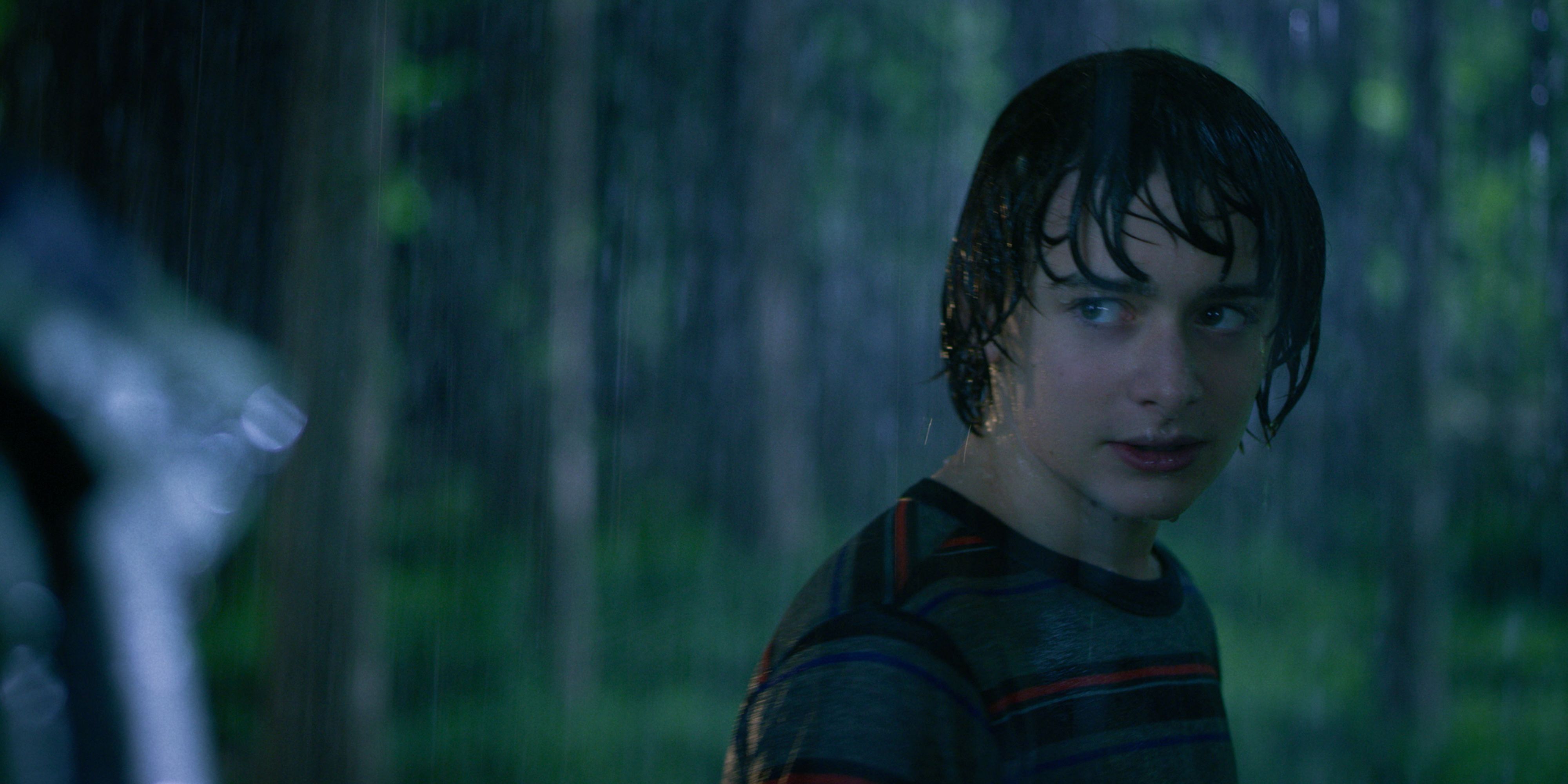
Will Byers is canonically gay in Stranger Things. Following years of fan speculation and subtle narrative cues, his sexuality was explicitly confirmed by actor Noah Schnapp in 2022. The series explores Will's struggle with his identity and his unrequited feelings for his best friend, Mike Wheeler, particularly during the emotional climax of Season 4.
The Canonical Confirmation of Will Byers’ Sexuality
For several years, the question of Will Byers’ sexuality was a central topic of discussion within the Stranger Things fandom. While the early seasons provided subtle subtext, it was not until the release of Season 4, Volume 2, that the narrative made his feelings undeniable. Following the season finale, actor Noah Schnapp confirmed the character's identity in an interview with Variety, stating, "It’s 100% clear that he is gay and he does love Mike."
This confirmation resolved years of ambiguity. The Duffer Brothers, the show’s creators, intentionally crafted a "slow burn" arc for Will. By 2026, looking back at the series as a whole, it is evident that Will’s journey was not just about surviving the Upside Down, but about surviving the internal isolation of being a closeted youth in the 1980s. The creators have noted that Will’s development was planned from the pilot episode, where early character bibles described him as a child who didn't fit the social norms of the time.
The confirmation was a significant moment for LGBTQ+ representation in mainstream media. Unlike characters whose identities are revealed in a single "coming out" scene, Will’s arc was defined by the pain of silence and the struggle to find the right words in a decade that often lacked the vocabulary for his experience.
Historical Context: Subtle Cues in Seasons 1 through 3
The foundation for Will’s identity was laid as early as the first episode of the series. In Season 1, Joyce Byers mentions to Hopper that Will’s father, Lonnie, used to use derogatory slurs against Will, claiming he was "queer" or "sensitive." While Lonnie was established as an antagonist, these comments served as the first indication that Will was perceived as "different" by those around him, even before he understood why.
As the series progressed into Season 2, Will was largely occupied by the trauma of his possession by the Mind Flayer. However, Season 3 marked a major shift in his interpersonal dynamics. While his friends—Mike, Lucas, and Dustin—became increasingly preoccupied with their romantic relationships with girls, Will remained focused on their childhood bond and playing Dungeons & Dragons.
This tension culminated in Episode 3, "The Case of the Missing Lifeguard," during a heated argument in the rain. When Will expresses frustration that their group is falling apart, Mike snaps, "It’s not my fault you don’t like girls!" This line was a pivotal moment for the audience, as it directly addressed Will’s lack of interest in heterosexual romance. While Mike meant it as a jab at Will's perceived immaturity, the look of devastation on Will's face suggested a much deeper, more painful truth.

Season 4: The Emotional Turning Point
Season 4 is widely regarded as the most explicit exploration of Will’s sexuality prior to the external confirmation by the cast. Moving to Lenora Hills, California, provided Will with a brief reprieve from the immediate threats of Hawkins but intensified his feelings of isolation.
The Painting of the Heart
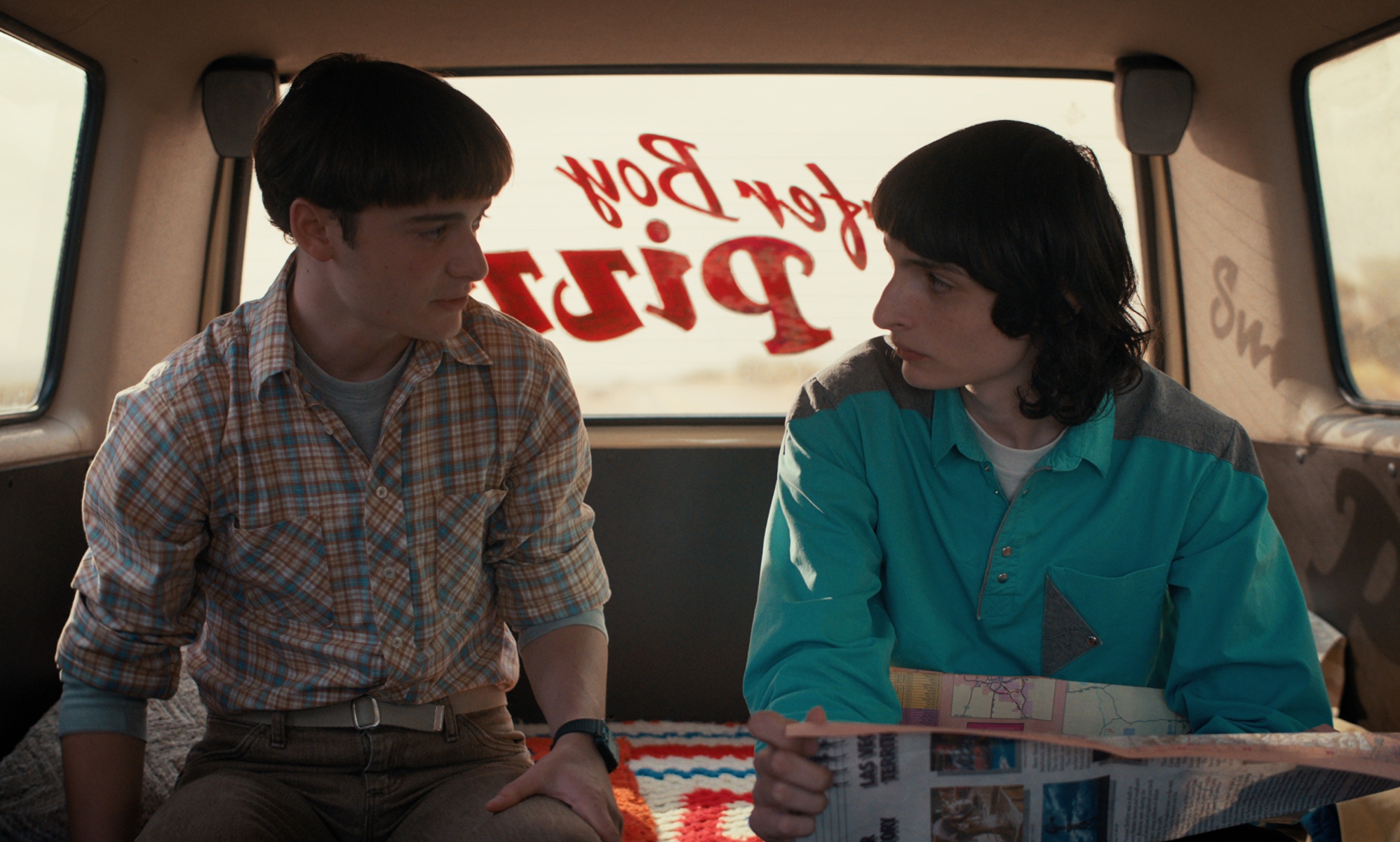
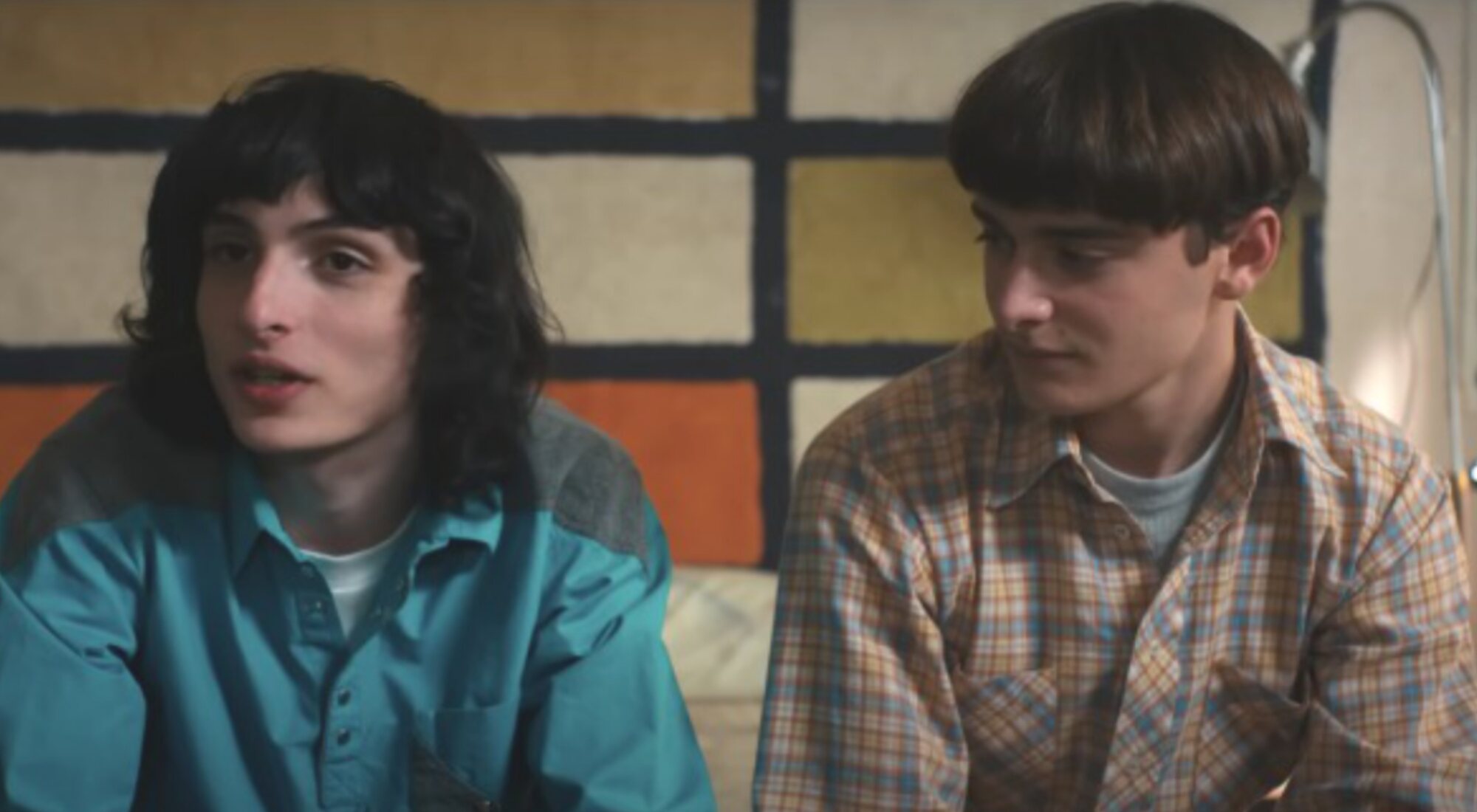
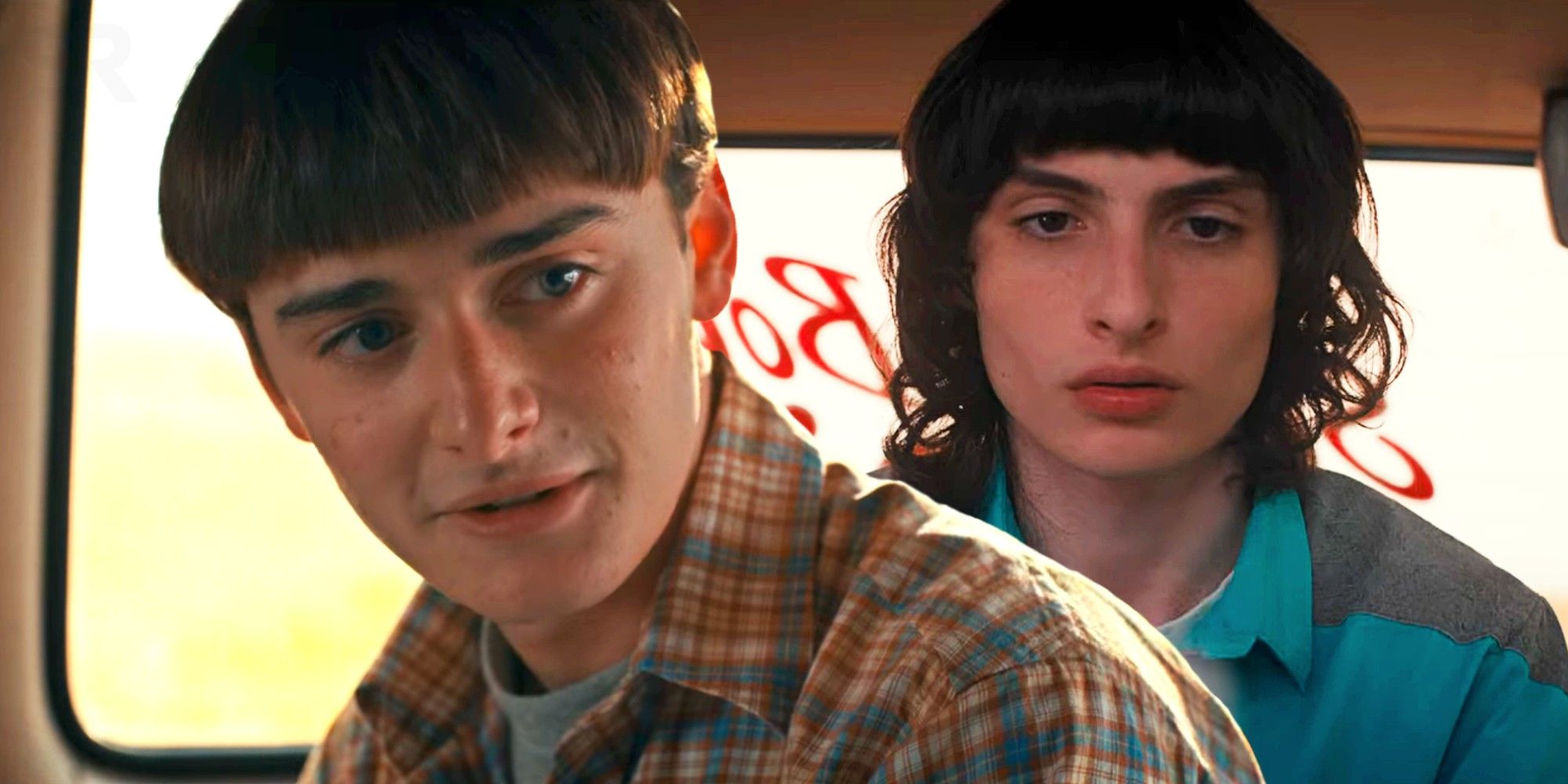
Throughout Season 4, Will is seen carrying a rolled-up painting that he refuses to show anyone, including Eleven. When he finally reveals it to Mike during their van ride to Nevada, he claims Eleven commissioned it. The painting depicts their D&D party fighting a dragon, with Mike leading the group as the "Heart." Will uses the painting as a proxy to express his own feelings, telling Mike that he is the "heart" of the group and that Eleven "needs" him. However, it is clear to the audience—and eventually to Jonathan—that Will is speaking about his own needs and his own love for Mike.
The Van Scene and the Pizza Shop Conversation
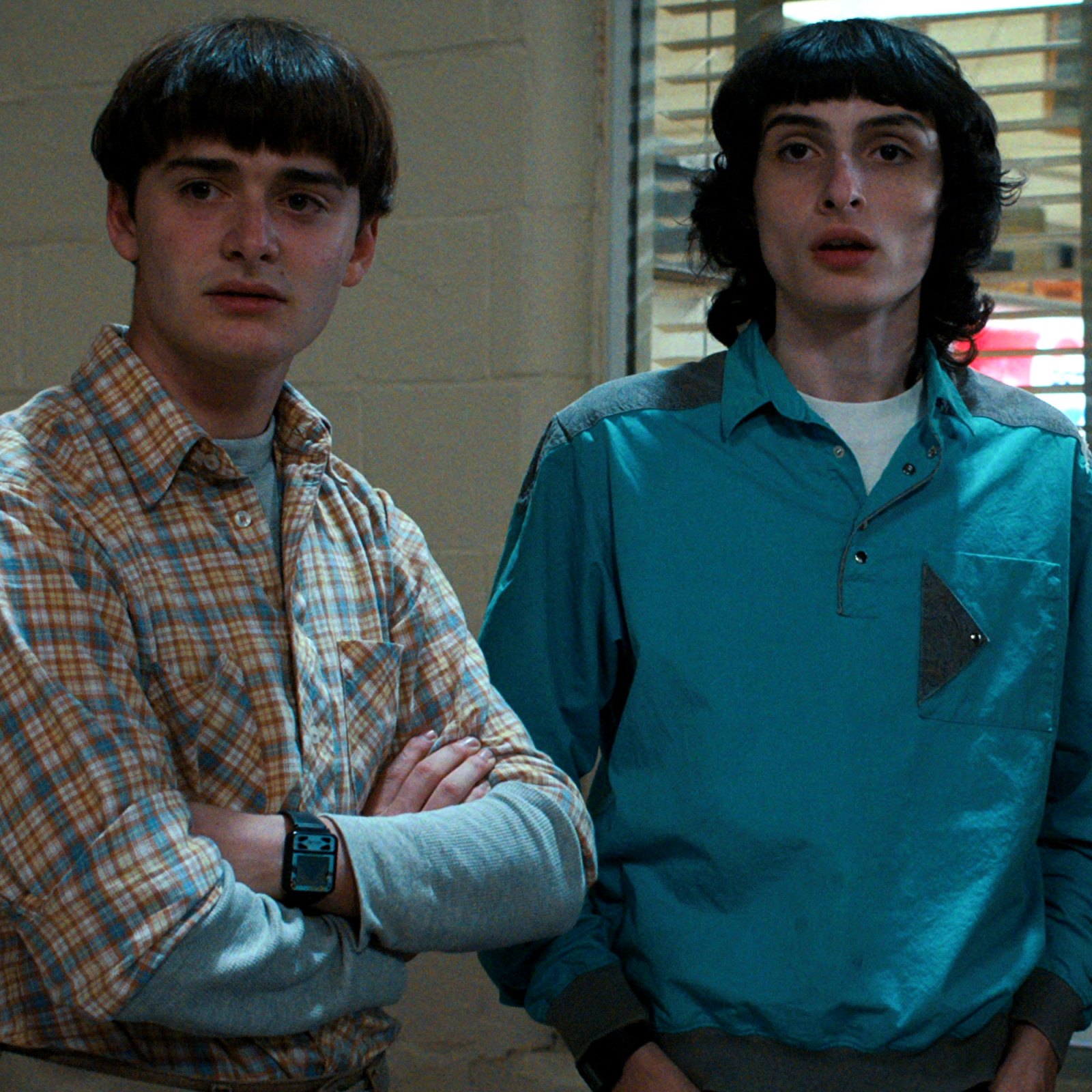
The "van scene" in Season 4, Episode 8, "Papa," is perhaps the most significant sequence in Will’s character history. As Will explains why Mike is so important, he begins to cry, turning his face away toward the window to hide his emotions. This scene served as a "soft" coming out, where the subtext became so heavy that it functioned as text.
This was followed by a poignant conversation between Will and his older brother, Jonathan, in a Surfer Boy Pizza kitchen. Jonathan, having observed Will’s distress in the van, offers a subtle but powerful message of unconditional support. He tells Will, "I don't want you to forget that I'm here. And I'll always be here. No matter what. Because you're my brother. And I love you." This moment of fraternal acceptance provided Will with the emotional safety net he desperately needed, acknowledging his identity without forcing him to say the words before he was ready.
The Significance of Will Byers as an LGBTQ+ Character
The portrayal of Will Byers is unique because of the intersection between his supernatural trauma and his personal identity. In the context of 1980s Indiana, being gay was often associated with a sense of "otherness," a theme that Stranger Things mirrors through the Upside Down.
Representation of 1980s Queer Youth
Will’s experience reflects the reality for many LGBTQ+ individuals growing up in the mid-80s. The lack of visible role models and the prevailing social stigma meant that many young people felt like "aliens" in their own towns. By making Will the "Boy Who Came Back to Life" and the one most connected to a dark, parallel dimension, the show uses the supernatural as a metaphor for the alienation of the closet.
A Subversion of Tropes
Stranger Things avoids many common tropes associated with queer characters. Will is not defined solely by his sexuality; he is a hero, a talented artist, and a survivor. His identity is presented as a fundamental part of his character, but it is integrated into a larger narrative of friendship, bravery, and family. The slow development of his arc allowed the audience to grow with him, making the eventual confirmation feel earned rather than shoehorned.
Actor and Creator Insights
The decision to keep Will’s sexuality subtextual for so long was a deliberate choice by the Duffer Brothers. They wanted the character to discover himself at a realistic pace. Noah Schnapp has been vocal about his pride in the role, noting that he appreciated how the show handled the reveal with nuance.
| Aspect | Detail |
|---|---|
| Actor | Noah Schnapp |
| Creators | The Duffer Brothers (Matt and Ross Duffer) |
| First Major Hint | Season 1, Episode 1 (Lonnie's comments) |
| Defining Moment | Season 3, Episode 3 ("It's not my fault you don't like girls") |
| Canonical Confirmation | Season 4, Episode 8 (Van scene) and July 2022 Interview |
| Core Conflict | Unrequited love for Mike Wheeler and fear of rejection |
| Support System | Jonathan Byers and Joyce Byers |
In various press tours leading up to the final season, the Duffer Brothers emphasized that Will's connection to the Upside Down and his personal journey would be the "key" to resolving the series' overarching conflict. This suggests that his identity and his emotional growth were essential components of the show’s endgame.
Impact on the Series Narrative and Conclusion
As the series reached its conclusion in the final season (viewed retrospectively from 2026), Will's identity played a crucial role in the fight against Vecna. His ability to sense the Mind Flayer and his vulnerability became his greatest strengths. The resolution of his feelings for Mike allowed him to step out of the shadows of his own fear.
The narrative arc of Will Byers provides a blueprint for how to handle sensitive character development in a high-stakes genre show. It emphasizes that personal stakes—such as the fear of not being accepted by those you love—are just as compelling as the threat of an interdimensional monster.
Frequently Asked Questions
Did Will Byers come out to Mike?
As of the conclusion of Season 4, Will has not explicitly told Mike "I am gay." Instead, he used a painting and a metaphor about Eleven's feelings to convey his own love for Mike. While the audience and Jonathan understand the truth, Mike’s reaction suggests he may not have fully grasped the romantic nature of Will's confession yet, maintaining the tension of their friendship.
When did the creators decide Will was gay?
The Duffer Brothers have stated that they had a plan for every character from the beginning. In the original "pitch book" for the series (then titled Montauk), Will was described as having "identity issues" and not fitting the traditional masculine archetypes of the 1980s. The trajectory was always intended, though it was paced to match the characters' aging process.
How does Noah Schnapp feel about playing a gay character?
Noah Schnapp has expressed significant enthusiasm for the role. In interviews, he has mentioned that he finds it "beautiful" that the show took its time with the reveal and that he has received a positive response from fans who see themselves in Will’s struggle for self-acceptance.
Is there a "coming out" scene in Season 5?
Without spoiling specific plot points for those catching up, Season 5 continues to address Will’s growth. The focus remains on his emotional honesty and his bond with his family and friends, ensuring that his identity is a source of strength in the final battle for Hawkins.
Does Will have a boyfriend in the series?
Throughout the original run of the show, Will’s primary romantic focus is his unrequited love for Mike. The series prioritizes his journey toward self-love and acceptance over a traditional romantic pairing, reflecting the difficult reality of being a queer teenager in a small town in the 1980s.
Practical Recommendations for Fans and Analysts
For those interested in exploring Will Byers’ character arc more deeply, it is recommended to re-watch the series with a focus on his interactions with Mike and Jonathan. Paying close attention to the cinematography—especially how Will is often framed on the periphery of the group—offers visual insight into his feelings of isolation.
Furthermore, reading the Variety interview with Noah Schnapp from July 2022 provides the definitive external context for the character's development. For educators or media analysts, Will Byers serves as an excellent case study in how "queer coding" can transition into "queer canon" through thoughtful writing and performance.
Image Gallery
Select an image to open it in a new tab.



Lars Thomsen
Global Labor Markets and Economic Strategy Editor
