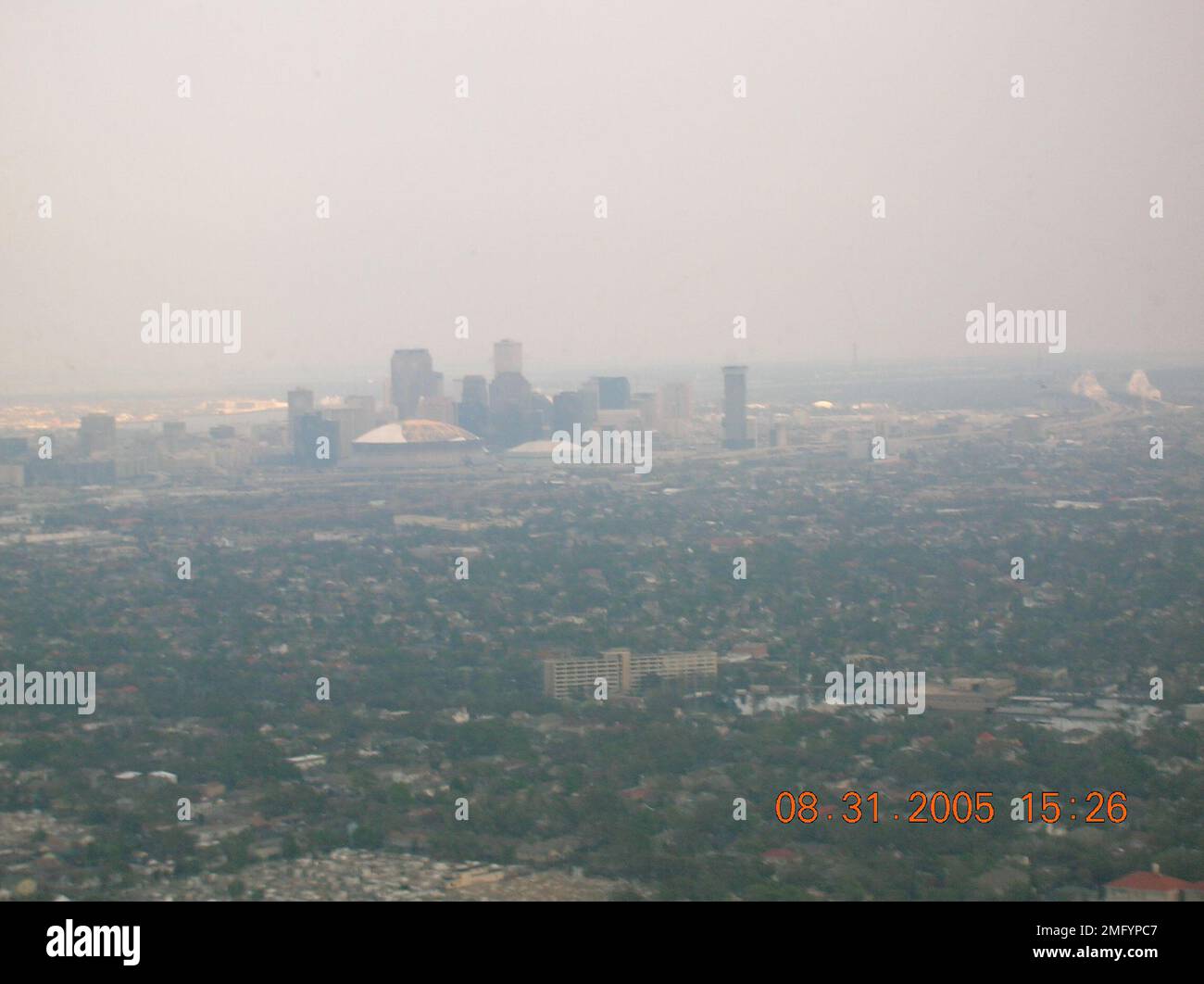
Baton Rouge was profoundly affected by Hurricane Katrina in 2005, serving as the primary hub for emergency operations, medical care, and mass displacement. While the city did not suffer the catastrophic levee failures and subsequent flooding that devastated New Orleans, it experienced an unprecedented population surge, critical infrastructure strain, and a permanent shift in its economic and social landscape.
The Role of Baton Rouge as a Strategic Hub
When Hurricane Katrina made landfall on August 29, 2005, the geographical location of Baton Rouge positioned it as the primary safety net for the displaced populations of Southeast Louisiana. Located approximately 80 miles northwest of New Orleans, Baton Rouge was far enough inland to avoid the storm surge that breached the coastal defenses. However, the city was immediately designated as the central command center for both state and federal response efforts.
The Louisiana State Capitol and the Governor’s Mansion became the nerve centers for the emergency response. State officials, including then-Governor Kathleen Blanco, coordinated the movement of tens of thousands of evacuees into the Baton Rouge area. This administrative burden was immediate; as communication lines in New Orleans collapsed, Baton Rouge became the de facto capital for information dissemination, logistical planning, and disaster recovery coordination.
The Immediate Social and Logistical Impact
The most visible impact on Baton Rouge was the sudden and massive influx of evacuees. Within weeks of the storm, the population of the Baton Rouge metropolitan area increased by an estimated 200,000 to 250,000 people. This represented an increase of nearly 30% of the city’s population almost overnight.
Infrastructure across the city—ranging from roads and utilities to hospitals and schools—was not designed to support such a rapid expansion. Traffic congestion became a chronic issue, as the city’s arterial roads were overwhelmed by vehicles, supply trucks, and emergency convoys. The housing market faced an immediate crisis; short-term rentals, hotels, and available apartments were exhausted within days, leading to the establishment of "Tent Cities" and the widespread use of FEMA trailers, which became a long-term fixture in the local geography.
Impact on Public Services and Infrastructure
The strain on public services during the post-Katrina period transformed the daily operations of city government. The following table highlights the primary sectors affected by the population surge and the nature of the stress placed on these systems:
| Sector | Nature of Impact | Resulting Challenge |
|---|---|---|
| Healthcare | Overcrowded ERs and clinics | Staff burnout and supply shortages |
| Education | Massive enrollment spikes | Classroom overcrowding and resource dilution |
| Housing | Extreme depletion of inventory | Rental price spikes and property speculation |
| Utilities | Unprecedented demand on grids | Increased frequency of localized power outages |
| Law Enforcement | Higher crime rates and call volumes | Need for increased patrols and inter-agency coordination |
The Healthcare Crisis
Baton Rouge’s medical infrastructure was perhaps the most critically strained. With major hospitals in New Orleans either destroyed or non-functional, the burden of critical care for the state shifted to Baton Rouge’s facilities, such as Our Lady of the Lake and the Baton Rouge General. These facilities were forced to absorb thousands of patients with chronic health conditions who had lost their primary doctors and pharmacies. The demand for emergency services surged, often resulting in wait times that stretched for hours or days, fundamentally altering the delivery of healthcare in the region for years to follow.
Education and School Systems
The East Baton Rouge Parish School System experienced an immediate, massive influx of students. Schools had to reorganize classrooms, hire additional staff on an emergency basis, and reconfigure transportation routes to accommodate thousands of children displaced from New Orleans and St. Bernard Parish. This transition was marked by significant social and emotional challenges, as students arrived with trauma and, in many cases, incomplete academic records. The integration of these students required long-term adjustments to curricula and support services that lasted well beyond the immediate disaster relief phase.
Economic Shifts and Real Estate Dynamics
The post-Katrina environment triggered a significant shift in the local economy. In the short term, the city experienced a "disaster boom." Construction companies, logistics providers, and hospitality services saw unprecedented demand. However, this growth was accompanied by high inflation in the cost of living. Rental housing, in particular, saw its value skyrocket, which displaced many low-income residents of Baton Rouge who were already struggling before the influx of new arrivals.
As the years passed, some of this economic activity stabilized, but the demographic makeup of the city had permanently changed. Many individuals who arrived as evacuees chose to settle in Baton Rouge permanently, drawn by the employment opportunities that followed the rebuilding of the broader Louisiana region. This created a lasting expansion of the city’s tax base but also increased the long-term demand for urban planning, new housing developments, and public transit improvements.
Long-Term Developmental and Environmental Consequences
The "Katrina Effect" on Baton Rouge extended to how the city approached urban development and disaster planning. The reliance on the city as a regional hub exposed the vulnerabilities in its own civil engineering and utility networks. The city had to accelerate its capital improvement plans, focusing on water management, sewage capacity, and grid resiliency.
Environmental concerns also rose to the forefront. The clearing of land to accommodate the rapid influx of temporary and permanent housing led to concerns regarding the loss of wetlands and the potential for increased localized flooding. Consequently, post-2005 zoning laws and building codes were updated to reflect the reality that Baton Rouge could no longer be viewed solely as a "safe zone" from storms, but as a critical node in the state’s emergency management chain that required higher levels of systemic robustnes.
Frequently Asked Questions
1. Was Baton Rouge physically damaged by Hurricane Katrina’s winds? Yes. While the city did not face the catastrophic flooding of New Orleans, it did experience significant wind damage. Many mature trees were downed, causing power outages that lasted for several days or, in some neighborhoods, weeks. Structural damage to roofs and siding was widespread across the parish, though it was not as widespread or severe as the devastation found closer to the coast.
2. Why was Baton Rouge chosen as the main center for relief operations? Baton Rouge was chosen due to its proximity to New Orleans, its status as the state capital, and its existing infrastructure. As the highest-elevation major metropolitan area in the region, it was less susceptible to the storm surge that decimated the coastal parishes. It possessed the necessary hotel capacity, government office space, and airport infrastructure to manage a state-wide emergency response.
3. Did the population of Baton Rouge permanently increase due to the storm? Yes. The surge of residents in 2005 led to a demographic shift. Many displaced families found employment and established roots in Baton Rouge, choosing to remain in the city after the immediate crisis subsided. This contributed to a sustained period of population growth in the late 2000s and early 2010s.
4. How long did it take for Baton Rouge to return to "normal" after the storm? The term "normal" is relative. The immediate strain on infrastructure and public services lasted for several years. The social fabric of the city experienced a permanent shift, and many of the emergency policies put in place during that time were eventually integrated into the city's standard operating procedures. The "new normal" involved a larger city with greater logistical and social responsibilities.
Recommendation for Further Research
For those interested in the specific administrative decisions made during the disaster, the official records of the Louisiana Department of Health and the Governor’s Office of Homeland Security and Emergency Preparedness (GOHSEP) provide the most accurate account of the logistical challenges. These documents serve as primary sources for understanding how the state managed the transition from emergency response to long-term recovery and how these measures shaped the current infrastructure of Baton Rouge in 2026.
Image Gallery
Select an image to open it in a new tab.
Declan O'Connor
Higher Education and Campus Culture Reporter
