Why Auto Insurance Rates in the US Vary for Students: Key Drivers and Savings Strategies

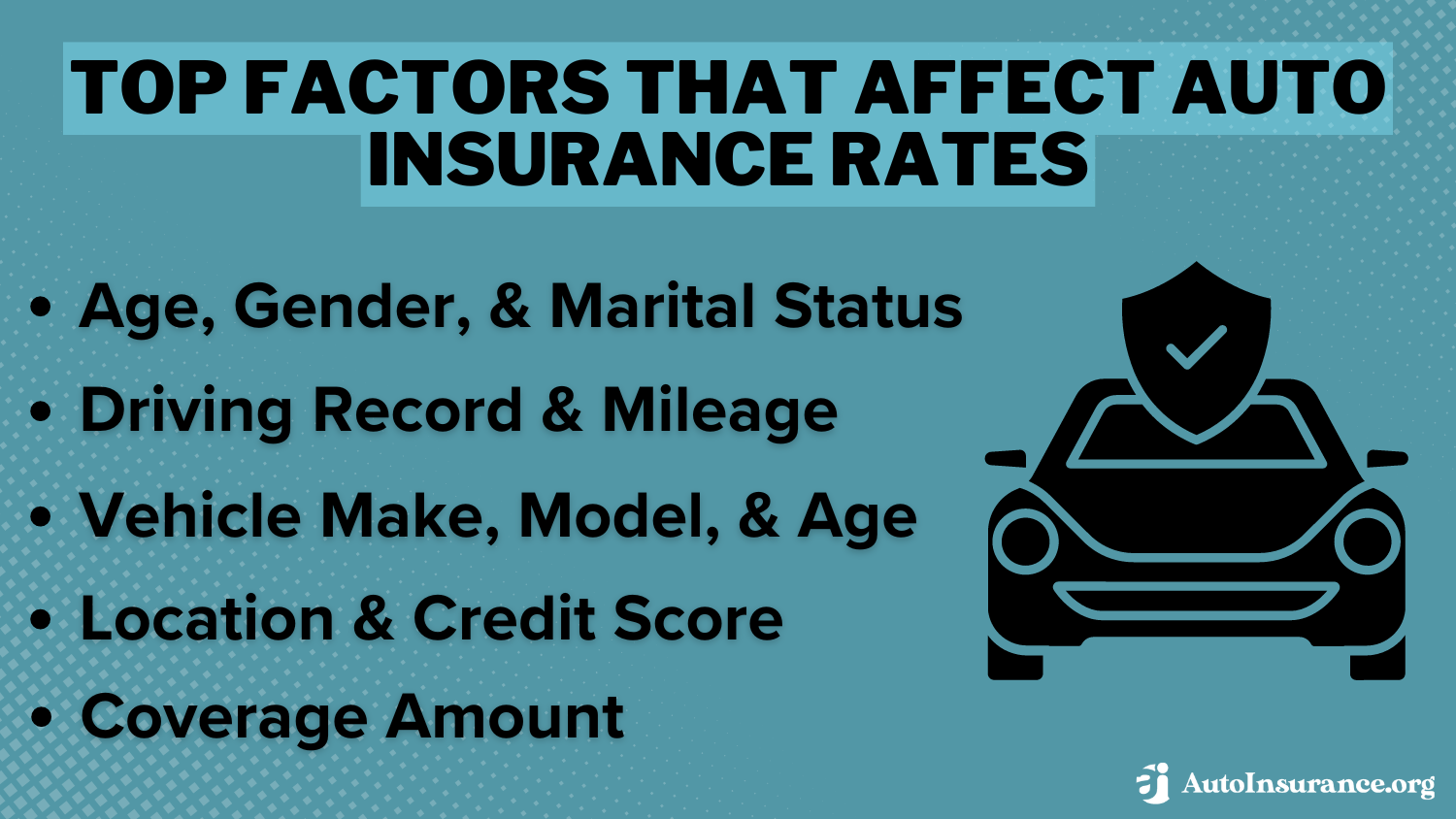
Auto insurance rates in the United States vary for students due to a combination of actuarial risk profiles, geographic locations, academic performance, vehicle selection, and policy structures. Insurance companies analyze historical crash data for drivers aged 16 to 24, adjusting rates based on individual risk factors such as credit history, mileage, state insurance mandates, and available policy discounts.
Disclaimer: This guide is provided for informational purposes only and does not constitute formal financial, legal, or insurance advice. Policy options, coverage requirements, and discount availability vary by carrier and state jurisdiction. Consult a licensed insurance agent or broker to evaluate specific coverage needs.
The Actuarial Science Behind Student Driver Rates
Insurance underwriting relies fundamentally on probability and loss forecasting. Insurance carriers establish baseline premiums by assessing how likely a specific demographic group is to file a claim and calculating the potential cost of that claim. Historically and statistically, drivers between the ages of 16 and 24 represent the highest-risk demographic on American roads.
According to data compiled by the Insurance Institute for Highway Safety (IIHS), teen drivers have a fatal crash rate per mile driven that is nearly three times higher than that of drivers aged 20 and older. This elevated risk is driven by several factors:
- Inexperience behind the wheel: Teenagers and young adults have fewer hours of real-world driving experience, making them less adept at recognizing hazards, managing unexpected road conditions, or reacting appropriately in critical moments.
- Risk-taking behaviors: Statistical studies from the National Highway Traffic Safety Administration (NHTSA) indicate that younger drivers are more prone to speeding, tailgating, cell phone distraction, and driving with multiple young passengers, all of which dramatically increase collision risk.
- Lack of historical underwriting data: Older adults usually have decades of driving records, past claims history, and established credit profiles. High school and college students lack this extensive paper trail, prompting underwriters to price policies conservatively to offset potential risk.
Because underwriters cannot predict exactly how an individual student will drive, they rely on group statistics. As a result, even an exceptionally responsible 18-year-old student with a clean driving record pays significantly higher base rates than a 35-year-old with a comparable driving history.
Geographic and Location-Based Pricing Factors
Where a student lives and where their vehicle is garaged play a central role in determining auto insurance costs. Geographic pricing variations occur at both the state level and the local ZIP code level.
| State-Level Rules | Local ZIP Code Risk |
|---|---|
| • Minimum coverage requirements | • Traffic & congestion density |
| • Tort vs. No-Fault legal system | • Campus vandalism/theft rates |
| • State rating factor prohibitions | • Parking layout & weather exposure |
State-Level Legal Frameworks
Each of the 50 states establishes its own legal framework for private passenger auto insurance. State regulations dictate:
- Minimum Liability Requirements: States require varying levels of Bodily Injury and Property Damage liability limits. A student living in a state with low minimums (e.g., Florida's $10,000 Property Damage minimum) faces different base costs than one in a state requiring higher liability limits and mandatory uninsured motorist coverage.
- Tort vs. No-Fault Systems: In "No-Fault" states (such as Michigan, New York, and Florida), drivers must carry Personal Injury Protection (PIP) to cover their own medical expenses regardless of who caused an accident. PIP coverage significantly increases baseline rates for younger drivers because medical claims for serious injuries can be exceptionally costly.
- Regulatory Rate Oversight: State insurance commissioners regulate how insurance rates are calculated and approved. Some states enforce strict rating rules that limit how much age or location can impact a premium, whereas other states permit broader carrier pricing discretion.
Local ZIP Code and Campus Environment Risks
Even within the same state, moving a vehicle a few miles from a suburban household to a university campus can cause premiums to fluctuate dramatically. Carriers assess localized risk factors, including:
- Population and Traffic Density: University towns and urban campuses feature heavy vehicle congestion, frequent pedestrian traffic, and dense intersections. Higher traffic density directly correlates with a higher frequency of low-speed collisions and fender benders.
- Crime and Vandalism Rates: Comprehensive insurance covers non-collision losses, such as vehicle theft, break-ins, and vandalism. On-campus street parking or open dorm lots present statistically higher exposure to theft and property damage than private suburban driveways.
- Garaging Address: Insurance policies require policyholders to report where the vehicle is parked overnight standardly. If a student moves from a rural home address to an urban dorm address, the carrier adjusts the garaging ZIP code, which directly changes the premium.

Policy Structure: Parent Policies vs. Standalone Coverage
One of the largest determinants of what a student pays for vehicle coverage is how the policy is structured. Families generally choose between adding the student to an existing household policy or purchasing an independent, standalone policy for the student.
| Student on Parent Policy | Standalone Student Policy |
|---|---|
| • Beneficiary of multi-car deal | • No shared policy discounts |
| • Leverage parent credit history | • Priced solely on young driver's risk profile |
| • Lower overall out-of-pocket | • Higher base premiums |
| • Risk of parent premium spikes | • Protects parent liability exposure |
Listing a Student on a Parent Policy
In almost every scenario, keeping a high school or college student on a parent's multi-vehicle policy is far more cost-effective than buying separate coverage. Combined policies benefit from:
- Multi-Car and Multi-Policy Discounts: Insurance companies offer significant discounts when multiple vehicles or home and auto policies are bundled together.
- Shared Credit and Tenure Benefits: Parents often hold established credit histories and long tenure with an insurer, earning loyalty discounts that lower the overall policy cost, partially offsetting the student's high risk profile.
- Resident Relative Status: Students who live at home or attend college full-time while keeping their primary address at their parents' house usually qualify as resident relatives, allowing them to remain on the family policy.
Independent (Standalone) Policies
If a student buys a vehicle titled solely in their own name, moves out permanently, or establishes legal independence, insurers generally require them to secure an individual auto insurance policy. Standalone policies for drivers under 24 are notoriously expensive because the policy lacks the offsetting stability of older, lower-risk drivers and bundled discounts. A standalone policy for a 19-year-old driver can cost between 50% and 100% more than adding that same driver to a family policy.
Student-Specific Discounts and Premium Modifiers
Insurers use specialized discounts to reward low-risk behavior among younger drivers. Leveraging these discounts can significantly cushion the cost of coverage.
1. Good Student Discount
The Good Student Discount is one of the most effective tools for reducing auto premiums for drivers aged 16 to 24. Insurance underwriters have identified a clear statistical correlation: students who demonstrate academic discipline tend to display greater caution and responsibility behind the wheel.
- Eligibility Criteria: Most carriers require the student to be enrolled full-time in high school or college and maintain a cumulative grade point average (GPA) of 3.0 ("B" average) or higher, or rank in the top 20% of their class, or make the Dean's List.
- Potential Savings: This discount typically reduces liability and collision premiums by 10% to 25%.
- Verification: Carriers usually require proof of academic performance once or twice a year via an official transcript, report card, or signed letter from the school administrator.
2. Student Away at School Discount
For college students who attend a university located far from home and choose not to bring a car to campus, insurers offer the Student Away at School (or resident student) discount.
- Eligibility Criteria: The university is typically required to be located at least 100 miles away from the primary home address. The student must remain listed as a driver on the family policy but leave the primary vehicle garaged at the parents' home.
- Mechanism: Because the student only drives the vehicle during school breaks and holidays, their exposure to driving risk drops substantially throughout the academic year.
- Potential Savings: This adjustment can yield savings of 15% to 30% on the student's portion of the policy while ensuring they remain continuously insured when visiting home.
3. Driver Training and Defensive Driving Courses
Completing an accredited driver education program or a state-approved defensive driving course helps reduce rates for young drivers. These courses reinforce hazard recognition, defensive lane positioning, and safe distance management. Many states legally require insurers to offer premium discounts to drivers who complete approved driver safety courses.
4. Telematics and Usage-Based Insurance (UBI)
Telematics programs monitor real-world driving habits through a mobile app or an On-Board Diagnostics (OBD-II) vehicle device. Telematics programs measure specific metrics:
| Tracked Behavior | Underwriting Impact |
|---|---|
| Hard Braking & Accel | Evaluates vehicle control and safe stopping distance |
| Time of Day Driven | Identifies high-risk late-night driving (12 AM–4 AM) |
| Total Mileage Driven | Measures raw road exposure and crash probability |
| Speeding Thresholds | Assesses adherence to posted speed limits |
| Phone Distraction | Tracks screen interaction while vehicle is moving |
For students who drive infrequently, avoid late-night road trips, and drive defensively, telematics programs can unlock immediate participation discounts (often 5% to 10%) and policy renewal savings up to 30%. However, aggressive driving habits recorded by telematics devices can result in rate increases with certain carriers.
Vehicle Selection and Coverage Choices
The physical characteristics of the vehicle driven by a student dramatically influence the policy premium. Insurers evaluate the make, model, year, safety ratings, and replacement costs of any insured vehicle.
Vehicle Characteristics That Influence Pricing
- Safety Ratings and Features: Vehicles equipped with modern Advanced Driver Assistance Systems (ADAS)—such as automatic emergency braking, lane-keeping assist, and blind-spot monitoring—earn lower liability and collision rates due to lower crash severity. Organizations like the IIHS regularly publish crash-test ratings that directly influence carrier risk models.
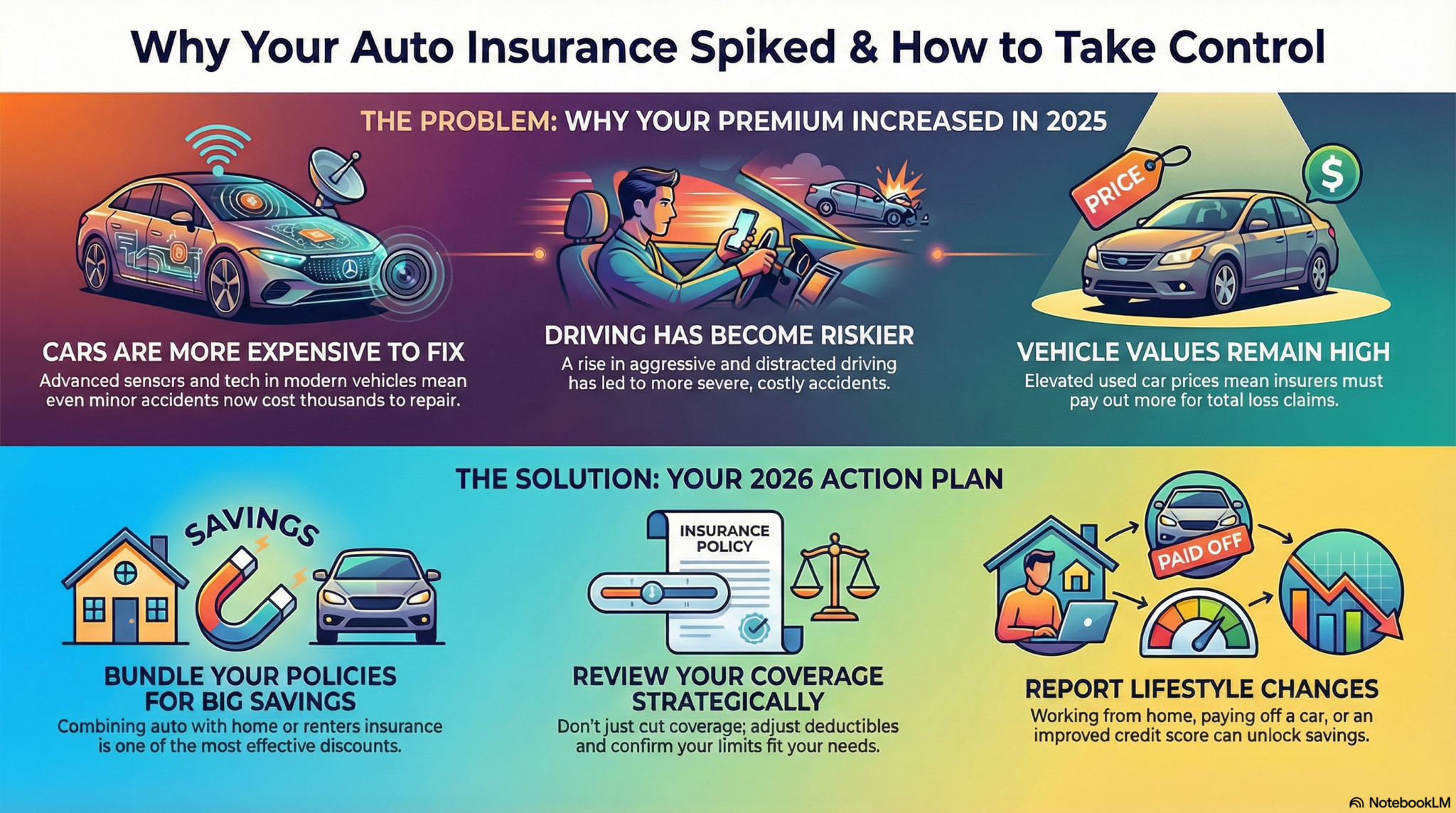
- Repair Costs and Parts Availability: Luxury sedans, imported sports cars, and EV models require specialized repairs and expensive OEM parts. If a young driver collides with an object or another car, fixing an expensive vehicle costs the insurer substantially more, raising the collision coverage price.
- Horsepower and Vehicle Type: High-performance sports cars invite faster driving and carry statistically higher crash rates among young drivers. Conversely, modern compact SUVs, midsize sedans, and minivans carry lower statistical risk and are far cheaper to insure.
- Vehicle Age and Value: An older vehicle with a low market value may not warrant physical damage coverage (Collision and Comprehensive), allowing owners to carry liability-only coverage to cut costs.
Balancing Coverage Types and Deductibles
Selecting the right policy structure involves weighing risk exposure against monthly expense:
| Coverage Type | What It Protects | Mandatory or Optional |
|---|---|---|
| Bodily Injury Liability | Injuries caused to OTHER drivers or pedestrians in an accident | Mandatory in almost all states |
| Property Damage Liability | Damage caused to OTHER vehicles or physical property | Mandatory in almost all states |
| Comprehensive Coverage | Theft, vandalism, animal strikes, weather damage, falling objects | Mandatory if vehicle is financed/leased |
| Collision Coverage | Damage to YOUR car from a crash with another vehicle or object | Mandatory if vehicle is financed/leased |
| Personal Injury Protection (PIP) | Medical costs for YOU and YOUR passengers regardless of fault | Mandatory in No-Fault states |
Increasing collision and comprehensive deductibles—for instance, raising a deductible from $500 to $1,000—reduces the policy's recurring cost. However, families must ensure they have emergency funds available to cover that higher out-of-pocket expense if an accident occurs.
State Regulatory Differences and Credit-Based Scoring Rules
The regulatory landscape varies considerably from state to state, impacting how insurers price policies for young adults.
Credit-Based Insurance Scores
In most states, insurance companies use credit-based insurance scores to help predict policy risk. Actuarial statistics show a strong correlation between credit stability and claim frequency. Because high school and young college students rarely have established credit histories, neutral or missing credit scores can result in higher base rates.
However, several states restrict or ban the use of credit scores in auto insurance rating models to promote consumer fairness. For example:
- California, Hawaii, and Massachusetts completely prohibit insurers from using credit history to set private passenger auto rates.
- Michigan prohibits the use of credit scores directly, allowing only specific credit-tier metrics under strict statutory guidelines.
In states where credit scoring is allowed, students who build positive credit early through responsible credit card use or student loans can see their insurance pricing improve as their score matures.
Gender-Based Rating Prohibitions
Historically, young male drivers paid substantially higher insurance premiums than young female drivers due to data showing young men were involved in more severe high-speed accidents. While this pricing differential remains standard in most of the country, several states have banned gender as a rating factor in auto insurance underwriting:
- States prohibiting gender-based auto rates include: California, Hawaii, Massachusetts, Michigan, North Carolina, and Pennsylvania.
In these states, male and female students with identical driving histories, vehicles, and garaging locations receive identical base premium quotes.
Comprehensive Comparison: Student Insurance Rate Factors
The following table summarizes the primary factors causing auto insurance rate variances for students, along with their relative impact on premiums and key considerations for policyholders:
| Factor | Primary Driver of Variance | Typical Premium Impact | Key Considerations & Requirements |
|---|---|---|---|
| Driver Age & Experience | Actuarial crash statistics for ages 16–24 | High increase (+50% to +150% over adult baseline) | Rates naturally decline as the driver reaches age 21 and 25, provided a clean driving record is maintained. |
| Policy Structure | Standalone policy vs. listed on parent policy | Moderate to High saving (-30% to -50% on family plan) | Vehicles titled in the student's name often cannot remain on a parent policy; title structure must match policy rules. |
| Good Student Discount | Verified academic record (GPA 3.0+ / B average) | Moderate savings (-10% to -25%) | Requires periodic submission of official transcripts or report cards; applicable through undergraduate study. |
| Garaging Location | ZIP code, campus environment, urban traffic density | Moderate to High variance (±20% to ±60%) | Moving from home to a dense urban campus increases rates; failing to report address changes risks claim denials. |
| Student Away at School | College location >100 miles away without a car | Significant savings (-15% to -30%) | Vehicle stays at parent residence; student remains fully covered during visits, holidays, and summer breaks. |
| Vehicle Type & Safety | Vehicle value, repair costs, ADAS safety features | Moderate to High variance (±25% to ±50%) | High-horsepower sports cars spike premiums; modest midsize sedans and compact crossovers are far cheaper to insure. |
| Telematics / UBI Use | Real-time driving metrics (speed, braking, time) | Moderate savings or potential increase (-10% to -30%) | Best suited for cautious drivers with low annual mileage and limited late-night driving exposure. |
| State Insurance Laws | Credit bans, gender rating rules, PIP mandates | High jurisdictional variance | State-mandated PIP and tort laws heavily influence baseline costs regardless of individual student driving behavior. |
Common Pitfalls and Expensive Mistakes
When managing student auto insurance, families often make avoidable errors that result in dropped coverage, unpaid claims, or inflated premiums.
1. Failing to Update the Garaging Address
When a student takes a vehicle to college, parents often forget to update the garaging address with their insurance company, leaving the home address on the policy. If the student gets into an accident near their campus, the insurance company's underwriting department will investigate where the vehicle was routinely parked. Intentionally misrepresenting a vehicle's primary location to get lower premiums constitutes insurance fraud and can lead to immediate claim denial and policy cancellation.
2. Removing a Student Entirely from Coverage
Some parents remove their college student from their auto insurance policy completely while the student is away at school to eliminate their premium cost. This approach carries severe risks:
- Coverage Gaps: If the student comes home during a weekend or break and drives the family car, they will be driving uninsured.
- Lapse in Insurance History: Insurance companies view continuous coverage as a key rating factor. Creating a gap in a young driver's coverage history will lead to significantly higher rates when they eventually apply for insurance in the future.
- Uninsured Driver Risks away at School: If the student drives a friend's car at college or is struck as a pedestrian, lacking non-owner or resident-relative coverage leaves them vulnerable to unpaid medical liabilities.
3. Purchasing Inadequate Liability Limits
To cut costs, families often drop liability coverage down to state legal minimums. State minimums (such as 15/30/10 limits in some states) are often grossly inadequate in serious accidents involving multiple modern vehicles or significant medical injuries. If a young driver is found at fault in a major crash, damage and medical expenses exceeding policy limits can result in legal judgments and long-term wage garnishments against the driver and vehicle owner.
Practical Action Plan to Reduce Student Premiums
To optimize auto insurance coverage and secure the lowest possible rates without compromising financial protection, follow this step-by-step strategy:
Step 1: Standardize Policy Structure
- Keep student listed on parent policy whenever legally permissible.
Step 2: Select a Sensible Vehicle
- Choose reliable, top IIHS safety-rated, 4-cylinder vehicles with low repair costs.
Step 3: Bundle and Stack Available Discounts
- Submit transcripts for Good Student Discounts (3.0+ GPA).
- Apply Away-at-School discount if college is >100 miles away without a car.
- Complete accredited driver education or defensive driving programs.
Step 4: Evaluate Telematics & Usage-Based Options
- Enroll in carrier UBI tracking programs if driving habits are low-risk.
Step 5: Adjust Coverage and Deductibles Wisely
- Raise collision/comprehensive deductibles to $1,000 while keeping high liability.
Step 6: Perform Annual Policy Reviews
- Re-evaluate rates annually and shop quotes across major standard carriers.
Frequently Asked Questions
Why is auto insurance so much more expensive for drivers under 25?
Auto insurance is priced based on actuarial statistics, which show that drivers under 25 have a significantly higher rate of motor vehicle crashes, traffic violations, and costly insurance claims. Less driving experience and a higher frequency of risky driving behaviors make this demographic more expensive for insurance carriers to cover.
Does a college student's GPA really affect car insurance rates?
Yes. Most major insurance companies offer a Good Student Discount for full-time high school and college students who maintain a 3.0 GPA ("B" average) or higher. Insurers offer this discount because historical data shows that students who exhibit academic discipline are statistically less likely to file insurance claims.
What happens to insurance rates if a student leaves their car at home while attending college?
If a student attends college at least 100 miles away from home and leaves their car garaged at their parents' house, the policy may qualify for a "Student Away at School" discount. This lowers the premium significantly because the student's driving exposure drops, while keeping them continuously insured when they visit home and drive the family vehicle.
Is it cheaper to put a student on their own separate car insurance policy?
In almost all cases, no. Purchasing a standalone policy for a student is far more expensive than adding them to an existing family policy. Family policies leverage multi-car discounts, multi-policy bundling, and the established credit and driving histories of older adults.
Do insurance rates automatically drop when a student turns 21 or 25?
Rates do not drop instantly on a birthday, but they generally decrease upon the policy renewal following key age milestones—provided the driver maintains a clean driving record free of moving violations and at-fault accidents. The largest rate reduction typically occurs at age 25, when a driver exits the highest-risk actuarial bracket.
Final Recommendation: Balancing Cost and Protection
Auto insurance rates for US students vary widely because insurance companies calculate premiums based on individual, localized risk factors rather than a single fixed rate. Age, campus garaging location, vehicle performance, policy structure, and academic standing all heavily influence what a family pays each month.
To achieve the best balance of coverage and affordability:
- Maintain coverage on a parent policy for as long as legally permitted.
- Prioritize vehicle choices that feature top safety equipment and low repair costs rather than high engine performance.
- Proactively submit transcripts and training certificates to maximize academic and driver safety discounts.
- Consult a licensed insurance agent annually to review garaging addresses, adjust deductibles, and verify that all eligible student discounts are actively applied to your policy.
Image Gallery
Select an image to open it in a new tab.



Omar Farooq
EdTech Innovation and Virtual Pedagogy Journalist
