
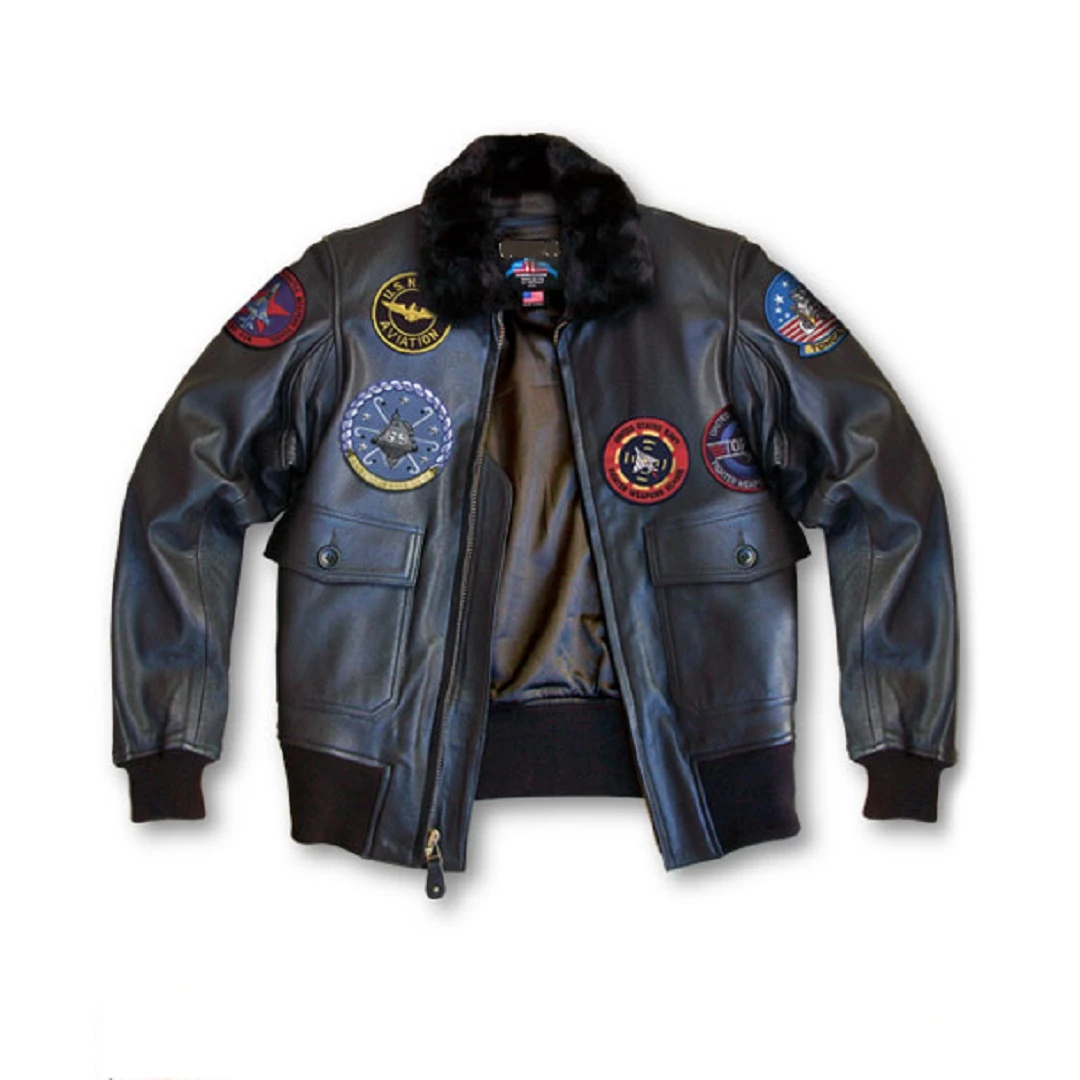
A high-quality bomber jacket is defined by the caliber of its outer shell materials—such as full-grain leather or high-density flight nylon—the precision of its construction, and the durability of its hardware. Superior jackets feature reinforced stitching, heavy-duty metal zippers, and high-quality ribbing that retains its shape over years of use.
The bomber jacket, or flight jacket, has transitioned from a functional piece of military equipment to a permanent staple of global fashion. While the silhouette remains iconic, the gap between a mass-produced "fast fashion" piece and a premium garment is vast. In 2026, as consumers increasingly prioritize "cost-per-wear" and garment longevity, understanding the technical specifications of a high-quality bomber jacket is essential for making a sound investment.
The Outer Shell: Material Integrity and Grade
The most immediate indicator of quality is the shell. Depending on the style—whether it is a classic A-2 leather flight jacket or a modern MA-1 nylon variant—the material must meet specific technical thresholds.
Leather Quality and Tanning Processes
If you are looking for a leather bomber, the grade of the hide is paramount. High-quality jackets almost exclusively use full-grain leather. This is the topmost layer of the hide, which has not been sanded or buffed to remove imperfections. It remains breathable and develops a unique patina over time.
In contrast, lower-quality jackets use "genuine leather" or "corrected grain" leather. These are often split-hide layers that have been heavily processed and coated with plastic-like finishes to hide flaws. These materials do not age well; they tend to crack and peel within a few seasons.
Furthermore, consider the tanning method. Vegetable-tanned leather is the gold standard for heritage-quality bombers. It uses natural tannins from bark and leaves, resulting in a firm, durable leather that smells natural and lasts decades. While chrome-tanned leather is more common and offers a softer "out-of-the-box" feel, it often lacks the structural integrity and environmental credentials of vegetable-tanned alternatives.
High-Performance Synthetics and Nylon
For the iconic MA-1 style, the quality of the nylon determines the jacket's weather resistance and drape. A high-quality bomber uses heavy-weight flight nylon or high-density nylon twill (often 100% Nylon 6-6). This material should have a distinct sheen and a "crunchy" or substantial hand-feel.
Cheap nylon bombers use thin, polyester-heavy blends that are prone to snagging and offer zero wind protection. A premium synthetic shell should be treated with a high-quality Durable Water Repellent (DWR) coating—ideally a PFC-free version as per 2026 environmental standards—allowing water to bead off the surface rather than soaking into the fabric.
Hardware and Closures: The Engine of the Jacket
The hardware is often the first place manufacturers cut costs, yet it is usually the first part of the jacket to fail. A high-quality bomber jacket is only as good as its zipper.
Premium Zipper Systems
Look for reputable manufacturers like YKK, RiRi, or Talon. Specifically, a high-end jacket will feature a "polished" or "machined" metal zipper. Unlike stamped metal zippers, which have sharp edges that can snag the fabric or scratch the wearer’s hands, machined zippers have individually polished teeth that provide a buttery-smooth action.
In 2026, many premium brands have returned to using heavy #8 or #10 gauge brass or nickel zippers for their main closures. These are significantly more durable than the plastic (vislon) zippers found on budget garments. Additionally, check for a wind flap (or storm flap) behind the zipper. This strip of fabric prevents wind from whistling through the teeth of the zipper, a hallmark of functional military design.
Snaps and Fasteners
Pockets and collar tabs on a bomber jacket often use snap fasteners. High-quality jackets utilize brand-name snaps (like Scovill or Prym) made of solid brass or stainless steel. When you engage the snap, it should produce a clear, audible "click." If the snap feels mushy or requires excessive force to close, it is likely a cheap alloy that will eventually deform or pull through the fabric.

Internal Construction: Linings and Insulation
The interior of the jacket is just as critical as the exterior for comfort and temperature regulation.
Lining Fabrics
Cheaper jackets use 100% polyester linings that trap sweat and feel clammy against the skin. A high-quality bomber will often use Cupro (often branded as Bemberg) or a high-quality viscose blend. Cupro is a regenerated cellulose fiber that is breathable, anti-static, and has a silky texture that allows the jacket to glide over your underlayers without bunching.
Insulation and Fill
Traditional flight jackets used wool pile or down, but modern high-end bombers often utilize advanced synthetic insulators like PrimaLoft® or recycled wool blends. The key to quality here is "uniformity." Feel the jacket across the chest and back; the insulation should be evenly distributed without lumps or thin spots. In 2026, the industry standard for high-end bombers is the use of "active insulation" that provides warmth without excessive bulk, maintaining the jacket's sleek silhouette.
The Importance of Ribbing
The "ribbing" refers to the knitted bands at the collar, cuffs, and hem. This is a critical component of the bomber's design, as it seals in heat and defines the shape.
- Material: High-quality jackets use 100% wool or high-percentage wool blends. Wool ribbing is superior because it has natural elasticity (memory), meaning it will snap back to its original shape after being stretched.
- Construction: Look for "seamless" or "circular knit" cuffs. Cheaper jackets use a flat piece of ribbed fabric that is sewn into a tube, creating a bulky, uncomfortable seam against the wrist.
- Pilling: Low-grade acrylic ribbing will begin to "pill" (form small balls of fuzz) almost immediately. Premium wool or heavy-duty nylon-merino blends are designed to resist abrasion and maintain a clean appearance.
Technical Stitching and Tailoring
The difference between a jacket that lasts five years and one that lasts fifty lies in the stitching.
- Stitches Per Inch (SPI): A higher SPI (usually 10-12) generally indicates a stronger, more refined seam. Cheap garments use a lower SPI (6-8) because it is faster and cheaper to manufacture, but these seams are more prone to "grinning" or popping under stress.
- Reinforcement: Areas of high stress, such as the pocket corners and the base of the zipper, should be reinforced with bar tacks or double-stitching.
- Armhole Construction: A quality bomber is designed with a "high armhole." This sounds counter-intuitive, but a higher, smaller armhole actually allows for a greater range of motion without the entire body of the jacket lifting up when you raise your arms.
Comparison of Bomber Jacket Materials (2026 Standard)
| Feature | Low-Quality Bomber | High-Quality Bomber | Benefit of High Quality |
|---|---|---|---|
| Shell Fabric | Thin Polyester / Genuine Leather | Flight Nylon / Full-Grain Leather | Durability, Patina, Protection |
| Main Zipper | Plastic or Unbranded Alloy | YKK / RiRi Machined Metal | Longevity and Smooth Operation |
| Ribbing | 100% Acrylic | Wool or Merino Blend | Shape Retention and Warmth |
| Lining | Static-prone Polyester | Cupro or Viscose | Breathability and Comfort |
| Stitching | Single-row / Low SPI | Double-stitched / High SPI | Structural Integrity |
Historical Accuracy and Functional Details
While many bombers are purely fashion-oriented, the highest quality versions often pay homage to functional military specs.
- The Pen Pocket: Originally designed for pilots to hold pens and small tools, a quality bomber features a sleeve pocket (the "cigarette pocket") with authentic details like "pointy" pen caps inside the pocket to prevent pens from leaking or poking through the fabric.
- Oxygen Mask Tabs: On some high-end reproductions of the MA-1 or L-2B, you will find nylon tabs on the chest. While you likely won't be clipping an oxygen mask to them, their presence indicates a manufacturer that cares about historical patterns and heavy-duty construction.
- Pocket Linings: Reach inside the hand pockets. Are they lined with the same cheap polyester as the body? A high-quality jacket will use brushed cotton or moleskin pocket bags to keep your hands warm.
FAQs
How can I tell if the leather is "full-grain" at the store?
Look for natural pores and small irregularities like grain patterns or slight variations in color. If the leather looks perfectly uniform, like the surface of a plastic ball, it is likely "corrected" or "top-grain" with a heavy finish. Also, full-grain leather will be significantly heavier and more substantial to the touch.
Is a more expensive bomber jacket always better?
Not necessarily. In the luxury market, you often pay for the brand name and marketing. However, there is a "sweet spot" in pricing—usually between $300 and $800 in 2026—where you are paying for the technical materials and labor-intensive construction mentioned above. Below $150, it is almost impossible to source high-quality full-grain leather or premium Swiss zippers.
Why does the ribbing on my jacket keep stretching out?
This is usually because the ribbing is made from low-grade acrylic or polyester without enough "elastane" or natural wool memory. High-quality wool ribbing contains natural fibers that contract after being stretched. If your ribbing has lost its shape, it's often a sign of a lower-tier garment.
Can a nylon bomber be considered "high-end"?
Absolutely. In fact, many of the most expensive and technically advanced bombers are made from high-denier flight nylon. These jackets are often more weather-resistant and versatile than leather. The "quality" comes from the density of the weave and the specialized finishes applied to the fabric.
What should I look for in the "drape" of the jacket?
A high-quality bomber should have some "structure." It shouldn't collapse into a pile of wrinkles when you put it on. The shoulders should sit squarely, and the ribbing at the waist should create a slight "blouson" effect without the fabric sagging excessively over the waistband.
Final Recommendation for Buyers
When evaluating what makes a high-quality bomber jacket, ignore the brand logo and focus on the tangible specifications. Begin by checking the zipper; if it is a heavy, polished metal YKK or RiRi, it is a strong sign the manufacturer didn't cut corners. Next, inspect the ribbing for wool content and the seams for high stitch density.
In 2026, the best investment is a jacket that balances heritage construction with modern, sustainable materials. Opt for a piece with a repairable design—such as a jacket where the ribbing can be replaced by a tailor—to ensure that your bomber remains a staple of your wardrobe for decades rather than seasons.
Image Gallery
Select an image to open it in a new tab.
Vivian Cho
Executive IT and Emerging Technologies Reporter
