
Securing term life insurance while living with diabetes is entirely possible, though the process requires careful preparation and an understanding of how insurers evaluate glucose control, medication, and overall health. By focusing on consistent blood sugar management and providing clear medical documentation, applicants can often qualify for competitive premiums and avoid the limitations of "guaranteed issue" policies.
The Underwriting Perspective on Diabetes
When you apply for term life insurance, underwriters are not simply looking for a diagnosis; they are looking for evidence of risk management. Life insurance companies view diabetes through the lens of longevity and the potential for secondary complications. An applicant with Type 2 diabetes who has maintained stable A1C levels for years presents a different statistical risk profile than an applicant with poorly controlled diabetes or evidence of organ damage.
Underwriters typically examine four primary factors during the assessment:
- Type of Diabetes: Type 1, Type 2, or Gestational diabetes each carry distinct mortality expectations.
- Age at Diagnosis: Being diagnosed at a younger age often implies a longer duration of the disease, which increases the cumulative risk for complications.
- Glycemic Control: This is measured primarily through your A1C (hemoglobin A1C) readings over the past 12 to 24 months.
- Comorbidities: The presence of high blood pressure, elevated cholesterol, neuropathy, retinopathy, or cardiovascular disease will significantly impact your risk rating and, consequently, your premium costs.
Distinguishing Between Term Life Insurance Types
It is important to differentiate between the types of coverage available. Most individuals seeking "traditional" coverage are looking for fully underwritten term life insurance. This requires a paramedical exam and a review of your medical records. While this process is more rigorous, it is also the path to the lowest possible premiums.
Conversely, some consumers gravitate toward "simplified issue" or "guaranteed issue" policies because they fear the underwriting process. However, these policies often have significantly higher premiums, lower coverage limits, and a "graded death benefit," meaning the full face amount may not be paid out if you pass away within the first two or three years of the policy. If you have stable, well-managed diabetes, you are usually better served by pursuing a fully underwritten policy first.
Key Factors Influencing Eligibility and Premiums
To move toward a favorable decision, you must understand the criteria insurers use to classify your risk. These classifications—often ranging from "Preferred Plus" to "Table Rated" or "Standard"—dictate your monthly cost.
- A1C Consistency: An A1C consistently under 7.0% is often the gold standard for "Standard" or "Preferred" ratings. If your levels fluctuate significantly, underwriters may view this as an indicator of instability.
- Medication Adherence: Whether you manage your condition with diet and exercise, oral medications (like metformin), or insulin plays a massive role. Reliance on insulin, particularly if started at a younger age, is viewed more conservatively than diet-controlled Type 2 diabetes.
- The Medical Exam: The paramedical exam will include a blood draw and urinalysis. These tests will check your current glucose levels and for the presence of protein in your urine (microalbuminuria), which can indicate early kidney stress. Avoiding a large meal or strenuous exercise immediately before the exam can help ensure your blood work accurately reflects your baseline health.
Comparison of Coverage Paths for Diabetics
| Feature | Fully Underwritten Term | Simplified Issue | Guaranteed Issue |
|---|---|---|---|
| Medical Exam | Required | Rare | Never |
| Approval Speed | 4–8 weeks | 24–48 hours | Immediate |
| Premium Cost | Lowest | Moderate | Highest |
| Benefit Amount | High (Customizable) | Capped (Lower) | Very Low |
| Best For | Healthy/Stable Diabetics | Quick Coverage Needs | High-Risk/Uninsurable |
Steps to Optimize Your Application
Preparation is the most effective tool in your arsenal. Before you begin the application process, take the following steps to ensure your medical records present an accurate picture of your health.
1. Gather Your Medical Records
Do not rely on the insurance company to retrieve all your records correctly. Contact your primary care physician and endocrinologist. Ensure that your files include recent blood work, a summary of your current medication regimen, and any notes regarding the absence of complications. Providing a organized summary can expedite the underwriter’s ability to approve your application.
2. Verify Your "Complication-Free" Status
If you have regular eye exams (to check for retinopathy) and routine kidney function tests, ensure these results are part of your record. If you can provide documentation from a specialist stating that there are no signs of secondary complications, it provides underwriters with objective evidence that your diabetes is currently non-progressive.
3. Choose the Right Insurance Carrier
Not all insurance carriers weigh diabetes the same way. Some companies have "diabetes-friendly" underwriting guidelines, meaning they have specialized departments that focus heavily on the nuances of diabetes management. An independent insurance broker can help you identify which carriers are currently offering the most competitive rates for your specific health profile.
Addressing Common Mistakes
Many applicants unintentionally harm their chances by failing to disclose full information or by attempting to "fix" their health stats just days before an exam.
- Non-Disclosure: Honesty is mandatory. If you fail to disclose a diabetic diagnosis or current medications, your policy could be contested or voided if a claim is made later.
- Exam Timing: Never schedule your exam during a time when you are stressed, ill, or have recently changed your medication dosage. Wait until your A1C and glucose levels have been stable on a consistent regimen for at least six months.
- **Ignoring Lifestyle: ** If you smoke, your chances of getting a competitive rate are virtually zero, regardless of your diabetes control. Quitting smoking for at least one year before applying is essential to qualify for "non-smoker" rates, which are drastically lower.
Understanding Table Ratings
If you are informed that you have been "table rated," do not panic. This is common for individuals with chronic conditions. A table rating simply means the insurer has categorized your health as representing a higher risk than their "Standard" applicant. Each table rating (often labeled A through H or 1 through 8) typically adds a percentage surcharge to your premium. Even with a table rating, a term life insurance policy is often significantly more affordable than permanent or whole life insurance options, providing the necessary protection for your beneficiaries at a manageable cost.
Frequently Asked Questions
Can I get life insurance if I am on insulin? Yes. While insulin use was once an automatic "decline" for many carriers, modern underwriting recognizes that insulin is a standard, effective tool for glucose management. Your eligibility will depend heavily on your age, the absence of complications, and how well you keep your blood sugar levels within your target range.
Does my type of diabetes matter for coverage? It matters significantly. Type 2 diabetes, particularly when managed without insulin, is generally viewed as lower risk. Type 1 diabetes is viewed more conservatively because of its earlier onset and its nature as an autoimmune condition, but it is still insurable. The focus for both types remains on preventing secondary organ damage.
What is the "build" chart and how does it relate to diabetes? Insurers use "build" charts (height vs. weight) as part of their assessment. Because obesity is a known risk factor for complications in Type 2 diabetes, maintaining a healthy weight is highly beneficial. If your BMI is high, you may be able to offset some of the risk by demonstrating that your A1C and blood pressure are excellent.
Can I improve my rates after I get the policy? Yes. If you receive a policy with a table rating and subsequently improve your health—such as by lowering your A1C through consistent lifestyle changes—you can often request a "reconsideration" from the insurance company. They may review your updated medical records and reduce your premiums to a lower, more favorable tier.
Do I need to see an endocrinologist to get approved? While you are not always legally required to see a specialist, insurers look very favorably upon applicants who are under the regular care of an endocrinologist. It demonstrates to the underwriter that you are taking a proactive, professional approach to managing your chronic condition.
Recommended Next Steps
Start by scheduling a consultation with an independent life insurance broker who specializes in "impaired risk" underwriting. These professionals have access to multiple carriers and can conduct a "pre-screen" or "informal inquiry" to see how different companies might view your specific medical history without triggering an official application that leaves a mark on your record. Ensure you have your latest A1C results, a list of current medications, and any records of recent specialty consultations ready for them to review. Taking these steps early will save you significant time and increase your chances of securing the coverage your family needs.
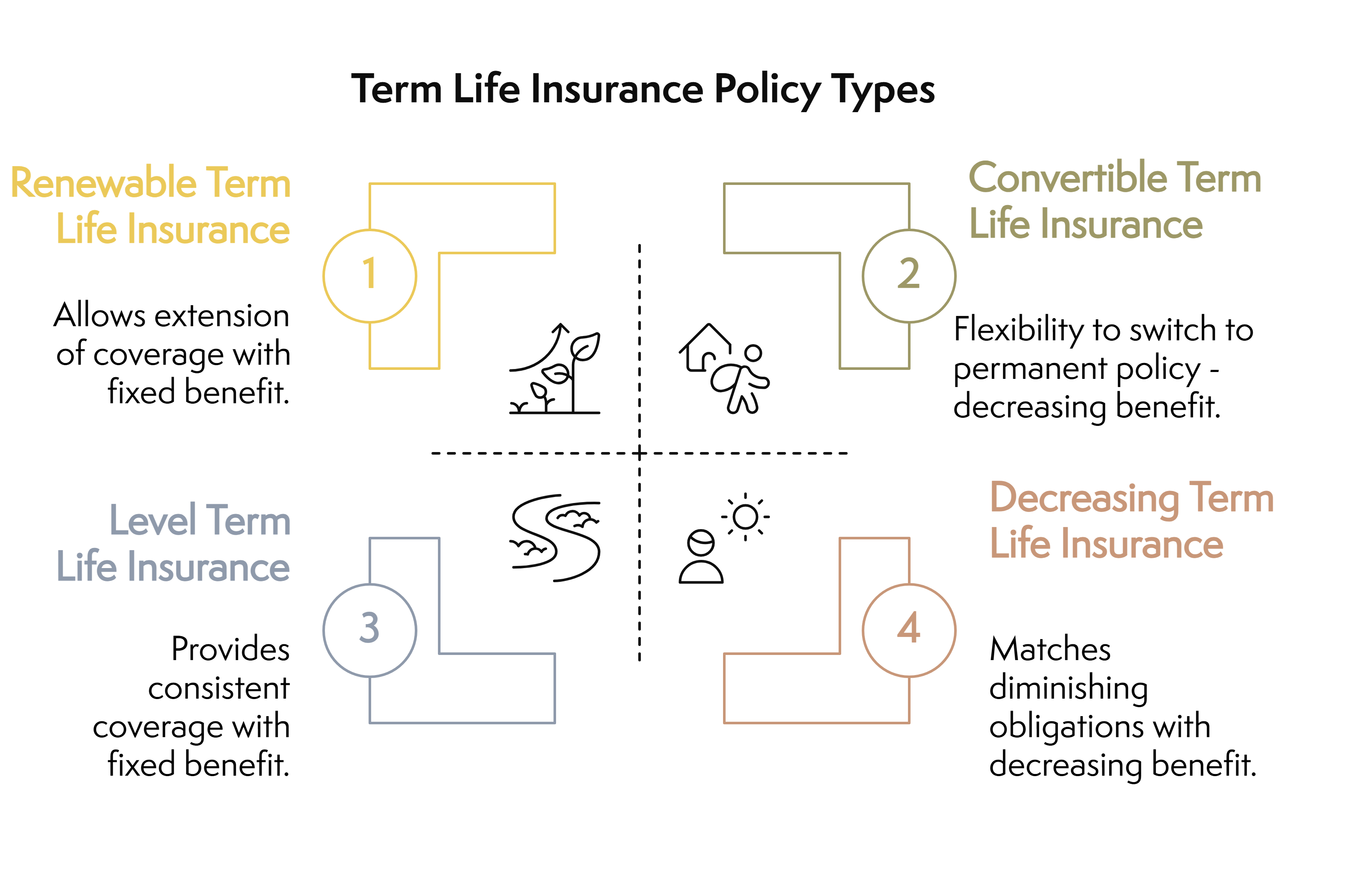
Image Gallery
Select an image to open it in a new tab.


Zara El-Hashem
Sociocultural Dynamics and Academics Writer
