Texas Employment Law Breaks: Requirements, Rights, and Employer Obligations in 2026
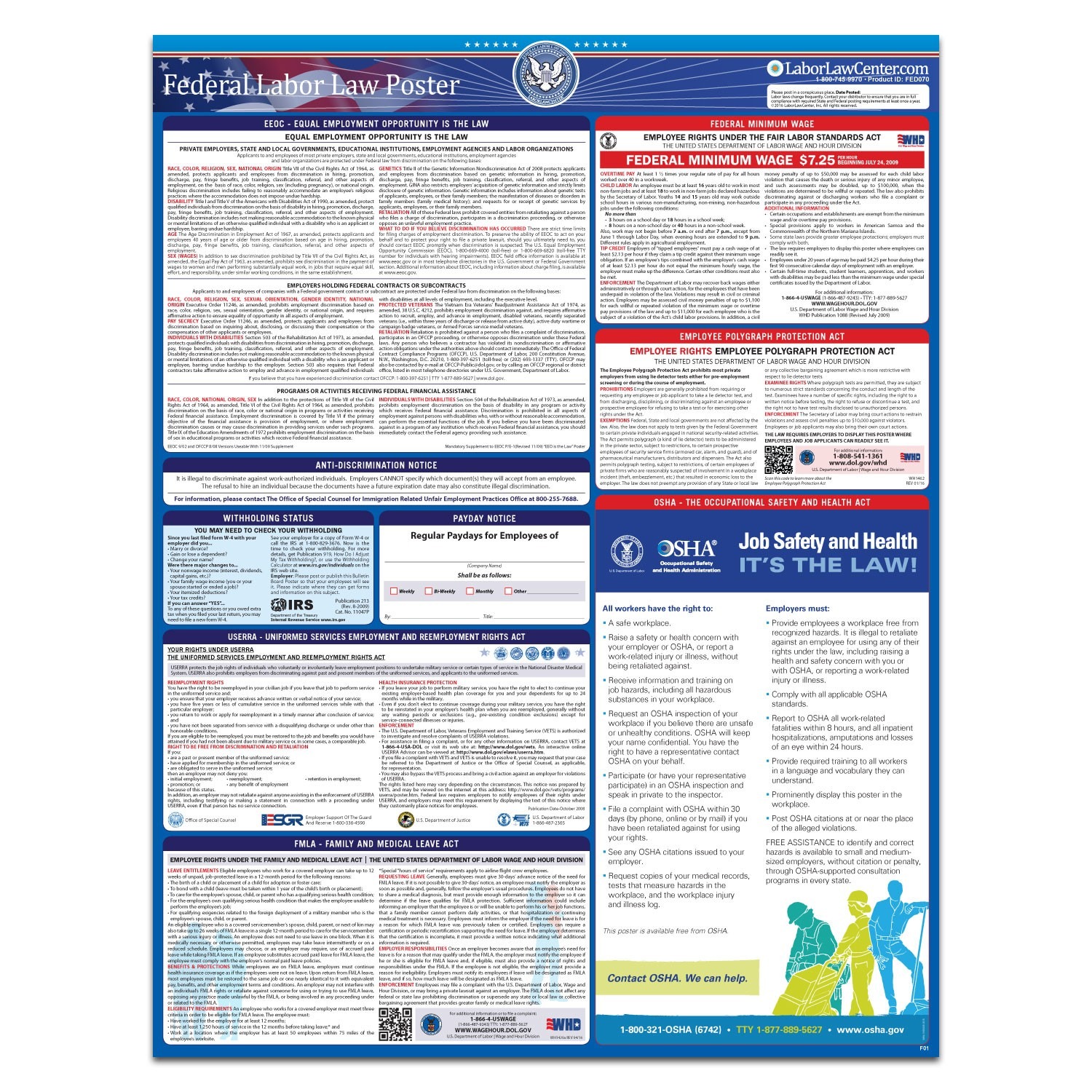
Under Texas law and the federal Fair Labor Standards Act (FLSA), employers are not required to provide rest or meal breaks to employees regardless of the number of hours worked. However, if an employer chooses to offer breaks, federal regulations dictate that short periods (5–20 minutes) must be paid, while "bona fide" meal periods (typically 30 minutes or more) may be unpaid if the employee is completely relieved of all duties.
The landscape of Texas employment law is often a point of confusion for both employees and management. While many states have passed rigorous statutes mandating specific rest intervals, Texas remains one of the most employer-friendly jurisdictions in the United States. In 2026, the intersection of state silence and federal oversight continues to define how workdays are structured across the Lone Star State. This comprehensive guide examines the current legal framework, the nuances of paid versus unpaid time, and the specific protections that exist for certain classes of workers.
The Fundamental Rule: Does Texas Law Require Breaks?
It is a common misconception that Texas labor law mandates a 15-minute rest break every four hours or a 30-minute lunch break for an eight-hour shift. In reality, neither the Texas Labor Code nor the Texas Workforce Commission (TWC) requires employers to provide any breaks at all.
Texas operates under the principle of "at-will" employment and follows the federal standard set by the Fair Labor Standards Act (FLSA). Because there is no state-level statute requiring breaks, the decision to provide them rests entirely with the employer, the terms of an individual employment contract, or the provisions of a collective bargaining agreement.
For the vast majority of workers in Texas, the right to a break is a matter of company policy rather than statutory law. However, once an employer decides to offer breaks, they must comply with federal Department of Labor (DOL) standards regarding how that time is compensated.
Federal Regulations: The FLSA Framework in Texas
While Texas law is silent, federal law provides strict guidelines on how break time must be treated for purposes of the minimum wage and overtime calculations. The FLSA distinguishes between "rest periods" and "meal periods" based on their duration and the degree to which the employee is relieved of duty.
Rest Periods (Short Breaks)
Rest periods are typically classified as breaks lasting between 5 and 20 minutes. According to federal guidelines, these short durations are considered "hours worked" because they are deemed beneficial to the employer by promoting employee efficiency. Consequently, if a Texas employer allows these short breaks, they must be paid.
Employers cannot require employees to "clock out" for a 15-minute coffee break and then deduct that time from their total daily hours. If an employee is permitted to take such a break, the clock must keep running for payroll purposes.
Bona Fide Meal Periods
A "bona fide" meal period is a break where the employee is completely relieved from duty for the purpose of eating regular meals. These are typically 30 minutes or longer. Unlike short rest periods, bona fide meal periods are not considered work time and are therefore not compensable.
The critical factor is the "completely relieved from duty" requirement. In 2026, the TWC and federal courts continue to apply a strict standard:
- If an employee is required to sit at their desk and answer occasional phone calls while eating, they are not "completely relieved."
- If a security guard is told they can eat but must keep their radio on and respond to alarms, they are still on the clock.
- In these scenarios, the entire "break" must be paid, and the time counts toward overtime totals.
The 20-Minute Threshold and Compensable Time
The 20-minute mark serves as a general dividing line in employment litigation. Breaks lasting longer than 20 minutes but less than 30 minutes fall into a gray area. Whether these are paid or unpaid often depends on the "predominant benefit test." Courts look at whether the time is used predominantly for the employer's benefit or the employee's benefit.
If an employer provides a 25-minute break and the employee is free to leave the premises or use the time entirely for personal reasons, an employer may be able to justify it as unpaid. However, most HR professionals in Texas advise that any break under 30 minutes should be paid to avoid potential wage-and-hour claims.
Comparison of Break Types and Requirements
The following table outlines the distinctions between various break types under the combined oversight of Texas and federal regulations.
| Break Type | Typical Duration | Paid/Unpaid? | Legal Requirement | Condition for Unpaid Status |
|---|---|---|---|---|
| Rest Break | 5 – 20 Minutes | Paid | Not Required | N/A (Must be paid if offered) |
| Meal Break | 30+ Minutes | Unpaid | Not Required | Employee must be 100% duty-free |
| Lactation Break | Reasonable | Usually Unpaid | Required (Federal) | Provided for 1 year after birth |
| Water/Heat Break | As Needed | Paid | OSHA Requirement | Necessary to prevent heat illness |
| Medical/ADA | Case-by-Case | Varies | Required (Federal) | Must be a "reasonable accommodation" |
The PUMP Act and Protections for Nursing Mothers
While general rest breaks are optional, federal law—specifically the Providing Urgent Maternal Protections for Nursing Mothers (PUMP) Act—imposes mandatory break requirements for lactating employees. This law, which is fully enforceable in Texas, requires employers to provide:
- Reasonable break time for an employee to express breast milk for each time such employee has a need to express the milk.
- A private place, other than a bathroom, that is shielded from view and free from intrusion from coworkers and the public.
These protections extend for one year after the child’s birth. In Texas, if the employee is not completely relieved from duty during these breaks, the time must be paid. If the employee is exempt from overtime (salaried professional), their salary cannot be docked for taking these necessary breaks.
Heat Safety and Water Breaks in Texas
The issue of water breaks for outdoor workers, such as those in construction and agriculture, has been a major point of legal contention in Texas. Historically, cities like Austin and Dallas had local ordinances mandating 10-minute water breaks every four hours.
However, in recent years, the Texas Legislature passed HB 2127 (often referred to as the "Death Star" bill), which sought to preempt local regulations that go beyond state law. While the enforceability of this preemption has faced various legal challenges in the courts, the practical result in 2026 is that there is no specific state-wide statute mandating water breaks.
Despite this, Texas employers are still bound by the federal Occupational Safety and Health Administration (OSHA) General Duty Clause. This clause requires employers to provide a work environment free from recognized hazards that are causing or are likely to cause death or serious physical harm. In the Texas heat, failing to provide adequate water and rest breaks for outdoor workers can be considered a violation of federal safety standards, leading to significant fines.
Industry-Specific Exceptions
While the general rule in Texas is "no mandated breaks," certain industries governed by specific federal or state safety boards do have requirements.
Transportation and Trucking
Commercial truck drivers operating in Texas are subject to the Department of Transportation (DOT) Hours of Service regulations. These rules require a 30-minute break after eight hours of driving time. Drivers must also adhere to strict daily and weekly "on-duty" limits to prevent fatigue-related accidents.
Healthcare and Pilot Programs
Some specialized healthcare environments or state-run facilities may have internal policies or pilot programs mandated by the Texas Department of State Health Services, particularly regarding shift lengths and mandatory rest for residents or nursing staff to ensure patient safety.
Employer Policies and the "Contract" Trap
Even though the law doesn't require breaks, an employer’s own Employee Handbook can create a binding expectation. If a company policy states that "all employees are entitled to two paid 15-minute breaks," and the employer refuses to allow them or docks pay for them, the employee may have a claim for breach of contract or a wage claim through the TWC.
In 2026, many Texas employers use automated time-tracking software that automatically deducts 30 minutes for lunch. This is a high-risk practice. If an employee works through their lunch but the software deducts the time anyway, the employer is in violation of the FLSA. Texas courts have consistently held that if an employer "knows or has reason to believe" that work is being performed, they must pay for that time, regardless of whether a break was scheduled.
Resolving Disputes: The Texas Payday Law
When an employer fails to pay for "breaks" that were actually spent working, or fails to pay for short 10-minute rest periods, employees can seek recourse through the Texas Payday Law.
The Texas Workforce Commission (TWC) oversees these claims. An employee can file a wage claim if they believe they were not compensated for hours worked. The statute of limitations for filing a claim is 180 days from the date the wages were due. If the TWC determines that the "break" was actually compensable work time, they can order the employer to pay back wages, and in cases of willful violations, administrative penalties may apply.
Common Mistakes Employers Make with Texas Breaks
Understanding the legalities is only half the battle; implementing them without error is where many Texas businesses struggle.
- The "Automatic Deduction" Error: As mentioned, automatically deducting lunch time without verifying the employee actually took the break is the leading cause of FLSA lawsuits in Texas.
- The "Stay at the Desk" Rule: Telling an employee they are on an unpaid lunch break but must stay at their desk to monitor emails. This converts the unpaid break into paid work time.
- Misclassifying Short Breaks: Trying to make a 10-minute break unpaid because the employee left the building. Under the FLSA, 10 minutes is almost always compensable.
- Ignoring Local Safety: Relying on the lack of a state water-break law to deny hydration to outdoor workers, thereby inviting OSHA investigations.
Practical Guidance for Employees and Employers
For Employees:
- Review your handbook: Determine if your employer has voluntarily committed to providing breaks.
- Track your time: If you are required to work during your "unpaid" lunch, keep a personal log of those hours.
- Communication: If you are a nursing mother, provide written notice to your HR department to trigger your protections under the PUMP Act.
For Employers:
- Clear Policies: Explicitly state in your handbook whether breaks are provided, how long they last, and whether they are paid.
- Train Supervisors: Ensure managers know that they cannot "ask a quick question" during an employee’s unpaid meal period without potentially making that time compensable.
- Provide Facilities: If you have more than 50 employees, ensure you have a compliant lactation space to meet federal requirements.
Frequently Asked Questions
Is a 15-minute break required by law in Texas for every 4 hours worked?
No. There is no Texas or federal law that requires a 15-minute break. This is a common practice among many employers to maintain productivity and morale, but it is not a legal requirement. If an employer does provide a 15-minute break, it must be paid.
Can my boss make me work 8 hours without a lunch break in Texas?
Yes. Legally, a Texas employer can require you to work a full shift without a meal or rest break. However, most employers provide breaks to avoid high turnover and decreased productivity. The exception is for nursing mothers or if a specific contract or union agreement requires a break.
What happens if I work through my unpaid lunch break?
If you perform any work during your lunch break, even if it wasn't requested but the employer is aware of it, that time must be paid. You should report these hours to your supervisor to ensure your paycheck is accurate. If they refuse to pay, you may have grounds for a wage claim.
Are water breaks required for construction workers in Texas in 2026?
There is no specific Texas state statute mandating water breaks. However, federal OSHA regulations require employers to protect workers from heat-related illnesses. In practice, this means providing water and rest in shaded areas when temperatures reach dangerous levels to avoid federal safety violations.
Can an employer tell me I cannot leave the premises during an unpaid lunch?
In Texas, an employer can generally require you to stay on the premises during an unpaid meal break, provided you are still "completely relieved of duty." However, if staying on the premises comes with "on-call" responsibilities, the break may need to be paid.
Recommendation for Next Actions
For those managing a workforce in Texas, the best approach in 2026 is to maintain a written break policy that mirrors federal FLSA standards. This minimizes the risk of wage-and-hour litigation. If you are an employee who believes you are being denied pay for short breaks or for "working lunches," you should first attempt to resolve the issue with your HR department. If the issue persists, filing a wage claim with the Texas Workforce Commission is the standard procedure for recovering unpaid wages. Always keep detailed records of your actual hours worked versus the hours recorded by your employer.
Image Gallery
Select an image to open it in a new tab.
Zara El-Hashem
Sociocultural Dynamics and Academics Writer
