
Sperm whales are massive marine mammals that generally do not perceive humans as prey or threats, leading to an extremely low frequency of negative interactions. While their immense size and historical association with the whaling industry might suggest aggression, these cetaceans are typically indifferent toward humans, and verified accounts of unprovoked attacks remain exceptionally rare in marine biology.
The Nature of the Sperm Whale (Physeter macrocephalus)
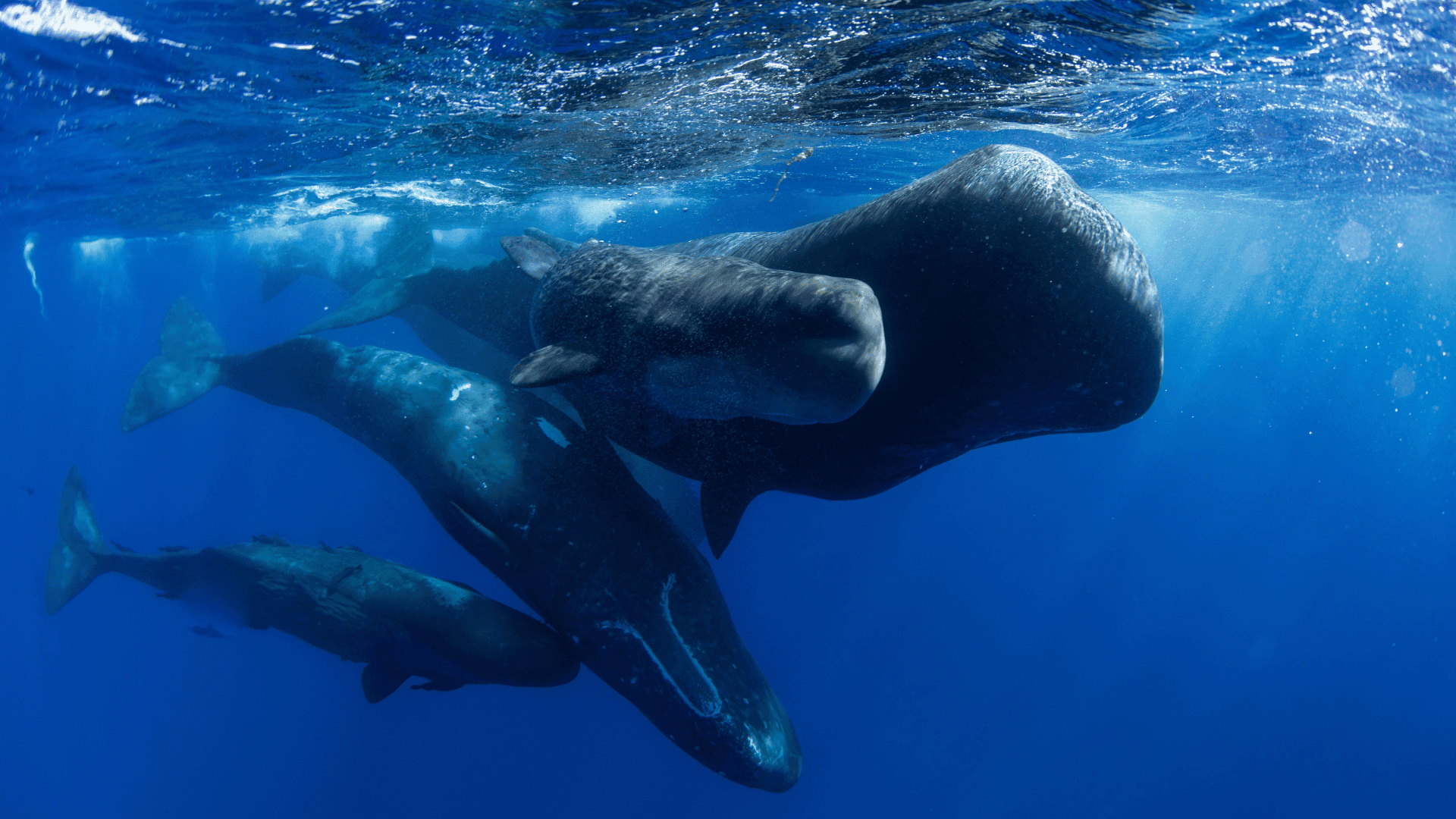
The sperm whale is the largest of the toothed whales and is recognized by its massive, block-shaped head, which contains the largest brain of any creature to have ever lived. Reaching lengths of up to 20 meters (66 feet) and weighing upwards of 50 tons, these deep-diving predators primarily feed on cephalopods, specifically giant and colossal squid, in the ocean’s bathypelagic zone.
Understanding why they rarely attack humans requires an analysis of their ecological niche. Sperm whales evolved to hunt in the deep, dark environments of the open ocean. Their sensory apparatus, centered on sophisticated echolocation, is highly tuned to detect acoustic signatures of prey such as squid and various species of deep-sea fish. To a sperm whale, a human swimming on the surface or in a shallow coastal area does not match the acoustic or visual profile of a primary food source. Furthermore, humans lack the fat density and nutritional profile that sperm whales typically seek in their specialized deep-sea diet.
Historical Context and the "Moby Dick" Mythos
Much of the public perception regarding sperm whale aggression is rooted in literary history rather than biological reality. Herman Melville’s 1851 novel, Moby-Dick, was partially inspired by the true 1820 sinking of the whaleship Essex, which was rammed and sunk by a large bull sperm whale.
While it is a verified historical fact that the Essex was destroyed by a sperm whale, marine biologists suggest this was an isolated event involving a highly stressed or defensive animal. During the height of the 19th-century commercial whaling industry, sperm whales were hunted relentlessly. In such high-stress scenarios—where the animals were being harpooned, pursued, and injured—defensive behavior was a natural response to perceived existential threats. These historical "attacks" were acts of defense during direct, lethal conflict, not predatory behavior directed at humans in the water.

Comparing Sperm Whale Interaction with Other Cetaceans
When evaluating the risk of interacting with marine mammals, it is helpful to look at how different species behave toward humans.
| Species | Typical Human Interaction | Risk Profile |
|---|---|---|
| Sperm Whale | Indifferent/Curious | Low (Mainly non-aggressive) |
| Orca (Wild) | Generally Avoidant | Low (No confirmed fatal attacks) |
| Bottlenose Dolphin | Often Playful/Social | Low (Occasional aggressive biting) |
| Leopard Seal | Curious/Predatory | Moderate (Known to bite) |
Unlike apex predators such as great white sharks, which may exhibit curiosity-driven "test bites," sperm whales do not use their mouths to investigate objects in the same manner. Their teeth are designed for gripping soft-bodied prey like squid, not for shearing or biting large, bony mammals.
Why Encounters Remain Passive
Most encounters between humans and sperm whales occur during specialized whale-watching expeditions or, rarely, during freediving photography sessions in specific jurisdictions like the Azores or Dominica. In these settings, the whales typically display a calm, even stoic, demeanor.
Sensory Disconnect
Sperm whales navigate using high-frequency clicks. When they encounter a human, the sound profile is likely alien to them. Rather than interpreting the diver as a threat or food, they often appear to simply ignore the person or, occasionally, exhibit a form of "logging"—floating motionless at the surface—which allows them to rest or socialize.
Lack of Territorial Instincts
Unlike some land predators that defend specific geographic territories, sperm whales are migratory and pelagic. They do not maintain a permanent "home" that requires aggressive defense against human encroachment. A human in the water is essentially a transient element in the whale's vast, fluid environment.
Potential Risks During Interaction
While the phrase "sperm whales rarely attack humans" is accurate, it is vital to distinguish between a predatory attack and an accidental collision.
The primary danger posed by a sperm whale is not intentional aggression but the sheer physics of its size. A whale tail (fluke) or a pectoral fin moving through the water can generate immense force. A swimmer or diver who gets too close to a socializing group of whales may be caught in the turbulent wake or accidentally struck by a moving body part. In the marine environment, such an "accident" could be fatal due to the force of the impact, even if the animal had no intention of harming the human.
Safety Guidelines for Observers
If you are participating in a legal, regulated wildlife encounter, always follow these best practices to maintain a safety buffer:
- Maintain Distance: Never attempt to touch a whale. Keeping a distance of at least 10–20 meters is recommended to avoid accidental contact.
- Respect the Social Structure: If a whale is resting or interacting with its calf, retreat immediately. Maternal instincts can prompt defensive movements.
- Use Licensed Operators: Only engage with whales through government-certified whale-watching operations that adhere to strict approach guidelines and codes of conduct.
- Avoid Sudden Movements: Rapid swimming or erratic splashing can be perceived as distress or threat signals. Move slowly and predictably.
The Role of Conservation and Regulation
In 2026, the protection of sperm whales is managed through international agreements and national regulations. Because these animals spend most of their lives in deep, international waters, their populations are sensitive to environmental changes, such as ocean warming and plastic pollution.
Regulations regarding human interaction are not meant to protect humans from the whales; rather, they are designed to protect the whales from human-induced stress. Excessive noise, boat strikes, and the disruption of social behaviors have far more significant impacts on whale health than the risk they pose to us. By adhering to international maritime guidelines, we ensure that these majestic creatures continue to display their characteristic indifference toward humans rather than being pushed into defensive behaviors by harassment.
Frequently Asked Questions
Are there any documented cases of a sperm whale eating a human?
No. There is no biological or historical evidence suggesting that sperm whales consume humans. Their esophageal anatomy and feeding habits are evolved exclusively for smaller, soft-bodied prey.
Why do sperm whales sometimes strike boats?
Historical incidents were almost exclusively linked to the whaling industry. A whale that is under attack by harpooners will naturally defend itself. Modern boat strikes are largely accidental, resulting from whales being unaware of vessels in their path.
Can I swim with sperm whales?
In some countries, like Dominica, regulated permits allow for in-water photography. However, this is heavily restricted and requires expert guidance. You should never attempt to swim with a sperm whale outside of a strictly permitted and supervised professional environment.
Do sperm whales show signs of aggression before attacking?
Because "attacks" are not a standard behavior, there are no clearly defined warning signs like those seen in territorial land animals. However, if a whale stops its relaxed swimming, becomes highly active with its tail, or moves away rapidly, it is signaling a desire for space. Always retreat if the animal shows a change in behavior.
How does the size of a sperm whale affect my safety in the water?
The size is the primary factor. Even an unintentional movement by a 50-ton animal can displace enough water to cause injury. Safety is fundamentally about physics; stay clear of the animal's path and its powerful tail flukes at all times.
Final Recommendations for Observers
If you are planning to observe sperm whales, prioritize passive observation. Your objective should be to remain as unobtrusive as possible, allowing the whale to continue its natural behaviors undisturbed. Research the specific maritime laws of the region you are visiting, as many nations, such as New Zealand and the United States, have strict statutes regarding the minimum approach distance for cetaceans. By prioritizing the whale's autonomy and maintaining a respectful, wide perimeter, you maximize the safety of all parties and contribute to the ongoing preservation of this magnificent species.
Image Gallery
Select an image to open it in a new tab.



Declan O'Connor
Higher Education and Campus Culture Reporter
