Evaluating SMR Designs in Nuclear Power: Scalability, Safety, and Deployment Realities
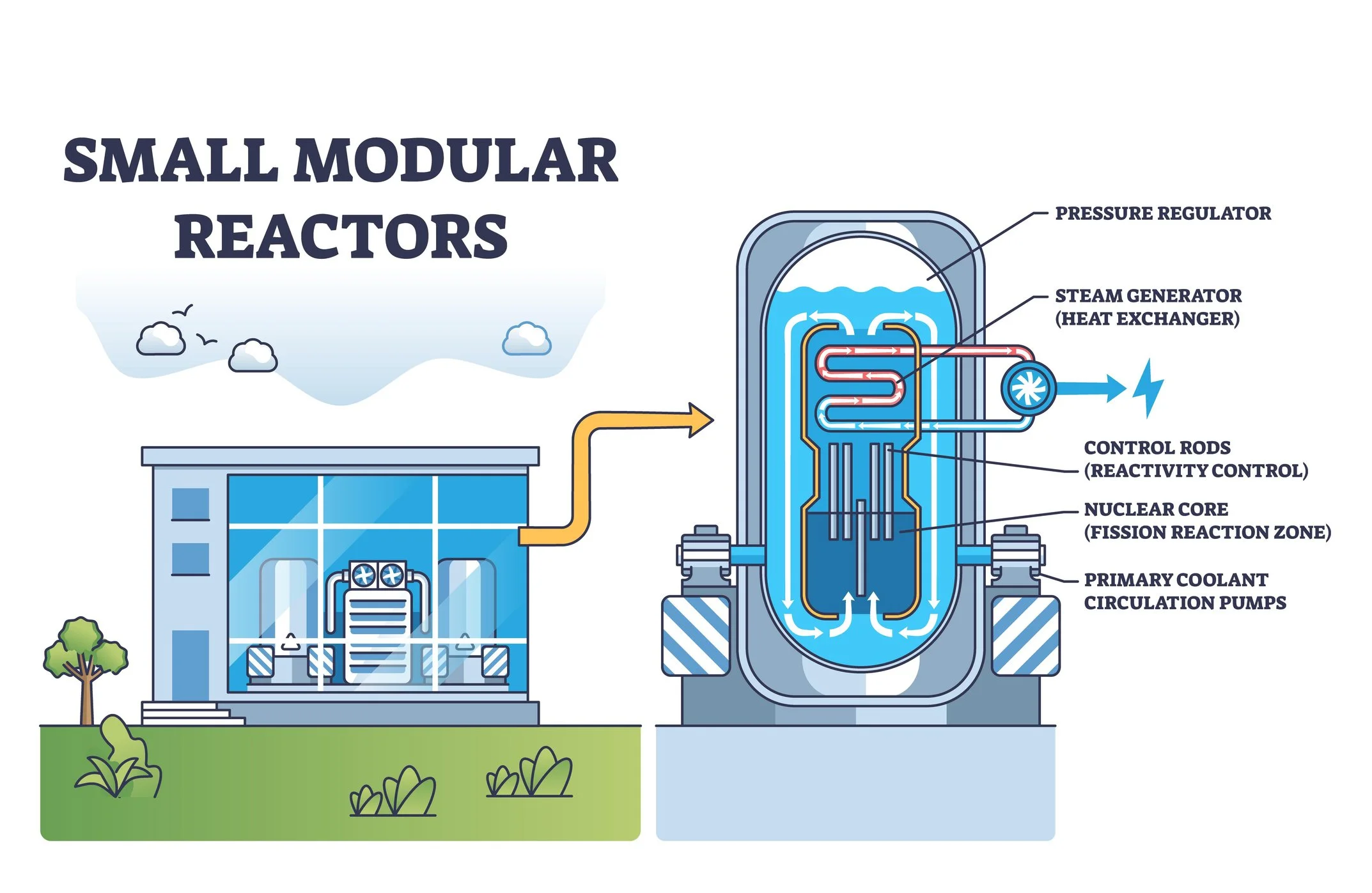
Small Modular Reactor (SMR) designs represent a fundamental shift in nuclear power deployment, moving away from large-scale, multi-gigawatt facilities toward factory-fabricated, scalable, and versatile power units. Defined by their power output—typically under 300 MWe—these designs leverage passive safety systems and modular construction to address capital intensity and site-specific constraints that historically hindered conventional nuclear projects.
The Architectural Logic of SMR Designs
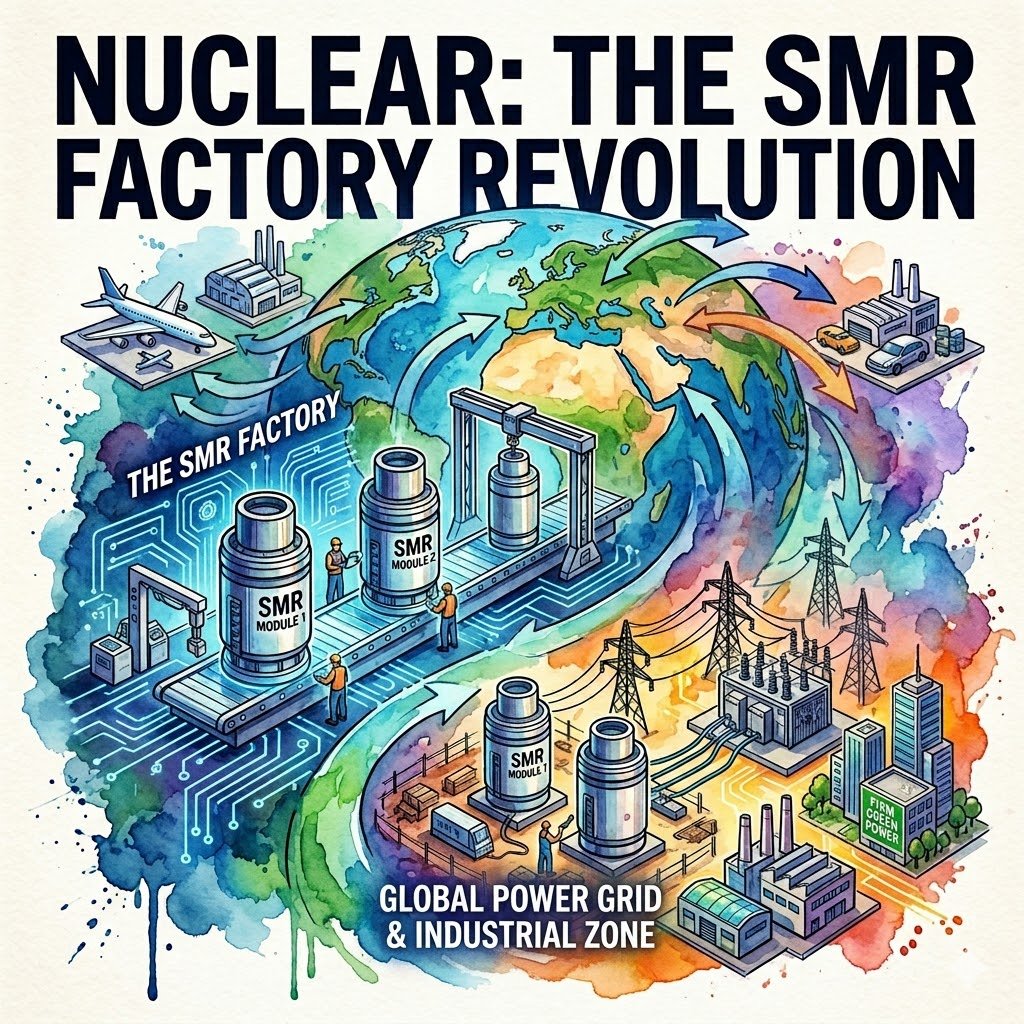
The primary objective of SMR designs is to reduce the "nuclear barrier to entry" by shifting construction from the field to the factory. In a traditional nuclear plant, the reactor vessel, containment structure, and piping are largely site-assembled, leading to lengthy construction schedules and significant financial exposure. SMRs invert this model. By fabricating the major components in controlled factory environments, developers aim to achieve economies of series—a process where repetitive manufacturing drives down costs, much like the production of aerospace engines or naval reactors.
Most modern SMR designs rely on Light Water Reactor (LWR) technology, drawing heavily from the operational history of established pressurized water reactors. However, they distinguish themselves through "integral" designs. In an integral SMR, the steam generators, pumps, and pressurizers are located within the reactor pressure vessel, eliminating the need for large-bore external piping. This design choice significantly reduces the risk of a Loss-of-Coolant Accident (LOCA), as there are fewer external pathways for radiation leakage.
Safety Profiles and Passive Cooling
Safety in nuclear power is moving away from active, operator-dependent systems toward passive systems that rely on the laws of physics. SMR designs frequently utilize natural convection, gravity, and evaporation to remove residual heat from the core during a shutdown, even if external power is completely lost.
- Natural Circulation: By placing the steam generators directly above the reactor core, heat flow is driven by the density difference between hot and cold fluids, maintaining coolant flow without mechanical pumps.
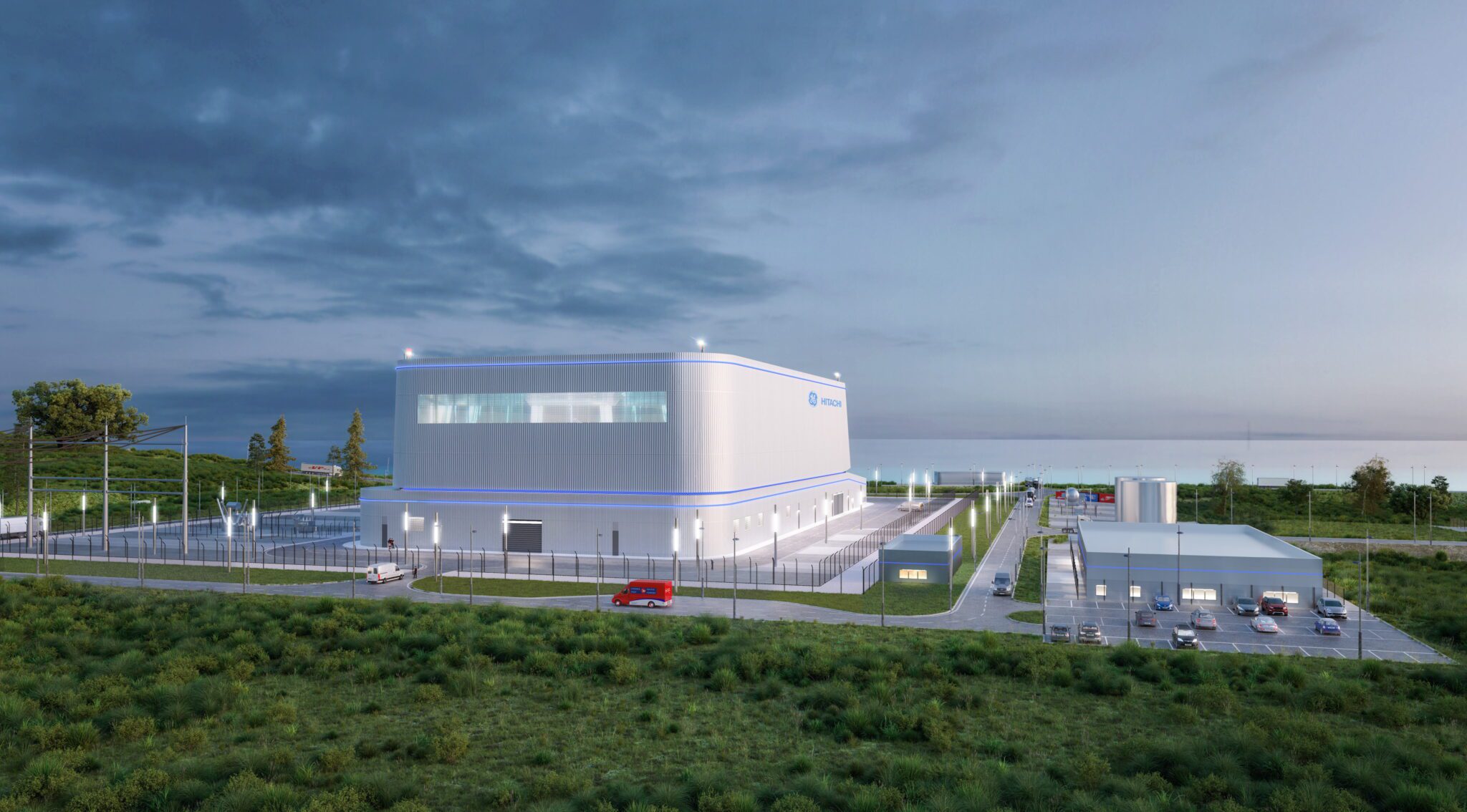
- Containment Isolation: Many SMR designs feature underground placement. Embedding the reactor module below ground provides additional shielding, protects the core from external events like aircraft impacts, and simplifies the containment structure requirements.
- Reduced Source Term: Because SMRs contain less fuel per module than a large-scale plant, the total "source term"—the amount of radioactive material available to be released in the event of an accident—is substantially lower. This allows for more flexible siting, including proximity to industrial sites that require direct process heat.
Comparison of Reactor Technologies
While LWR-based SMRs are the most mature, the market includes several non-light water designs targeting different industrial niches.
| Technology Type | Coolant | Key Advantage | Typical Application |
|---|---|---|---|
| Integral LWR | Pressurized Water | Proven regulatory path | Grid power; desalination |
| Gas-Cooled | Helium | High-temperature output | Industrial process heat |
| Molten Salt | Liquid Salt | Low-pressure operation | Chemical processing; H2 production |
| Micro-reactors | Liquid Metal/Gas | Transportability | Remote sites; military bases |
Deployment and Grid Integration
SMR designs offer a solution to grid stability problems caused by the intermittent nature of renewables. A traditional nuclear power plant provides massive baseload power, but scaling it up or down to match renewable fluctuations can be mechanically complex. A multi-module SMR plant—where several units are co-located—allows operators to cycle individual units off-line for maintenance or load balancing without shutting down the entire station.
Furthermore, SMRs provide the potential for "brownfield" deployment. Because these reactors have a smaller physical footprint and lower cooling water requirements, they can often be sited at locations where coal-fired power plants previously existed. This allows for the repurposing of existing grid connections, transmission infrastructure, and cooling water intake structures, significantly lowering the total project cost and environmental permitting hurdles.
Economic and Financial Considerations
The economic viability of SMRs remains the most scrutinized aspect of the industry. The "economy of series" is the theoretical engine of SMR cost-reduction; however, realizing these savings requires a robust order book. If a factory produces only a handful of units, the capital investment in the manufacturing facility cannot be amortized effectively.
Developers are currently addressing this by focusing on standardized designs that minimize unique engineering per site. By treating the reactor as a product rather than a bespoke construction project, firms aim to move from construction-based financing—which is sensitive to time delays—to product-based financing. Investors view the factory-manufactured component as a lower-risk asset because the manufacturing quality is consistent across every unit produced.
Challenges and Regulatory Hurdles
Despite the technical promise, SMR designs face two primary roadblocks: licensing and fuel supply.
Regulatory Licensing Frameworks
Nuclear regulators, such as the U.S. Nuclear Regulatory Commission (NRC), have historically structured their processes around large, bespoke reactor projects. Adapting this to a factory-manufactured fleet requires shifting from site-specific licensing to a "design certification" model. In this model, the reactor design is vetted once, and subsequent units undergo an expedited site-specific review. As of 2026, many jurisdictions are still refining the regulations governing the transport of completed reactor modules and the requirements for multi-module plant operators.
Fuel Requirements
Advanced SMR designs, particularly those using molten salts or high-temperature gas, often require High-Assay Low-Enriched Uranium (HALEU). This fuel is enriched up to 20%, compared to the 3–5% used in traditional LWRs. The infrastructure for producing and processing HALEU is currently in a scaling phase, and developers must ensure a reliable fuel cycle before finalizing their deployment schedules.
Frequently Asked Questions
Are SMRs safer than traditional large-scale nuclear reactors?
SMRs are designed with passive safety systems that do not require electricity or human intervention to cool the reactor, which inherently lowers the risk of core damage. While large reactors also utilize robust safety protocols, SMRs reduce the total volume of radioactive material on-site and eliminate certain high-risk components like large-bore coolant pipes.
Can SMRs be used for purposes other than electricity generation?
Yes. Many SMR designs are optimized for industrial applications, such as high-temperature process heat for steel manufacturing, hydrogen production, or desalination. Their smaller output and design flexibility allow them to be placed closer to the industrial source of demand than massive nuclear plants.
What is the expected operational lifespan of an SMR module?
Most SMR designs are engineered for a 40- to 60-year operational life, similar to traditional reactors. Because the primary components are modular, some designs allow for the replacement of the entire reactor core module after several decades, enabling a refurbishment cycle that extends the total life of the plant facility.
How do SMRs handle nuclear waste?
SMRs produce spent fuel at a rate proportional to their energy output, similar to large reactors. The primary difference is the physical smaller size of the fuel assemblies, which simplifies transport and onsite storage. The waste management strategy for SMRs remains largely consistent with existing national policies for high-level waste disposal.
Is it possible to install an SMR in a remote location?
Yes, this is a core use case for "micro-reactors"—a subset of SMRs designed for mobility. These are intended to provide power to remote mining operations, island grids, or military installations that would otherwise rely on expensive and carbon-intensive diesel shipments.
Next Steps for Deployment
For utility planners and industrial stakeholders considering SMRs, the immediate focus should be on "site selection" and "regulatory alignment." Begin by evaluating existing grid infrastructure—specifically at decommissioned fossil-fuel sites—to determine if they meet the foundational criteria for water supply, transmission capacity, and security. Engage with regional nuclear regulators early in the conceptual phase to ensure the specific SMR design being evaluated has a clear path to certification within the desired timeline. Finally, perform a detailed analysis of the fuel supply chain to ensure that the required enrichment levels for the chosen SMR design are available and economically viable for the life of the project.
Image Gallery
Select an image to open it in a new tab.





Ingrid Bjornson
Global Cyber Policy and Regulation Analyst
