How to Purchase Workers Compensation Insurance in Illinois: A Complete Business Guide
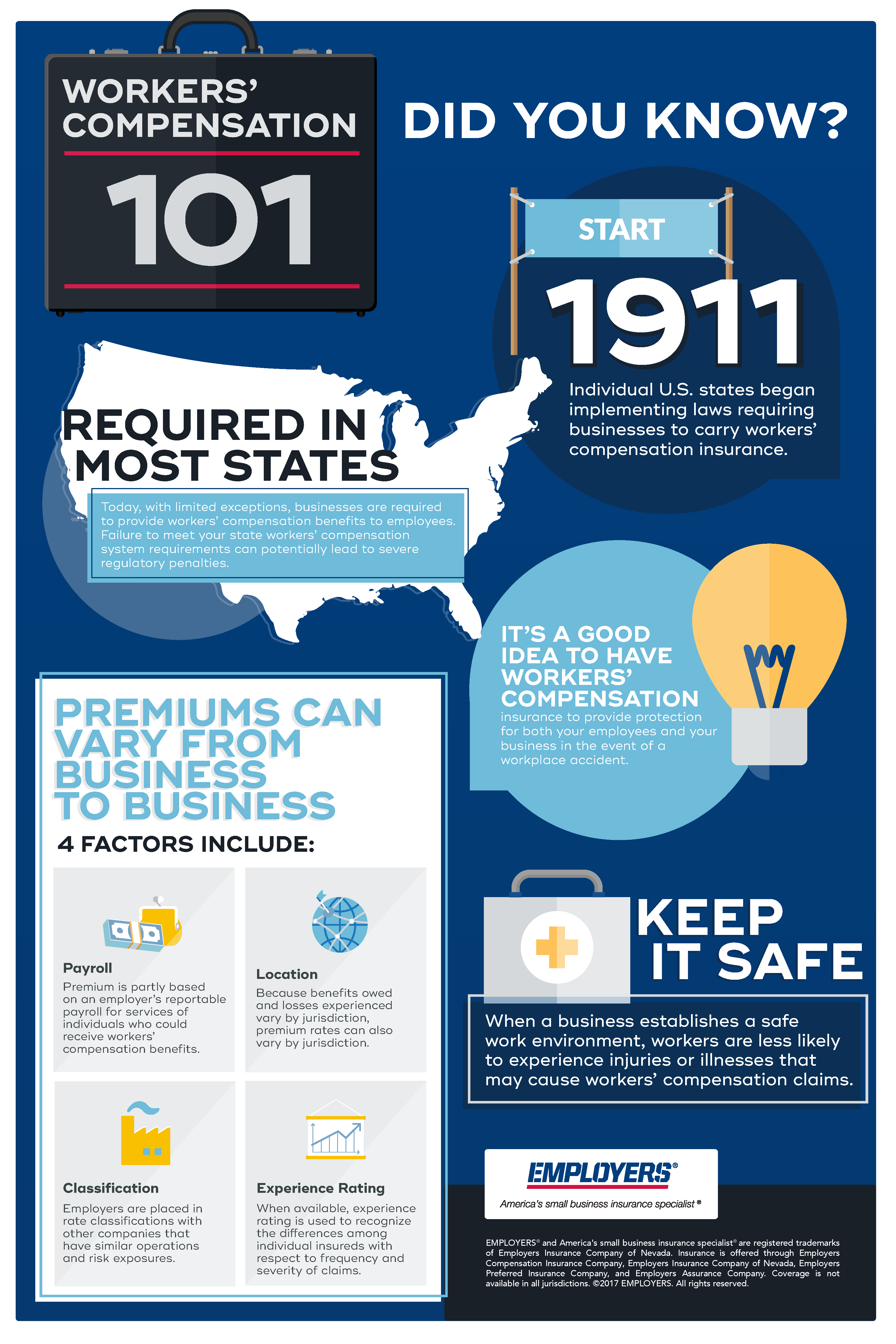
Purchasing workers compensation insurance in Illinois requires business owners to secure a policy from a licensed private carrier or obtain authorization for self-insurance. Illinois law mandates that almost every employer—including those with as few as one employee—must provide coverage for accidental injuries or occupational diseases arising out of and in the course of employment.
Understanding the Illinois Mandate
In Illinois, the Workers' Compensation Act (820 ILCS 305/) serves as the legal foundation for the state’s mandatory insurance requirements. Unlike some states where coverage only triggers after reaching a specific headcount, Illinois requires that any employer with one or more employees carry insurance. The primary purpose of this mandate is to ensure that employees receive necessary medical treatment, wage replacement benefits, and vocational rehabilitation if they suffer a work-related injury or illness, while simultaneously protecting the employer from civil litigation regarding these incidents.
The “exclusive remedy” doctrine is a crucial component of this system. In exchange for providing no-fault insurance, employers are generally protected from being sued in civil court by employees for workplace injuries. However, this protection is contingent upon maintaining valid coverage. If an employer fails to obtain the required insurance, they face significant legal exposure, including civil penalties, criminal charges, and the potential for employees to pursue both workers' compensation benefits and civil lawsuits.
Step-by-Step: How to Purchase Your Policy
Navigating the purchase of a workers compensation policy involves assessing your risk profile and selecting an insurance provider authorized to write policies in the state.
- Assess Your Employee Classification: Before contacting an agent, identify the nature of your business operations. Insurers use Classification Codes (often managed by the National Council on Compensation Insurance, or NCCI) to determine the risk level of your employees. For example, a construction company will have significantly higher premiums than a professional consulting firm.
- Verify Licensure: Ensure that the insurance carrier or agent you are considering is licensed by the Illinois Department of Insurance. You can verify a company’s status using the department’s online entity lookup tools.
- Prepare Necessary Documentation: Carriers will require detailed information to quote your policy. Have your Federal Employer Identification Number (FEIN), your payroll history for the previous three years, your Experience Modification Rate (EMR) if applicable, and a description of your safety protocols ready.
- Request Multiple Quotes: Premiums vary based on the carrier's loss experience, administrative costs, and internal rating systems. Obtain quotes from at least three different sources—such as independent brokers, captive agents, or direct-writing carriers—to ensure competitive pricing.
- Review the Terms and Conditions: Pay close attention to the policy exclusions, the deductible structure, and the payment schedule. Ensure that the policy covers all employees, including those who may work remotely or across state lines.
- Finalize and Post Notices: Once the policy is in effect, the Illinois Workers' Compensation Commission (IWCC) requires that you post an official notice at your workplace. This notice informs employees of their rights and provides the contact information for your insurance carrier.
Managing Costs and Premium Factors
Workers compensation premiums are not arbitrary; they are calculated using a specific formula designed to account for risk. Understanding this formula helps business owners implement cost-containment strategies.
The basic premium is calculated by multiplying the employer’s payroll (per $100 units) by the rate assigned to the employee’s classification code. This figure is then adjusted by the Experience Modification Rate (EMR). The EMR is a multiplier based on your company’s historical claims. An EMR of 1.0 is considered the industry average. If your historical claims are lower than expected for your industry, your EMR will drop below 1.0, effectively reducing your premium. Conversely, frequent or high-cost claims will drive your EMR above 1.0, increasing your costs.
| Factor | Influence on Premium | Strategy for Control |
|---|---|---|
| Payroll | Direct Multiplier | Ensure accurate classification of staff roles. |
| Industry Code | Base Rate | Improve workplace safety to lower overall risk profile. |
| EMR | Multiplier | Aggressively manage return-to-work programs. |
| Deductible | Offset | Select higher deductibles to lower annual premiums. |
The Illinois Assigned Risk Plan
Not every business can secure insurance through the standard private market. If you have been denied coverage by multiple carriers—often due to a high-risk industry or a history of frequent claims—you may be eligible for the Illinois Assigned Risk Plan.
Administered by the National Council on Compensation Insurance (NCCI) on behalf of the state, this “market of last resort” ensures that all businesses have a path to compliance. While assigned risk premiums are often higher than voluntary market rates, they provide the necessary coverage to remain compliant with state law. Business owners should view the assigned risk pool as a temporary solution and work toward improving their safety record to eventually qualify for the standard, more affordable private market.
Special Considerations: Independent Contractors and Sole Proprietors
One of the most common areas of confusion for Illinois employers involves the status of workers. Under the Illinois Workers' Compensation Act, the determination of who constitutes an "employee" versus an "independent contractor" is strictly enforced.
Merely labeling a worker as an independent contractor in a contract does not automatically exempt an employer from providing coverage. The state applies a rigorous test to determine if a worker is under the employer’s control and direction. If a worker is deemed an employee under the law, the employer must provide coverage. Failing to carry insurance because you erroneously classified a worker as an independent contractor is a frequent cause of audit penalties and legal liability. When in doubt, consult with an employment attorney or your insurance broker to perform a status audit of your workforce.
Maintaining Compliance and Reporting
Obtaining the policy is the first step; maintaining compliance is an ongoing operational responsibility. Throughout 2026 and beyond, employers must:
- Report Payroll Accurately: Your premium is subject to annual audits. Underreporting payroll to save on premiums will lead to significant "back-premium" charges during an audit.
- Promptly Report Injuries: When an injury occurs, report it to your carrier immediately. Delays in reporting can increase the severity of claims and prevent early return-to-work efforts.
- Implement a Safety Program: Regular safety training and rigorous maintenance of equipment are the most effective ways to lower your EMR over time, which reduces your long-term insurance costs.
- Verify Subcontractors: If you hire subcontractors, ensure they hold their own workers compensation insurance. If they do not, you may be held liable for their employees' injuries under Illinois law, making you the "statutory employer."
Common Mistakes to Avoid
Many business owners unknowingly compromise their coverage status by missing administrative details. A frequent error is failing to update the carrier when the business changes its scope of operations or adds new lines of work. If you add a new department that involves higher-risk activities, your existing classification codes may no longer be accurate, leaving you underinsured.
Another common mistake is the failure to maintain records. The IWCC and insurance carriers require detailed documentation of payroll, safety inspections, and accident logs. Lack of proper record-keeping during an insurance audit can lead to adverse premium adjustments and potential fines for non-compliance.
Frequently Asked Questions
Does a sole proprietor need workers compensation in Illinois? Generally, a sole proprietor is not required to cover themselves under their own policy. However, if that sole proprietor hires even one employee, they must maintain coverage for that employee. Some sole proprietors choose to purchase a policy for themselves to gain benefits in the event of an injury, but it is not a statutory requirement for the proprietor alone.
What happens if an employer fails to carry workers compensation insurance? Failure to carry mandatory insurance in Illinois can lead to severe consequences. The state may issue stop-work orders, impose daily fines, and hold the employer personally liable for any benefits due to an injured worker. Furthermore, the Illinois Workers' Compensation Commission can pursue criminal charges against company officers for willful non-compliance.
Are there exemptions for small businesses or family-owned companies? There are very few exemptions. Even small, family-owned businesses are typically required to carry insurance if they employ anyone other than immediate family members. Even for family members, the law is complex; always consult with the Illinois Workers' Compensation Commission to verify your specific situation.
How often should I review my workers compensation policy? You should conduct a policy review at least annually, preferably 60 to 90 days before your policy expiration date. This allows you to evaluate your current business activities, headcount, and payroll against your existing coverage to ensure you are not overpaying or underinsured.
Can I buy workers compensation insurance online? Many licensed insurance carriers and independent brokers now offer digital portals for securing workers compensation insurance. While the purchasing process may be facilitated online, ensure you are dealing with an entity authorized to operate in Illinois and that you are receiving a policy that complies with the Illinois Workers' Compensation Act.
Next Steps for Business Owners
If you do not currently have a workers compensation policy, your first step is to contact a licensed commercial insurance broker who specializes in Illinois business liability. Request an evaluation of your current employee roles and business activities. If you are currently insured, take the time to review your latest audit results and discuss your EMR with your broker to identify specific opportunities to lower your premiums through enhanced safety programs. Compliance is not merely a legal requirement; it is a vital component of your business's financial and operational stability.
Image Gallery
Select an image to open it in a new tab.




Mateo Castillo
Decentralized Finance and E-Payments Strategist
