
Living in Isla Mujeres for expats involves navigating the unique lifestyle of a Caribbean island sanctuary located just off the coast of Cancún. Success in this transition requires understanding Mexican immigration requirements, securing reliable housing, navigating island-specific infrastructure, and integrating into a close-knit community that functions differently from the mainland.
The Reality of Island Life
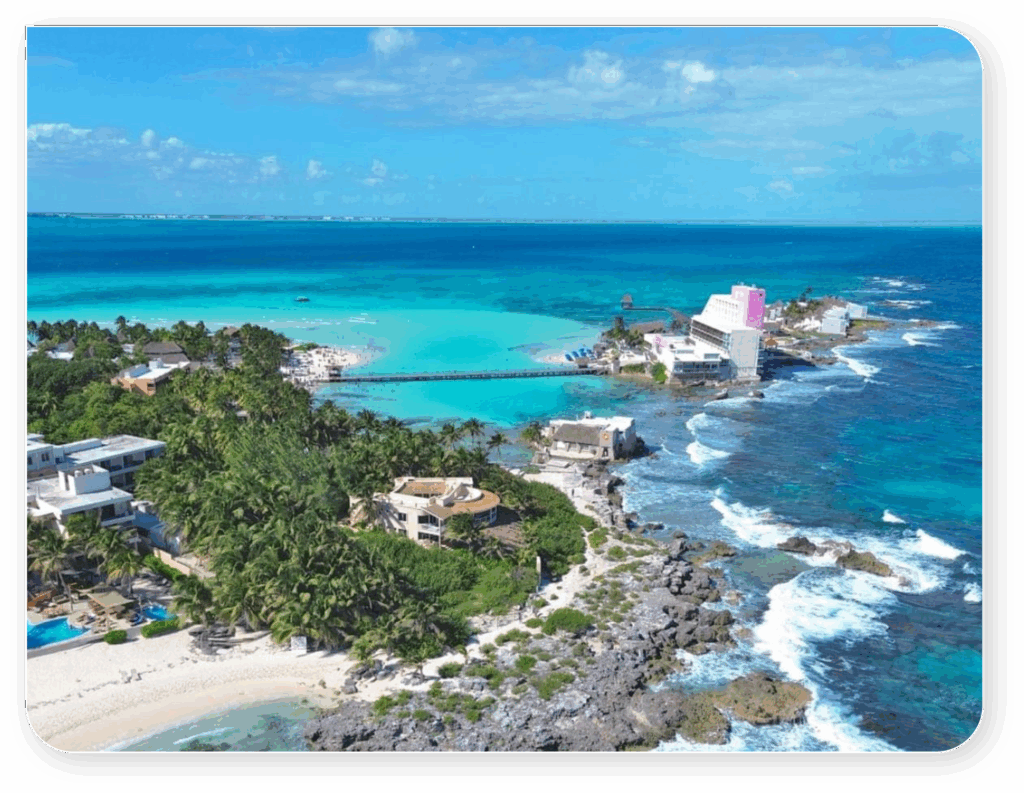
Isla Mujeres is not a typical city; it is a small, seven-kilometer-long island where pace is defined by the ferry schedule and the rhythm of the tides. For those accustomed to the convenience of large metropolitan areas, the adjustment involves embracing a slower, more deliberate way of life. The island is divided into distinct zones: the bustling northern end (Playa Norte/Centro) with its high concentration of restaurants and tourist activity, and the quieter, more residential southern tip (Punta Sur).
Expat life here is characterized by a high degree of social visibility. Because the community is small, word-of-mouth remains the primary way to find services, plumbers, or social gatherings. Unlike the mainland, where cars are essential, the primary mode of transportation on Isla Mujeres is the golf cart. Understanding this nuance is critical; electricity, water, and internet services on the island are dependent on underwater cables and supply lines originating from the mainland, which means occasional utility disruptions are a verified reality of island residence.
Understanding Mexican Immigration Requirements
To reside in Mexico legally, expats must navigate the residency programs administered by the Instituto Nacional de Migración (INM). As of 2026, there are two primary pathways for long-term stays:
- Residente Temporal (Temporary Residency): Designed for those who intend to stay for more than 180 days but less than four years. This requires proving financial solvency through monthly income or bank balances that meet current INM thresholds.
- Residente Permanente (Permanent Residency): Generally intended for retirees or those who have held temporary residency for four years. This status allows for indefinite stays and provides a path toward potential naturalization.
Expats should never attempt to "live" on the island using a standard tourist FMM (Forma Migratoria Múltiple) by performing "border runs." Immigration enforcement has become more stringent, and reliance on 180-day tourist entries lacks the legal security needed to sign long-term rental leases or enroll in local health systems. Always initiate the residency process at the Mexican consulate in your home country before arriving in Mexico to ensure you receive the appropriate visa sticker in your passport.
Financial Planning and Cost of Living
While Isla Mujeres was once considered an affordable hidden gem, the cost of living has adjusted significantly due to its popularity. It is essential to account for the "island premium"—the additional cost associated with transporting goods via ferry from the mainland.
| Expense Category | Monthly Estimate (USD) | Notes |
|---|---|---|
| Rent (1-2 Bedroom) | $1,200 – $2,200 | Prices spike in high season (Dec–April). |
| Electricity | $50 – $200 | High usage from air conditioning is the main driver. |
| Internet/Phone | $40 – $70 | Fiber optic is available but service varies by provider. |
| Groceries/Dining | $600 – $1,000 | Import costs affect prices for non-local goods. |
| Golf Cart Rental/Fuel | $200 – $400 | Maintaining a personal cart adds maintenance costs. |
Electricity is provided by CFE (Comisión Federal de Electricidad). Your bill is tiered; the more electricity you consume, the higher the rate per kilowatt-hour. Because of the tropical climate, air conditioning is a necessity for most expats, making electricity the most volatile expense in your monthly budget.
Navigating Housing and Real Estate
Finding a home on Isla Mujeres requires presence. Online listings are often outdated, and the best properties are frequently found via "For Rent" signs in windows or through local Facebook groups and networks.
- Lease Security: Always sign a formal contrato de arrendamiento. Ensure that the landlord provides a tax receipt (factura) if you are staying long-term, as this serves as proof of address, which is necessary for residency documentation.
- Infrastructure Check: Before signing a lease, verify the water pressure and the availability of fiber-optic internet. Some areas in the mid-island (La Gloria or Salina) may experience lower water pressure during peak hours.
- Location Choice: Living in Centro provides walking access to everything, but it is louder and more expensive. Living in the south offers panoramic views and tranquility but requires daily driving of a golf cart.
Essential Infrastructure and Logistics
Life on the island is heavily dependent on the Ultramar ferry service. Most expats rely on the ferry for major grocery runs at large supermarkets in Puerto Juárez or for medical appointments in Cancún.
- Healthcare: While there are small clinics and pharmacies on the island for minor ailments, major medical procedures, specialized care, or emergencies require a ferry trip to mainland hospitals in Cancún. Ensure you have private health insurance that covers emergency medical evacuation if necessary.
- Waste Management: Waste collection is handled by the municipal government, but strict adherence to local disposal rules is expected to keep the island clean.
- Connectivity: High-speed internet is available, but infrastructure is vulnerable during extreme weather events, such as hurricanes, which can disrupt service for days.
Social Integration and Community
The expat community in Isla Mujeres is diverse, consisting of retirees, digital nomads, and business owners. Integrating successfully involves respecting the local culture and the challenges faced by the Isleños (local residents).
Learning basic Spanish is not just a social gesture; it is a functional requirement. While many service providers in the tourist zone speak English, interacting with government officials, utility workers, and neighbors will almost always require Spanish proficiency. Joining local community groups, participating in beach cleanups, or supporting local non-profits are effective ways to build a network of support that goes beyond the superficial expat social scene.
Common Pitfalls to Avoid
- Ignoring the Hurricane Season: The Atlantic hurricane season runs from June 1 to November 30. Expats must have a personal emergency plan, which includes knowing evacuation routes and having necessary supplies prepared.
- Underestimating Humidity: Electronics and furniture degrade faster in a salt-air, high-humidity environment. Budget for ongoing maintenance and dehumidification equipment.
- Assuming Mainland Costs: Do not use prices from Mexico City or Guadalajara as a benchmark for Isla Mujeres. Prices on the island are higher due to logistics and the heavy tourism-based economy.
- Neglecting Tax Obligations: If you are a resident, you may be liable for taxes on global income or property in Mexico. Consult with a qualified contador (accountant) who specializes in expat taxation to ensure you are compliant with SAT (Servicio de Administración Tributaria).
Frequently Asked Questions
Is it possible to live on Isla Mujeres without owning a car? Yes. In fact, most residents do not own traditional cars. The island is small enough that golf carts or bicycles are the standard, and there are taxi services available 24/7. Cars are only necessary if you intend to travel frequently throughout the Yucatán Peninsula from the mainland side.
How does internet reliability impact remote work? Reliability has improved significantly in recent years with the expansion of fiber-optic networks. However, because the connection relies on an underwater cable, physical damage to that infrastructure can result in outages. Professionals working remotely should maintain a secondary mobile hotspot as a backup.
Can I drink the tap water on the island? No. Like most of Mexico, the tap water is not potable. Residents use garrafones (20-liter jugs) of purified water for drinking and cooking. Most rental homes come equipped with a dispenser system.
What is the best way to handle banking and currency? While US Dollars are widely accepted in the tourist zone, you will pay a poor exchange rate. It is advisable to open a Mexican bank account if you plan to stay long-term. ATM withdrawals from foreign accounts often carry high fees and poor rates, so using a local account for monthly expenses is more cost-effective.
Is Isla Mujeres safe for expats? Isla Mujeres maintains a reputation for being safer than many mainland tourist hubs. However, standard precautions apply. Maintain awareness of your surroundings, secure your home property, and avoid getting involved in local illicit markets.
Final Recommendation
The most successful expats on Isla Mujeres are those who approach the island as a community to join rather than a resort to consume. Before committing to a long-term lease or purchase, spend at least one month on the island during the "off-season" (late summer or early autumn) to understand the realities of island infrastructure, humidity, and the pace of life when tourism levels are at their lowest. If you thrive in that environment, you are well-positioned to embrace the unique rewards of island residency.

Image Gallery
Select an image to open it in a new tab.




Mateo Castillo
Decentralized Finance and E-Payments Strategist
