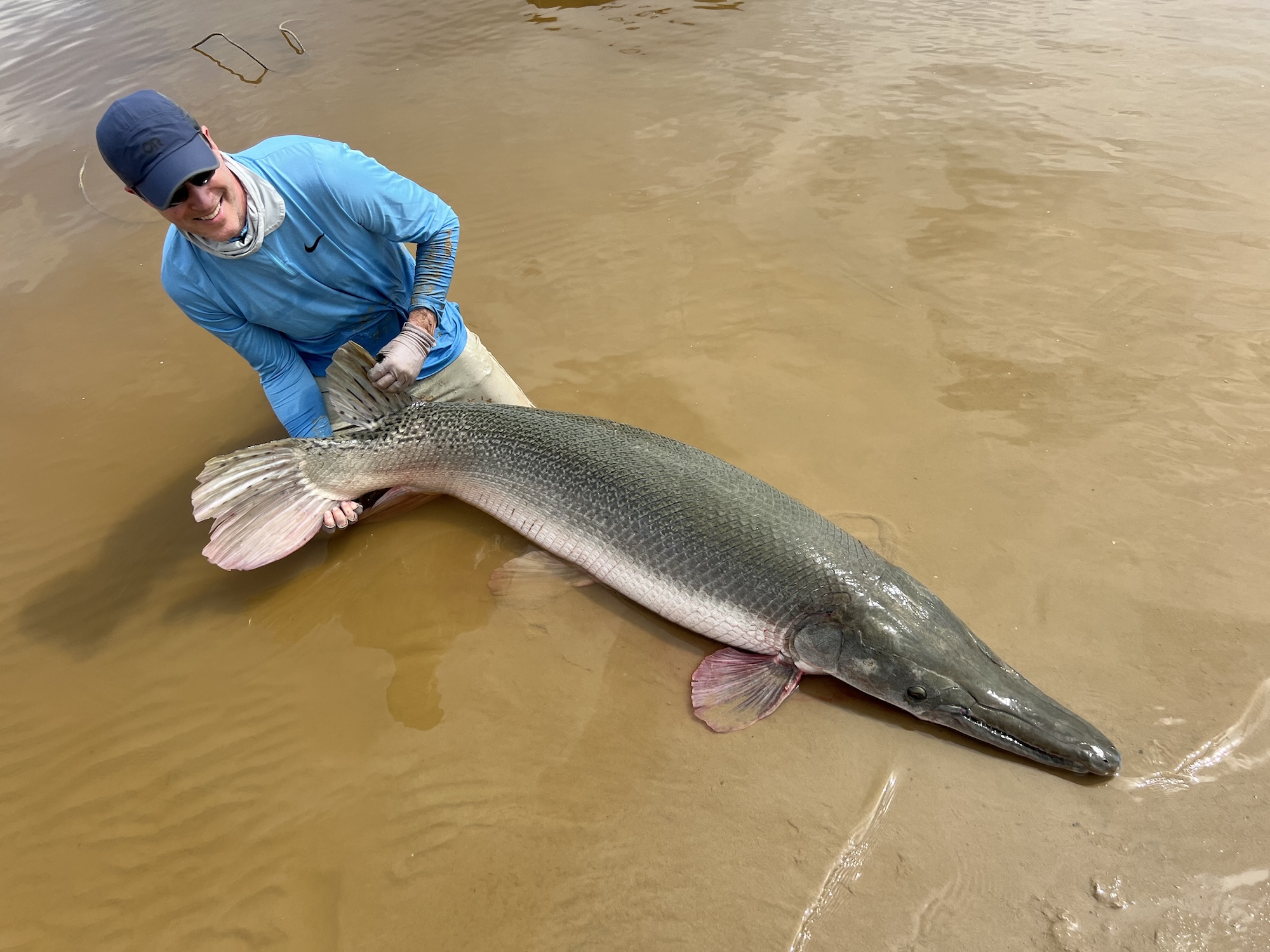
The Stokes Alligator holds the official world record for the largest American alligator ever recorded. Harvested in Alabama in 2014, this specimen measured 15 feet 9 inches (4.8 meters) in length and weighed a staggering 1,011.5 pounds (458.8 kg), setting a benchmark that remains unsurpassed in 2026.
Understanding the magnitude of the world's largest alligator requires a deep dive into wildlife biology, historical records, and the specific environmental conditions that allow these prehistoric reptiles to reach such gargantuan proportions. While the American alligator (Alligator mississippiensis) is a common sight across the Southeastern United States, specimens exceeding 14 feet are biological outliers, representing the absolute upper limit of the species' growth potential.
The Official Record: The Stokes Alligator
In August 2014, Mandy Stokes and her family were participating in a sanctioned alligator hunt in the Alabama River, near Camden. After a grueling ten-hour battle, they secured a specimen that would eventually redefine the record books. The measurement process was conducted by the Alabama Wildlife and Freshwater Fisheries Division, ensuring that the data was verified by professional biologists rather than anecdotal claims.
The Stokes Alligator was not just long; it was exceptionally massive. Its stomach alone contained a 115-pound female deer, illustrating the apex predator status of a reptile this size. The weight of 1,011.5 pounds was so significant that it reportedly broke the first winch used by the biologists to lift it for weighing. This record was officially certified by Guinness World Records and the Safari Club International (SCI), which uses a rigorous scoring system for trophy animals.
Technical Dimensions of the Stokes Record
To appreciate the sheer scale of the Stokes Alligator, one must look at the specific anatomical measurements taken during the certification process:
- Total Length: 15 feet 9 inches.
- Total Weight: 1,011.5 pounds.
- Snout-to-Vent Length: Approximately half of the total length, indicating a robust trunk.
- Tail Girth: Over 70 inches at its widest point.
Because alligators are cold-blooded, reaching this size requires an environment with consistent heat and an abundance of high-protein prey. The Alabama River system provided the perfect "growth chamber" for this individual to survive for an estimated 50 to 60 years.
The Marsh Island Legend: Historical Claims of 19 Feet
While the Stokes Alligator is the scientifically verified record holder, historical records often mention a massive alligator killed in 1890 on Marsh Island, Louisiana. This specimen, reportedly shot by E.A. McIlhenny (of the Tabasco sauce family), was claimed to be 19 feet 2 inches long.
However, modern herpetologists view this claim with extreme skepticism. In 2026, biological modeling of alligator growth suggests that a 19-foot alligator is functionally impossible under current Earth oxygen levels and habitat constraints. When biologists scale the skull of the Marsh Island alligator (which was preserved) against the reported body length, the proportions do not align with any known American alligator growth patterns. Most experts believe the measurement was either an exaggeration or perhaps a measurement taken along the curves of the hide after it had been stretched during the skinning process.

Living Giants: The Largest Alligators in Captivity
In 2026, the title for the largest living alligator in captivity belongs to "Big Tex," a resident of Gator Country in Beaumont, Texas. Rescued from the wild in 2016 because he had lost his fear of humans, Big Tex measures 13 feet 8.5 inches.
Captivity often allows alligators to reach their maximum genetic potential faster than in the wild. In a controlled environment, these reptiles do not have to expend energy hunting, defending territory, or surviving lean winters.
- Dietary Consistency: Captive giants are fed nutrient-dense diets that prevent the "stunting" often seen in wild gators during drought years.
- Safety: They are protected from injuries and infections that typically claim older wild alligators.
- Monitoring: Biologists can monitor their health in real-time, ensuring that the animal lives well into its 70s or 80s.
Another notable captive giant is "Mighty Mike," who has spent time at various aquariums and reptile parks. Measuring approximately 14 feet, Mike serves as a primary educational ambassador, helping the public understand the difference between the American alligator and its larger relative, the crocodile.
Comparing the Giants: Alligators vs. Crocodiles
When discussing the world's largest alligator, it is common for the public to confuse them with crocodiles. It is essential to distinguish the two, as their size potential differs significantly. The largest American alligator (15' 9") is dwarfed by the largest Saltwater crocodiles (Crocodylus porosus), which can exceed 20 feet.
| Feature | American Alligator (Record) | Saltwater Crocodile (Record) |
|---|---|---|
| Scientific Name | Alligator mississippiensis | Crocodylus porosus |
| Max Verified Length | 15 ft 9 in (Stokes Gator) | 20 ft 3 in (Lolong) |
| Max Verified Weight | 1,011.5 lbs | 2,370 lbs |
| Snout Shape | U-shaped, broad | V-shaped, tapered |
| Habitat | Freshwater marshes, rivers | Brackish and saltwater |
| Primary Location | Southeastern USA | Southeast Asia, Australia |
The difference in size is largely due to evolutionary niches. Saltwater crocodiles have evolved to navigate open oceans and hunt much larger prey, whereas alligators are optimized for the freshwater ecosystems of the American South.
Biological Constraints: Why Don't Alligators Grow Indefinitely?
A common myth is that alligators have "indeterminate growth," meaning they never stop growing until they die. While it is true that alligators continue to grow throughout their lives, the rate of growth slows to a near-halt once they reach social and sexual maturity.
The Growth Curve
- Juvenile Stage: Alligators grow rapidly, often gaining a foot in length per year for the first 5-6 years.
- Maturity: Once a male reaches about 9-10 feet, energy is diverted from skeletal growth to reproduction and territorial maintenance.
- Senescence: In very old age (50+ years), growth may be measured in millimeters rather than inches.
The primary limiting factors for reaching "world's largest" status are metabolic efficiency and bone density. As an alligator gets heavier, the energetic cost of moving its body increases exponentially. Eventually, the calories required to maintain a 1,000-pound body exceed the alligator's ability to hunt effectively, creating a biological ceiling.
Environmental Factors in Record Growth
Not all habitats are created equal. The reason record-breaking alligators like the Stokes Gator are found in Alabama, Louisiana, and Florida is due to specific environmental variables:
- Thermal Consistency: Alligators are ectothermic. Regions with shorter winters allow for a longer "growing season" each year where the animal remains active and feeding.
- Nutrient-Rich Ecosystems: River deltas and marshes with high biodiversity provide a steady stream of high-calorie prey, such as feral hogs, deer, and large fish.
- Low Human Pressure: To reach 15 feet, an alligator needs to live for roughly half a century without being harvested or displaced by urban development. Protected wildlife management areas are the most likely places to find future record contenders.
The Role of State Wildlife Agencies in Tracking Records
In 2026, the management of alligator populations is a success story of American conservation. State agencies like the Florida Fish and Wildlife Conservation Commission (FWC) and the Louisiana Department of Wildlife and Fisheries (LDWF) use strictly regulated hunting seasons to manage populations.
These hunts are the primary source of data for "world's largest" claims. Every alligator harvested must be tagged and, in the case of potential records, measured by a state biologist. This system prevents the fraudulent "estimated" measurements that were common in the 19th and 20th centuries. The use of standardized measuring tapes, certified scales, and photographic evidence ensures that the record for the world's largest alligator is grounded in hard science.
Frequently Asked Questions
What is the biggest alligator ever caught in Florida?
The Florida record for length is a 14-foot 3.5-inch male from Lake Washington, caught in 2010. However, the weight record is held by a 13-foot 10.5-inch alligator from Orange Lake that weighed 1,043 pounds. This highlights that "largest" can refer to either length or mass.
Can an alligator grow to be 20 feet long?
Based on current biological data and historical verification, it is highly unlikely. There has never been a scientifically verified American alligator reaching 20 feet. The skeletal structure of the species would likely struggle to support the weight associated with that length on land.
Where is the Stokes Alligator now?
After its capture and verification, the Stokes Alligator was processed and its hide was mounted for display. It has been exhibited at various locations, including the Antler & Fin museum in Alabama, allowing the public to see the scale of a 15-foot predator firsthand.
How do biologists determine the age of giant alligators?
Biologists use a method called skeletochronology, which involves counting the growth rings (similar to tree rings) in a cross-section of the alligator's femur or toe bone. For the world's largest specimens, this often reveals ages between 50 and 75 years.
Is the world's largest alligator dangerous to humans?
Any alligator over 10 feet is a potentially apex predator. However, giant alligators are typically very wary of humans and tend to stay in deep, remote swamp areas. Most conflict occurs with smaller "nuisance" alligators that have become habituated to human feeding.
Is there a difference between "world's largest" and "world's heaviest"?
Yes. In the record books, these are often two different categories. The Stokes Gator currently holds the title for length, but other specimens have come close in weight while being shorter. For trophy hunters, length is usually the primary metric, while biologists look at total mass as an indicator of health and environment.
Summary of Record Contenders (2026 Status)
| Alligator Name/Origin | Length | Weight | Date Recorded | Status |
|---|---|---|---|---|
| Stokes Alligator | 15' 9" | 1,011.5 lbs | 2014 | Official World Record |
| Big Tex (Captive) | 13' 8.5" | ~900 lbs | 2016 | Largest Living (Captive) |
| Lake Washington (FL) | 14' 3.5" | 654 lbs | 2010 | FL Length Record |
| Orange Lake (FL) | 13' 10.5" | 1,043 lbs | 1989 | FL Weight Record |
| Marsh Island | 19' 2" | Unverified | 1890 | Disputed Historical Claim |
Final Recommendations for Enthusiasts
For those interested in seeing the world's largest alligator specimens, visiting state-certified museums or wildlife centers is the best path. In 2026, the Stokes Alligator remains the gold standard for size. If you encounter a large alligator in the wild, maintain a distance of at least 60 feet.
To support the continued existence of these giants, consider contributing to wetland conservation efforts. Alligators require vast, undisturbed habitats to reach record-breaking sizes, and the preservation of Southern marshlands is the only way to ensure that the 15-foot giants of the future have a place to grow. If you believe you have found a record-breaking specimen during a legal hunt, contact your state's wildlife agency immediately to arrange for a certified measurement before the animal is processed.
Image Gallery
Select an image to open it in a new tab.

Akira Tanaka
International Academic Trends Correspondent
