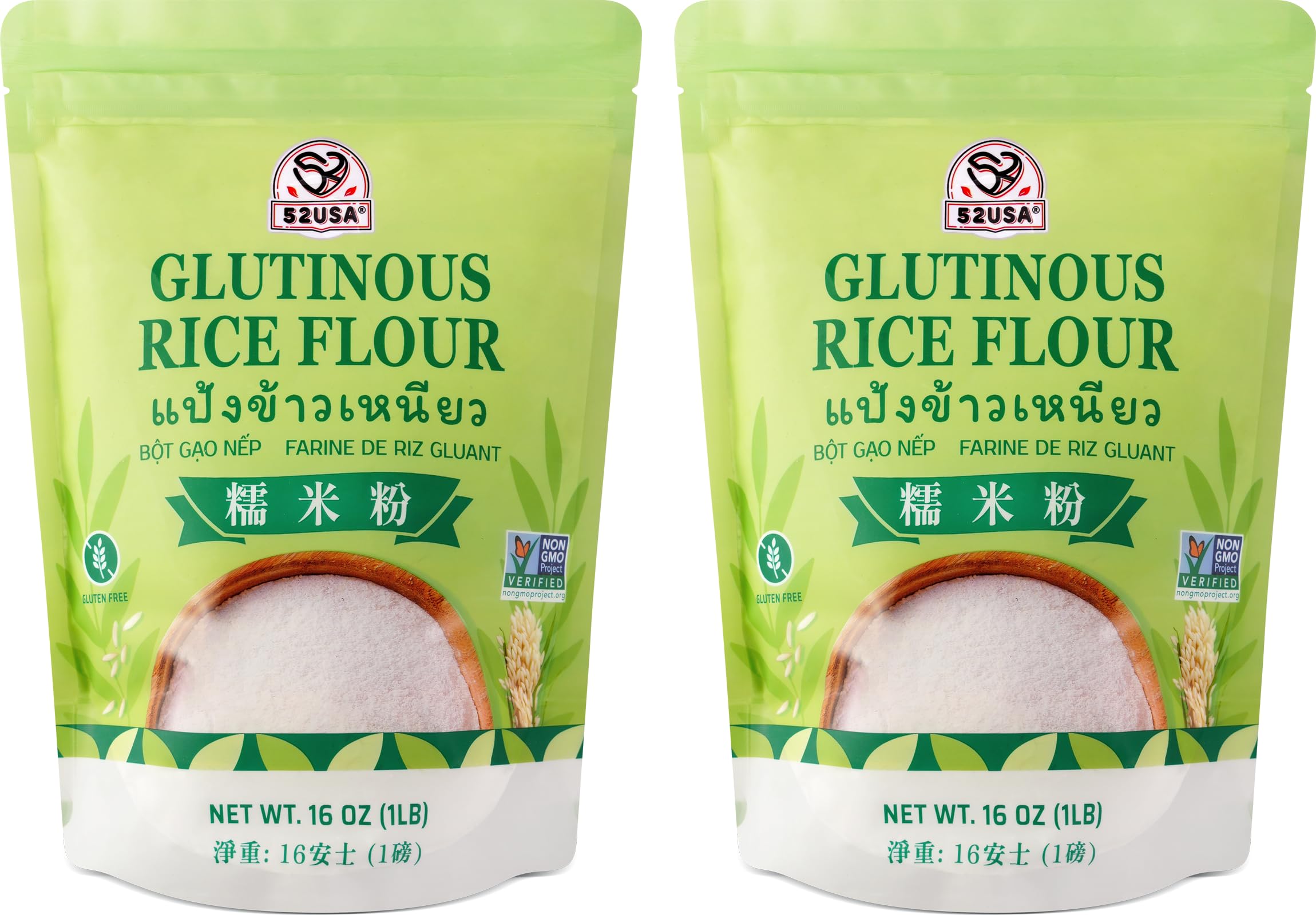
White rice flour and glutinous rice flour are entirely different ingredients with distinct starches, textures, and culinary uses. White rice flour yields light, crisp baked goods and serves as a reliable gluten-free thickener, whereas glutinous rice flour becomes intensely chewy, sticky, and stretchy when cooked due to its high concentration of sticky amylopectin starch.
When embarking on a culinary or baking project that calls for rice flour, picking up the wrong package can completely alter the outcome of a recipe. While both products derive from rice and share a fine, powdery white appearance when dry, their behavior in the kitchen diverges dramatically. Understanding the fundamental characteristics of white rice flour versus glutinous rice flour ensures that your baked goods achieve a delicate crumb and your Asian delicacies acquire their characteristic chew.
Botanical Origins and Production Processes
Both white rice flour and glutinous rice flour originate from the same species of Asian rice, Oryza sativa. However, they are milled from entirely different sub-varieties of rice grains, which dictates their chemical composition and functional properties.
White rice flour is typically milled from standard long-grain or medium-grain white rice. The grains are cleaned, polished, and ground into a fine powder. Depending on the milling technique, you can find it in fine or coarse grinds. Because it utilizes standard table rice, white rice flour contains a balance of two essential starches: amylose and amylopectin. Amylose consists of straight-chain molecules that tend to firm up and retrograde as they cool, while amylopectin consists of highly branched molecules that hold moisture and provide structure.
Glutinous rice flour, on the other hand, is milled from glutinous rice—also known as sweet rice, sticky rice, or mochigome. Despite the word "glutinous" in its name, glutinous rice flour is completely gluten-free. The term refers to the glue-like, sticky texture the rice develops when cooked, not to the wheat protein gluten. Glutinous rice contains virtually zero amylose and is composed almost entirely of amylopectin. This biochemical distinction is the single most important factor governing how the flour behaves when exposed to heat and moisture.
Chemical Composition and Starch Structures
The divergence in texture between these two flours comes down to the ratio of amylose to amylopectin.
| Starch Feature | White Rice Flour | Glutinous Rice Fl. |
|---|---|---|
| Amylose Content | ~20% - 25% | 0% - 1% |
| Amylopectin Content | ~75% - 80% | 99% - 100% |
| Gelatinization Temp | Moderate | Low |
| Cooked Texture | Firm, crumbly | Chewy, stretchy |
| Gluten Presence | None | None |
White rice flour contains roughly 20% to 25% amylose. When heated with water, these linear starch molecules uncoil and form a relatively rigid gel network as they cool. This makes white rice flour behave similarly to standard wheat flour in terms of providing structure and rigidity, though it lacks the elastic gluten network needed to trap yeast gases effectively on its own. Consequently, baked goods made solely with white rice flour can sometimes taste gritty or crumbly unless paired with starches like tapioca or potato starch.
Glutinous rice flour, possessing nearly 100% amylopectin, hydrates rapidly and gelatinizes at lower temperatures. The branched structure of amylopectin prevents the molecules from packing tightly together, resulting in a soft, pliable, and intensely sticky paste. When steamed, boiled, or baked, glutinous rice flour traps water efficiently, creating the characteristic bounce found in mochi, tangyuan, and daifuku.

Culinary Applications for White Rice Flour
White rice flour is a staple in global gluten-free cooking and traditional Asian baking. Its neutral flavor profile and fine texture make it remarkably versatile.
Gluten-Free Baking and Blending
Because white rice flour lacks gluten, it cannot form the elastic network required for traditional bread making on its own. However, it is an indispensable component of commercial and homemade gluten-free flour blends. Bakers combine white rice flour with starches (such as tapioca starch or arrowroot) and binders (like xanthan gum) to mimic the performance of all-purpose wheat flour. It works exceptionally well in cookies, shortbreads, pancakes, and muffins where a tender, crumbly texture is desired.
Frying and Coating
In both Asian and Western cuisines, white rice flour is frequently used as a coating for fried foods. Because rice flour absorbs less oil than wheat flour during frying, it produces an exceptionally light, crisp, and delicate crust. It is commonly used for Japanese tempura variations, southern-style fried chicken, and crispy pan-fried fish.
Thickening Sauces and Soups
White rice flour makes an effective, gluten-free thickening agent for gravies, sauces, and puddings. Unlike cornstarch, which can sometimes impart a glossy sheen and break down under freezing conditions, white rice flour provides a more opaque, stable consistency. When whisked into liquids and heated, it thickens smoothly without imparting any competing flavors.
Culinary Applications for Glutinous Rice Flour
Glutinous rice flour cannot be substituted 1:1 for white rice flour in standard baking recipes because it will not bake into a light, crumbly product. Instead, it becomes dense, chewy, and elastic.
Asian Confectionery and Desserts
Glutinous rice flour is the foundational ingredient for many iconic Asian sweets. In Japanese cuisine, it is used to make mochi and dango. In Chinese cuisine, it forms the dough for tangyuan (sweet glutinous rice balls served in syrup) and nian gao (New Year sticky cake). Korean cuisine utilizes it to make tteok (rice cakes) and sweet pancakes like hotteok.
Savory Dumplings and Pastries
Beyond sweets, glutinous rice flour is used in various regional savory dishes. For instance, certain types of dim sum wrappers, fried sesame balls (jian dui), and specific regional dumplings rely on the unique cohesive properties of glutinous rice flour to hold fillings securely without tearing during boiling or frying.
Textural Enhancements
Home cooks and commercial food manufacturers occasionally blend small quantities of glutinous rice flour into gluten-free bread formulas or batter mixes to improve moisture retention, softness, and shelf life, taking advantage of the amylopectin's moisture-holding capacity.
Practical Comparison and Substitution Guide
Attempting to substitute white rice flour for glutinous rice flour—or vice versa—will generally lead to recipe failure. The structural differences in their starches prevent them from behaving interchangeably.
- Can you substitute white rice flour for glutinous rice flour? No. If you use white rice flour in a recipe for mochi, the final product will not hold together, will lack chewiness, and will result in a crumbly, pasty, or gritty mess.
- Can you substitute glutinous rice flour for white rice flour? No. If you use glutinous rice flour in a standard gluten-free cookie or cake recipe, the baked goods will turn out gummy, heavy, chewy, and rubbery rather than tender and crisp.
- What about brown rice flour? Brown rice flour is milled from whole grain brown rice, retaining the nutrient-rich bran layer. It has a nuttier, earthier flavor and behaves more similarly to white rice flour than glutinous rice flour, though it has a heavier texture and shorter shelf life due to natural oils in the bran.
Storage, Handling, and Shelf Life
Proper storage preserves the quality of both white rice flour and glutinous rice flour. Because rice flours lack gluten and have varying fat contents, their storage requirements deserve attention.
White rice flour, particularly if milled from refined white rice, has a relatively long shelf life when kept in an airtight container in a cool, dark pantry. However, if it is stone-ground or whole-grain white rice flour, it contains trace oils that can go rancid over time.
Glutinous rice flour should be stored in a sealed container in a cool, dry place. Because of its fine texture and high starch content, it easily absorbs ambient moisture and kitchen odors. For long-term storage, both flours can be kept in the refrigerator or freezer for up to six months, provided they are sealed in moisture-proof packaging to prevent freezer burn and condensation absorption.
Common Mistakes to Avoid
Working with rice flours requires adjusting expectations from traditional wheat-based baking. Avoiding common pitfalls ensures better results in the kitchen.
- Assuming "Glutinous" Contains Gluten: Always check labels, but remember that pure glutinous rice flour is inherently gluten-free. Celiac disease sufferers can safely consume it, provided it is processed in a dedicated gluten-free facility to avoid cross-contamination.
- Failing to Measure Accurately: Rice flour packs densely in measuring cups. Scooping flour directly with a measuring cup often adds too much product, leading to dry, dense baked goods. Fluff the flour with a fork, spoon it into the measuring cup, and level it off with a straight edge.
- Expecting Yeast Leavening: Neither white rice flour nor glutinous rice flour contains gluten to trap gas bubbles produced by yeast. Do not expect rice flour bread dough to rise and bake like wheat bread unless specialized hydrocolloids and structural starches are part of a tested formula.
Frequently Asked Questions
Is glutinous rice flour safe for people with celiac disease?
Yes, pure glutinous rice flour is naturally free of wheat gluten. The word "glutinous" describes the glue-like, sticky texture of the cooked rice, not the presence of gluten proteins. However, individuals with celiac disease or severe wheat allergies should always verify that the product is certified gluten-free to rule out cross-contamination during commercial milling and packaging.
Can I mix white rice flour and glutinous rice flour together?
Yes, some specialized gluten-free recipes combine both flours to achieve a specific balance of structure and chewiness. For example, certain traditional Asian pastries and modern gluten-free baking experiments blend white rice flour for structure with a small amount of glutinous rice flour to retain moisture and softness.
Why do my baked goods taste gritty when using white rice flour?
Grittiness usually occurs because white rice flour has a harder starch structure that does not absorb liquid instantly. To eliminate grittiness, use finely milled white rice flour (often labeled as superfine or Japanese-style rice flour) and allow the batter or dough to rest for 15 to 30 minutes before baking, giving the flour particles time to fully hydrate.
How do I store opened packages of rice flour?
Transfer opened packages of rice flour into airtight glass or plastic containers. Store them in a cool, dark pantry for short-term use, or place them in the refrigerator or freezer to extend shelf life and prevent pantry pests or rancidity.
What is a good substitute for glutinous rice flour if I cannot find it?
There is no direct 1:1 substitute that replicates the exact chewy texture of glutinous rice flour. In a pinch, tapioca starch (or tapioca flour) can mimic some of the stretchy elasticity in certain dumpling recipes, but it will not yield the same traditional density and bounce found in authentic mochi or Asian sweets.
Conclusion
Mastering the differences between white rice flour and glutinous rice flour unlocks the potential of both global gluten-free baking and traditional Asian confectionery. Remember that white rice flour provides structure, crispness, and a crumbly texture suitable for frying and baking, while glutinous rice flour delivers moisture, elasticity, and an intensely chewy bite for sweets and dumplings. Selecting the correct flour for your specific recipe ensures authentic textures and reliable culinary results every time.
Image Gallery
Select an image to open it in a new tab.
Zara El-Hashem
Sociocultural Dynamics and Academics Writer
