The Role of 600 mg Calcium Carbonate Dietary Supplements in Bone Health and Osteoporosis Prevention
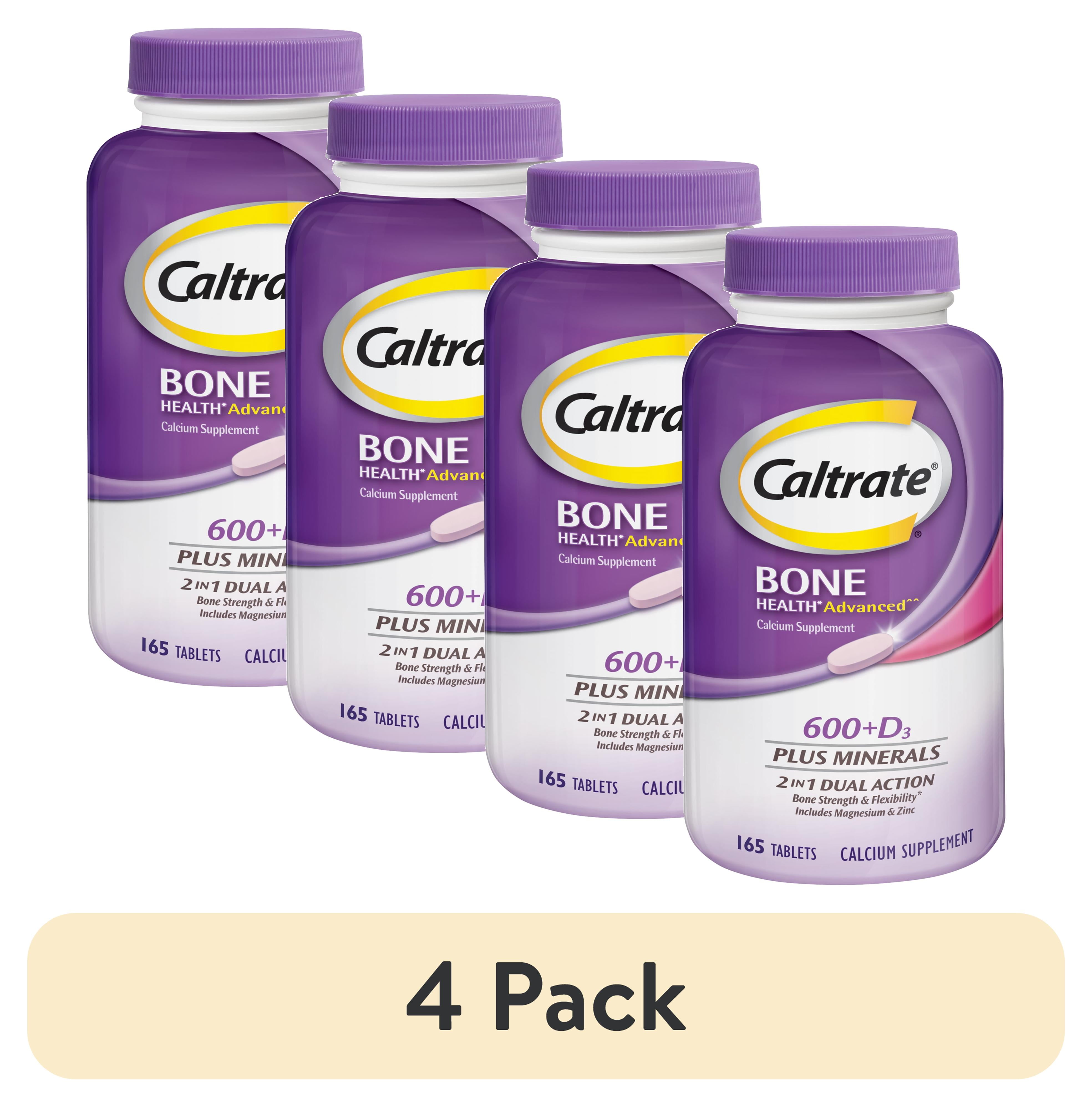
Calcium carbonate dietary supplements providing 600 mg of elemental calcium play a critical role in maintaining bone mineral density and structural integrity. By providing the essential building blocks for the hydroxyapatite matrix and suppressing bone-resorbing parathyroid hormone, these supplements help prevent fractures and combat age-related bone loss, particularly when paired with vitamin D.
Understanding the Chemistry and Composition of Calcium Carbonate
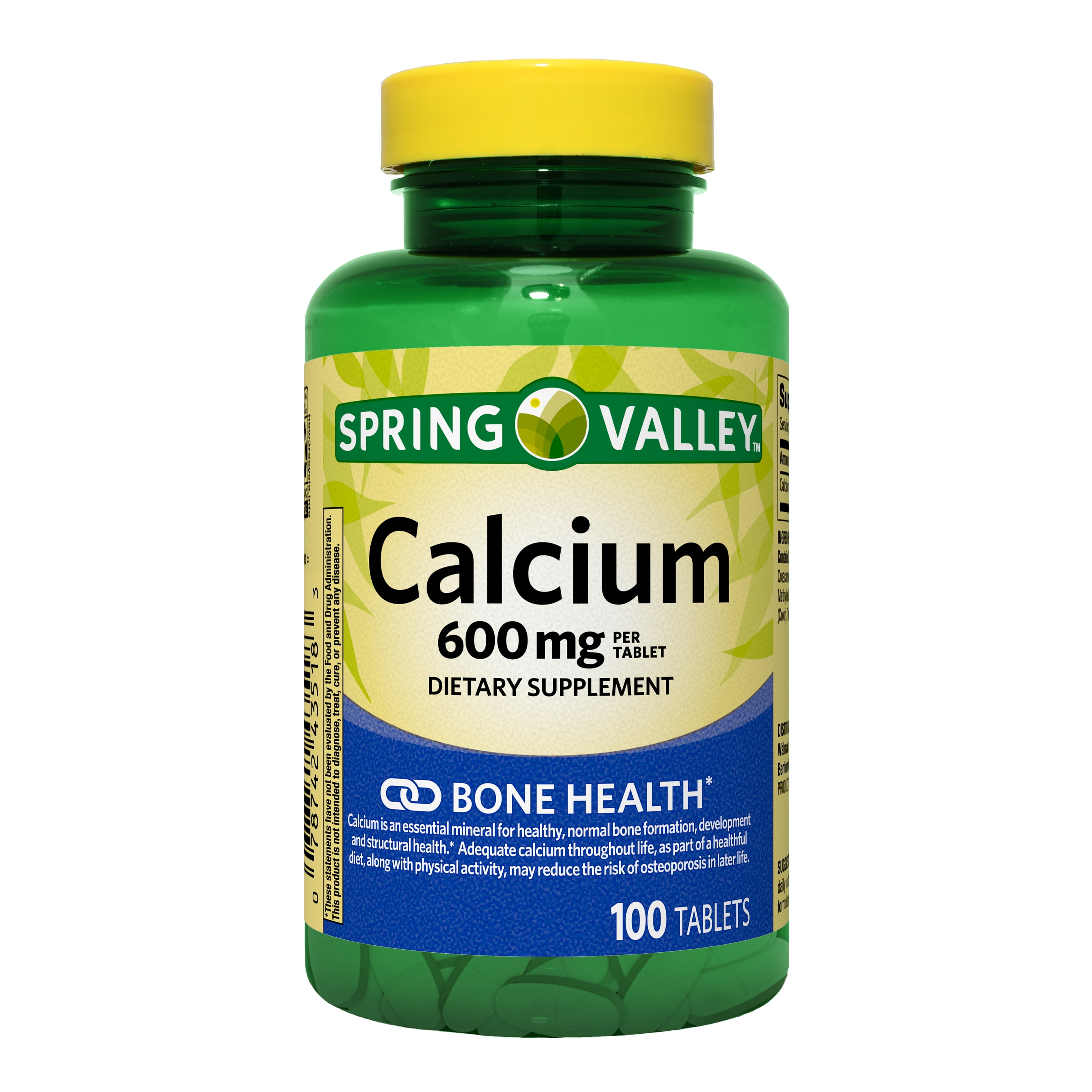
To understand the role of a 600 mg calcium carbonate supplement, one must first distinguish between the weight of the compound and the weight of the elemental calcium. Calcium carbonate ($CaCO_3$) is a chemical compound commonly sourced from limestone, oyster shells, or coral. It is the most concentrated form of supplemental calcium, containing approximately 40% elemental calcium by weight.
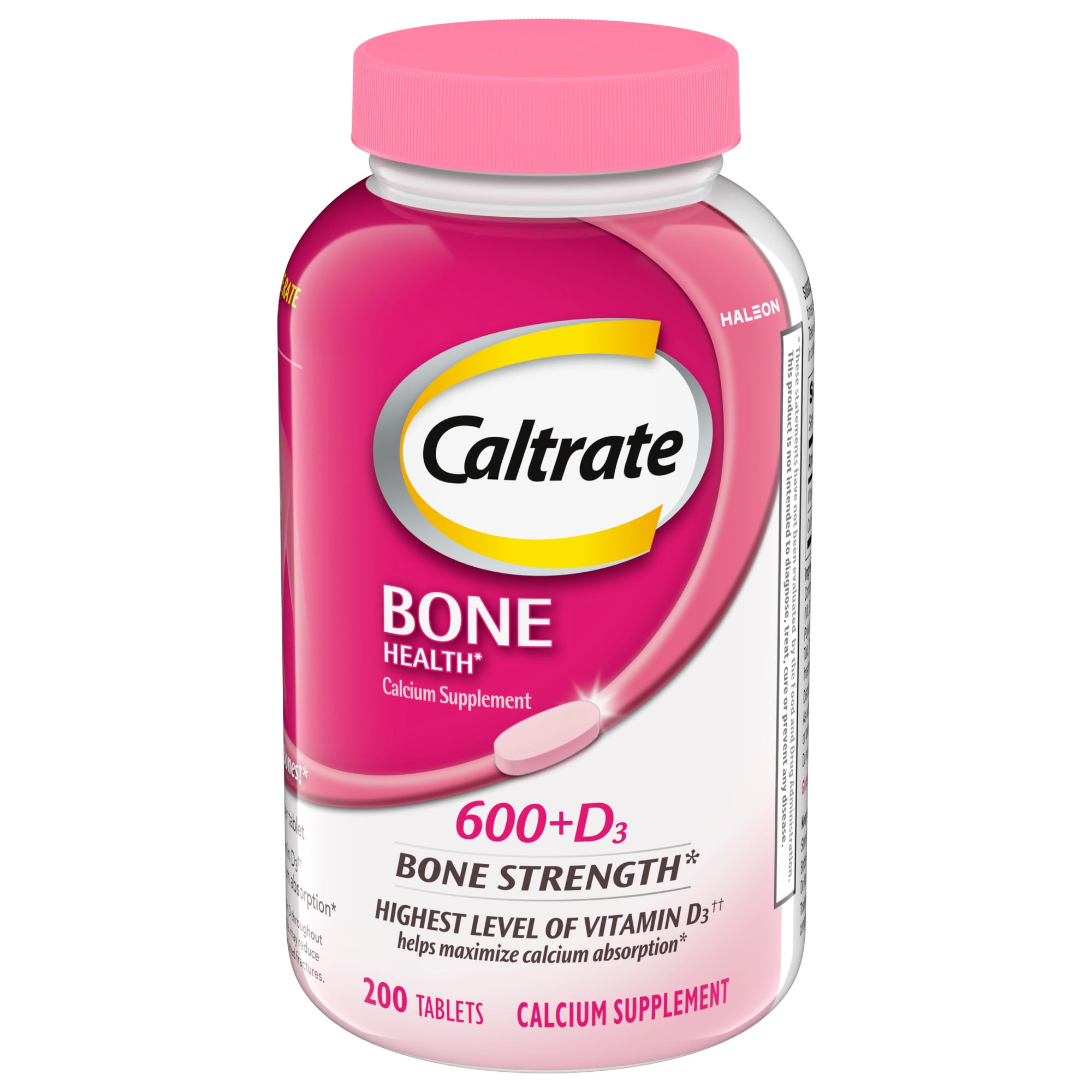
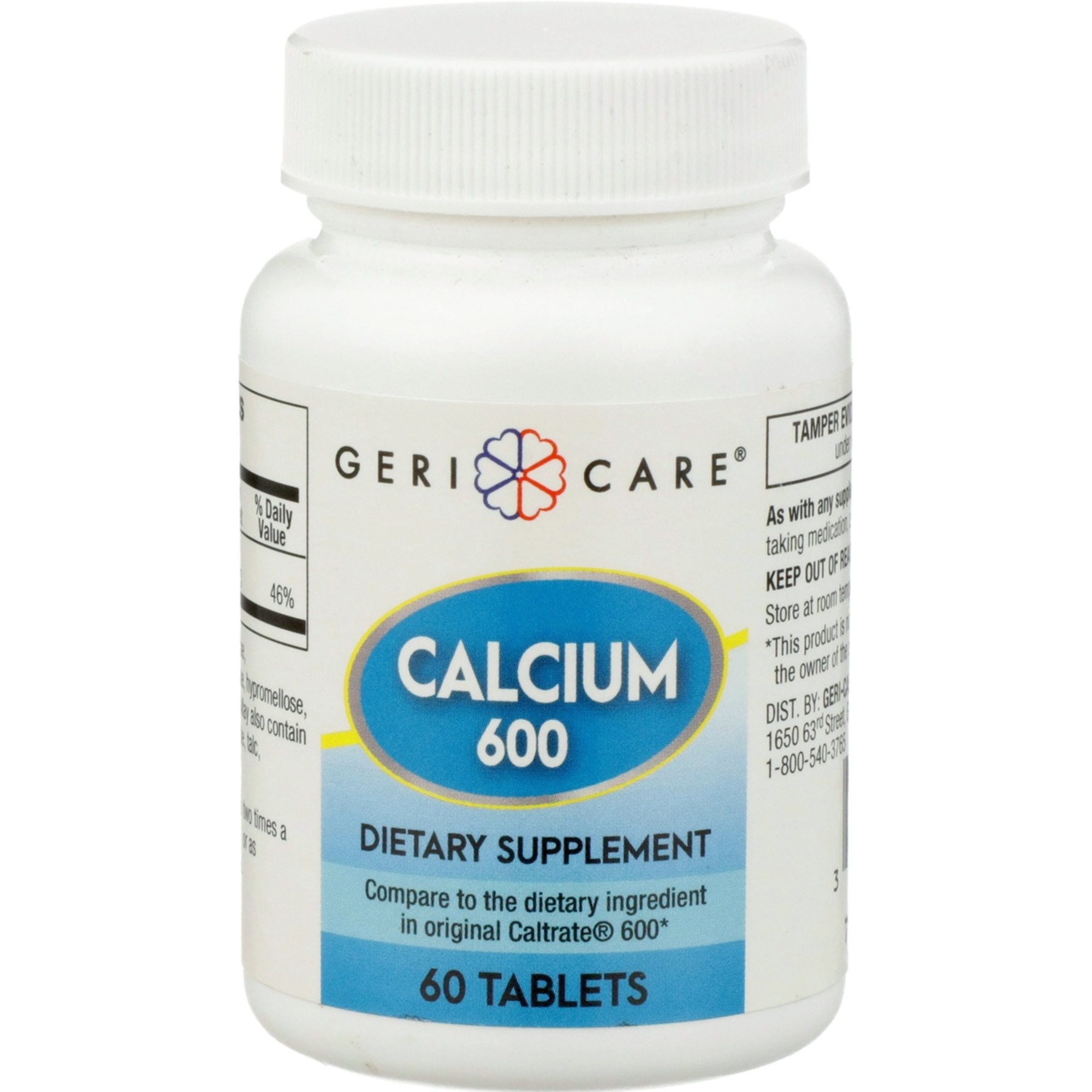
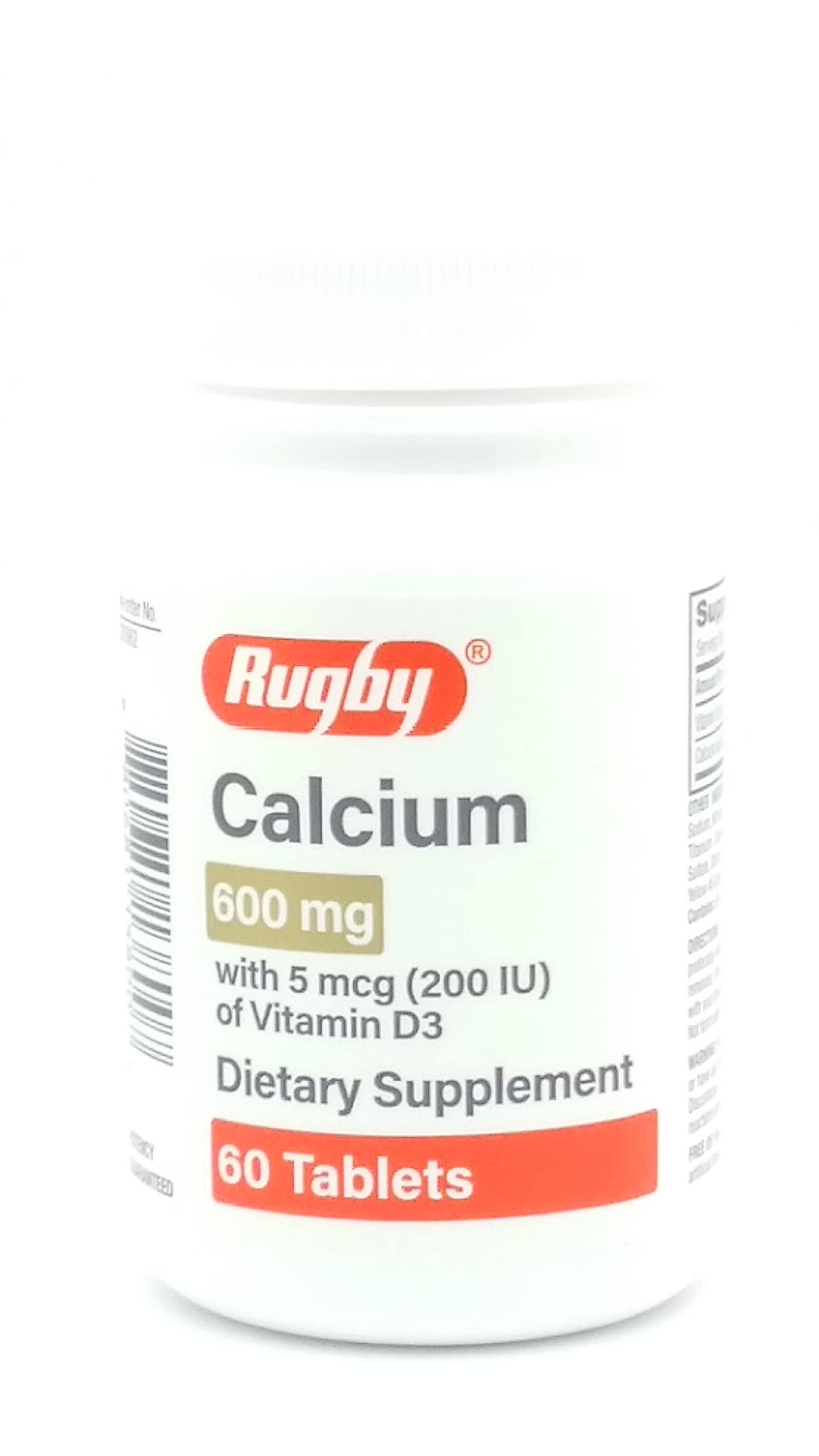
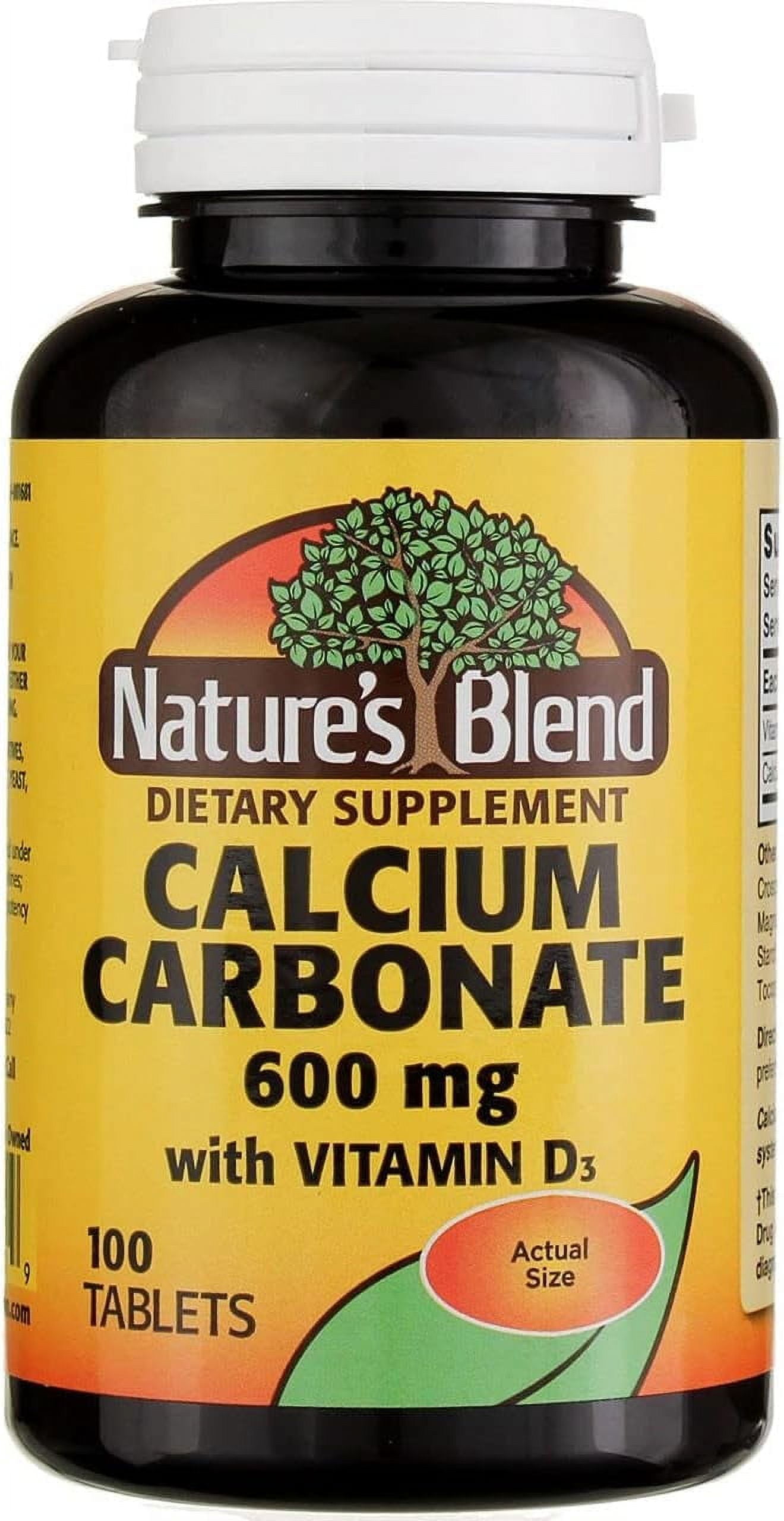
When a supplement is labeled as "Calcium 600," it typically refers to 600 mg of elemental calcium, which requires approximately 1,500 mg of calcium carbonate salt. This 600 mg threshold is significant because the human body’s ability to absorb calcium in a single sitting is limited. Research consistently shows that fractional absorption decreases as the dose increases; therefore, 500 to 600 mg represents the "sweet spot" for maximum efficiency.
Unlike calcium citrate, which can be taken on an empty stomach, calcium carbonate is alkaline and requires gastric acid for dissolution and subsequent absorption in the small intestine. This necessity dictates the timing of the supplement, as it must be taken with food to trigger the release of stomach acid. For many individuals in 2026, calcium carbonate remains the gold standard due to its high elemental density per tablet and its cost-effectiveness compared to other chelates.
The Biological Mechanics: How Calcium Supports Bone Health
Bone is not a static structure; it is a dynamic, living tissue that undergoes a continuous process of remodeling. This process involves two primary cell types: osteoclasts, which break down old bone (resorption), and osteoblasts, which lay down new bone mineral (formation).
The Hydroxyapatite Matrix
The primary role of calcium carbonate in this process is providing the raw material for hydroxyapatite, a mineral complex of calcium and phosphorus that gives bones their compressive strength and hardness. Approximately 99% of the body's calcium is stored in the bones and teeth. When dietary intake is insufficient, the body prioritizes blood calcium levels—necessary for heart function, muscle contraction, and nerve signaling—over skeletal density.
Parathyroid Hormone (PTH) Regulation
When blood calcium levels drop, the parathyroid glands release PTH. This hormone signals the osteoclasts to dissolve bone tissue to release calcium into the bloodstream. A daily 600 mg supplement of calcium carbonate helps maintain serum calcium levels, thereby suppressing the release of PTH. By keeping PTH levels stable, the supplement prevents the "theft" of calcium from the skeletal reservoir, effectively slowing the rate of bone loss.
Therapeutic Applications and Target Populations
The utility of 600 mg calcium carbonate extends across various life stages, but its role is most pronounced in populations at high risk for osteopenia and osteoporosis.
Postmenopausal Women
The decline in estrogen during menopause leads to an acceleration of bone resorption. Clinical guidelines in 2026 continue to emphasize that women over 50 often require 1,200 mg of calcium daily. A 600 mg supplement serves as a primary tool to bridge the gap between average dietary intake (often around 600–700 mg) and the clinical requirement.
Older Adults and Sarcopenia
In the elderly, the efficiency of calcium absorption decreases naturally. Furthermore, the skin's ability to synthesize vitamin D from sunlight diminishes. Calcium carbonate 600 mg, when combined with vitamin D3, has been shown to reduce the risk of non-vertebral and hip fractures by improving the structural "toughness" of the femoral neck and spine.
Individuals on Plant-Based Diets
As plant-based lifestyles have become more prevalent in 2026, many individuals may lack bioavailable calcium sources. While leafy greens contain calcium, compounds like oxalates and phytates can inhibit absorption. A 600 mg calcium carbonate supplement provides a reliable, concentrated source that bypasses the absorption barriers found in certain plant foods.
Comparing Calcium Carbonate with Other Forms
When choosing a supplement, it is vital to compare the efficacy and requirements of calcium carbonate against its primary alternative, calcium citrate.
| Feature | Calcium Carbonate (600 mg) | Calcium Citrate |
|---|---|---|
| Elemental Calcium % | ~40% (Highest density) | ~21% (Lower density) |
| Absorption Requirement | Must be taken with food (Acid-dependent) | Can be taken with or without food |
| Pill Count | Usually 1 pill for 600 mg elemental | Usually 2-3 pills for same dose |
| Cost | Most affordable | More expensive |
| Best For | General population, healthy digestion | Seniors on PPIs, low stomach acid |
| Common Side Effects | Gas, bloating, constipation | Generally well-tolerated |
Optimization: The Synergy of Vitamin D, K2, and Magnesium
Taking 600 mg of calcium carbonate in isolation is often suboptimal. For the supplement to effectively contribute to bone health, it requires a supporting cast of nutrients that govern its transport and deposition.
The Role of Vitamin D3 (Cholecalciferol)
Vitamin D3 is the "gatekeeper" for calcium. It facilitates the synthesis of calcium-binding proteins in the small intestine, which allow the calcium from the carbonate salt to cross the intestinal barrier into the bloodstream. Without adequate Vitamin D, even high doses of calcium carbonate may pass through the digestive tract unabsorbed.
The Importance of Vitamin K2 (MK-7)
While Vitamin D ensures calcium enters the blood, Vitamin K2 ensures it reaches the bones. K2 activates osteocalcin, a protein that binds calcium to the bone matrix. Furthermore, K2 prevents the deposition of calcium in the arterial walls (vascular calcification), addressing one of the primary safety concerns associated with high-dose calcium supplementation.
Magnesium Balance
Magnesium is required to convert Vitamin D into its active form (calcitriol). A diet too high in calcium and too low in magnesium can lead to a biological imbalance. Experts in 2026 recommend monitoring the calcium-to-magnesium ratio to ensure that supplemental calcium carbonate does not inadvertently deplete magnesium stores.
Potential Risks and Safety Considerations
Despite its benefits, 600 mg calcium carbonate is not without potential drawbacks. Users must be aware of the threshold of safety to avoid adverse outcomes.
Gastrointestinal Distress
Because calcium carbonate is a salt that reacts with stomach acid to produce carbon dioxide, some users experience gas, bloating, or constipation. This can often be mitigated by increasing water intake or splitting the dose into smaller increments throughout the day.
Kidney Stones
There is a nuanced relationship between calcium and nephrolithiasis (kidney stones). While high levels of urinary calcium increase stone risk, taking calcium carbonate with meals can actually reduce risk by binding to oxalates in the gut, preventing them from being absorbed and reaching the kidneys.
Hypercalcemia and Cardiovascular Health
Hypercalcemia, or an excess of calcium in the blood, is rare but serious. It typically occurs when individuals exceed the Tolerable Upper Intake Level (UL) of 2,500 mg per day. Long-term excessive supplementation has been scrutinized for potential links to heart disease; however, current 2026 data suggests that a single 600 mg daily dose, when combined with dietary sources, is safe for the majority of the population.
Pharmacological Interactions
Calcium carbonate is a potent mineral that can interfere with the absorption of various medications. It is essential to manage the timing of the 600 mg dose if taking the following:
- Bisphosphonates: Used for osteoporosis, these must be taken at least 30-60 minutes before calcium.
- Levothyroxine: Calcium carbonate can bind to thyroid medication, reducing its efficacy. A 4-hour gap is typically recommended.
- Antibiotics (Tetracyclines/Quinolones): Calcium can reduce the absorption of these drugs; a 2-hour window is necessary.
- Proton Pump Inhibitors (PPIs): Drugs like omeprazole reduce stomach acid, which significantly hinders the absorption of calcium carbonate. In these cases, calcium citrate is often the preferred alternative.
Implementation: How to Use 600 mg Calcium Carbonate Effectively
To maximize the role of the supplement in bone health, follow these evidence-based steps:
- Verify the Elemental Weight: Ensure the label specifically states "600 mg Elemental Calcium."
- Take with the Largest Meal: This ensures maximum gastric acid production for dissolution.
- Stay Hydrated: Increasing fluid intake helps prevent the constipating effects of carbonate salts.
- Monitor Total Intake: Calculate your dietary calcium (from dairy, fortified milks, or greens) and use the supplement only to reach the 1,000–1,200 mg total daily target.
- Check Vitamin D Levels: Aim for a serum 25(OH)D level that supports calcium transport, typically above 30 ng/mL as per 2026 clinical standards.
Frequently Asked Questions
Is it better to take 1200 mg at once or 600 mg twice a day?
It is significantly better to take 600 mg twice a day. The human body has a "ceiling" for calcium absorption. When you ingest 1,200 mg at once, the percentage of absorption drops sharply, and the excess calcium is more likely to cause constipation or be excreted. Splitting the dose ensures higher bioavailability.
Can I take calcium carbonate if I have acid reflux?
Individuals with acid reflux often take calcium carbonate in the form of antacids (like Tums). While it effectively neutralizes acid, long-term use for bone health should be supervised by a doctor. If you are on a daily Proton Pump Inhibitor (PPI) for reflux, calcium carbonate will not absorb well, and you should consider calcium citrate instead.
Does 600 mg calcium carbonate cause heart calcification?
Current medical consensus in 2026 indicates that supplemental calcium at moderate doses (like 600 mg) does not significantly increase cardiovascular risk for most people, especially when dietary intake is factored in and Vitamin K2 is present. The risk is primarily associated with extremely high doses that create "spikes" in blood calcium levels.
Can I get 600 mg of calcium from food instead?
Yes, and obtaining calcium from food is always preferred. For example, one cup of yogurt, two ounces of cheese, or three cups of cooked kale can provide substantial amounts. However, if your lifestyle or dietary restrictions make reaching 1,200 mg difficult, the 600 mg supplement serves as a safe and effective insurance policy for your skeletal system.
Does caffeine interfere with my calcium supplement?
Caffeine has a very slight effect on calcium excretion. While it does increase the amount of calcium lost in the urine, the effect is minimal—roughly 2–3 mg per cup of coffee. As long as your total daily intake is adequate (around 1,000–1,200 mg), moderate caffeine consumption will not undermine the bone-health benefits of your supplement.
Practical Recommendation
For optimal bone health in 2026, individuals should utilize 600 mg calcium carbonate as a targeted supplement rather than a total meal replacement. Measure your average daily dietary calcium intake; if it falls below 1,000 mg, introduce one 600 mg tablet with your largest meal. Ensure your regimen includes at least 1,000–2,000 IU of Vitamin D3 and consider a Vitamin K2 supplement to guide the calcium into the bone matrix. Always consult with a healthcare provider to perform a baseline Bone Mineral Density (BMD) test or a DEXA scan before starting a high-dose long-term regimen.
Image Gallery
Select an image to open it in a new tab.


Lars Thomsen
Global Labor Markets and Economic Strategy Editor
