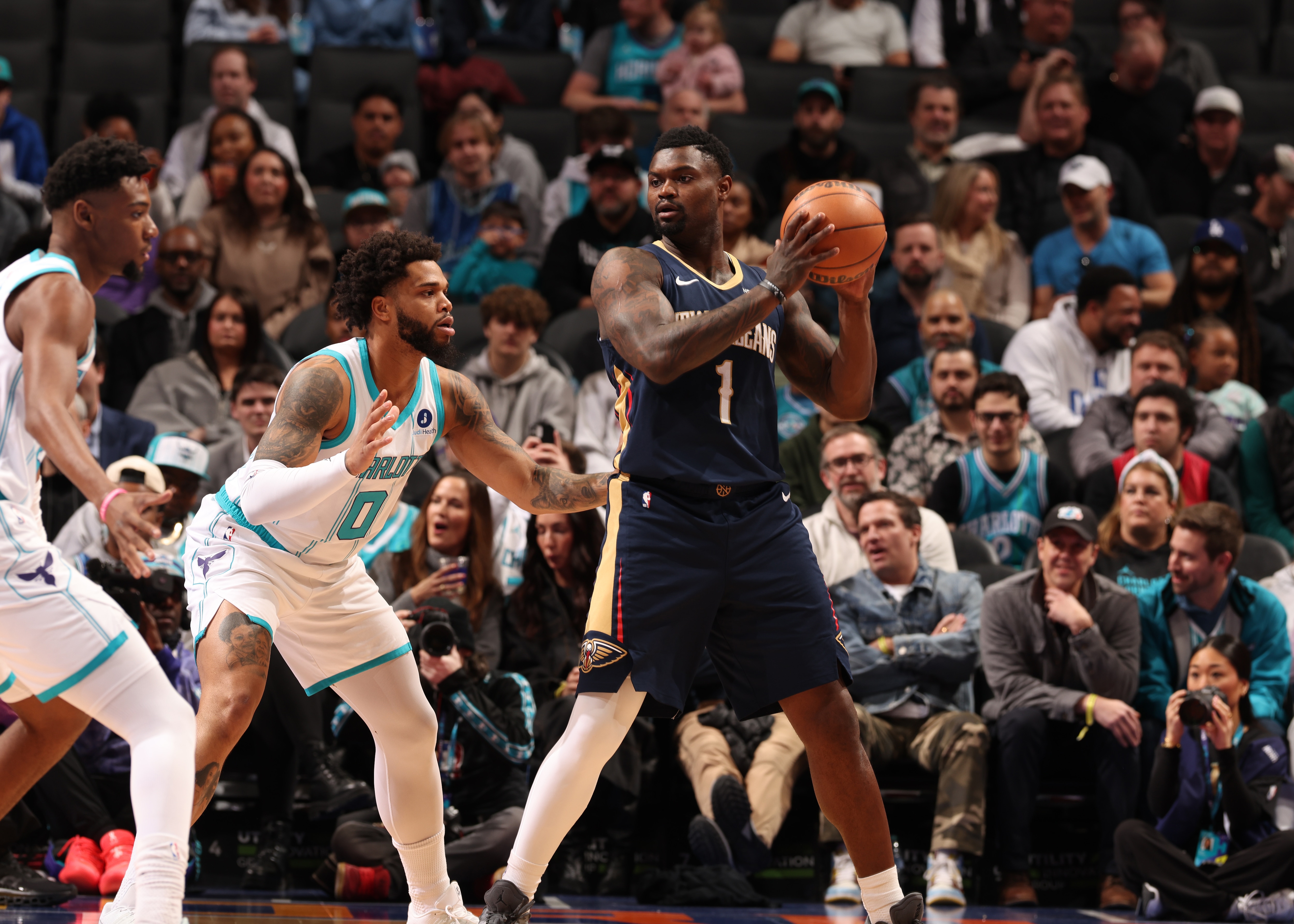
The history of the NBA in New Orleans is a narrative of resilience, identity shifts, and the pursuit of a lasting basketball culture in a city dominated by football and festival traditions. Since the Charlotte Hornets relocated to the Crescent City in 2002, the franchise has navigated natural disasters, league-owned management, and a complete rebrand to become the New Orleans Pelicans. Today, the organization stands as a distinct entity, having returned the "Hornets" moniker to Charlotte while building a foundation around generational talents like Chris Paul, Anthony Davis, and Zion Williamson.
The Foundations: From the Jazz to the Hornets’ Arrival
While the current New Orleans franchise began its life in 2002, professional basketball’s roots in the city date back to the late 1960s and 70s. Understanding the arrival of the Hornets requires acknowledging the void left by previous departures.
The New Orleans Jazz, led by the legendary "Pistol" Pete Maravich, played in the city from 1974 to 1979. Despite Maravich's individual brilliance, the team struggled with high entertainment taxes and the logistical challenges of playing in the cavernous Louisiana Superdome. When the Jazz moved to Salt Lake City in 1979, New Orleans was left without an NBA presence for over two decades.
In 2002, George Shinn, the owner of the Charlotte Hornets, sought to move his team following a breakdown in negotiations for a new arena in North Carolina. Despite Charlotte’s history as a basketball stronghold, declining attendance and personal controversies surrounding Shinn led the NBA to approve the relocation to New Orleans. The team retained the "Hornets" name and colors, playing their home games at the newly constructed New Orleans Arena (now the Smoothie King Center).
The Early Years and the Baron Davis Era (2002–2005)
The New Orleans Hornets enjoyed immediate, if modest, success upon their arrival. Led by a core of Baron Davis, Jamal Mashburn, and P.J. Brown, the team remained competitive in the Eastern Conference. In their inaugural 2002-03 season in New Orleans, the team finished with a 47-35 record and pushed the Philadelphia 76ers to six games in the first round of the playoffs.
The early years were characterized by a sense of novelty. New Orleans fans, hungry for the return of the NBA, embraced the flashy playstyle of Baron Davis. However, the franchise faced a significant structural change in 2004 when the NBA underwent realignment. The Hornets were moved from the Eastern Conference to the Western Conference, placing them in a significantly more difficult competitive environment alongside powerhouses like the San Antonio Spurs and the Los Angeles Lakers.
Resilience Amidst Crisis: The Katrina Displacement and OKC (2005–2007)
The trajectory of the franchise was forever altered in August 2005 by Hurricane Katrina. The catastrophic storm caused extensive damage to the New Orleans Arena and devastated the city’s infrastructure, making it impossible for the team to host games for the 2005-06 season.
Under the leadership of the NBA and then-commissioner David Stern, the team temporarily relocated to Oklahoma City. Known during this period as the New Orleans/Oklahoma City Hornets, the team played the majority of its home games at the Ford Center. This displacement served two purposes: it preserved the franchise during a time of crisis and unintentionally served as a "proof of concept" for Oklahoma City as a viable NBA market, eventually leading to the arrival of the Thunder.
Despite the displacement, the 2005 draft brought a beacon of hope: Chris Paul. The rookie point guard became the face of the franchise, winning Rookie of the Year honors and providing a reason for displaced New Orleanians to stay connected to their team. The Hornets officially returned to a rebuilding New Orleans full-time for the 2007-08 season.
The Chris Paul Era: A Golden Age of Basketball (2005–2011)
The return to New Orleans coincided with the most successful stretch in the team's history. The 2007-08 season remains the benchmark for NBA success in the city. Chris Paul emerged as an MVP candidate, flanked by sharpshooter Peja Stojaković, reliable center Tyson Chandler, and All-Star forward David West.
Key highlights of this era included:
- The 2008 Southwest Division Title: The Hornets finished with a franchise-best 56-26 record.
- The 2008 All-Star Game: New Orleans hosted the festivities, signaling to the world that the city was back on its feet.
- Playoff Intensity: The Hornets defeated the Dallas Mavericks in the first round before falling to the San Antonio Spurs in a grueling seven-game series in the Western Conference Semifinals.
Despite the on-court success, the team's long-term stability was threatened by George Shinn's financial difficulties. In 2010, after a failed deal to sell the team to minority owner Gary Chouest, the NBA took the unprecedented step of purchasing the team from Shinn. For nearly two years, the New Orleans Hornets were league-owned, a period defined by the controversial veto of a trade that would have sent Chris Paul to the Los Angeles Lakers. Paul was eventually traded to the Los Angeles Clippers in 2011, marking the end of the first great era of New Orleans basketball.
The Tom Benson Acquisition and the Rebrand (2012–2013)
The search for local, stable ownership ended in April 2012 when Tom Benson, the billionaire owner of the NFL’s New Orleans Saints, purchased the Hornets from the NBA for approximately $338 million. Benson’s arrival brought immediate synergy between the city's two major professional sports franchises.
Benson’s first major initiative was to give the team an identity that resonated with Louisiana’s culture. The "Hornets" name had no historical or cultural ties to New Orleans. In January 2013, the organization announced it would rebrand as the New Orleans Pelicans, named after the state bird of Louisiana. The rebrand included a new color scheme of navy, gold, and red—colors found on the city flag.
This move also allowed the "Hornets" name to return to its rightful home. Michael Jordan, owner of the Charlotte Bobcats, reached an agreement to reclaim the Hornets name, history, and records for Charlotte starting in 2014. Consequently, the New Orleans Pelicans officially began their era in the 2013-14 season, retaining only the franchise history from the 2002 relocation onward.
The Anthony Davis Tenure (2012–2019)
Luck shone on the franchise during the 2012 NBA Draft Lottery. Despite having only a 13.7% chance of winning, the then-Hornets secured the No. 1 overall pick, which they used to select Kentucky phenom Anthony Davis.
Davis became one of the most decorated players in franchise history, making six All-Star appearances and three All-NBA First Teams during his time in New Orleans. However, the Pelicans struggled to build a consistent contender around him. The team made the playoffs only twice during the Davis era (2015 and 2018).
The peak of the Davis era occurred in 2018. Following a mid-season trade for DeMarcus "Boogie" Cousins in 2017, the Pelicans looked like a dark horse contender. Although Cousins suffered a season-ending Achilles injury, Davis and Jrue Holiday led the Pelicans to a stunning first-round sweep of the Portland Trail Blazers. The momentum was short-lived, as Davis eventually requested a trade in early 2019, leading to his departure to the Lakers in a blockbuster deal that reshaped the franchise's future.
The Zion Williamson Era and Modern Prospects (2019–2026)
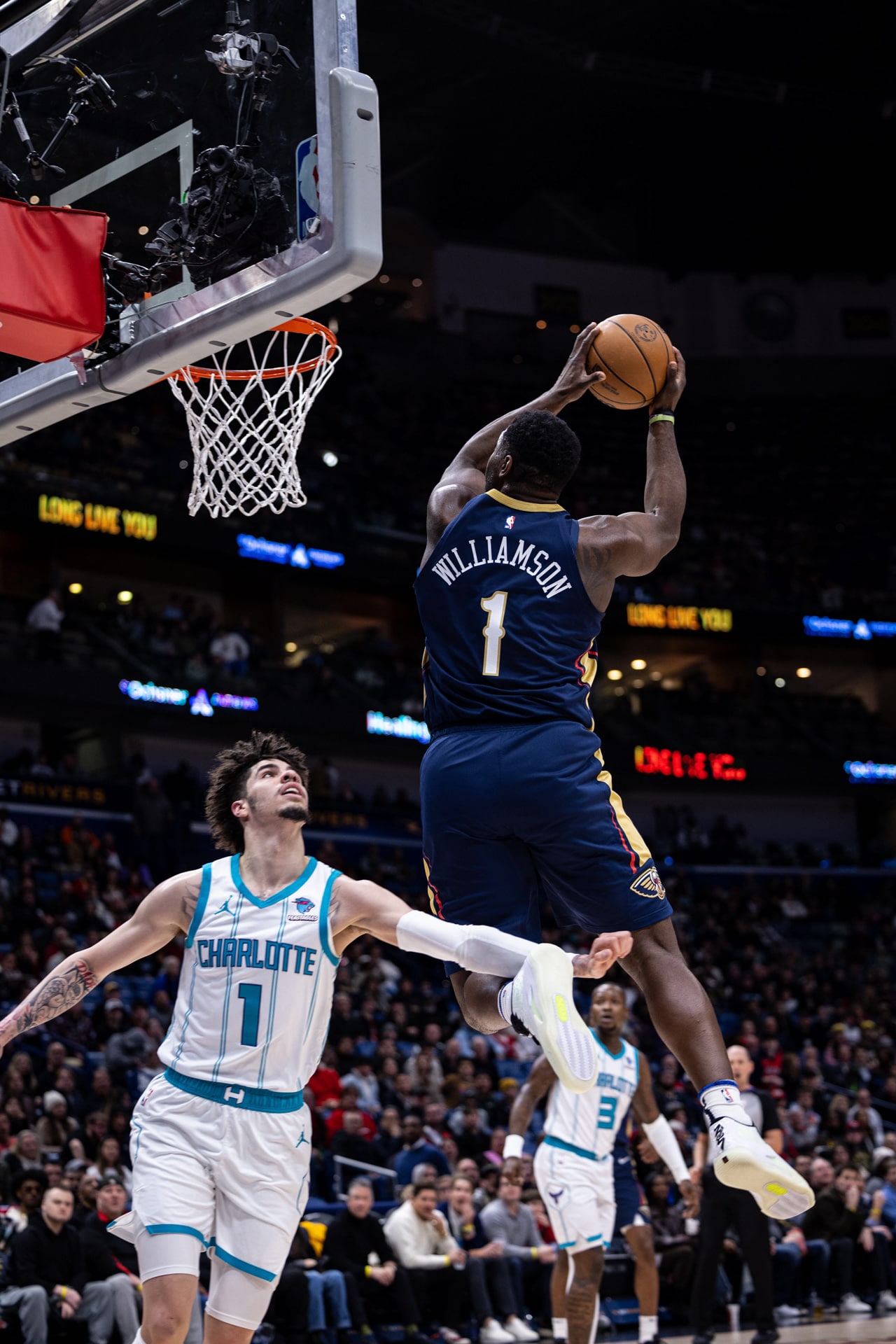
History repeated itself in 2019 when the Pelicans once again beat the odds to win the Draft Lottery, selecting Zion Williamson from Duke. The trade of Anthony Davis provided the Pelicans with a massive haul of assets, including Brandon Ingram, Lonzo Ball, Josh Hart, and a treasure trove of first-round draft picks.
As of 2026, the Pelicans' identity is built around the duo of Williamson and Ingram. The franchise has focused on modernizing its front office, bringing in executive David Griffin to oversee a long-term build. The team’s focus has shifted toward depth and sustainability, utilizing the draft capital acquired in the Davis and Jrue Holiday trades to surround their stars with versatile defenders and shooters.
The challenges of the 2020s have centered on health and consistency. Williamson’s generational athleticism has been tempered by injury concerns, yet the Pelicans remain a perennial playoff threat in a crowded Western Conference. The organization has also invested heavily in the Smoothie King Center and team facilities, cementing their place in the New Orleans sports landscape.
Key Milestones in New Orleans NBA History
| Year | Event | Significance |
|---|---|---|
| 2002 | Charlotte Hornets relocate to New Orleans | Return of NBA basketball to the city after 23 years. |
| 2005 | Drafted Chris Paul | Secured a foundational superstar and future Hall of Famer. |
| 2005-07 | Temporary move to Oklahoma City | Preserved the team following Hurricane Katrina. |
| 2010 | NBA purchases the team from George Shinn | First time the league owned a franchise to prevent relocation. |
| 2012 | Tom Benson buys the team | Established local ownership and long-term stability. |
| 2012 | Drafted Anthony Davis | Secured the #1 pick following the CP3 trade. |
| 2013 | Rebrand to New Orleans Pelicans | Created a culturally relevant identity for the city. |
| 2019 | Drafted Zion Williamson | Kicked off a new era of high-octane basketball. |
Frequently Asked Questions
Why did the New Orleans Hornets change their name to the Pelicans?
The name change was driven by owner Tom Benson’s desire to create a brand that was indigenous to Louisiana. The "Hornets" name originated in Charlotte, North Carolina (due to a historical quote from the Revolutionary War), and had no connection to New Orleans. The Pelican is the state bird and appears on the Louisiana state flag, representing the region's resilience and natural environment.
Does the New Orleans Pelicans franchise own the history of the Charlotte Hornets?
Following a 2014 agreement, the Charlotte Hornets (formerly the Bobcats) reclaimed the name, history, and records of the original Charlotte Hornets (1988–2002). The New Orleans Pelicans retain the history of the franchise from the time it moved to New Orleans in 2002 through the present, including the seasons they spent as the New Orleans Hornets.
What happened to the New Orleans Jazz?
The New Orleans Jazz played in the city from 1974 to 1979. Due to financial struggles and arena issues, the franchise moved to Salt Lake City, Utah. They kept the "Jazz" name despite Utah not having a notable jazz music history, which remains one of the most famous misnomers in professional sports.
How did Hurricane Katrina affect the team's history?
Hurricane Katrina forced the team to play most of its home games in Oklahoma City for two seasons (2005–2007). While this was a difficult period for the city, the team’s success in OKC proved that the Oklahoma market could support an NBA team, which eventually facilitated the Seattle SuperSonics' move to become the OKC Thunder.
Who is the greatest player in New Orleans NBA history?
This is a subject of debate between Chris Paul and Anthony Davis. Chris Paul led the team to its most successful regular season and its first divisional title. Anthony Davis holds many of the franchise's statistical records and was arguably a more dominant individual force. In the modern era, Zion Williamson is currently challenging these legacies.
Practical Recommendation for Fans and Historians
For those looking to engage with the history of the NBA in New Orleans, the best starting point is a visit to the Smoothie King Center during the NBA season. The arena features displays and video tributes to the different eras of the franchise. Additionally, exploring the Official Pelicans Team History provides a deep dive into statistical leaders and year-by-year breakdowns. If you are a collector, "New Orleans Hornets" memorabilia from the 2002-2012 era has become a niche market for those who appreciate the city's unique basketball journey through the Katrina years.
Image Gallery
Select an image to open it in a new tab.
Celine Dubois
Contemporary Living and Global Arts Columnist
