Mississippi Workers’ Compensation Drug Test Rules: Law, Rights, and Claim Denials

Under Mississippi workers’ compensation law, a post-accident drug test can directly determine whether an injured employee receives wage loss and medical benefits. If an employer maintains a qualified Drug-Free Workplace program, a positive drug test or test refusal creates a rebuttable presumption that the workplace injury was caused by drug or alcohol impairment, potentially leading to a complete claim denial.
How Drug Testing Impacts Mississippi Workers' Compensation Claims
In Mississippi, the Workers' Compensation Act provides medical treatment and indemnity (wage loss) benefits to employees injured in the course and scope of employment. However, these benefits are not unconditional. Under Mississippi Code § 71-3-7, an employer or workers' compensation insurance carrier is not liable for compensation if the injury was primary occasioned by the intoxication of the employee or by the employee's willful intention to injure or kill themselves or another person.
When a workplace accident occurs, insurance carriers routinely request a post-accident drug and alcohol screen. The results of this test serve as primary evidence for employers attempting to invoke the "intoxication defense." Depending on whether the employer adheres to state-sanctioned drug-free workplace standards, a positive result can either immediately shift the legal burden of proof onto the injured worker or serve as supporting evidence in a disputed claim.
It is critical for both workers and employers to understand that a drug test does not exist in a vacuum. Under Mississippi jurisprudence, establishing that an employee had drug metabolites or alcohol in their system is only part of the legal equation. The central question in any contested workers' compensation claim involves causation: did the impairment actually cause or contribute to the accident, or was the injury caused by an independent factor such as equipment failure, co-worker error, or hazardous working conditions?
The Mississippi Drug-Free Workplace Act
Mississippi enacted the Voluntary Drug-Free Workplace Act (Miss. Code Ann. § 71-7-1 et seq.) to encourage businesses to eliminate substance abuse from the workplace. Employers who choose to participate in this voluntary statutory scheme gain significant legal protections and often receive discounts on their workers' compensation insurance premiums.
- Workplace Injury Occurs
- Post-Accident Drug Test Requested
- Employer HAS Qualified Drug-Free Workplace Program:
- Positive Result / Refusal
- Rebuttable Presumption Applies: Injury presumed caused by intoxication. Burden shifts to WORKER to prove otherwise.
- Employer DOES NOT HAVE Qualified Drug-Free Workplace Program:
- Positive Result
- No Automatic Presumption. Employer must prove intoxication was the PROXIMATE CAUSE of injury.
- Employer HAS Qualified Drug-Free Workplace Program:
Mandatory Requirements for Employers
To gain the full statutory protections of the Mississippi Drug-Free Workplace Act, employers must strictly comply with specific statutory provisions. If an employer fails to follow these procedural safeguards, they may forfeit the legal presumptions granted under the law:
- Written Policy Statement: Employers must distribute a written policy statement to all employees outlining the types of drug testing conducted (e.g., pre-employment, post-accident, reasonable suspicion, random), the consequences of a positive test or refusal, and confidentiality protections.
- Advance Notice: First-time adoption of a Drug-Free Workplace program requires providing employees with at least 60 days' written notice before testing begins under the statutory framework.
- Certified Laboratories: Testing must be conducted by laboratories certified by the Substance Abuse and Mental Health Services Administration (SAMHSA) or approved by the Mississippi Department of Health.
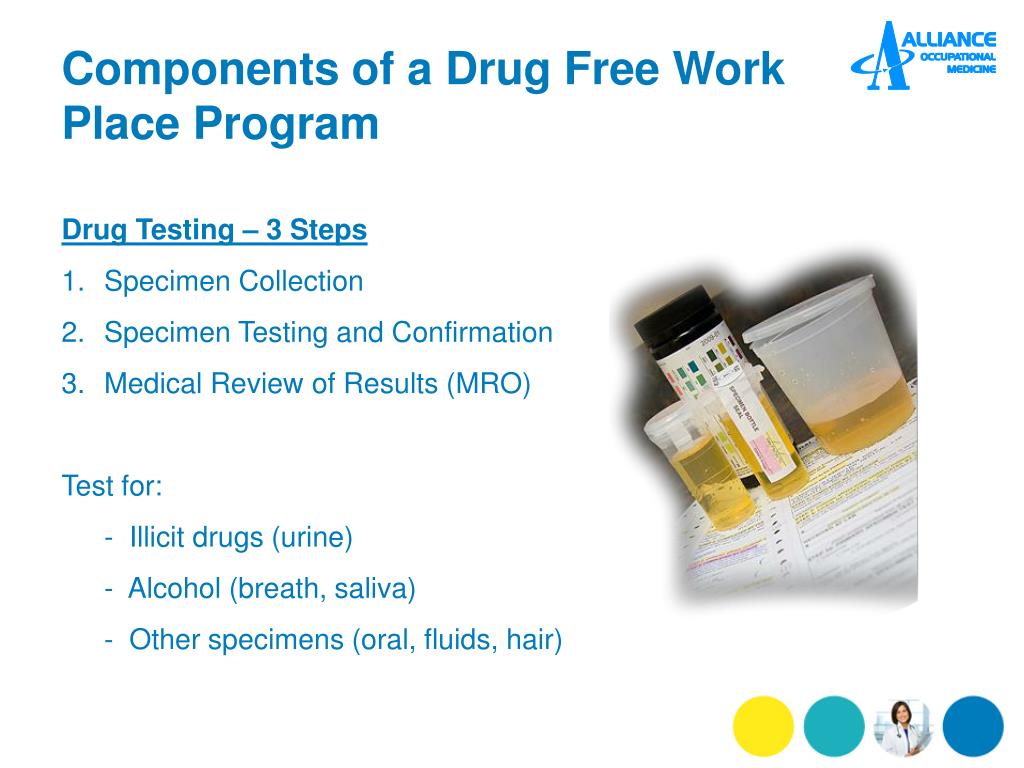
- Medical Review Officer (MRO) Verification: All initial positive drug screens must undergo a confirmatory test using Gas Chromatography-Mass Spectrometry (GC-MS) or liquid chromatography techniques, followed by review by a licensed physician acting as an MRO.
The Rebuttable Presumption Standard
The primary incentive for Mississippi employers to implement a qualified Drug-Free Workplace program is the creation of a rebuttable presumption of causation following a positive post-accident drug test or a refusal to submit to testing.
When an employee of a qualified Drug-Free Workplace tests positive for controlled substances or alcohol following an injury—or refuses to take a mandatory post-accident test—the law automatically presumes that:
- The employee was impaired at the time of the accident.
- The impairment was the proximate cause of the injury.
Once this presumption attaches, the burden of proof shifts entirely to the injured employee. To recover workers' compensation benefits, the worker must produce clear and convincing evidence demonstrating that the intoxication or drug use did not cause the injury. If the employee cannot rebut this presumption, the workers' compensation claim will be denied in its entirety.
Non-Qualified Employers vs. Qualified Drug-Free Workplaces
Not all employers in Mississippi participate in the voluntary statutory Drug-Free Workplace program. Many small businesses or companies operating under generic corporate policies conduct drug testing without strictly adhering to Mississippi Code § 71-7-1.
The legal distinction between a qualified Drug-Free Workplace employer and a non-qualified employer is vital in workers' compensation litigation:
- Qualified Employers: Benefit from the statutory rebuttable presumption under Miss. Code Ann. § 71-3-121 and § 71-7-5. A positive test or refusal creates an immediate legal hurdle for the worker.
- Non-Qualified Employers: Do not receive the automatic benefit of the statutory rebuttable presumption. If a non-qualified employer seeks to deny a workers' compensation claim based on drug or alcohol use, the employer bears the affirmative burden of proving that the employee was actually intoxicated at the time of the incident and that the intoxication was the direct proximate cause of the workplace injury.
Post-Accident Drug Testing Protocols and Timelines
When a workplace injury occurs in Mississippi, post-accident drug testing must follow established medical and administrative procedures to remain admissible in court or before the Mississippi Workers' Compensation Commission (MWCC).
Specimen Collection Timelines
Post-accident drug testing should be requested and performed as soon as reasonably practical following the injury. Standard administrative guidelines recommend:
- Alcohol Testing: Conducted ideally within 2 hours, but no later than 8 hours post-accident. Alcohol metabolizes rapidly, making immediate breathalyzer or blood collection necessary.
- Controlled Substance Testing: Urine or oral fluid collection should occur as soon as medically practical, typically within 24 to 32 hours following the incident.
If medical treatment is urgent—such as emergency surgery or trauma stabilization—providing life-saving medical care takes precedence over drug sample collection. Hospitals typically draw blood for diagnostic purposes during emergency admissions, and those medical records may later be subpoenaed during litigation.
Test Panels and Metabolite Detection
Standard workplace drug tests typically utilize a 5-panel or 10-panel drug screen. These screens test for common substances, including:
- Amphetamines (including methamphetamine and MDMA)
- Cocaine metabolites
- Marijuana (THC metabolites)
- Opioids (codeine, morphine, hydrocodone, oxycodone, fentanyl)
- Phencyclidine (PCP)
- Benzodiazepines and Barbiturates (included in expanded panels)
- Alcohol (via breathalyzer, blood alcohol concentration [BAC], or ethyl glucuronide [EtG] urine testing)
A critical technical issue in workers' compensation drug testing is the distinction between active impairment and the mere presence of inactive metabolites. Certain substances, particularly marijuana, store metabolites in body fat and can yield a positive urine test weeks after consumption, long after any intoxicating effects have vanished.
- Initial Immunoassay Drug Screen
- Negative
- Positive
- Confirmatory Testing (GC-MS or LC-MS/MS)
- Medical Review Officer (MRO Review & Check)
- Legitimate Prescription (e.g., Rx Opioid)
- Test Marked NEGATIVE
- Verified Positive
- Rebuttable Presumption / Intoxication Defense Triggered
- Legitimate Prescription (e.g., Rx Opioid)
The Role of the Medical Review Officer (MRO)
Before a test result is reported as positive to an employer or insurance carrier, a licensed physician serving as a Medical Review Officer (MRO) must review the findings. The MRO’s responsibilities include:
- Reviewing the chain-of-custody documentation to ensure sample integrity.
- Contacting the employee privately to discuss potential medical explanations for a positive result.
- Verifying valid prescriptions (e.g., legally prescribed painkillers, ADHD medication, or anti-anxiety drugs).
If the MRO confirms that a positive result is caused by a legitimately prescribed medication taken according to a physician's instructions, the test result is generally reported to the employer as negative, preventing an automatic claim denial based on illicit drug use. However, taking medication as prescribed does not grant immunity if the medication visibly impaired the worker's ability to safely operate machinery or perform job duties.
Medical Marijuana and Post-Accident Testing in Mississippi
The legal landscape surrounding cannabis transformed following the passage of the Mississippi Medical Cannabis Act (Miss. Code Ann. § 41-137-1 et seq.). While state law permits qualifying patients to obtain medical cannabis cards for specified debilitating conditions, the statute explicitly protects an employer's right to maintain a drug-free workplace.
Employer Protections Under the Cannabis Act
Mississippi law explicitly clarifies that the Medical Cannabis Act does not:
- Require an employer to permit or accommodate the use, consumption, possession, or impairment of medical cannabis in any workplace.
- Prohibit an employer from establishing or enforcing a drug-free workplace policy or zero-tolerance drug testing policy.
- Prohibit an employer from refusing to hire, disciplining, discharging, or taking adverse employment action against an individual due to a positive drug screen.
- Affect workers' compensation premium discounts or modify the statutory rebuttable presumption granted under the Drug-Free Workplace Act.
Challenging a Cannabis-Based Claim Denial
Because urine drug screens detect inactive THC-COOH metabolites rather than active delta-9-THC, a positive marijuana screen indicates historical exposure rather than current, real-time impairment.
For an injured worker with a valid Mississippi medical cannabis card who tests positive following an injury, overcoming the rebuttable presumption requires establishing that:
- The individual was not under the influence of cannabis at the precise time of the injury.
- The consumption of medical cannabis occurred off-duty and outside the workplace during authorized hours.
- The accident was caused entirely by independent operational factors, such as a structural collapse, defective tool, or third-party vehicle collision.
To support this rebuttal, attorneys and experts often rely on blood tests measuring active THC levels rather than urine metabolites, expert toxicological testimony, witness statements regarding cognitive functioning immediately prior to the injury, and detailed safety inspection reports.
What Happens If You Refuse a Post-Accident Drug Test?
Refusing to submit to a post-accident drug or alcohol test is treatable as a severe administrative and legal event in Mississippi.
Under Miss. Code Ann. § 71-3-121, if an employee working for a qualified Drug-Free Workplace employer refuses to submit to a drug or alcohol test after a workplace accident, that refusal creates a statutory presumption that the injury was caused by the employee's impairment.
Furthermore, refusing a drug test typically violates written company safety protocols, giving the employer grounds to terminate employment for cause independent of the workers' compensation claim. While job termination does not automatically eliminate medical coverage for an accepted injury, a concurrent claim denial based on the statutory presumption of intoxication creates a double barrier for the worker.
Rebutting the Intoxication Defense: How Employees Win Disputed Claims
A positive post-accident drug screen or test refusal does not result in an automatic, unchallengeable loss of workers' compensation benefits. Because the legal presumption in Mississippi is rebuttable, the injured worker maintains the legal right to present evidence showing that substance use was not the cause of the accident.
- Workers' Compensation Claim Denied
- File Form B-5,11 Petition for Hearing (Mississippi Workers' Compensation Comm.)
- Gather Rebuttal Evidence & Expert Support
- Witness Testimony
- Co-workers
- Supervisors
- First responders
- Toxicological Analysis
- Inactive vs. active levels
- Physical Evidence
- Machine failure
- Structural defect
- Unsafe conditions
- Witness Testimony
- Hearing Before Administrative Judge
- Ruling on Causation & Benefits
Effective Rebuttal Strategies
To successfully overcome the statutory presumption or defeat an employer's intoxication defense before an Administrative Judge at the Mississippi Workers' Compensation Commission, claimant attorneys utilize several legal and scientific strategies:
- Proving Independent Causation: Demonstrating that the accident was entirely independent of human behavior. For instance, if a worker operating a forklift is injured because a structural ceiling beam collapse strikes them, a positive drug test is irrelevant because no amount of sobriety could have prevented the falling object.
- Demonstrating Lack of Real-Time Impairment: Utilizing forensic toxicologists to analyze blood samples, plasma levels, or chemical decay rates to show that the concentration of an active substance was far below levels capable of producing physiological or cognitive impairment at the moment of the injury.
- Eyewitness Testimony: Gathering sworn statements from co-workers, direct supervisors, first responders, and emergency room personnel who observed the injured employee immediately before and after the incident. Eyewitness confirmation that the worker spoke clearly, demonstrated normal motor coordination, and exhibited no physical signs of intoxication provides key evidence to counter a laboratory report.
- Procedural and Chain-of-Custody Defects: Challenging the legal validity of the test result itself. If the employer or collection facility failed to maintain strict chain-of-custody protocols, failed to conduct mandatory GC-MS confirmation testing, used an uncertified laboratory, or failed to involve an MRO, the test results may be excluded from evidence.
Comparative Legal Matrix: Mississippi Drug Testing Framework
The following matrix compares how drug testing issues are evaluated under Mississippi workers' compensation law based on employer status and test outcomes:
| Feature / Statutory Provision | Qualified Drug-Free Workplace Employer | Non-Qualified Employer |
|---|---|---|
| Primary Statutory Authority | Miss. Code Ann. § 71-7-1 et seq. & § 71-3-121 | Miss. Code Ann. § 71-3-7 |
| Legal Presumption of Intoxication | Yes: Automatic rebuttable presumption upon positive test or refusal. | No: Employer must affirmatively prove intoxication caused the accident. |
| Burden of Proof | Shifts to the Employee to prove impairment was not the cause. | Remains on the Employer/Carrier to prove intoxication was proximate cause. |
| Consequence of Test Refusal | Triggers statutory presumption of intoxication; claim typically denied. | Considered circumstantial evidence; employer must still prove proximate cause. |
| Required Employer Protections | Must give written policy, certified labs, and MRO confirmation. | No specific statutory drug policy required, but evidence rules apply. |
| Impact on Insurance Premiums | Eligible for statutory workers' compensation premium discounts. | Ineligible for Drug-Free Workplace statutory premium discounts. |
| Medical Cannabis Protection | Zero-tolerance enforced; positive test triggers presumption. | Zero-tolerance permitted; positive test used as evidence of intoxication. |
Immediate Action Steps After a Workplace Accident Involving a Drug Test
Navigating a post-accident drug test requires deliberate action to protect health, employment rights, and legal standing under Mississippi workers' compensation law.
1. Prioritize Immediate Medical Attention
Seek emergency medical treatment immediately for any serious injury. Inform treating emergency medical providers precisely how the injury occurred, and ensure all physical symptoms are fully documented in the hospital chart.
2. Comply with Valid Testing Requests
Unless advised otherwise by legal counsel, refusing a post-accident drug screen creates severe legal complications under Mississippi law. If requested to provide a sample, submit to the test, but request a split specimen if available so independent laboratory testing can be conducted later if necessary.
3. Request Full Documentation
Obtain complete copies of all documentation generated during the drug testing process, including:
- The chain-of-custody form (CCF).
- Testing laboratory identification and accreditation details.
- The MRO report and confirmation test results.
- The written post-accident report submitted to the employer.
4. Detail Legitimate Prescription Medications
If you take prescription medications (including opioids, benzodiazepines, or stimulant medications) or hold a valid Mississippi Medical Cannabis Card, provide immediate proof of prescription or certification to the Medical Review Officer when contacted.
5. Document the Physical Scene and Gather Witnesses
Write down a detailed narrative of how the accident happened while details remain fresh. Take photographs of the machinery, tools, structural hazards, or weather conditions that caused the incident. Collect names and contact details for co-workers who saw the accident or interacted with you immediately beforehand.
6. Consult an Experienced Workers' Compensation Attorney
If an employer or insurance adjuster issues a Form B-5,11 or formal Notice of Denial based on a positive drug test or refusal, contact a licensed Mississippi workers' compensation attorney immediately. Strict legal deadlines apply for filing a Petition for Hearing before the Mississippi Workers' Compensation Commission.
Frequently Asked Questions
Can an employer force me to take a drug test immediately after a workplace injury in Mississippi?
Yes. Employers in Mississippi are legally permitted to require post-accident drug testing as part of their workplace safety policies. Under the Mississippi Drug-Free Workplace Act, post-accident testing is recognized as a legitimate measure to maintain workplace safety and establish whether intoxication contributed to an injury.
Will taking legally prescribed painkillers cause me to lose my Mississippi workers' compensation claim?
Not automatically. If you test positive for a controlled substance that was validly prescribed to you by a licensed physician and taken strictly according to directions, the Medical Review Officer (MRO) should verify the prescription and report the test as negative. However, if the carrier can prove that the prescription medication severely impaired your ability to work safely and was the proximate cause of the accident, benefits can still be contested.
How long does an employer have to perform a post-accident drug test after an injury?
While Mississippi statutes do not set a rigid minute-by-minute clock, post-accident drug testing should be conducted as soon as medically practical. For alcohol, testing is typically required within 2 to 8 hours. For standard drug panels, specimen collection generally occurs within 24 to 32 hours. Significant delays by the employer in requesting a test can be used by an employee's attorney to challenge the validity and relevance of the results.
Does a positive marijuana test mean my workers' comp claim is automatically denied in Mississippi?
Not necessarily, but it creates a substantial obstacle. If your employer has a qualified Drug-Free Workplace program, a positive marijuana test creates a rebuttable presumption that the injury was caused by impairment. However, because urine tests measure non-psychoactive metabolites that remain in the body for weeks, you can overcome this denial by presenting evidence—such as blood tests, toxicological testimony, and witness statements—proving you were not impaired at the time of the accident and that the injury was caused by other factors.
What should I do if the MRO never contacted me before reporting a positive drug test to my boss?
Failure by a Medical Review Officer (MRO) to contact an employee prior to reporting a positive result constitutes a major procedural defect under the Mississippi Drug-Free Workplace Act and SAMHSA standards. If you were denied the opportunity to explain a positive result or present a valid prescription, inform your attorney immediately. This procedural violation can be grounds to exclude or discredit the drug test results before the Mississippi Workers' Compensation Commission.
Next Steps and Practical Advice
If you have been injured on the job in Mississippi and face a potential claim denial due to a post-accident drug screen, time is a critical factor. Take proactive measures to secure independent evidence before physical work environments change or witnesses become unavailable. Contact an attorney experienced in handling complex MWCC litigation to evaluate whether your employer's drug testing policy meets statutory requirements, challenge improper MRO procedures, and build a evidence-based rebuttal to preserve your right to medical care and financial benefits.
Image Gallery
Select an image to open it in a new tab.


Declan O'Connor
Higher Education and Campus Culture Reporter
