Understanding the ISA Agency Business Model: Structure, Mechanics, and Strategic Execution
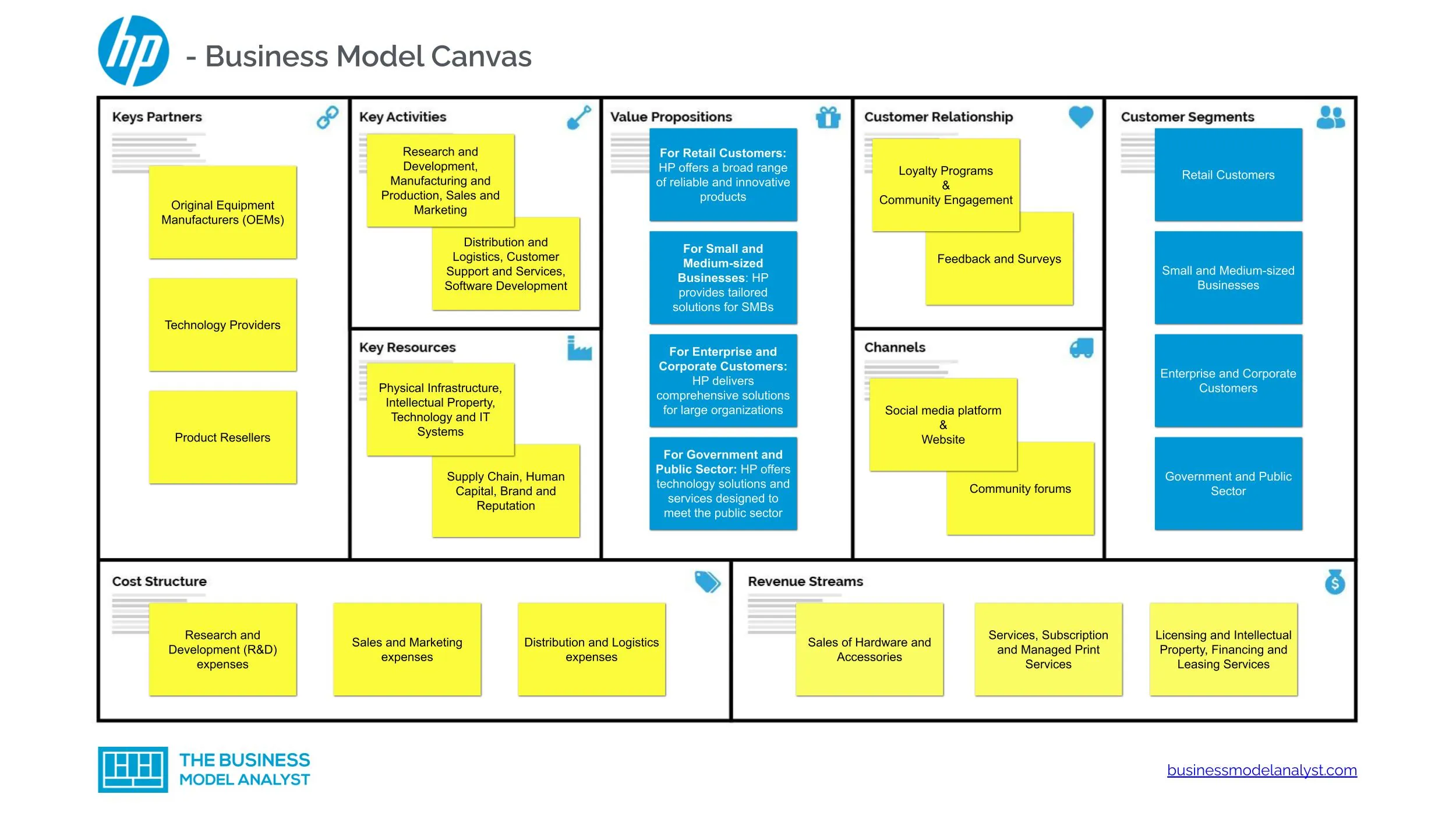
The ISA (Inside Sales Agent) agency business model functions by providing outsourced, specialized lead qualification and appointment-setting services to businesses, primarily within the real estate and professional services sectors. By leveraging dedicated remote staff to handle top-of-funnel conversion, agencies allow their clients to focus on high-value closing activities while maintaining a consistent, scalable sales pipeline.
Defining the ISA Agency Framework
At its core, an ISA agency is a B2B (business-to-business) service provider that operates at the intersection of lead generation and traditional sales. Unlike a marketing agency that focuses on generating traffic or brand awareness, an ISA agency focuses on the human element of conversion. The agents—whether based domestically or internationally—act as the bridge between an initial digital inquiry and a live, qualified meeting with a closer.
The "Inside Sales Agent" model has evolved significantly by 2026. While early iterations relied heavily on basic telemarketing scripts, modern ISA agencies utilize sophisticated CRM integrations, AI-driven sentiment analysis, and multi-channel communication platforms (SMS, email, voice, and instant messaging) to reach prospects within seconds of a lead entering the system.
The Core Value Proposition: Why Businesses Outsource ISA Functions
For many organizations, the primary bottleneck is not generating leads but responding to them with sufficient speed and persistence. Research indicates that the probability of qualifying a lead decreases exponentially if a response is not initiated within the first five to ten minutes.
1. Speed to Lead
An ISA agency provides 24/7 or extended-hours coverage. When a potential customer submits a form on a website at 9:00 PM, an in-house team is often asleep or unavailable. An ISA agency ensures that the lead is contacted immediately, increasing the likelihood of engagement.
2. Specialized Skill Sets
Inside sales requires a unique temperament—resilience in the face of rejection, high-level articulation, and the ability to pivot based on lead temperature. Agencies recruit for these traits specifically, whereas a company hiring a general administrative assistant may not find the same sales-specific performance.
3. Scalability and Cost Efficiency
Maintaining an internal sales department involves overhead: salaries, payroll taxes, benefits, office space, and the continuous cost of management and training. An agency model allows a business to scale up or down depending on marketing spend, turning a high fixed cost into a variable, performance-linked expense.
Operational Architecture: How the Model Functions
The operational mechanics of an ISA agency are built on three pillars: infrastructure, process, and performance management.
Technology Infrastructure
Agencies must provide their agents with access to robust telephony and CRM platforms. Common tools include high-volume dialers, automated follow-up sequences, and lead routing software. By 2026, most agencies incorporate AI-driven voice transcription to monitor quality and compliance, ensuring that every interaction meets the client’s brand standards.
The Conversion Process
The workflow generally follows a standard sequence:
- Lead Receipt: Integration via API with the client’s lead sources (e.g., Facebook ads, Zillow, or landing pages).
- Speed Dial: Immediate automated or manual outreach.
- Qualification: A discovery conversation based on the client’s "Buyer Persona" criteria.
- Appointment Setting: The agent schedules a meeting directly onto the client's calendar using scheduling automation.
- Nurturing: Leads that are not ready for an immediate appointment are placed into long-term follow-up cadences.
Comparison of Agency Service Models
Agencies typically choose between a few primary pricing and service architectures. The choice often dictates the level of integration and the agency's internal profit margins.
| Model Type | Primary Focus | Revenue Structure | Client Commitment |
|---|---|---|---|
| Dedicated Agent | High-touch integration | Monthly retainer | Medium-High |
| Shared Pool | High-volume outreach | Per lead/result | Low |
| Hybrid/Performance | Conversion optimization | Retainer + Bonus | High |
Dedicated Agent Model
In this model, an ISA works exclusively for one client. They learn the client's specific tone, scripts, and product nuances intimately. This is highly effective for high-ticket industries where lead nurturing requires deep product knowledge.
Shared Pool Model
Agents handle leads from multiple clients simultaneously. This is often more cost-effective for the client but requires the agency to maintain extremely rigorous script documentation to ensure the agent doesn't confuse the brand voice between calls.
Prerequisites for Scaling an ISA Agency
Launching or scaling an ISA agency is not merely about hiring callers. It requires a foundational layer of business intelligence. Before an agency can promise results, it must establish several internal systems.
1. Scripting and Objection Handling
The foundation of any ISA agency is the "Playbook." This document outlines every potential objection a prospect might raise and provides a scripted, tested response. Agencies that succeed in 2026 utilize iterative testing—comparing conversion rates between different scripts to refine their approach continuously.
2. Quality Assurance (QA) Procedures
Without a QA process, performance will naturally drift. Successful agencies employ a "QA Manager" role—a position dedicated solely to listening to call recordings, scoring agents based on tone, script adherence, and technical execution.
3. Tech Stack Compliance
In 2026, data privacy and communication regulations (such as the TCPA in the United States and various international data protection laws) are stringent. Agencies must ensure that their dialing software is compliant with "Do Not Call" (DNC) lists and that they maintain proper consent logs for all electronic communications.
Challenges and Risks in the ISA Model
Despite the clear benefits, the ISA agency business model faces specific operational risks that can jeopardize client retention.
- Lead Quality Variance: The agency is often blamed for poor lead quality even if the fault lies with the client's marketing campaign. Managing client expectations regarding conversion rates is a critical communication task.
- Agent Churn: High-pressure sales environments lead to burnout. Agencies must build a culture of recognition and effective coaching to retain top talent.
- Integration Friction: If an agency's systems cannot integrate seamlessly with the client's CRM, lead attribution becomes murky. Clients expect transparency; they want to see exactly which marketing source led to which booked appointment.
Strategic Guidance for Implementation
For businesses looking to partner with an ISA agency, the vetting process is the most important step. Do not select an agency based solely on cost. Instead, evaluate their technological maturity and their training methodology.
- Request Sample Recordings: Ask for examples of "live" calls that resulted in appointments. Listen for the agent's tone and their ability to handle resistance.
- Verify CRM Integration Capabilities: Ensure they can operate directly within your existing workflow rather than forcing you to export data into their systems.
- Define Success Metrics: Move beyond "calls made." Focus on "qualified appointments set" and "appointment show rate." A high number of calls is useless if those calls do not result in productive business conversations.
For those building an ISA agency, the key to longevity in 2026 is data. You are not just selling "calling time"; you are selling "data-backed conversion optimization." Position your agency as a partner that provides insights into why leads are or are not converting, and you will move from being a commodity service provider to a high-value strategic asset.
Frequently Asked Questions
What is the difference between an ISA and a lead generator? A lead generator focuses on top-of-funnel acquisition, such as running advertisements or creating content to capture contact information. An ISA (Inside Sales Agent) takes those generated leads and performs the "middle-of-funnel" work: calling, texting, and qualifying them to turn them into a booked appointment or a sale-ready prospect.
How do ISA agencies manage compliance with modern privacy regulations? Reputable agencies utilize specialized CRM and telephony software that automatically scrubs lists against national Do Not Call (DNC) registries. They also maintain clear records of opt-in consent for text and email communications to comply with regional anti-spam laws.
Is it better to use a dedicated ISA or a shared pool? A dedicated ISA is usually better for complex sales cycles or high-ticket items where familiarity with the brand is required. A shared pool is typically more cost-effective for high-volume, lower-complexity lead types where rapid, script-based outreach is the primary goal.
How do you measure the success of an ISA agency? Success should be measured by "Qualified Appointments" and "Conversion Rate." While call volume and talk time are useful operational metrics, they are vanity metrics if they do not lead to qualified, high-intent meetings for the client.
What is the role of AI in the modern ISA agency model? By 2026, AI is primarily used for automated follow-up scheduling, sentiment analysis of call transcripts, and real-time "battle cards" that suggest responses to agents during live calls based on the prospect's input.
Next Steps for Stakeholders
If you are currently evaluating an ISA agency, start by auditing your existing lead flow. Determine the "drop-off" point—the moment where your current team stops responding to leads. Use this data to create a clear brief for the agency, specifying exactly which leads they should handle and what the qualification criteria must be for an appointment to be considered "qualified." Success depends on the clarity of this hand-off protocol.
Image Gallery
Select an image to open it in a new tab.
Omar Farooq
EdTech Innovation and Virtual Pedagogy Journalist
