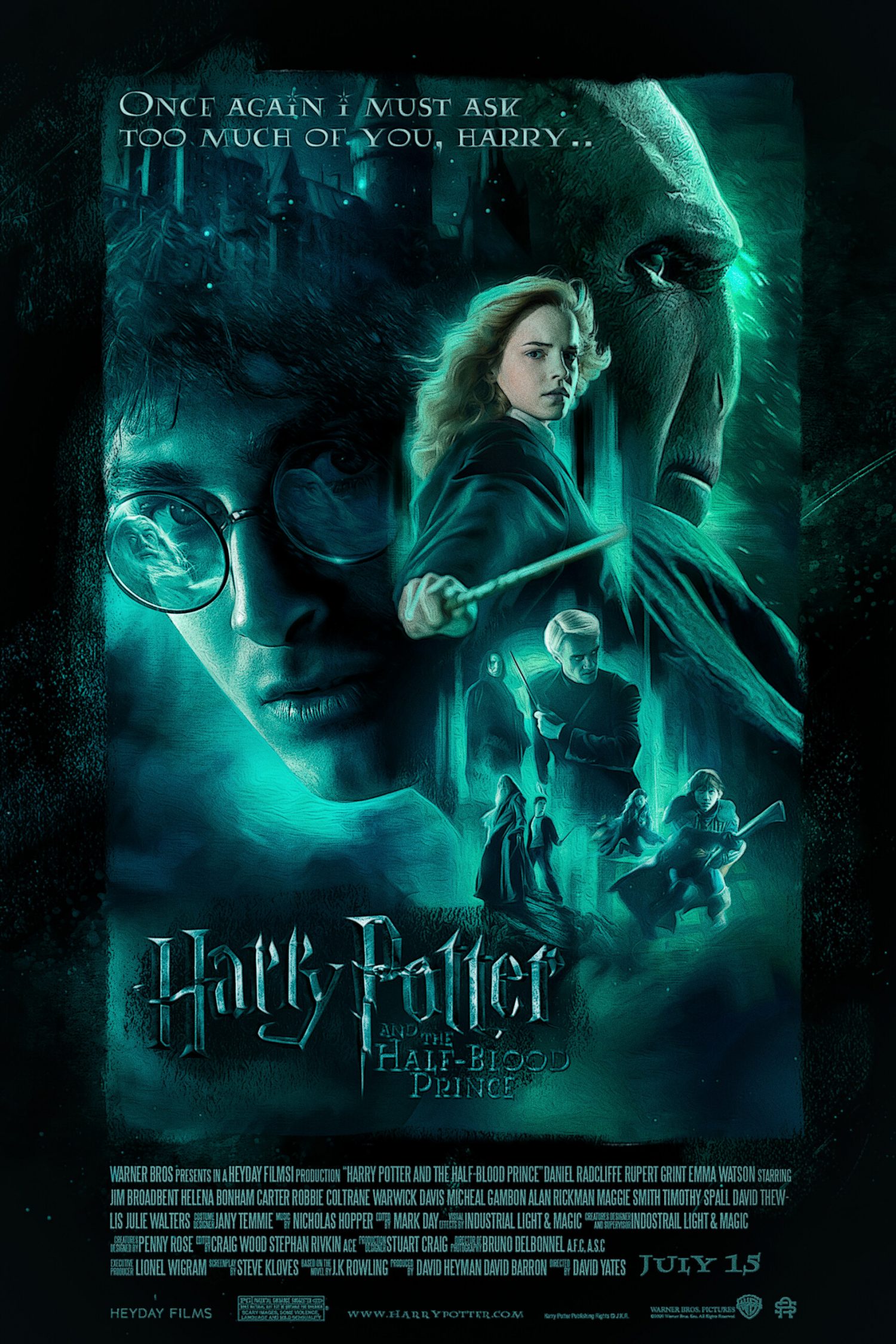
The Harry Potter movie releases remain a cornerstone of global culture in 2026 because they established the blueprint for successful long-form cinematic franchises. Beyond nostalgia, these films represent a rare intersection of high-fidelity practical filmmaking, groundbreaking digital effects, and a decade-long casting commitment that continues to serve as the gold standard for the industry.
The Architectural Foundation of the Modern Blockbuster
When Harry Potter and the Philosopher’s Stone (released as Sorcerer's Stone in some regions) debuted in November 2001, the concept of a multi-film, decade-long narrative arc was a massive financial risk. Before the Marvel Cinematic Universe or the expansion of the Star Wars sequels, Warner Bros. and producer David Heyman undertook the task of adapting J.K. Rowling’s seven-book series into eight feature films.
In 2026, we look back at this as the moment the "tentpole" release strategy matured. The releases mattered then—and matter now—because they proved that audiences would remain loyal to a single cast and a developing world for over ten years. Unlike modern franchises that often suffer from "superhero fatigue" or inconsistent quality due to rapid-fire production, the Harry Potter releases were spaced to allow the audience to age alongside the characters. This synchronized aging created a unique psychological bond between the viewers and the screen, making the films more than mere entertainment; they became a collective rite of passage.
The Shift from Whimsy to War
The progression of the film releases documented a literal and figurative darkening of the cinematic lens. This evolution is one of the primary reasons the films remain relevant for study and re-watching.
- The Columbus Era (2001–2002): Defined by saturated colors, high-key lighting, and a sense of wonder. These films established the visual vocabulary of the Wizarding World, from the floating candles of the Great Hall to the scarlet steam of the Hogwarts Express.
- The Cuarón Pivot (2004): With Prisoner of Azkaban, the series adopted a sophisticated, handheld aesthetic and a more muted palette. This release proved that a franchise could change its visual DNA without losing its identity, a lesson many modern reboots fail to grasp.
- The Yates Conclusion (2007–2011): The final four films brought a gritty, almost journalistic approach to the escalating conflict. By the time Deathly Hallows Part 2 arrived, the series had fully transitioned from a children's story to a high-stakes war drama.
Technical Preservation and the 4K Legacy
In 2026, the technical quality of the Harry Potter releases is a frequent topic among home theater enthusiasts and film historians. Because the first several films were shot on 35mm film, they possess a grain and texture that scales beautifully to modern 4K and 8K displays.
Unlike the early digital cinematography of the mid-2000s, which can often look "flat" or "plastic" on modern screens, the photochemical origins of the early Potter films allow for high-dynamic range (HDR) color grading that feels natural and immersive. The practical sets—many of which were maintained at Leavesden Studios for over a decade—provide a physical depth that CGI-heavy modern films often lack.
Practical Effects vs. Digital Evolution
The Harry Potter films were produced during a transitional era in visual effects. In The Philosopher’s Stone, many effects were practical, involving animatronics for creatures like Fluffy the three-headed dog. By the final film, sophisticated digital crowds and complex particle physics for magical duels were the norm.
The releases matter today because they serve as a historical record of this evolution. When you watch the films in sequence, you are witnessing the maturation of the visual effects industry itself. Companies like Industrial Light & Magic and Framestore pushed the boundaries of what was possible with digital skin textures (Dobby), water physics (the Black Lake), and fire simulation (the Battle of Hogwarts).

The Multi-Generational Impact in 2026
As of 2026, the original "Harry Potter Generation"—those who stood in line for midnight cinema premieres—are now parents themselves. We are currently seeing a secondary wave of relevance as these parents introduce their children to the films.
This multi-generational hand-off is facilitated by the sheer ubiquity of the films on streaming platforms like Max and through constant re-broadcasts. However, the original releases still hold a prestige that spin-offs and reboots struggle to match. The 20th and 25th-anniversary celebrations have solidified these eight movies as "untouchable" classics, similar to the original Star Wars trilogy or The Lord of the Rings.
The Cultural Footprint Beyond the Screen
The release of these movies did not just impact the box office; it altered the physical world. The success of the films led directly to:
- The Wizarding World of Harry Potter: Universal Studios' theme parks revolutionized immersive environments based on film sets.
- The Studio Tour London: A permanent exhibition that treats filmmaking as a high art form, preserving the actual props and sets for the public.
- Academic Study: Universities in 2026 continue to offer courses on the "Potter Phenomenon," analyzing the films' impact on marketing, adaptation theory, and global distribution.
Comparative Analysis: Harry Potter vs. Contemporary Franchises
The following table illustrates why the Harry Potter release model remains a distinct benchmark when compared to the franchise landscape of 2026.
| Feature | Harry Potter (2001–2011) | Modern Superhero Franchises | Modern Streaming Series |
|---|---|---|---|
| Cast Continuity | Near 100% across 10 years | Frequent recasts/multiverse variants | High, but often shorter durations |
| Director Variety | 4 distinct visions, one narrative arc | Heavily overseen by "Creative Committees" | Often multiple directors per season |
| Release Rhythm | 12 to 24 months | 3 to 4 releases per year | 18 to 24 months between seasons |
| Visual Texture | 35mm film to Digital Hybrid | Primarily high-end Digital | High-end Digital / Volume sets |
| Audience Growth | Characters aged with the audience | Aimed at broad, static demographics | Targeted niche demographics |
The "Originality" of the Adaptation
A significant reason these releases still matter in 2026 is the upcoming HBO/Max television reboot. As the new series attempts to re-adapt the books with more "page-to-screen" fidelity, the original films have taken on a new status: they are the "definitive visual interpretations."
For most people, Daniel Radcliffe is Harry Potter, Emma Watson is Hermione Granger, and Rupert Grint is Ron Weasley. The visual design of Hogwarts—the specific layout of the stairs, the look of the wands, and the iconography of the house crests—was created for the movies and has since been adopted as the "official" look of the brand across all media. The releases matter because they established the visual language that any future version must either copy or intentionally subvert.
Managing the Legacy: 2026 Perspectives
In the current media environment of 2026, where "content" is often produced for quick consumption and rapid turnover, the Harry Potter movies stand as a testament to "event" cinema. They were released at a time when the communal experience of going to a theater was the primary way to consume a story.
The films also represent a specific era of British cinema. The "All-British" casting rule enforced by the production team ensured that a generation of legendary actors—Alan Rickman, Maggie Smith, Robbie Coltrane, Richard Harris, and Michael Gambon—were immortalized in roles that defined their late careers. As many of these icons have passed away by 2026, the movies serve as a poignant archive of their immense talent.
Frequently Asked Questions
Why are the Harry Potter movies considered more important than the books in some cultural circles?
While the books are the source material, the movies provided a global visual language. Many fans who never read the books became lifelong enthusiasts through the films. In a visual-first digital age, the movies are the primary touchpoint for the brand's presence in social media, merchandise, and theme parks.
Can I still watch the Harry Potter movies in theaters in 2026?
Yes. Many cinema chains run "Harry Potter Marathons" or seasonal screenings, especially around the 25th-anniversary milestones of individual films. These screenings often feature the 4K restorations, providing a superior experience to the original 2001–2011 theatrical runs.
How do the visual effects hold up compared to 2026 standards?
Remarkably well. While some of the CGI in the first two films (like the mountain troll) shows its age, the later films—starting with Prisoner of Azkaban—use a blend of practical effects and high-end digital work that remains indistinguishable from modern productions. The decision to use real locations and massive physical sets gives the films a "weight" that many modern, all-digital films lack.
Is the original cast involved in any 2026 projects?
While the main trio has moved on to diverse careers in indie film, stage, and directing, they occasionally participate in retrospective documentaries and anniversary specials. Their legacy is firmly tied to these eight releases, and they remain the "faces" of the franchise in the public eye.
Why did the 8-film release structure work better than modern "Part 1 and Part 2" splits?
Harry Potter was one of the first to split a final book (Deathly Hallows) into two parts. While this was criticized at the time as a financial move, it allowed for a slower, more emotional conclusion that respected the source material. This success led many other franchises to try the same, though few have matched the narrative necessity that the Potter films achieved.
Final Recommendation for Viewers and Collectors
In 2026, the best way to experience why these releases still matter is to view them in their highest possible fidelity. If you are a collector, the 25th Anniversary 4K Ultimate Collection (or equivalent high-bitrate streaming versions) offers the most accurate representation of the original cinematographers' intent.
For new viewers, start with the films in release order. Do not skip to the later, more "modern" looking entries. Part of the value of these releases is witnessing the literal growth of the cast and the technical evolution of the medium. The journey from the bright, candle-lit halls of the first film to the ash-covered ruins of the last is one of the most complete and satisfying arcs in cinematic history.
Image Gallery
Select an image to open it in a new tab.




Zara El-Hashem
Sociocultural Dynamics and Academics Writer
