D-Nice and Club Quarantine: The Cultural Phenomenon That Redefined Virtual Connection

When the COVID-19 pandemic forced global lockdowns in March 2020, veteran DJ and producer D-Nice launched "Club Quarantine" on Instagram Live, transforming an impromptu virtual party into a historic digital sanctuary that connected millions of isolated individuals, celebrities, and frontline workers through the power of classic hip-hop, R&B, and soul music.
The Origins of Club Quarantine
In the early days of pandemic-induced isolation, many artists and entertainers looked for ways to keep audiences engaged while physical venues remained closed. Derrick Jones, professionally known as D-Nice, was a pioneering member of the 1980s hip-hop group Boogie Down Productions and an accomplished photographer. On March 18, 2020, he stood in his home kitchen in Los Angeles, stepped behind his turntables, and began spinning records for an Instagram Live stream initially intended for just a few friends.
What started as a casual afternoon set quickly snowballed into an unprecedented cultural event. Armed with a vintage aesthetic, a crate of timeless vinyl and digital tracks, and his signature welcoming demeanor, D-Nice created a digital space where people could dance, socialize, and forget their anxieties. The broadcast grew exponentially within hours, shifting from a private gathering into a public virtual club that captured the collective mood of a society entering lockdown.
The platform's accessibility was a primary driver of its rapid adoption. Anyone with a smartphone and an internet connection could tune in without purchasing tickets, downloading specialized conferencing software, or navigating complex digital barriers. This low barrier to entry democratized nightlife, inviting everyday fans and global icons alike into the exact same digital room.
Anatomy of a Virtual Dance Party: How Club Quarantine Operated
Club Quarantine was not just a continuous music stream; it functioned as a sophisticated community ritual with its own unwritten rules, recurring segments, and signature atmosphere. Understanding how these sessions functioned requires examining the technical setup, community engagement strategies, and musical curation that set D-Nice apart from standard livestreamed DJ sets.
Technical Setup and Production Value
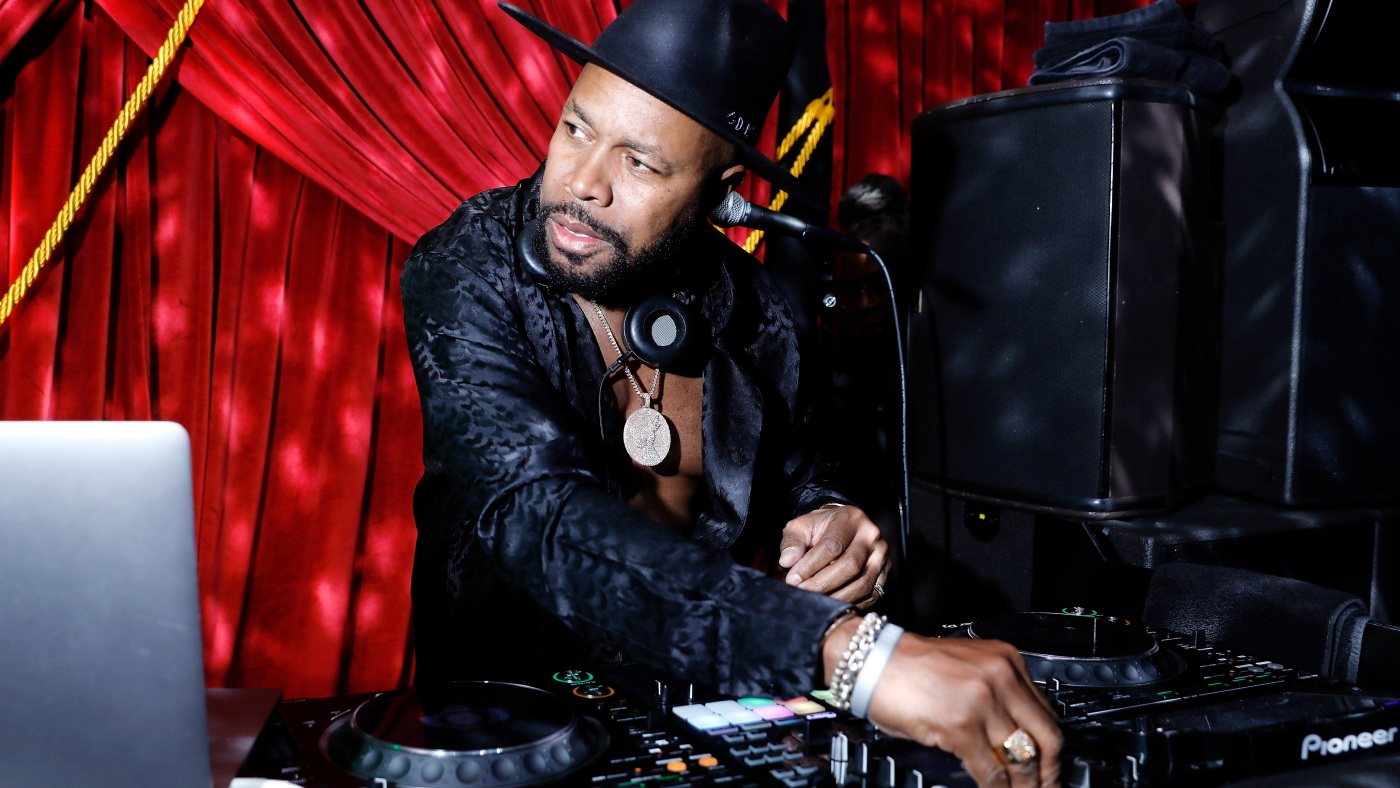
Unlike later corporate virtual festivals that relied on multi-camera switching rigs and professional broadcast crews, Club Quarantine maintained an intimate, DIY aesthetic. D-Nice typically broadcasted using a standard mobile phone mounted on a tripod, utilizing his home lighting and basic audio interface to route his mixer directly into the broadcast. This raw, unpolished presentation fostered a sense of authenticity and closeness, making viewers feel as though they were hanging out in his living room.
Musical Curation and Sequencing
The musical identity of Club Quarantine was rooted in deep-catalog hip-hop, classic R&B, funk, soul, and reggae. D-Nice utilized his decades-long career in the music industry to curate sets that appealed to multiple generations. A typical session might transition seamlessly from 1980s electro-funk to 1990s golden-era hip-hop, followed by contemporary neo-soul. This eclectic sequencing served a dual purpose: it educated younger listeners on musical history while evoking deep nostalgia for older participants.
The Virtual Guest List
One of the most defining characteristics of Club Quarantine was the sheer caliber of its digital attendees. As the viewer count climbed into the tens and hundreds of thousands, the comments section transformed into a literal who's who of entertainment, politics, and sports. Regular participants included:
- A-list actors and musicians such as Rihanna, Drake, Jennifer Lopez, Snoop Dogg, and Will Smith.
- Political figures, including former First Lady Michelle Obama and presidential candidates.
- Athletes and cultural leaders looking for a communal escape from pandemic headlines.
D-Nice frequently acknowledged these participants in real-time, calling out names as they entered the stream and creating surreal moments where an ordinary fan dancing in their kitchen was sharing a digital dancefloor with global superstars.

Cultural Impact and Historic Milestones
Club Quarantine quickly transcended its status as a viral internet trend to become a recognized historical artifact of the pandemic era. Its cultural footprint manifested across several distinct domains, reshaping how the entertainment industry viewed digital spaces and collective grief management.
Combating Isolation Through Shared Experience
Psychologists and sociologists studying the early lockdown period frequently pointed to virtual gatherings like Club Quarantine as vital interventions against loneliness and psychological distress. By synchronizing music and movement across thousands of individual households, the stream created a sense of collective effervescence—a sociological concept describing the energy and harmony people feel when part of a group sharing a ritual. Participants reported feeling less alone, grounding their daily routines around the afternoon or evening sessions.
Historic Broadcasts and Institutional Recognition
As the phenomenon grew, Club Quarantine expanded beyond standard Instagram Live sessions. In April 2020, D-Nice partnered with Apple Music to host a special edition titled "Club Quarantine: Quarantine Social," which featured curated playlists and extended interviews. Later that same month, he hosted a virtual party during the NFL Draft, further cementing the brand's crossover appeal into mainstream sports and entertainment.
In recognition of his cultural contributions, the NAACP Image Awards honored D-Nice with the Entertainer of the Year award in 2021. Furthermore, cultural institutions took notice; the Smithsonian's National Museum of African American History and Culture reached out to collect items and memorabilia related to Club Quarantine, cementing its place in modern American social history.
Evolution and Post-Pandemic Legacy
When physical venues eventually reopened and global restrictions lifted, the operational landscape for virtual entertainment shifted dramatically. Many digital trends faded as audiences returned to in-person concerts and clubs, but Club Quarantine evolved to meet the changing environment.
| Phase | Timeframe | Primary Format | Key Characteristics |
|---|---|---|---|
| Inception | March 2020 | Instagram Live | Impromptu home sets, rapid viral growth, celebrity drop-ins. |
| Expansion | April 2020 – 2021 | Branded Streams & Partnerships | Apple Music specials, virtual festivals, institutional recognition. |
| Transition | 2021 – 2022 | Hybrid Events & Residencies | Live-in-person pop-ups combined with broadcast elements. |
| Legacy | 2023 – Present | Special Cultural Events | Curated anniversary sets, high-profile private and public curation. |
Rather than disappearing entirely, the brand transitioned into a symbol of resilience and community building. D-Nice leveraged the platform to launch high-profile physical events, including destination weekend getaways and curated musical experiences that translated the digital energy of Club Quarantine into physical spaces. This evolution demonstrated that the core value of the project was not merely the medium of livestreaming, but the trust, curation, and inclusivity established by its founder.
Frequently Asked Questions About Club Quarantine
What was D-Nice Club Quarantine?
Club Quarantine was a viral Instagram Live virtual dance party hosted by veteran DJ and producer D-Nice during the COVID-19 pandemic lockdowns. It brought together millions of listeners and major celebrities for live-streamed DJ sets featuring classic hip-hop, R&B, and soul music to combat isolation.
When did Club Quarantine start?
The first session took place on March 18, 2020. D-Nice originally started the stream as an impromptu way to play music for a handful of friends while staying at home in Los Angeles, but it rapidly expanded into a global phenomenon.
Who attended Club Quarantine streams?
The virtual rooms attracted a massive audience of everyday music fans alongside high-profile celebrities, musicians, athletes, and political figures. Regular attendees included Rihanna, Drake, Michelle Obama, Jennifer Lopez, and hundreds of other notable public figures.
Did Club Quarantine win any awards?
Yes. D-Nice received significant recognition for his cultural impact, including being named Entertainer of the Year at the 52nd NAACP Image Awards in 2021. Additionally, items related to Club Quarantine were acquired by cultural archives to preserve its history.
Is Club Quarantine still active?
While the daily pandemic-era Instagram Live streams concluded as global restrictions lifted, Club Quarantine continues to exist as a cultural brand, occasionally hosting special events, anniversary broadcasts, and curated physical experiences.
Conclusion and Next Actions
D-Nice and Club Quarantine demonstrated how creativity, empathy, and technology can intersect to support communities during times of crisis. For those looking to explore this piece of recent cultural history further, exploring archival interviews with D-Nice, reviewing Smithsonian documentation on pandemic-era digital culture, or listening to his curated streaming playlists offers a comprehensive window into a unique moment in modern social history.
Image Gallery
Select an image to open it in a new tab.


Simon Caldwell
Enterprise Technology and Systems Editor
