Why Did Disney Close Discovery Island? The Real Reasons Behind the Abandonment

Disney closed Discovery Island on April 8, 1999, primarily because the opening of Disney’s Animal Kingdom in 1998 rendered the smaller zoological attraction redundant. Low guest attendance, the high operational costs of maintaining island-only access, and a strategic shift toward larger, more immersive wildlife experiences led to its permanent closure.
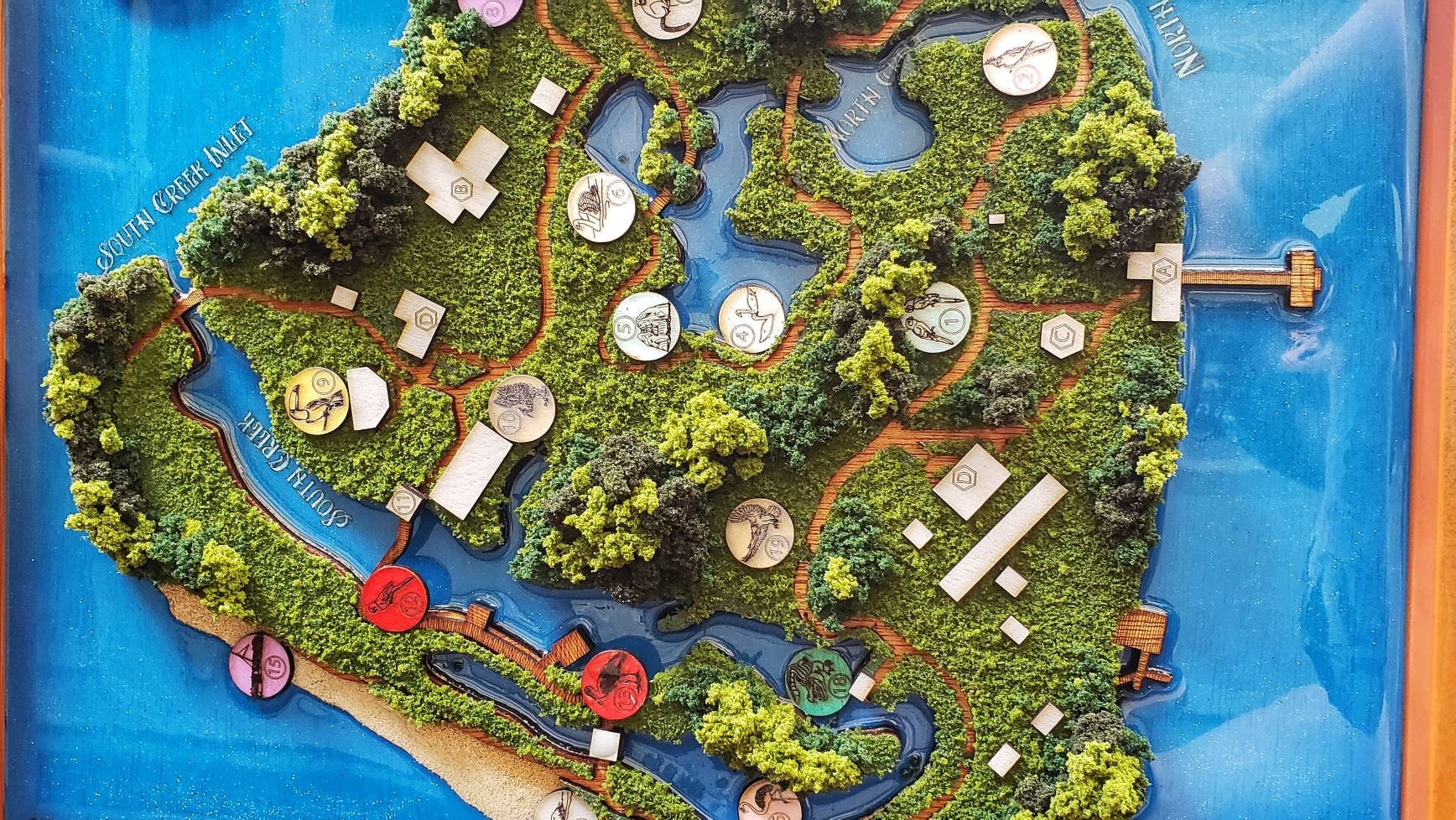
Discovery Island stands today as a 11.5-acre abandoned emerald in the middle of Bay Lake at Walt Disney World. For over a quarter-century, it has remained off-limits to the public, sparking endless curiosity and urban legends. To understand why this once-thriving sanctuary was shuttered, one must look at the intersection of corporate strategy, logistics, and the evolution of the modern theme park experience.
The Origins and Evolution of Discovery Island
Before it was the skeletal remains of a bird sanctuary, the land was known as Raz Island (named after the family that owned it in the early 20th century) and later Idle Bay Isle. Disney purchased the property and opened it on April 8, 1974, as Treasure Island. Originally, the island was themed after the 1950 Disney film Treasure Island, featuring a pirate atmosphere and tropical flora.
In 1978, Disney pivoted. The pirate theme was dropped in favor of a more educational, nature-focused mission, and the location was renamed Discovery Island. It eventually earned accreditation from the American Zoo and Aquarium Association (AZA), placing it alongside the nation's top zoological facilities. Guests could wander through expansive walk-through aviaries, see the last of the dusky seaside sparrows, and observe Galapagos tortoises.
The Peak of Operation
During the 1980s and early 1990s, Discovery Island was a tranquil retreat for guests staying at the Contemporary Resort, Polynesian Village, or Fort Wilderness. It offered a "slow" experience—a stark contrast to the frantic pace of the Magic Kingdom. Guests arrived via watercraft, walking winding paths through lush vegetation while learning about conservation.
The Primary Catalyst: The Opening of Disney’s Animal Kingdom
The most significant factor in the closure of Discovery Island was the 1998 opening of Disney’s Animal Kingdom. This new "fourth gate" was a massive undertaking, sprawling over 500 acres. It wasn't just a zoo; it was a revolutionary theme park that combined high-thrill attractions with vast, open-air animal habitats.
Redundancy and Scale
Discovery Island occupied only 11.5 acres. In contrast, Animal Kingdom offered the Kilimanjaro Safaris, where guests could see lions, elephants, and giraffes in a 110-acre simulated savannah. Disney’s leadership realized that asking guests to pay a separate admission fee for a small bird sanctuary on an island was a difficult sell when a multi-billion-dollar wildlife park was located just a few miles away.
Most of the animals on Discovery Island—including many of the exotic birds and the famous tortoises—were moved to Disney’s Animal Kingdom. Specifically, the "Discovery Island" name was repurposed for the central hub of the new park (formerly known as Safari Village), effectively absorbing the old island's identity into the new flagship location.

Logistics and Operational Limitations
Even without the competition from Animal Kingdom, Discovery Island faced significant logistical hurdles that made its long-term viability questionable in the modern era of Disney management.
Accessibility Challenges
Discovery Island was accessible only by boat. While this provided a sense of "escape," it created a bottleneck for guest flow. Disney had to maintain a dedicated fleet of watercraft and crews just to transport a relatively small number of visitors. As the Walt Disney World Resort grew, the manpower and fuel costs associated with this transportation model became increasingly inefficient.
Infrastructure and Maintenance
Maintaining an island is inherently more expensive than maintaining mainland property. Every bag of bird feed, every piece of construction equipment, and every gallon of fuel had to be barged across Bay Lake. Additionally, the island's infrastructure was aging. By 1999, the walkways, aviaries, and guest facilities required significant capital investment to meet modern ADA (Americans with Disabilities Act) standards and guest expectations.
The "Brain-Eating Amoeba" and Water Safety Myths
A common urban legend suggests that Discovery Island (and its neighbor, the River Country water park) closed due to the presence of Naegleria fowleri, a "brain-eating amoeba" found in warm freshwater.
While it is true that a young boy tragically died in 1980 after swimming in the waters of Cove (near River Country), this was not the reason Discovery Island closed nearly 20 years later. Discovery Island was a dry-foot attraction where guests did not swim in the lake water. However, the general safety concerns regarding Bay Lake's unchlorinated water did impact the overall appeal of the "Fort Wilderness" area and likely contributed to the eventual closure of River Country in 2001, which further reduced the foot traffic in the Bay Lake area.
Legal and Environmental Controversies
In 1989, Discovery Island was the subject of a state and federal investigation regarding the treatment of wild birds. While Disney denied intentional cruelty, the park was eventually charged with 16 counts of animal cruelty and various permit violations related to the trapping and relocating of wild vultures and hawks that were interfering with the park's captive species.
Disney settled the case for $95,000, but the incident caused significant negative publicity. For a company built on a "wholesome" image, the association with animal mistreatment was a stain that lingered. While this occurred a decade before the closure, it influenced the decision to move animal operations to the more controlled, state-of-the-art environment of Animal Kingdom.
Comparing Discovery Island to Disney's Animal Kingdom
The transition from the island sanctuary to the mainland theme park represented a massive shift in Disney's business model.
| Feature | Discovery Island (Original) | Disney's Animal Kingdom |
|---|---|---|
| Size | 11.5 Acres | 500+ Acres |
| Primary Access | Boat Only (Bay Lake) | Bus, Car, Resort Transport |
| Primary Attraction | Walk-through Aviaries | Kilimanjaro Safaris, Pandora, Everest |
| Accreditation | AZA Accredited | AZA Accredited |
| Guest Capacity | Low (hundreds at a time) | High (tens of thousands daily) |
| Operational Status | Closed 1999 | Active (Major Theme Park) |
The Island in 2026: A Modern Ruin
As of 2026, Discovery Island remains in a state of "arrested decay." Aerial photography and occasional (illegal) urban exploration videos reveal a landscape where nature has reclaimed the structures.
- The Thatch-Roofed Buildings: Many of the original bird enclosures and guest pavilions still stand, though their roofs have collapsed or been overtaken by vines.
- The Animal Hospital: One of the most intact structures is the former veterinary office, which still contains some medical equipment and supplies left behind during the hasty 1999 relocation.
- Strict No-Trespassing Policy: Disney Security monitors the island via remote cameras and lake patrols. Trespassing on the island results in a permanent ban from all Walt Disney World properties.
Frequently Asked Questions
Can you visit Discovery Island today?
No, Discovery Island is strictly off-limits to the public. There are no sanctioned tours, and Disney Security actively patrols the waters of Bay Lake to prevent unauthorized landings. Any attempt to access the island is considered trespassing.
Are there still animals living on the island?
There are no captive animals remaining on Discovery Island. All exotic species were relocated to Disney’s Animal Kingdom or other AZA-accredited zoos in 1999. However, the island has become a thriving natural rookery for local Florida wildlife, including vultures, egrets, and alligators.
Why didn't Disney turn the island into a resort?
Over the years, various rumors suggested Disney might build "honeymoon cottages" or a high-end glamping retreat on the island. However, the logistical challenges that closed the park—namely, the cost of transporting utilities, sewage, and guests via water—remain the primary barrier to redevelopment.
Is Discovery Island the same as the one in Animal Kingdom?
In name only. When Discovery Island in Bay Lake closed, Disney renamed the central hub of Animal Kingdom (where the Tree of Life is located) from "Safari Village" to "Discovery Island" as a tribute to the original park's legacy.
What happened to the rare birds that were there?
Discovery Island was famous for housing the last Dusky Seaside Sparrow, which died there in 1987. Other rare species, such as the Scarlet Ibis and various lemurs, were successfully integrated into the breeding programs at Disney’s Animal Kingdom, where their descendants still live today.
Practical Recommendations for Disney History Enthusiasts
If you are interested in the history of Discovery Island, do not attempt to visit the site physically. Instead, consider these legal alternatives to experience the "vibe" of the original island:
- Visit the "Discovery Island" section at Animal Kingdom: Many of the educational plaques and the general focus on conservation were carried over from the original island.
- Take a Boat from the Contemporary to Fort Wilderness: While the boat won't stop at the island, it passes very close to the shoreline, allowing for a clear view of the dense vegetation and some of the remaining shoreline structures.
- Explore the Walt Disney Archives: Online resources such as D23 (the official Disney fan club) offer high-resolution photography and historical retrospectives of the island in its prime.
- Visit the Tri-Circle-D Ranch: Located at Fort Wilderness, this area maintains the "old Florida" nature feel that Discovery Island once championed.
Discovery Island remains a fascinating chapter in Disney history—a reminder of a time when the resort prioritized quiet, educational spaces before the era of massive, IP-driven expansion. While the island is lost to the foliage of Bay Lake, its spirit lives on in the conservation efforts and grand scale of Disney’s Animal Kingdom.
Image Gallery
Select an image to open it in a new tab.



Simon Caldwell
Enterprise Technology and Systems Editor
