Choosing a Workers Compensation Insurance Carrier: A Comprehensive Guide for 2026

Choosing the right workers' compensation insurance carrier requires evaluating a provider’s financial stability, industry-specific expertise, and claims management efficiency. Businesses must prioritize carriers with strong A.M. Best ratings and proactive loss-control services that reduce long-term costs through workplace safety and effective "return-to-work" programs rather than focusing solely on the lowest initial premium.
Workers' compensation is more than a mandatory legal checkbox; it is a critical component of a business’s risk management strategy. In 2026, the landscape of workplace safety continues to evolve with the integration of remote work protocols, mental health considerations, and automated claims processing. Selecting a carrier that understands these nuances can mean the difference between a minor administrative task and a catastrophic financial burden.
Understanding the Legal and Financial Prerequisites
Before evaluating specific carriers, it is essential to understand the legal framework governing workers' compensation. In almost every U.S. jurisdiction, businesses with employees are legally required to carry this insurance. While the core benefit—covering medical expenses and lost wages for injured workers—remains consistent, the methods of procurement vary by state.
State-Mandated Coverage vs. Private Markets
Depending on your location, you may encounter different market structures:
- Monopolistic States: In states like Ohio, Washington, North Dakota, and Wyoming, you must purchase insurance through a state-operated fund. There is no private competition.
- Competitive State Funds: States like California or New York offer a state-run fund that competes alongside private carriers.
- Private Markets: Most states allow business owners to shop among hundreds of private insurance companies.
The Role of the NCCI and State Bureaus
The National Council on Compensation Insurance (NCCI) or independent state bureaus (such as the WCIRB in California) set the base rates and classifications for hundreds of industries. While carriers use these as a foundation, their individual "multipliers" or "deviations" determine your final premium. Understanding your industry classification code is the first step in ensuring you are getting accurate quotes from potential carriers.
Evaluating Financial Stability and Ratings
A workers' compensation claim can stay open for decades, especially in cases of permanent disability. Therefore, you need a carrier that will be solvent and operational twenty or thirty years from now.
The Importance of A.M. Best Ratings
The gold standard for evaluating an insurance company’s financial health is the A.M. Best rating. You should generally look for carriers with an "A-" (Excellent) rating or higher. A high rating indicates the carrier has the capital reserves necessary to pay out claims even during economic downturns or periods of high loss.
Financial size categories (indicated by Roman numerals like FSC XV) also matter. Larger carriers often have more resources for complex litigation and specialized medical networks, while smaller, regional carriers might offer more personalized service.
Demotech and Other Rating Agencies
For newer or regional carriers, Demotech, Inc. provides Financial Stability Ratings (FSRs). While A.M. Best is the industry leader, Demotech is frequently used for regional players that may have a deep understanding of a specific state’s legal climate.

Industry Specialization and Appetite
Not all carriers are created equal when it comes to specific risks. An insurance company that excels at insuring retail boutiques may be ill-equipped to handle the high-risk environment of a roofing company or a chemical manufacturing plant.
The "Appetite" Guide
Insurance carriers maintain "appetite guides" that outline the types of businesses they prefer to insure. When a carrier has a high appetite for your industry, they usually offer:
- Lower Premiums: Because they understand the risk, they don't need to add a "fear surcharge."
- Specialized Safety Programs: They may offer safety manuals and training specific to your tools and hazards.
- Tailored Medical Networks: They often have relationships with doctors who specialize in the types of injuries common to your field (e.g., orthopedic surgeons for construction workers).
Examining the Carrier’s Portfolio
Ask your broker for a carrier’s "loss ratio" within your specific industry. A carrier with a consistent track record in your sector is more likely to provide stable pricing over time, whereas a carrier "testing the waters" in a new industry might hike rates or exit the market entirely if they experience a few bad losses.
Claims Management and the "Return to Work" Philosophy
The true value of a workers' comp carrier is revealed after an injury occurs. Efficient claims management is the most significant factor in controlling your long-term insurance costs.
The Speed of Reporting and Intervention
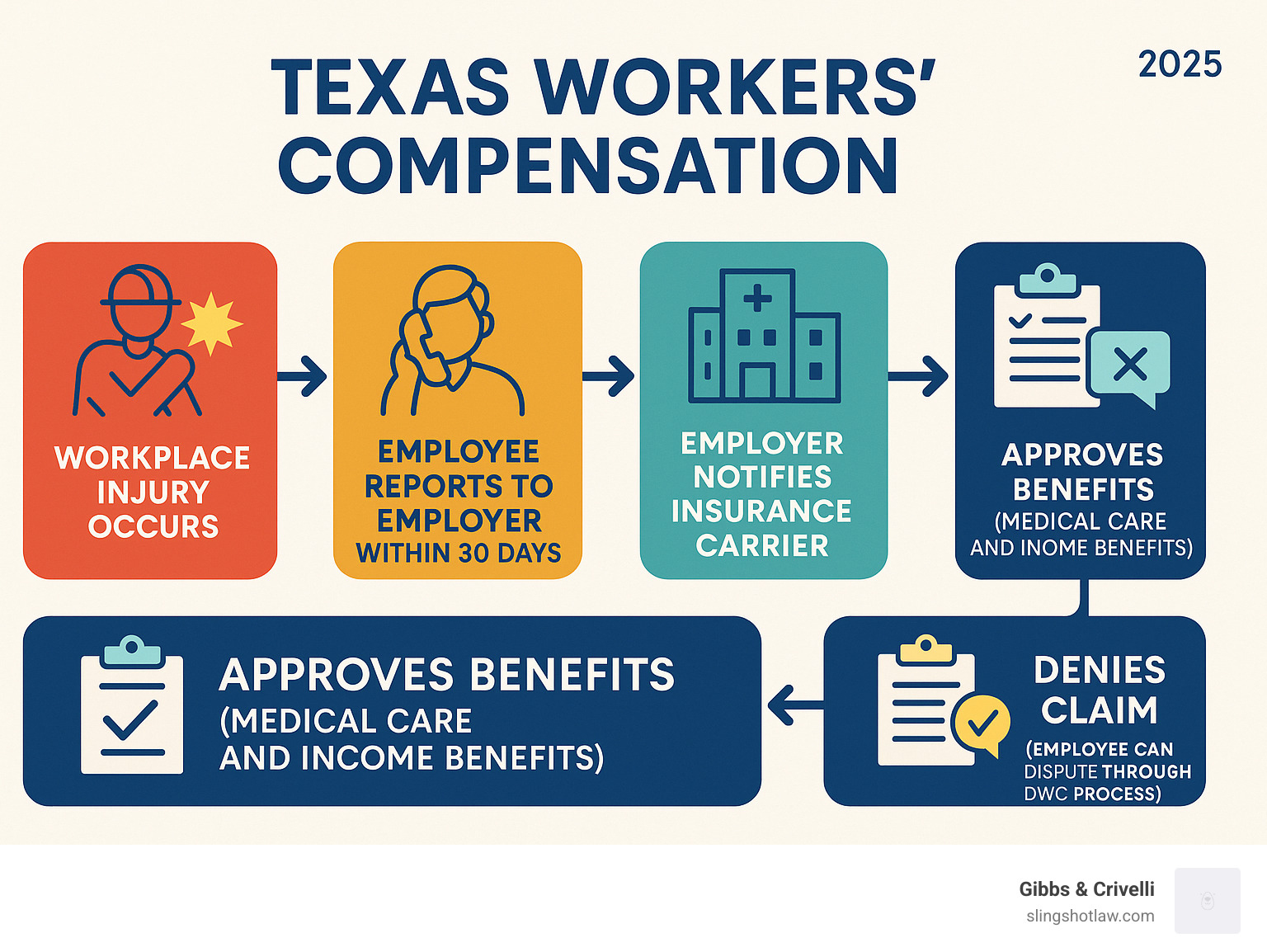
In 2026, the best carriers utilize mobile apps and AI-driven intake systems to report injuries instantly. Research shows that the longer it takes to report a claim, the more expensive it becomes. Prompt intervention allows the carrier to direct the employee to high-quality medical care immediately, reducing the likelihood of litigation.
Return-to-Work (RTW) Programs
A premier carrier will work with you to develop a "light duty" or modified-work program. Keeping an injured employee connected to the workplace—even in a limited capacity—speeds up physical recovery and significantly lowers the "indemnity" (lost wage) portion of a claim. Ask potential carriers for their average "days away from work" statistics compared to industry benchmarks.
Medical Provider Networks (MPN)
In states that allow it, carriers use specialized networks of doctors. You should verify that the carrier’s network includes reputable facilities near your place of business. A carrier with a poor network may result in employees visiting "generalist" clinics that are not focused on occupational medicine, leading to longer recovery times.
Loss Control and Risk Mitigation Services
The cheapest claim is the one that never happens. High-quality carriers view themselves as partners in your safety program.
On-Site Safety Audits
Does the carrier provide loss-control consultants who visit your site? In 2026, some carriers use augmented reality (AR) or drone inspections to identify hazards in real-time. These consultants should provide a written report with actionable steps to improve safety, which can often lead to further premium discounts.
Training Resources
Top-tier carriers provide libraries of "toolbox talks," safety videos, and digital learning management systems (LMS) at no extra cost. When choosing a carrier, ask for a login to their policyholder portal to see if these resources are substantive or just "fluff."
Understanding the Experience Modification Rate (E-Mod)
Your Experience Modification Rate (E-Mod) is a numerical representation of your claims history compared to other businesses in your industry. An E-Mod of 1.0 is average; below 1.0 is good (yielding a discount), and above 1.0 is poor (resulting in a surcharge).
A proactive carrier helps you manage this number by:
- Closing Claims Quickly: Open claims carry "reserves" (money set aside for future payments), which count against your E-Mod.
- Subrogation Excellence: If a third party caused the injury (e.g., a car accident while an employee was driving for work), the carrier should aggressively pursue that party to recover costs, which removes the claim from your record.
- Unit Statistical Reporting: Carriers must report your data to the rating bureau accurately and on time. Errors in reporting can artificially inflate your E-Mod for years.
Comparing Carrier Types
| Carrier Type | Best For | Pros | Cons |
|---|---|---|---|
| National Carriers | Multistate operations | Strong financial ratings, massive medical networks, high-tech portals. | Less personalized service; may be slower to respond to small accounts. |
| Regional Carriers | Local businesses | Deep knowledge of state laws/judges; more flexible underwriting for niche risks. | May have limited capacity for out-of-state employees. |
| Monoline Carriers | High-risk industries | Specialization; they only do workers' comp, so their expertise is unmatched. | No "bundling" discounts with other lines like general liability. |
| State Funds | "Hard-to-place" risks | Guaranteed coverage even if private carriers decline you. | Often more expensive; claims handling can be more bureaucratic. |
Technology and Administrative Ease in 2026
In the current business environment, administrative friction is a hidden cost. When selecting a carrier, evaluate their digital infrastructure.
- Payroll Integration: Does the carrier offer "Pay-as-you-go" options that link directly to your payroll provider (e.g., ADP, Gusto)? This eliminates the need for large down payments and reduces the "audit shock" at the end of the year.
- Audit Process: Modern carriers conduct virtual audits or allow for digital document uploads, saving your HR team hours of manual work.
- Certificate of Insurance (COI) Management: If you are a contractor, you need to issue COIs quickly to get on job sites. A carrier with an automated, 24/7 COI portal is essential.
Common Mistakes to Avoid
- Shopping Solely on Price: A low-cost carrier that fails to manage a single $50,000 claim properly can cause your E-Mod to spike, costing you much more in the long run.
- Ignoring "Excluded" Officers: Ensure you understand how the carrier treats business owners. Some include them by default, while others require a specific waiver.
- Overlooking Multi-State Issues: If you have remote employees in other states, ensure your carrier is licensed to provide "Other States Insurance" (Section 3.A of the policy).
- Failing to Check Claims Adjuster Caseloads: Ask how many claims an individual adjuster handles. If the number is too high (e.g., over 150), your claims will likely sit untouched, driving up costs.
FAQs
How does the carrier's financial rating affect my business?
If a carrier becomes insolvent, your state’s "guaranty fund" may step in, but there are often caps on benefits and significant delays. Furthermore, many general contractors and government entities require their subcontractors to use carriers with at least an "A-" A.M. Best rating. Choosing a lower-rated carrier could disqualify you from lucrative contracts.
What is "Pay-as-you-go" workers' comp?
Pay-as-you-go is a billing method where premiums are calculated based on actual payroll in real-time, rather than estimated payroll. This improves cash flow by avoiding a large upfront deposit and ensures that the year-end audit results in little to no additional premium due. Most modern carriers in 2026 offer this as a standard feature.
Can I change carriers in the middle of a policy term?
While you technically can, it is rarely advisable. Most policies are written for a one-year term. Canceling mid-term may result in "short-rate" penalties, where the carrier keeps a higher percentage of the premium. It also complicates your E-Mod calculation. It is best to shop for coverage 60-90 days before your current policy expires.
Does the carrier's medical network really matter?
Yes, significantly. Occupational medicine is a specialized field. Carriers with strong networks direct employees to "conservative care" providers who focus on recovery and function rather than over-prescribing medication or unnecessary surgeries. This leads to faster healing and lower claim costs.
What should I look for in a carrier’s online portal?
In 2026, a policyholder portal should offer real-time claims tracking, the ability to download loss runs (claims history reports), a library of safety training materials, and a simplified way to report new injuries. If a carrier's tech feels like it belongs in 2010, their claims handling likely is, too.
Final Recommendation: The Best Path Forward
When choosing a workers' compensation insurance carrier, your goal should be to find a "Total Cost of Risk" (TCOR) partner. Do not simply look at the quote page. Request a meeting with the carrier’s loss-control representative and ask for a sample of their claims-handling protocol.
For most small to mid-sized businesses, a regional carrier with an A.M. Best rating of A or better often provides the best balance of competitive pricing and localized service. However, if your business operates in high-risk categories, prioritizing a monoline specialist is the smarter long-term move. Always verify that your chosen carrier offers a "Pay-as-you-go" billing option to protect your cash flow and provides a robust digital portal for certificate management.
Image Gallery
Select an image to open it in a new tab.



Lars Thomsen
Global Labor Markets and Economic Strategy Editor
