The Best Gutter Choice for Homeowners: A Comprehensive Guide to Material and Configuration
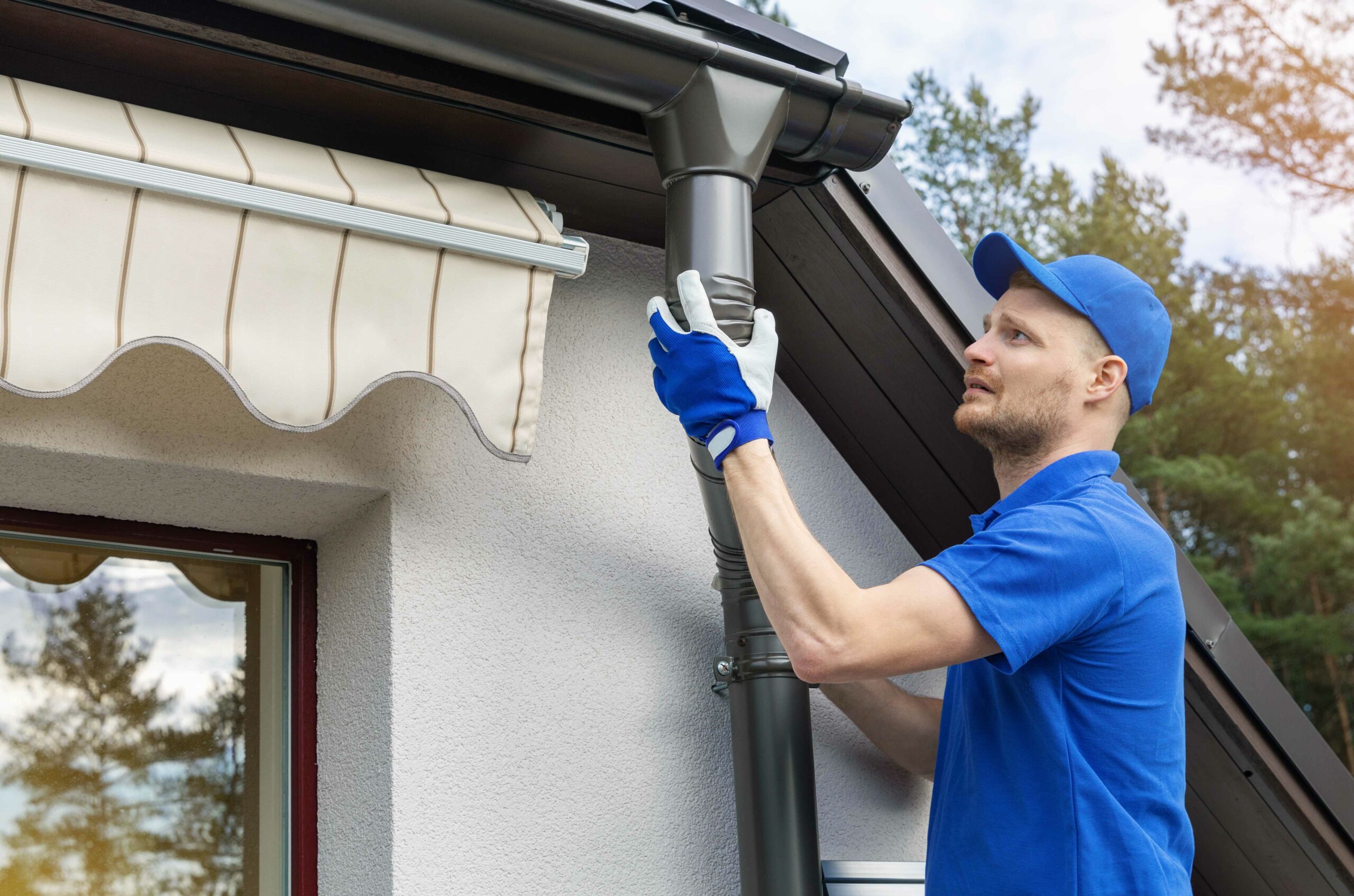
Selecting the ideal gutter system requires balancing local climate demands, budget, long-term maintenance capacity, and architectural aesthetics. The most effective choice for the average homeowner is a seamless aluminum gutter system, which offers an optimal intersection of affordability, durability, and resistance to environmental stress, provided it is installed by professionals to ensure proper pitch and structural integrity.
Understanding Gutter Fundamentals and Necessity
Gutters are not merely architectural accents; they are essential structural protectors. By channeling rainwater away from the foundation, fascia, and soffits, they prevent soil erosion, basement flooding, and the premature decay of roofing materials. When selecting the "best" gutter, you must evaluate the interaction between your home’s roof pitch, the volume of rainfall in your region, and the specific materials capable of withstanding local environmental factors.
A gutter system is defined by three primary elements: the material, the profile (or style), and the method of fabrication (seamed vs. seamless). Each of these components affects how the system manages water, how long it remains functional, and how frequently it requires cleaning or repair.
Comparing Material Options
The material choice is the most significant factor in both initial investment and longevity. In 2026, the following materials remain the industry standard:
- Aluminum: By far the most popular choice. It is lightweight, does not rust, and comes in a wide variety of factory-applied finishes. It is mid-range in terms of cost and performs exceptionally well in moderate to heavy rainfall.
- Copper: The premium option. Copper is favored for historical homes and high-end architectural projects due to its extreme longevity and the attractive patina it develops over time. However, it is significantly more expensive and requires professional soldering for joints.
- Vinyl (PVC): The budget-friendly DIY option. Vinyl is lightweight and easy to install, but it is prone to cracking in regions with extreme temperature fluctuations and can become brittle under intense UV exposure.
- Steel (Galvanized or Galvalume): Extremely strong and capable of holding more weight than aluminum. However, galvanized steel can rust if the protective coating is scratched, and stainless steel, while virtually indestructible, is cost-prohibitive for most residential applications.
Seamless vs. Sectional Systems
The fabrication method dictates the risk of leaks. Sectional gutters are sold in pre-cut lengths that require connectors, gaskets, and sealants. These joints are the "Achilles' heel" of the system; over time, the sealant degrades, leading to drips and leaks that can stain siding or damage trim.
Seamless gutters are manufactured on-site using a machine that forms a continuous piece of metal to the exact length of the roofline. By eliminating joints at every corner (save for the mitered corners), the system is far more rigid, aesthetically pleasing, and resistant to leaks. In modern residential construction, the seamless aluminum approach is considered the gold standard for long-term value.
Evaluating Profiles and Capacities
Gutters are typically manufactured in two standard profiles: K-style and Half-Round.
- K-Style: Characterized by its flat back and decorative front (often mimicking crown molding), the K-style is the most common profile in North America. Its flat bottom allows it to hold more water per linear foot than a half-round design, making it better suited for regions with heavy, sudden downpours.
- Half-Round: These are semicircular in shape and are often chosen for historical renovations. They possess a minimalist, classic aesthetic but typically handle less water volume and are slightly more complex to hang, as they require specific bracket systems rather than standard fascia screws.
Installation Requirements and Professional Considerations
Regardless of the material chosen, the efficacy of the gutter system is entirely dependent on the installation. The two most critical variables are pitch and hanger spacing.
- Pitch: Gutters must be installed with a slight slope—usually 1/16 to 1/8 inch for every 10 feet of gutter—to ensure water flows efficiently toward the downspouts. If the pitch is too steep, the water will rush too quickly and overshoot the downspout; if it is too shallow, water will pool and stagnate.
- Hanger Spacing: To prevent sagging, hidden hangers should be installed every 18 to 24 inches. In regions that experience significant snowfall or ice damming, heavy-duty hangers are required to prevent the weight of accumulated ice from pulling the gutters away from the fascia board.
Maintenance and Protection
No gutter system is truly "maintenance-free." Even the best installation requires regular inspection. Debris buildup, such as pine needles and leaves, can clog the downspouts, causing water to overflow and bypass the drainage system entirely.
For homeowners looking to minimize manual cleaning, gutter guards—or "leaf relief" systems—are a worthwhile consideration. These range from simple mesh screens to complex, hooded surface-tension covers. While they do not eliminate the need for inspection, they drastically reduce the frequency of professional cleanings by preventing debris from entering the trough.
Comparison Table: Residential Gutter Systems
| Material | Longevity | Cost | Maintenance | Climate Suitability |
|---|---|---|---|---|
| Aluminum | 20–30 years | Moderate | Low | All-purpose |
| Copper | 50–100 years | High | Low | Moderate to Wet |
| Vinyl | 10–15 years | Low | High | Mild / Temperate |
| Steel | 25–40 years | Moderate/High | Medium | Heavy snow / High wind |
Common Mistakes to Avoid
- Undersized Downspouts: A gutter system is only as effective as its capacity to drain. Ensure that your downspout diameter (typically 2x3 inches or 3x4 inches) matches the expected water volume of your roof area.
- Neglecting Downspout Extensions: Many homeowners install beautiful gutters but terminate the downspouts directly at the base of the foundation. This defeats the purpose of the system. Downspouts should extend at least 4 to 6 feet away from the home via an extension or splash block.
- Mixing Metals: Never connect two different types of metal (e.g., aluminum gutters with copper flashings) without proper insulators. Doing so can cause "galvanic corrosion," where one metal eats away at the other, leading to premature failure.
Frequently Asked Questions
How often should I clean my gutters? You should clear debris at least twice a year, typically in the late spring and late autumn. If your home is surrounded by large trees, you may need to inspect the system quarterly to prevent clogs that lead to water damage.
Are seamless gutters worth the extra cost? Yes. While they require professional installation, the reduction in leak points significantly lowers long-term repair costs and prevents water damage to your roof's fascia and the home’s siding.
Can I install gutters myself? While vinyl sectional gutters are designed for DIYers, seamless metal systems require professional-grade fabrication equipment. Unless you have experience with metalworking and proper leveling, professional installation is recommended to guarantee the correct pitch.
What is the best way to handle ice buildup in gutters? Ice dams are usually a sign of poor attic insulation and ventilation, not just a gutter issue. While high-quality metal gutters can withstand ice better than plastic, addressing the heat loss through your roof is the primary solution for preventing ice buildup.
Do gutter guards actually work? They work well to keep leaves out, but they may need periodic maintenance themselves to remove fine silt or debris that gets trapped in the mesh. Choose a system that matches the type of debris common in your area (e.g., fine pine needles vs. large maple leaves).
Final Recommendation
For the vast majority of homeowners in 2026, the optimal choice is a professional-grade, seamless 0.032-gauge aluminum gutter system using a K-style profile. This configuration offers the best balance of cost, durability, and leak resistance. When hiring a contractor, prioritize those who utilize on-site roll-forming machines and provide a warranty on both materials and installation labor. Before beginning, ensure that your roof's fascia boards are in good condition, as they are the structural foundation upon which your new system will rest. If you reside in an area prone to high snowfall, inquire specifically about heavy-duty hidden hangers to reinforce the system against ice loading.
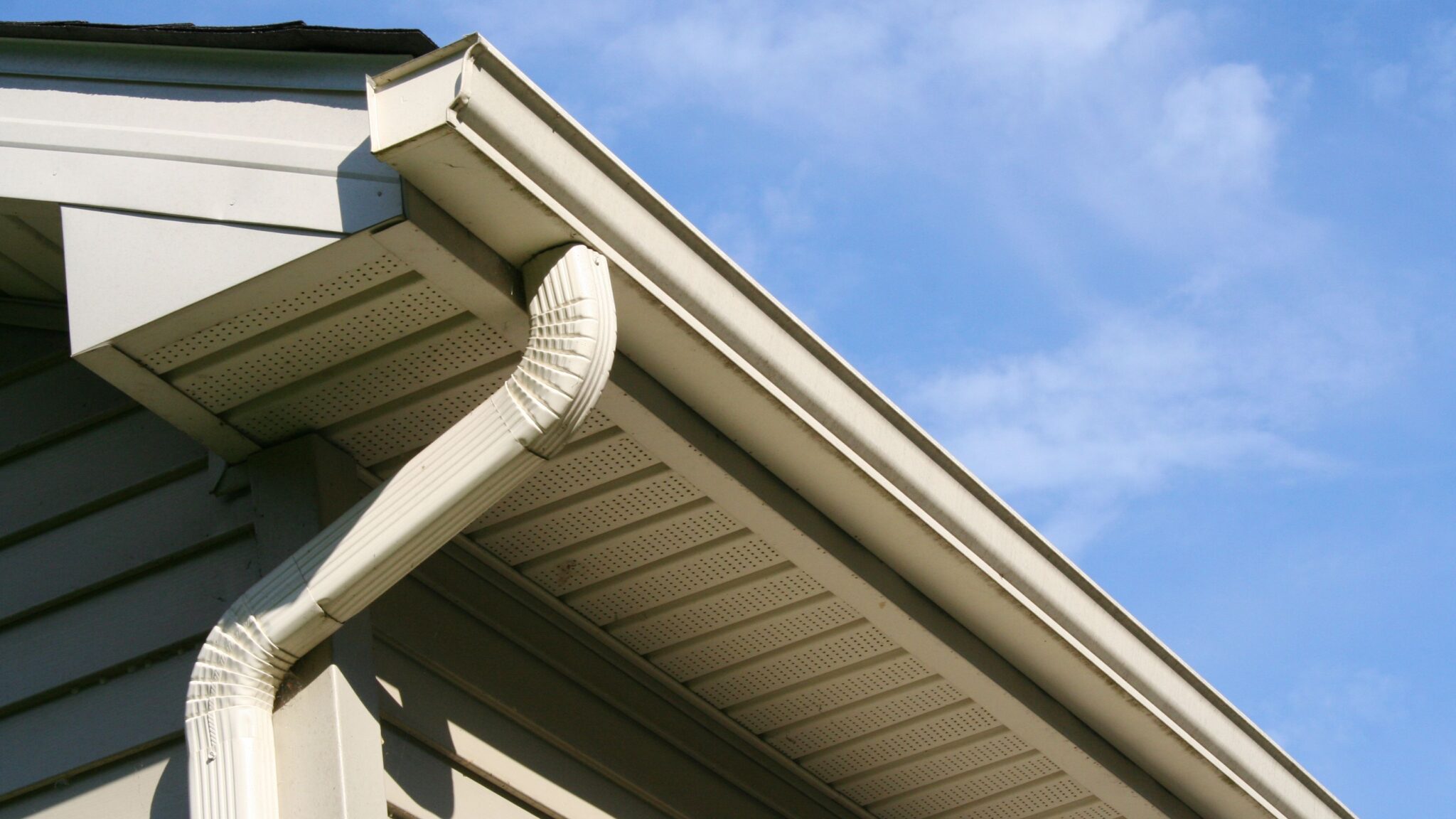
Image Gallery
Select an image to open it in a new tab.
Declan O'Connor
Higher Education and Campus Culture Reporter
