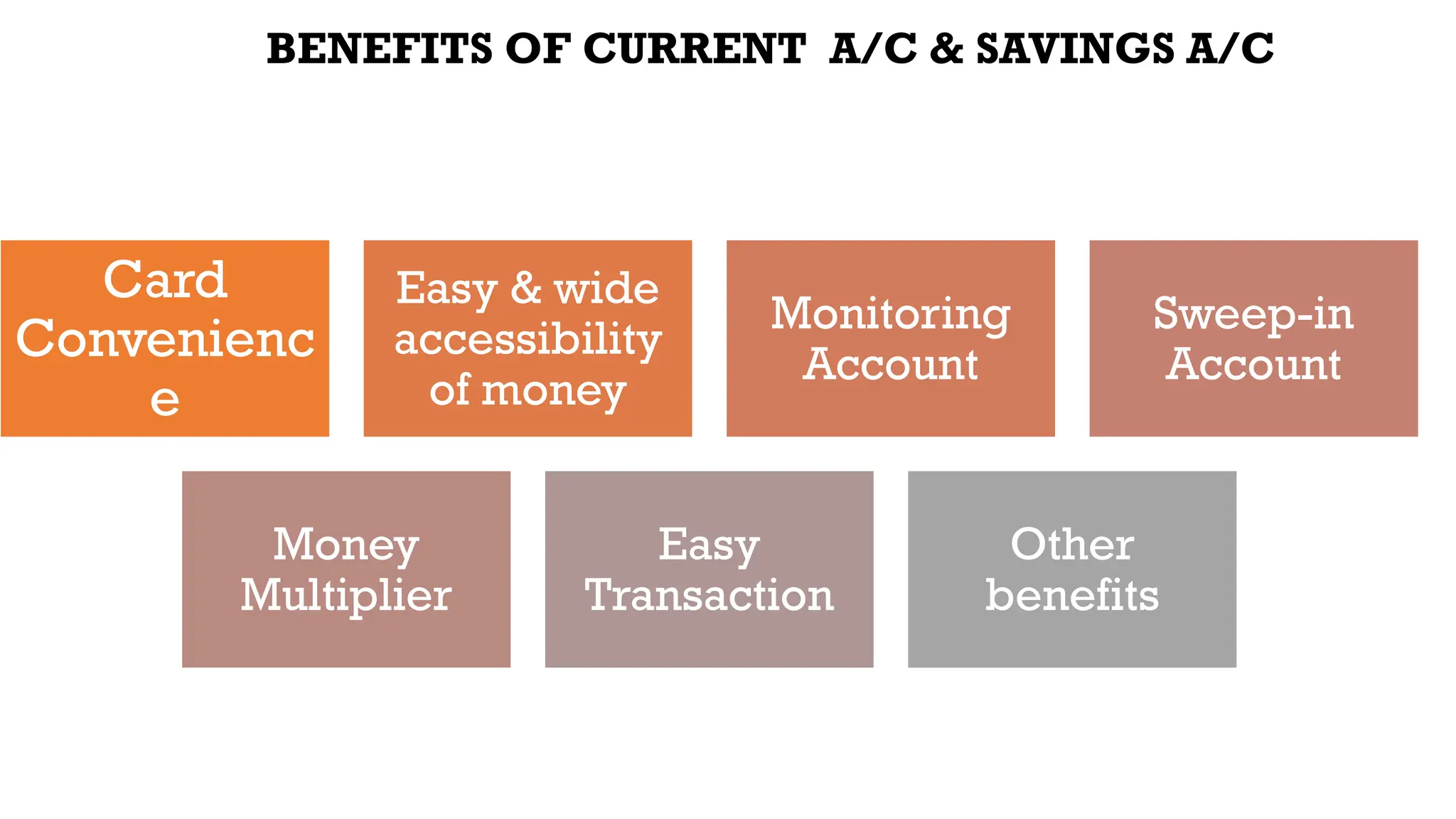
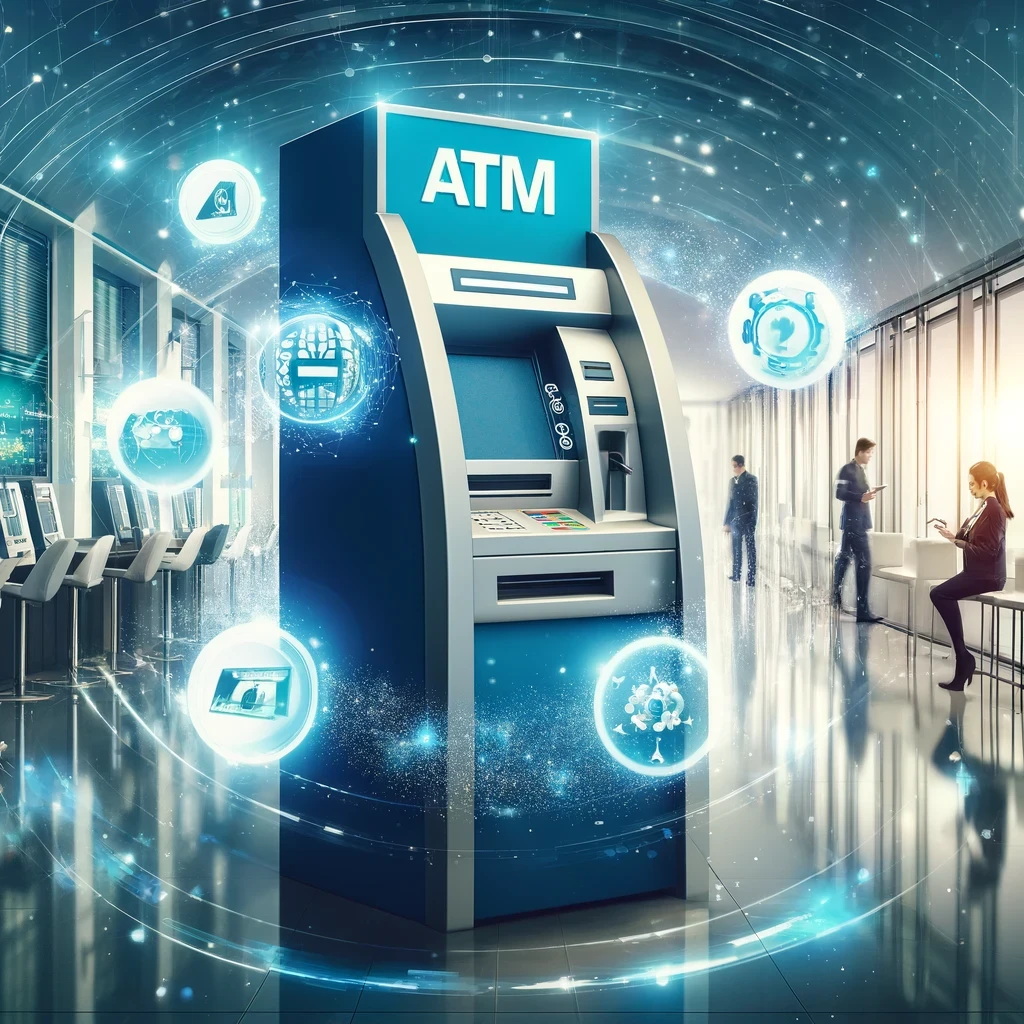
Automated Teller Machines (ATMs) serve as self-service banking terminals that allow users to perform cash withdrawals, deposits, balance inquiries, and fund transfers without interacting with a bank teller. Modern machines integrate secure authentication, encrypted data networks, and mechanical cash-dispensing hardware to process standard financial transactions 24 hours a day.
The Evolution and Core Purpose of ATMs
Automated Teller Machines revolutionized consumer banking by decentralizing basic financial services. Before the widespread adoption of ATMs, accessing funds outside of standard banking hours required planning and manual processing inside a physical branch. Today, ATMs act as extensions of a financial institution's core network, bridging the gap between digital banking databases and physical cash handling.
The primary purpose of an ATM is to provide secure, automated access to banking accounts. While early iterations of these machines were limited to dispensing cash and printing simple paper balance receipts, modern terminals handle complex multi-account transfers, check deposits with immediate or deferred scanning, bill payments, and account management tasks. This operational versatility reduces overhead costs for retail banks while offering unprecedented convenience for account holders.
Understanding how these terminals function requires looking at both the hardware architecture and the software infrastructure. An ATM is essentially a specialized computer enclosed in a heavy steel safe, equipped with secure input devices, optical scanners, and cash-handling mechanisms connected to a host processor through encrypted telecommunication lines.
Hardware Components and Physical Architecture
The physical structure of an ATM is engineered for high security, durability, and precise mechanical operation. The machine is generally divided into two main sections: the upper cabinet (the fascia) and the lower vault.
The upper cabinet houses the user interface elements and processing units. This includes the display screen—often a touch-sensitive interface accompanied by physical function keys—and the customer-operated input devices. The secure cryptographic keypad (EPP) is designed to resist tampering and prevent unauthorized observation of entered Personal Identification Numbers (PINs).
The lower vault contains the heavy-duty cash storage and dispensing mechanisms. Inside, secure metal cassettes hold stacked paper currency sorted by denomination. Pick-and-dispense mechanisms utilize rubber rollers, optical sensors, and vacuum tracks to pull the exact number of bills requested by a user, passing them through a shutter door into the cash slot.
| Component | Primary Function |
|---|---|
| Fascia & Display | User interface and prompts |
| Encrypted Keypad (EPP) | Secure PIN entry |
| Card Reader / DIP / NFC | Account identification |
| Cash Dispenser & Vault | Bill storage and delivery |
| Deposit Automation Unit | Check and cash intake |
| Host Processor Interface | Transaction authorization |
Software, Security, and Transaction Processing
Behind the physical interface lies a complex software environment. Most modern ATMs operate on secure, hardened versions of operating systems like Windows or specialized Linux distributions. The software acts as an intermediary, translating user commands into standard financial messaging formats, such as ISO 8583, which are routed to the host financial institution.
Security is paramount throughout every step of a transaction. When a user inserts a card or taps an NFC-enabled device, the machine reads the account data and prompts for a PIN. The PIN is immediately encrypted at the hardware level inside the EPP using triple Data Encryption Standard (3DES) or Advanced Encryption Standard (AES) algorithms. This encrypted block is sent alongside transaction details across a Virtual Private Network (VPN) or leased communication line to an ATM switch or host processor.
The host processor verifies whether the card issuer (the user's specific bank) approves or denies the transaction based on available balances, daily withdrawal limits, and fraud detection flags. Once approved, the host sends a digital authorization code back to the ATM, triggering the mechanical release of cash or the confirmation of a deposit.
Step-by-Step Breakdown of Standard ATM Transactions
Operating an ATM involves a standardized sequence of security and data-exchange steps. Whether withdrawing cash or depositing funds, the underlying workflow remains consistent across major banking networks.
Cash Withdrawals
- Card Authentication: The user inserts, dips, or taps their debit or credit card into the reader. Contactless NFC readers allow near-field communication for supported cards and mobile wallets.
- Language and PIN Entry: The system prompts the user to select a preferred language and enter their confidential PIN via the keypad.
- Transaction Selection: The user selects "Withdrawal" from the main menu and chooses a designated account type (e.g., checking or savings) and a specific or custom cash amount.
- Authorization Check: The terminal communicates with the host processor to verify funds and limits.
- Cash and Receipt Delivery: The mechanical vault dispenses the currency, the receipt prints (or is sent digitally), and the user retrieves their card before leaving.
Deposits and Balance Inquiries
Modern deposit-automation ATMs utilize optical scanners and mechanical rollers to accept cash and checks without envelopes.
- Cash Deposits: Users insert loose stacks of bills into a designated slot. Optical sensors verify the authenticity, denomination, and count of the currency before crediting the account.
- Check Deposits: The scanner captures high-resolution images of the front and back of the check, reading the Magnetic Ink Character Recognition (MICR) line to process the routing and account numbers automatically.
- Balance Inquiries: The terminal queries the host processor for real-time ledger and available balances, displaying or printing the financial status without moving physical media.
Types of ATMs and Functional Variations
Not all automated teller machines possess the same capabilities. Understanding the distinction between terminal types helps users anticipate available services and potential fee structures.
- Traditional Bank-Owned ATMs: Located at physical branch locations, these terminals typically offer full-service capabilities, including advanced cash and check deposits, loan payments, and account maintenance features, usually with zero or low fees for primary account holders.
- Independent or White-Label ATMs: Operated by non-bank third-party companies, these machines are commonly found in convenience stores, gas stations, and restaurants. They generally focus exclusively on cash dispensations and balance inquiries, and they almost universally charge convenience fees.
- Smart ATMs / Interactive Teller Machines (ITMs): These advanced units incorporate two-way video conferencing capabilities, allowing users to interact with a live remote human teller for complex transactions, check cashing to exact amounts, or loan inquiries outside of standard branch hours.
- Cash-Recycler ATMs: These sophisticated machines accept cash deposits from one user, authenticate and store the bills, and then dispense that exact currency to subsequent users withdrawing cash, significantly reducing the frequency of armored car cash-in-transit restocking runs.
Common Operational Limitations and User Challenges
While ATMs provide widespread financial access, technical and operational limitations can occasionally disrupt service.
Network connectivity failures are among the most common issues. If a terminal loses its secure broadband or cellular connection to the host processor, transactions freeze or decline. Furthermore, physical hardware jams—such as bills catching in the dispenser or a damaged card reader—can temporarily render a machine out of service.
Users also face structural constraints set by financial institutions. Daily withdrawal limits protect account holders against catastrophic loss in the event of card theft, but they can restrict access to large sums of cash. Additionally, out-of-network usage frequently triggers dual fees: a convenience fee charged by the ATM operator and an out-of-network fee charged by the user's home bank.
Frequently Asked Questions
What happens if an ATM does not dispense cash after my account is debited?
If your account is debited but the cash fails to emerge due to a mechanical error, the transaction usually reverses automatically within a few business days as the machine reconciles its internal audit logs. You should immediately contact your issuing bank to file a dispute, noting the terminal's location, time, and transaction details.
Can I use any ATM with any bank card?
Most debit cards bearing major network logos like Visa, Mastercard, Plus, or Cirrus can be used at any ATM displaying matching network acceptance marks. However, using an ATM outside your bank's proprietary network typically incurs additional transaction fees and may limit advanced service availability.
How do deposit-automation ATMs handle checks without envelopes?
Deposit-automation ATMs use optical image character recognition technology to scan the physical check instantly. The machine reads the dollar amount, signature, and MICR line, converting the paper document into an electronic check image for digital clearing through the banking network.
Are fees disclosed before completing an ATM transaction?
By regulation in many jurisdictions, independent and out-of-network ATM operators must display a prominent on-screen fee disclosure prompt before finalizing a transaction, giving the user an explicit opportunity to cancel the session without incurring charges.
What security measures protect ATMs from physical theft?
ATMs are anchored heavily to reinforced concrete flooring inside multi-hundred-pound steel vaults. Many units also feature internal tilt sensors, alarm systems, and dye packs that detonate and stain currency bills rendering them unusable if the safe is breached unlawfully.
Next Actions for Secure ATM Usage
When utilizing automated teller machines, prioritize physical security and financial hygiene. Inspect the card reader and keypad for unauthorized skimming attachments or loose overlays before inserting your card. Shield the keypad with your hand while entering your PIN to prevent shoulder surfing, and monitor your online banking statements regularly to verify that all ATM transactions match your personal records.
Image Gallery
Select an image to open it in a new tab.
Celine Dubois
Contemporary Living and Global Arts Columnist
