How APY Interest Rate Shapes Your Savings

Understanding the Annual Percentage Yield (APY) is essential for anyone looking to maximize their cash reserves and build long-term financial stability. APY interest rates directly shape your savings by incorporating the powerful mechanism of compound interest, determining how rapidly your deposited capital grows over days, months, and years. Unlike nominal interest rates that merely reflect base returns, APY measures the total amount of interest paid on an account, based on the interest rate and the frequency of compounding within a 365-day period. Because compounding allows you to earn interest on both your initial principal and the accumulated interest from previous periods, choosing an account with a competitive APY transforms a standard savings strategy into an effective tool for wealth preservation and growth.
Deconstructing APY: The Mechanics of Annual Percentage Yield
To understand how APY shapes your savings, you must first distinguish it from the nominal interest rate, often referred to as the Annual Percentage Rate (APR) in deposit contexts. While the nominal rate tells you the simple interest earned over a year without accounting for compounding intervals, the APY reveals the true annualized return.
Compounding frequency is the variable that bridges the gap between nominal rates and APY. Interest can compound daily, monthly, quarterly, or annually. The more frequently interest compounds, the more often your balance recalculates to include prior earnings, accelerating the velocity of your growth.
Consider a mathematical view of the compounding process. The standard formula used by financial institutions to calculate APY is:
$$\text{APY} = \left(1 + \frac{r}{n}\right)^n - 1$$
In this equation, $r$ represents the nominal annual interest rate expressed as a decimal, and $n$ represents the number of compounding periods per year. For example, a 5.00% nominal interest rate compounded monthly yields a higher APY than the same rate compounded annually. Financial regulators mandate the use of APY to ensure consumers can accurately compare deposit products across different banks and credit unions, leveling the playing field so that compounding frequency cannot be obscured by marketing terminology.
Simple Interest Versus Compound Interest in Everyday Accounts
The foundational difference between simple interest and compound interest dictates the trajectory of your personal savings. Traditional savings vehicles or outdated financial products might calculate earnings using simple interest, multiplying the principal balance by the interest rate and the fraction of time the money remains deposited.
Compound interest, however, alters the growth curve from a linear progression to an exponential one. When interest compounds daily in a high-yield savings account, today's earned interest joins tomorrow's principal. Over short periods, the difference between simple and compound interest may appear negligible. However, as the timeline stretches across several years, the compounding effect creates a widening gap between what a simple interest account would produce and what an APY-optimized account delivers.
| Principal Amount | Nominal Interest Rate | Compounding Frequency | Effective APY | Balance After 5 Years |
|---|---|---|---|---|
| $10,000 | 1.00% | Annually | 1.00% | $10,510.10 |
| $10,000 | 4.00% | Monthly | 4.08% | $12,209.97 |
| $10,000 | 5.00% | Daily | 5.13% | $12,836.85 |
| $25,000 | 4.50% | Monthly | 4.59% | $31,274.52 |
This comparison highlights how compounding frequency and varying APY percentages interact. Even a fractional increase in APY combined with daily compounding yields substantial variances in total returns over a medium-term horizon.

Account Types and Their Impact on APY Earnings
Not all savings vehicles handle APY in the same manner. Financial institutions offer a diverse array of accounts, each dictating how interest is applied, whether rates remain variable, and how accessible your funds must be.
High-Yield Savings Accounts (HYSAs)
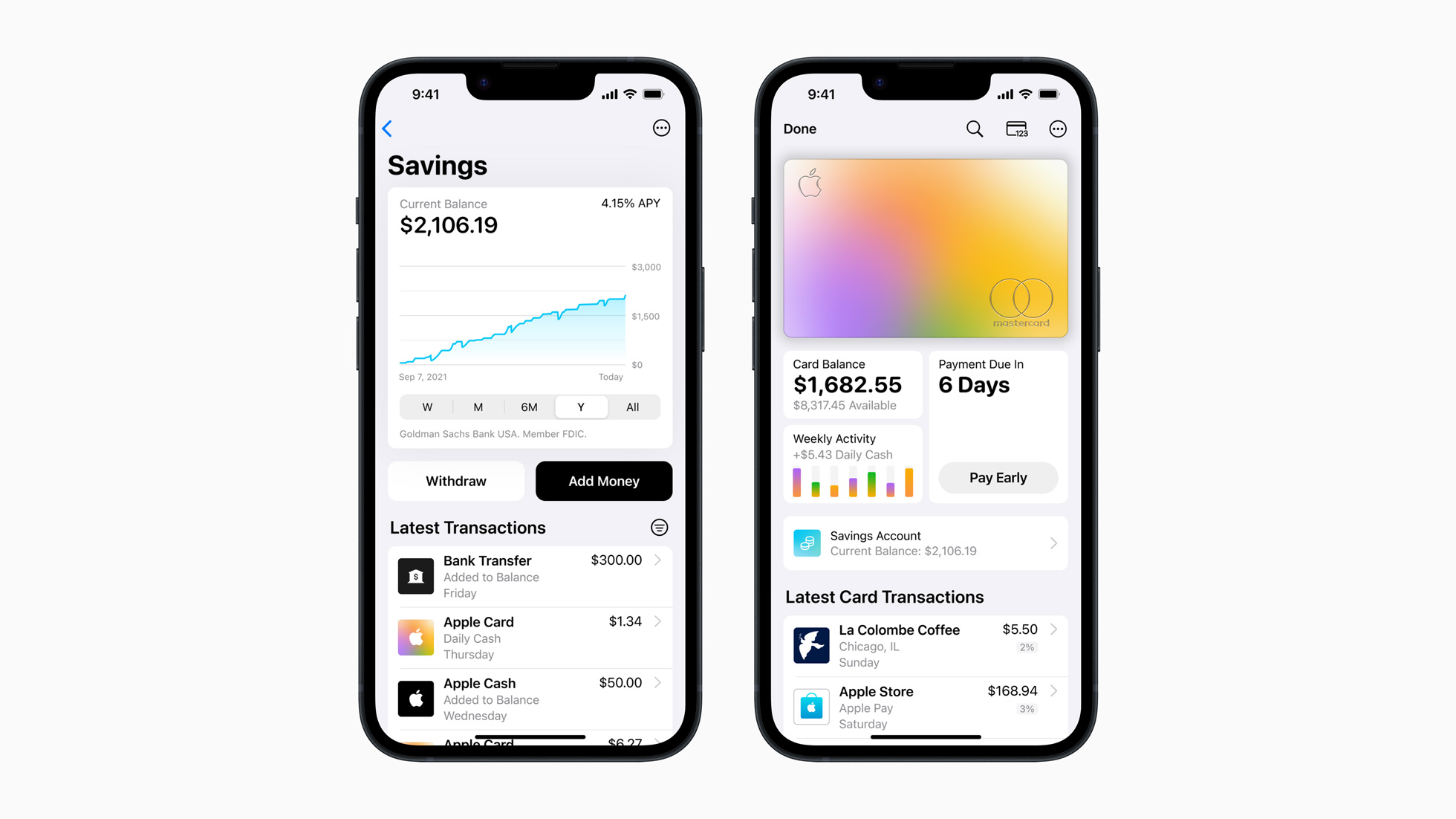
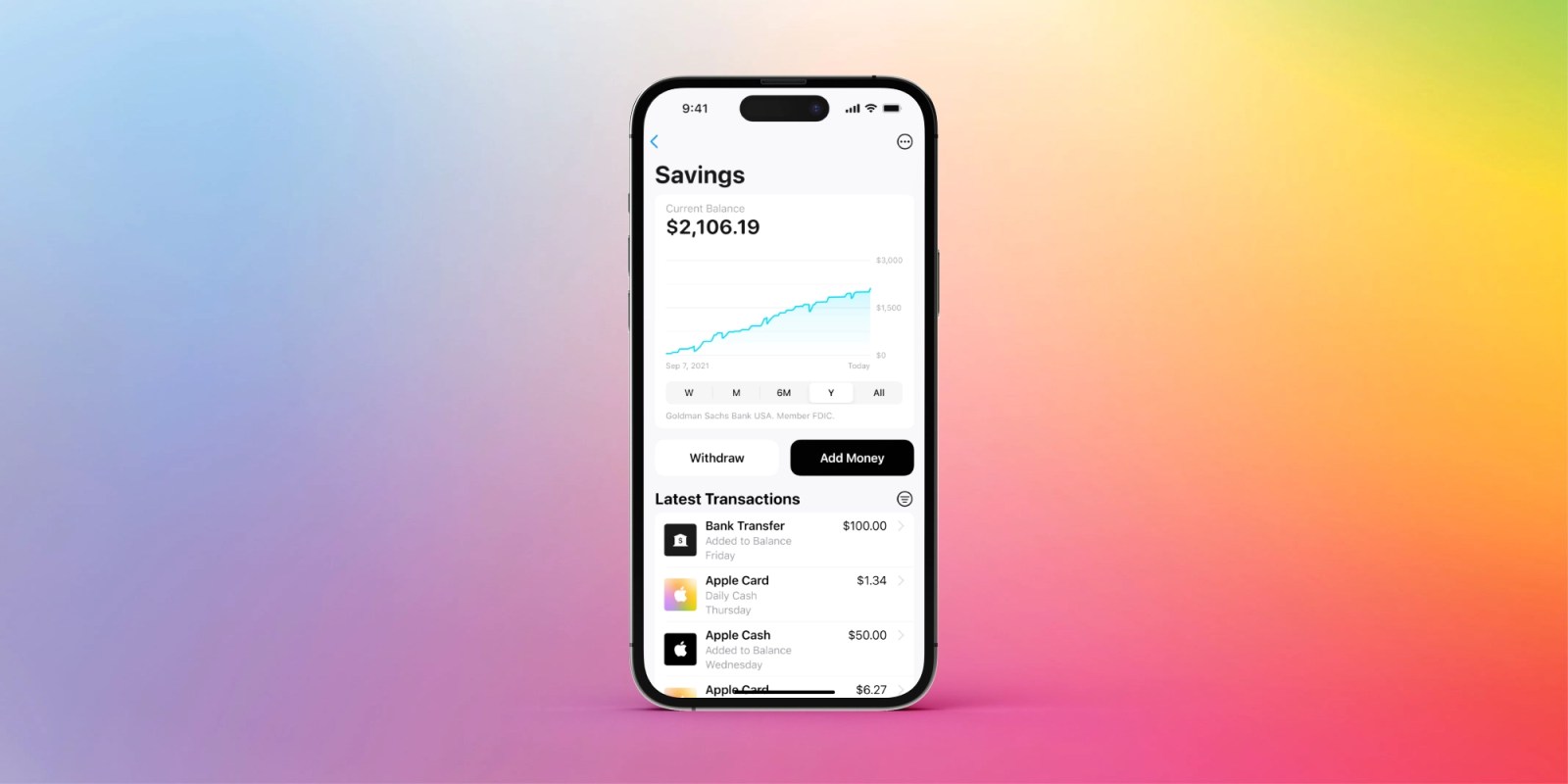
High-yield savings accounts operate primarily online, bypassing the overhead costs of brick-and-mortar storefronts. This operational model allows institutions to pass savings on to consumers through competitive APYs that frequently outpace traditional national bank averages. HYSAs typically feature variable APYs, meaning the rate fluctuates in response to broader macroeconomic shifts, such as monetary policy adjustments by central banks.
Certificates of Deposit (CDs)
Certificates of deposit offer a fixed APY locked in for a predetermined term, ranging from three months to five years or more. When you fund a CD, you agree to leave the principal untouched until the maturity date. In exchange, the institution guarantees that your APY will not drop, insulating your savings strategy from falling rate environments. However, withdrawing funds early generally triggers substantial financial penalties that can erase months of accrued interest.
Money Market Accounts (MMAs)
Money market accounts blend features of checking and savings accounts, often providing debit cards or check-writing privileges alongside tiered APY structures. Some MMAs require maintaining high minimum balance thresholds to unlock their most favorable APY tiers, making them well-suited for larger cash reserves.
Macroeconomic Factors Influencing APY Offerings
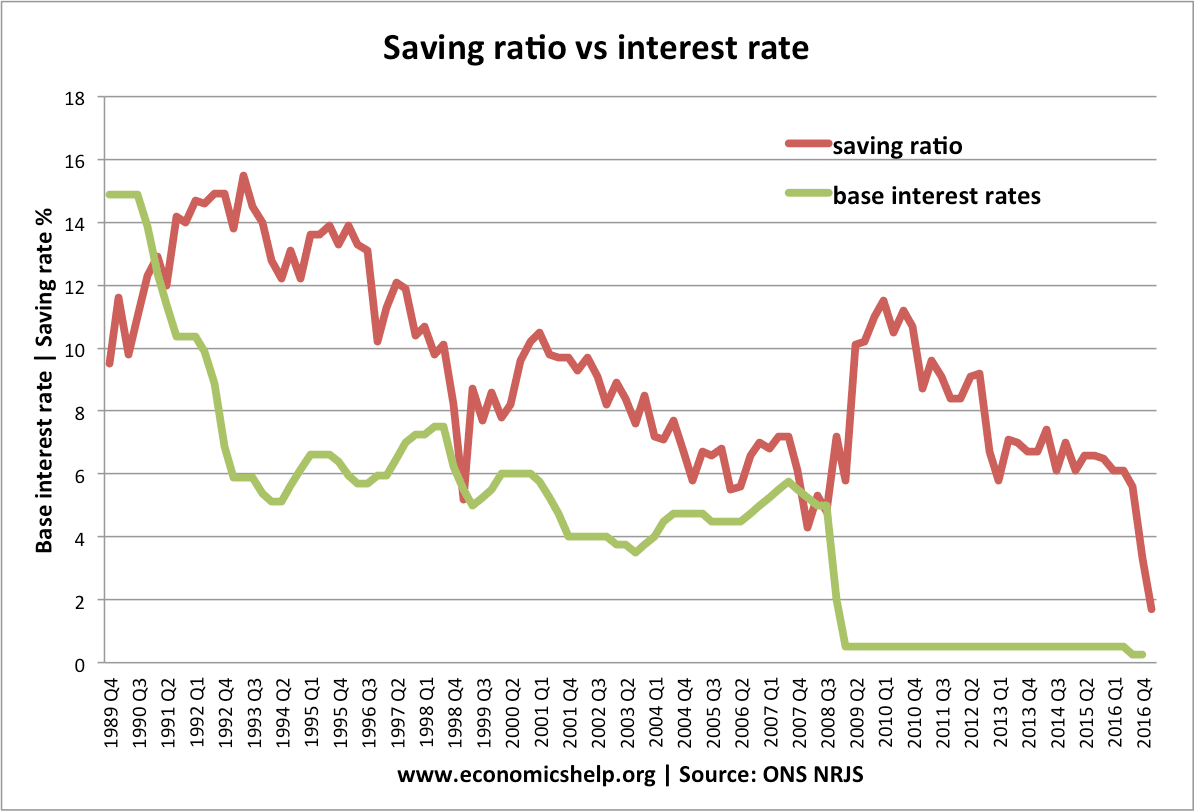
An APY rate is never static over the long term; it rises and falls in tandem with the economic cycle. Central banks, such as the United States Federal Reserve, influence short-term interest rates by adjusting the federal funds rate. When central banks raise benchmark rates to cool inflationary pressures, commercial banks and credit unions respond by increasing the APY on savings products to attract and retain consumer deposits.
Conversely, during periods of economic deceleration, central banks lower benchmark rates, prompting financial institutions to reduce their APY offerings. Recognizing these macroeconomic cycles helps savers manage expectations. When interest rates peak, locking funds into long-term fixed vehicles like CDs can secure high returns before a broader market downturn occurs. In a rising-rate environment, keeping cash liquid in high-yield variable savings accounts ensures you can capture subsequent rate hikes without incurring early-withdrawal penalties.
Strategic Savings Tactics to Maximize APY Returns
Optimizing the power of APY requires deliberate planning rather than passive cash management. Implementing specific structural tactics ensures your money works as efficiently as possible.
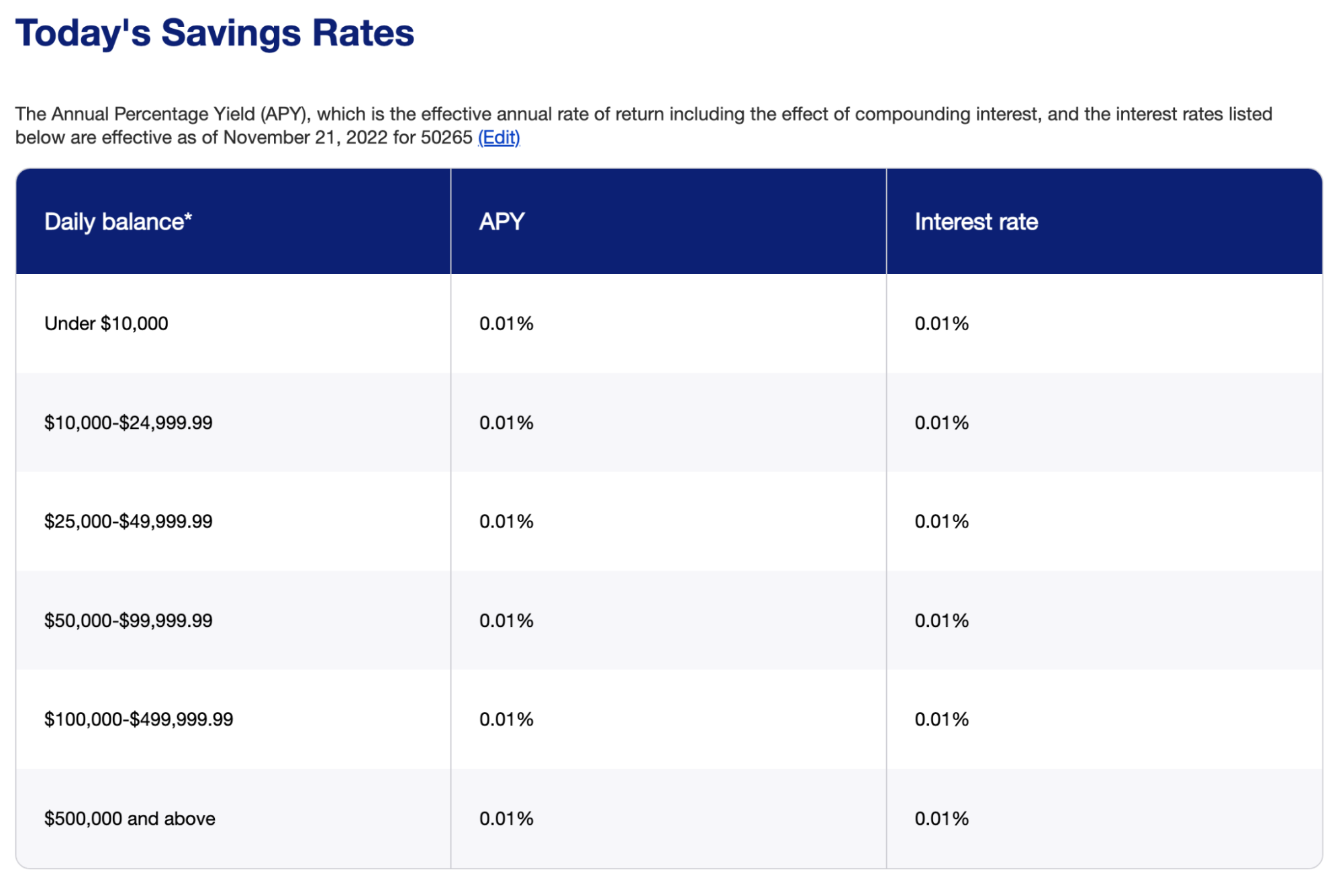
- Audit Existing Account Yields: Regularly review the APY on your primary checking and savings accounts. Traditional brick-and-mortar institutions often maintain baseline APYs near zero, representing a silent loss of purchasing power due to inflation.
- Consolidate Emergency Reserves: Move cash reserves earmarked for emergencies out of low-yielding checking accounts and into dedicated high-yield savings vehicles.
- Utilize CD Laddering Strategies: Split your savings across multiple CDs with staggered maturity dates—such as 3-month, 6-month, 1-year, and 2-year terms. This approach ensures regular access to liquid funds while maintaining exposure to competitive APY tiers.
- Monitor Balance Minimums and Fees: Ensure that monthly maintenance fees or minimum balance requirements do not offset the interest earnings generated by your account's APY.
Common Misconceptions About APY and Interest
Misunderstandings regarding how interest rates function can lead to suboptimal financial decisions. Clarifying these points protects your savings strategy from common pitfalls.
- Confusing Interest Rate with APY: The interest rate measures only the periodic cost or return of principal without compounding. APY is always higher than or equal to the nominal interest rate because it accounts for compounding frequency. Always evaluate accounts using APY for an accurate apples-to-apples comparison.
- Assuming APY is Permanent: Except for fixed-rate products like standard CDs, variable APYs on savings and money market accounts can change at any time at the discretion of the financial institution.
- Neglecting the Impact of Inflation: Earning a high APY is vital, but if the inflation rate surpasses your account's APY, your real purchasing power still declines. APY minimizes this erosion, but it does not completely eliminate inflation risk for cash holdings.
- Ignoring Tax Implications: Interest earned in a standard savings account or CD is classified as taxable income by the IRS and equivalent tax authorities. Taxes owed on accrued interest reduce your net compound growth unless the funds reside within tax-advantaged retirement accounts.
Frequently Asked Questions
What is the difference between APR and APY?
APR stands for Annual Percentage Rate, which represents the simple annual cost of borrowing money or the simple interest earned without compounding. APY stands for Annual Percentage Yield, which factors in the frequency of compounding over a year, showing the true return on savings or the true cost of debt.
Can a bank change the APY on my savings account after I open it?
Yes. For standard high-yield savings accounts and money market accounts, the APY is variable and can be adjusted by the financial institution at any time in response to market conditions. However, for fixed-rate products like standard certificates of deposit, your APY is legally locked for the entire duration of the agreed term.
How often does compound interest get added to my savings?
Compounding frequency varies by institution and account type. Many modern online banks compound interest daily and credit the earnings to your account on a monthly basis. Reviewing the terms and conditions disclosure of your financial institution confirms the exact compounding and crediting schedule.
Is my money safe in a high-yield savings account with a high APY?
Money deposited in accounts offered by FDIC-insured banks or NCUA-insured credit unions is protected up to standard regulatory limits—typically $250,000 per depositor, per institution, ownership category. High APY does not correlate with higher risk if the institution carries federal deposit insurance.
Does keeping a higher balance increase my APY?
In most standard high-yield savings accounts, the APY remains flat regardless of your balance. However, some money market accounts and tiered savings products utilize balance thresholds, offering higher APY tiers only to accounts that maintain balances above a specified minimum.
Conclusion and Next Actions
The APY interest rate serves as the primary engine driving the growth of your liquid savings. By moving away from legacy accounts offering nominal returns and embracing high-yield savings vehicles, certificates of deposit, or tiered money market structures, you harness the full mathematical force of compound interest. Your immediate next action should be to audit your current financial holdings, calculate the effective yield on your cash reserves, and relocate idle funds to institutions offering competitive, federally insured APYs that align with your timeline and liquidity needs.
Image Gallery
Select an image to open it in a new tab.



Omar Farooq
EdTech Innovation and Virtual Pedagogy Journalist
