
The out-of-pocket payments model is a healthcare financing structure where individuals pay directly for services or products at the point of care, rather than through a third-party insurer. This model encompasses direct self-pay for uninsured services, as well as the deductibles, copayments, and coinsurance required by traditional insurance plans.
In 2026, the out-of-pocket (OOP) payments model has transitioned from a niche alternative to a central pillar of global healthcare systems. As high-deductible health plans (HDHPs) become the standard for employer-sponsored insurance and the "Direct Primary Care" movement expands, understanding the mechanics of OOP payments is essential for both financial planning and accessing quality medical care. This model places the consumer at the center of the transaction, shifting the burden of price discovery and payment responsibility away from the insurer and directly onto the patient.
Defining the Out-of-Pocket Payment Model
At its core, the out-of-pocket payment model represents a direct financial transaction between a consumer and a provider. Unlike the traditional "third-party payer" model—where an insurance company negotiates rates, processes claims, and pays the provider—the OOP model simplifies the chain of commerce. However, the term "out-of-pocket" is used in two distinct contexts that often confuse consumers:
- Pure Self-Pay (The Direct Model): This occurs when a patient seeks care for a service not covered by insurance, or when the patient chooses to bypass insurance entirely. Examples include elective cosmetic surgery, over-the-counter medications, or services from providers who do not accept insurance.
- Cost-Sharing (The Insurance-Integrated Model): This refers to the portion of covered medical expenses that the insured individual must pay. Even within a robust insurance plan, the OOP model is active through deductibles, copayments, and coinsurance until a specific annual limit is reached.
In 2026, the distinction between these two has blurred. Many providers now offer "cash prices" that are significantly lower than the "negotiated rates" found in insurance contracts, leading even insured patients to opt for the OOP model for specific procedures to save money.
The Core Components of Out-of-Pocket Costs
To navigate this model effectively, one must understand the technical components that dictate how much a patient will pay. While these terms originated in the insurance industry, they define the boundaries of the OOP experience.
Deductibles
The deductible is the fixed amount a patient must pay out-of-pocket before their insurance coverage begins to contribute to the cost of care. In 2026, many silver and bronze-level plans on the health exchange feature deductibles exceeding $5,000 for individuals. Until this threshold is met, the patient is essentially operating in a pure OOP model, responsible for 100% of the provider's contracted rate.
Copayments and Coinsurance
Once the deductible is met, the OOP model shifts to cost-sharing. A copayment is a fixed dollar amount (e.g., $30 for a specialist visit), while coinsurance is a percentage of the total cost (e.g., 20% of a surgical bill). These costs are "out-of-pocket" because they are paid directly by the patient at the time of service or shortly after billing.
Out-of-Pocket Maximum (MOOP)
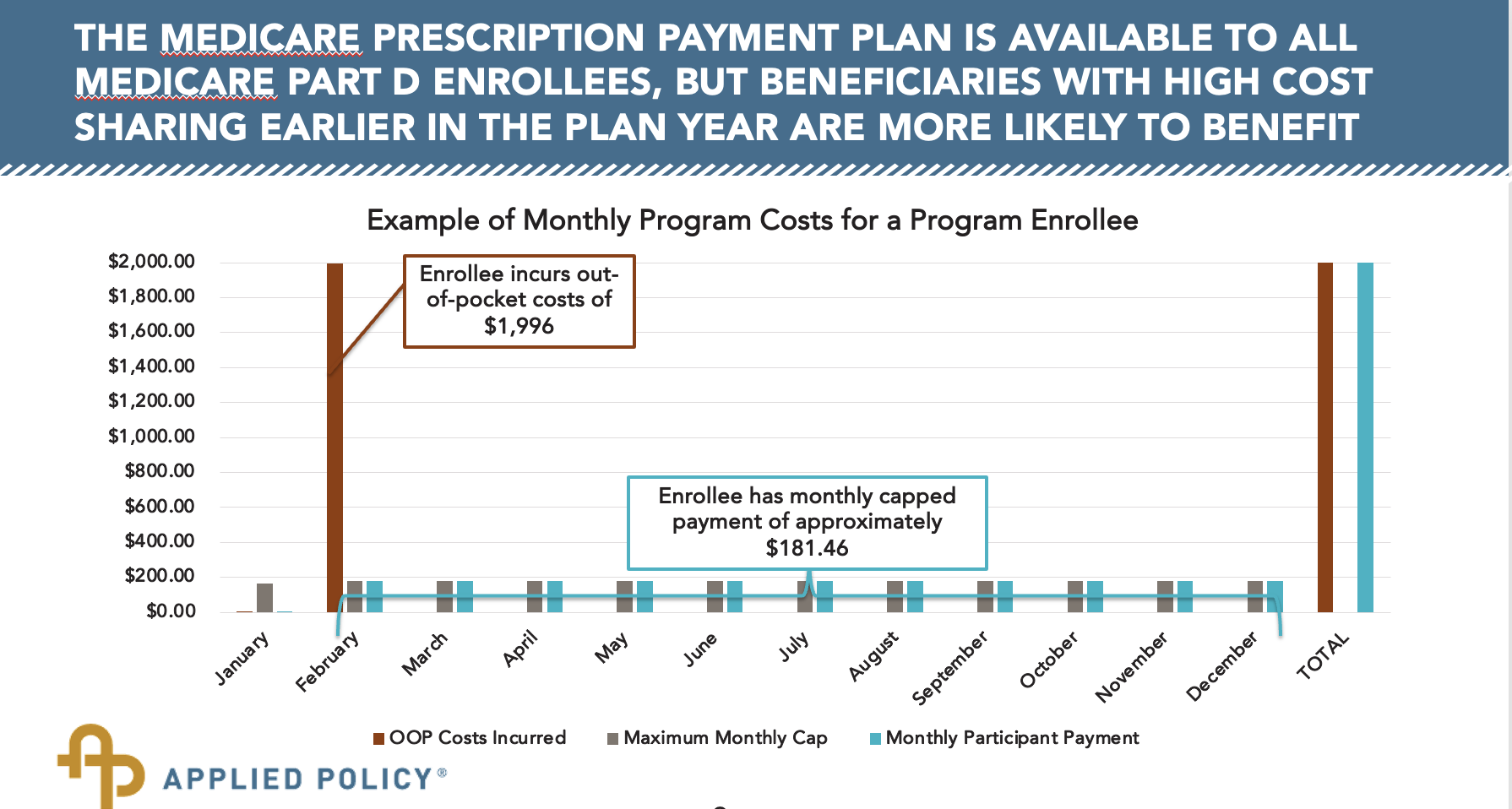
The most critical safeguard in the insurance-integrated OOP model is the Out-of-Pocket Maximum. This is the absolute limit a patient will pay for covered "in-network" services in a calendar year. Under current federal guidelines, once this limit is reached, the insurance company pays 100% of the costs for covered services. However, it is important to note that premiums and non-covered services (like elective procedures) do not count toward this limit.
The Rise of Direct Primary Care (DPC) and Cash-Only Models
A significant shift in 2026 is the growth of Direct Primary Care (DPC). This is a pure implementation of the out-of-pocket model that removes the insurance company from the primary care relationship entirely.
Under the DPC model, patients pay a monthly or annual membership fee (an OOP expense) in exchange for unlimited office visits, direct communication with their physician, and often, wholesale pricing on lab work and medications. This model is gaining traction because it reduces the administrative overhead for physicians—who no longer need to employ billing staff to argue with insurance companies—allowing them to pass those savings directly to the patient.
For the consumer, the DPC model offers price transparency. There are no "surprise bills" or complex Explanation of Benefits (EOB) forms. The cost of a visit is known upfront, which is a hallmark of a functioning OOP market.
The Role of Price Transparency in 2026
The out-of-pocket model relies heavily on the availability of pricing information. Historically, healthcare pricing was opaque, but as of 2026, federal regulations—building on the foundation of the No Surprises Act—require hospitals and providers to provide a Good Faith Estimate (GFE) for scheduled services.
When operating within an OOP model, the GFE is a legally binding or highly influential document that protects the consumer. It must include:
- An itemized list of expected services.
- The HCPCS or CPT codes for those services.
- The specific cash-pay or discounted rate offered to the patient.
This transparency has led to the rise of "medical tourism" within the United States, where patients travel to specific facilities that specialize in high-quality, low-cost OOP procedures, such as joint replacements or imaging.
Advantages and Challenges of the OOP Payments Model
The shift toward an out-of-pocket dominant system has profound implications for the healthcare economy. While it offers efficiency, it also introduces significant risks.
Advantages for Consumers and Providers
- Reduced Administrative Costs: Providers save between 15% and 30% on overhead by not processing insurance claims. These savings are often passed to the patient as "prompt-pay" discounts.
- Immediate Access: In many cases, OOP patients can secure appointments faster because the provider does not need to wait for "prior authorization" from an insurance carrier.
- Price Competition: When patients pay with their own money, they become "shoppers." This forces providers to compete on both price and quality, a dynamic that is largely absent in traditional insurance models.
Challenges and Risks
- Affordability and Equity: The primary criticism of the OOP model is that it favors those with high disposable income. For low-income individuals, a sudden $1,000 OOP expense for an emergency room visit can lead to medical debt or the avoidance of necessary care.
- Unpredictability: While elective procedures have transparent pricing, emergency care is inherently unpredictable. The OOP model struggles to address the costs of catastrophic illness or trauma.
- Complexity of Coordination: Patients using a pure OOP model must often act as their own medical coordinators, ensuring that records are transferred between providers and that they are not being overcharged for redundant tests.
Comparison of Healthcare Payment Structures
The following table compares the out-of-pocket model with traditional insurance-based systems to help consumers understand where their financial responsibility lies.
| Feature | Pure Out-of-Pocket (Self-Pay) | Traditional Insurance (HMO/PPO) | Direct Primary Care (DPC) |
|---|---|---|---|
| Primary Payer | The Patient | The Insurance Company | The Patient (via Membership) |
| Price Predictability | High (for scheduled care) | Low (until EOB is processed) | Very High |
| Administrative Burden | Low | High (Claims/Approvals) | Very Low |
| Cost of Major Surgery | Extremely High (Full Price) | Capped (by MOOP) | Not Covered (requires separate plan) |
| Provider Selection | Any provider | Limited to Network | DPC Member Doctors Only |
| Best For | Elective/Non-covered services | Chronic illness/Hospitalization | Routine and Preventative care |
Financial Management Strategies for OOP Expenses
Because the out-of-pocket model requires direct payment, managing liquidity is essential. In 2026, two primary tax-advantaged accounts are the gold standard for handling these costs.
Health Savings Accounts (HSAs)
An HSA is available to individuals enrolled in a High-Deductible Health Plan (HDHP). For 2026, the IRS has adjusted contribution limits to account for inflation, allowing individuals to set aside pre-tax dollars specifically for OOP medical expenses. The "triple tax advantage"—pre-tax contributions, tax-free growth, and tax-free withdrawals for medical use—makes the HSA the most powerful tool for navigating the OOP model.
Flexible Spending Accounts (FSAs)
Unlike the HSA, the FSA is an employer-sponsored account that usually follows a "use-it-or-lose-it" rule. It is ideal for predictable OOP expenses, such as vision care, dental work, or ongoing prescriptions. Utilizing an FSA effectively requires accurate annual forecasting of OOP needs.
Medical Credit and Financing
For larger OOP expenses, such as LASIK or dental implants, many providers offer specialized medical credit lines. While convenient, these often carry high interest rates after an initial promotional period. Patients should compare these against traditional personal loans or hospital-direct interest-free payment plans.
Legal Protections and the "No Surprises Act"
Even in 2026, the fear of "surprise billing" remains a concern for those in the OOP model. The federal government continues to enforce protections against balance billing, particularly for emergency services.
When a patient receives care from an "out-of-network" provider at an "in-network" facility, the law prevents the provider from billing the patient for more than the in-network OOP amount. For pure self-pay patients, the right to a Good Faith Estimate is the primary legal shield. If the final bill exceeds the GFE by more than $400, the patient has the right to dispute the charges through a federal administrative process.
Frequently Asked Questions
What happens if I cannot pay my out-of-pocket costs at the time of service?
Most healthcare providers offer financial assistance programs or "charity care" for patients who meet certain income thresholds. Additionally, many hospitals are required by law to provide emergency stabilization regardless of the patient's ability to pay. For non-emergency care, providers may require a deposit or a signed payment plan agreement before proceeding with treatment.
Does paying out-of-pocket count toward my insurance deductible?
Only if the service is "covered" by your insurance plan and you submit the "member-paid claim" form to your insurer. If you pay a discounted cash rate for an elective procedure (like cosmetic surgery) or for a service the insurer deems "not medically necessary," that money will generally not count toward your annual deductible or out-of-pocket maximum.
Can I negotiate a lower price if I pay out-of-pocket?
Yes. Healthcare providers often prefer immediate payment over the months-long process of insurance reimbursement. When asking for a "cash price" or "self-pay rate," patients can often secure discounts ranging from 20% to 50% off the standard chargemaster rates. It is best to negotiate this rate before the service is rendered.
Are all out-of-pocket payments tax-deductible?
Generally, medical expenses are only deductible on your federal income tax return if you itemize your deductions and the total expenses exceed 7.5% of your adjusted gross income (AGI). However, if you pay for OOP costs using funds from an HSA or FSA, those payments are made with pre-tax dollars, providing an immediate tax benefit regardless of the 7.5% threshold.
Why do some doctors refuse to take insurance and only accept OOP payments?
This is often to reduce administrative costs and increase the time spent with patients. By eliminating the need to document for insurance companies and wait for reimbursements, physicians in "concierge" or "direct pay" models can maintain smaller patient panels and offer more personalized care.
Final Recommendation
For most individuals in 2026, the most effective way to manage the out-of-pocket payments model is through a hybrid approach. This involves maintaining a high-deductible insurance plan to protect against catastrophic costs (like heart surgery or cancer treatment) while simultaneously funding a Health Savings Account (HSA) to cover routine, out-of-pocket expenses.
Before committing to any major medical procedure, always request a written Good Faith Estimate and ask the provider for their "self-pay" rate. Comparing this rate to your insurance-negotiated rate can often save hundreds or even thousands of dollars, particularly if you have not yet met your annual deductible.
Image Gallery
Select an image to open it in a new tab.

Omar Farooq
EdTech Innovation and Virtual Pedagogy Journalist
