Understanding the Naruto Ninja Ranking System: Ranks, Roles, and Progression
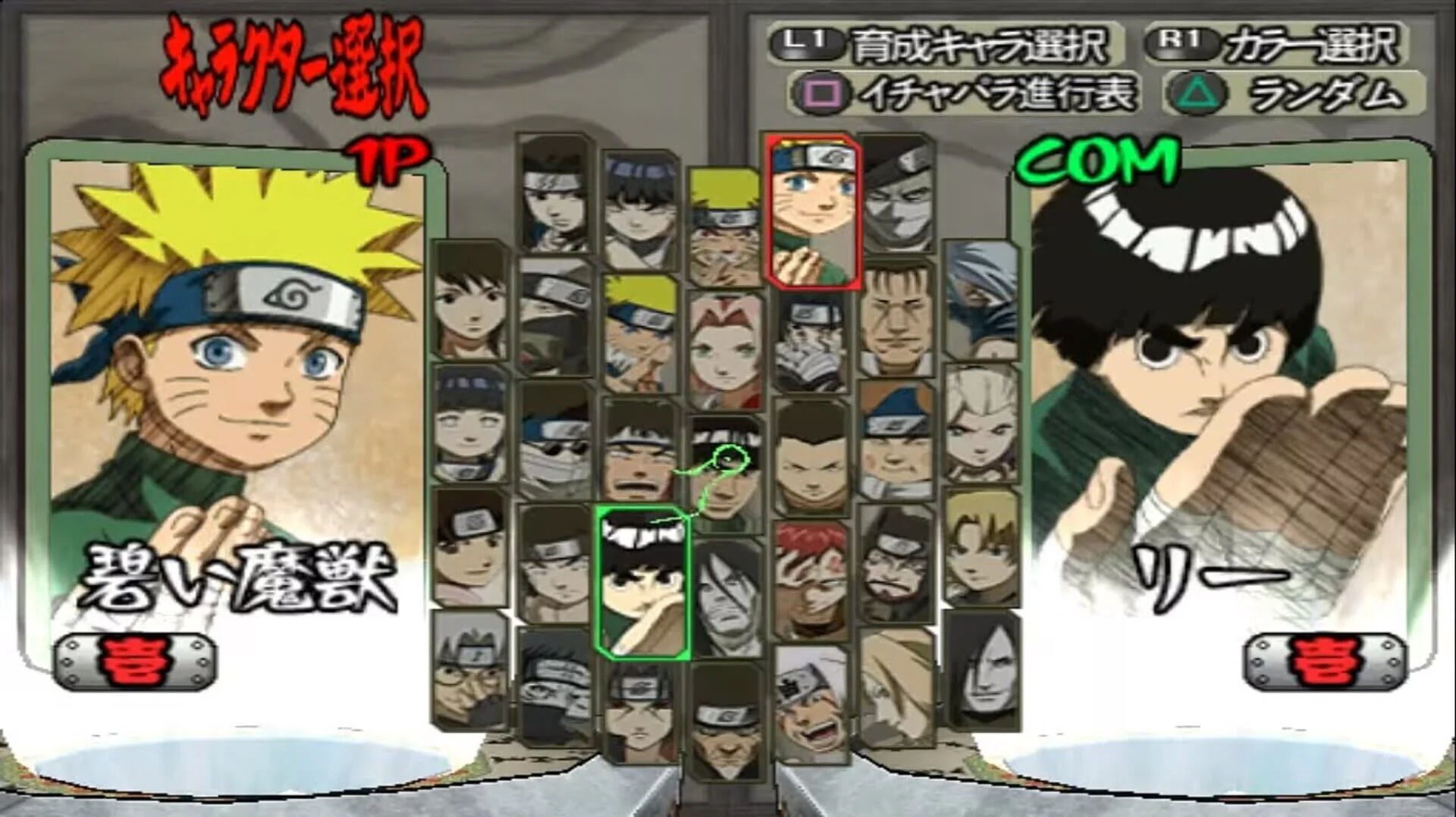
The Naruto ninja ranking system is a structured hierarchy that classifies shinobi based on their experience, skill level, leadership abilities, and operational responsibilities. Ranks range from entry-level Academy Students to elite figures like the Kage, serving to organize village defense, assign missions safely, and establish a clear path for professional shinobi advancement.
Introduction to the Shinobi World Hierarchy
Within the fictional universe of Masashi Kishimoto's Naruto, villages function as military-industrial city-states. To maintain economic stability, political influence, and territorial defense, these Hidden Villages rely on a standardized martial hierarchy. This system does not merely measure raw destructive power; it evaluates strategic thinking, discipline, reliability under pressure, and the capacity to lead others in high-stakes environments.
Understanding this system requires looking past individual jutsu displays and examining the institutional mechanisms of the Five Great Shinobi Nations. Missions are strictly classified according to difficulty, and shinobi are dispatched only when their verified rank matches the operational requirements. This prevents catastrophic resource loss and ensures that young or inexperienced operatives are not thrust into scenarios beyond their technical capability.
Foundational Ranks: From Academy Student to Genin
The journey of every ninja begins long before they see active combat or execute dangerous field missions. The foundational stages establish baseline physical fitness, theoretical knowledge of chakra control, and ideological loyalty to the village.
Academy Students (Akademi-sei)
The Academy serves as the primary educational institution for children destined to become shinobi. Students spend their formative years learning basic academics, history, physical conditioning, and foundational ninjutsu, genjutsu, and taijutsu.
- Prerequisites: Enrollment typically occurs in early childhood, often sponsored by clan heritage or familial ties within the village.
- Core Curriculum: Basic transformation techniques (Henge no Jutsu), clone techniques (Bunshin no Jutsu), substitution techniques (Kawarimi no Jutsu), and fundamental shuriken throwing.
- Graduation: Students must pass a practical and written examination to prove they possess the minimum requirements for field deployment. Upon passing, they receive a village forehead protector (hitai-ate), officially designating them as Genin.
Genin (Lower Ninja)
Genin represent the lowest official tier of active duty shinobi. Once graduated, they are formed into three-person squads led by an elite Jônin instructor.
- Operational Scope: Genin are primarily assigned to D-rank and C-rank missions. D-rank tasks involve non-combat manual labor, such as finding lost pets, farming, or cleaning rivers. C-rank tasks introduce minor risks, such as personal bodyguard duties or escorting merchants through low-threat bandit territory.
- Progression Path: A Genin gains real-world tactical experience under a supervisor. When a squad leader deems their team ready, they may recommend them for the Chûnin Exams, an inter-village tournament designed to test tactical competence, leadership, and crisis management.
Intermediate and Advanced Ranks: Chûnin and Jônin
Moving beyond the Genin tier shifts a shinobi from an operational executor to a tactical leader and specialized expert. These middle and upper ranks form the administrative and battlefield backbone of any Hidden Village.
Chûnin (Middle Ninja)
Chûnin are shinobi who have demonstrated advanced leadership, analytical capabilities, and sound decision-making under pressure. They act as squad leaders, tactical planners, and Academy instructors.
- Mission Assignments: Chûnin are typically assigned to C-rank and B-rank missions. B-rank missions involve moderate combat risks against rogue ninja or opposing military forces, requiring coordinated tactics and tactical retreat assessments.
- Responsibilities: During wartime or large-scale operations, Chûnin command small units of Genin, managing supply lines, intelligence gathering, and perimeter defense. Passing the Chûnin Exams does not guarantee immediate rank promotion; village leaders weigh battlefield performance and psychological stability before granting the title.
Jônin (High Ninja)
Jônin are the elite fighting force of a Hidden Village. They possess master-level proficiency in multiple elemental releases, advanced ninjutsu, taijutsu, or genjutsu, alongside exceptional strategic intellect.
- Mission Assignments: Jônin handle A-rank and S-rank missions. A-rank missions involve high-stakes assassinations, deep espionage, or military resistance against foreign shinobi forces. S-rank missions are top-tier operations involving missing-nin of international threat levels, war negotiations, or existential defense.
- Leadership Roles: A Jônin is qualified to train a three-person Genin squad, serve as a military captain, or command specialized units such as the Anbu Black Ops. Their loss severely impacts a village's geopolitical standing and defensive capacity.
| Rank | Primary Mission Tier | Core Responsibilities | Typical Leadership Role |
|---|---|---|---|
| Academy Student | None (Non-combat) | Basic education and chakra foundations | None |
| Genin | D-Rank to C-Rank | Manual labor, escort, minor security | Squad Member |
| Chûnin | C-Rank to B-Rank | Squad leadership, tactical planning, teaching | Squad Leader / Unit Commander |
| Jônin | A-Rank to S-Rank | High-threat combat, espionage, strategy | Jônin Instructor / Task Force Leader |
| Kage | All Tiers (Strategic) | Total village governance and military command | Village Leader |
Specialized and Elite Classifications
Beyond the standard linear progression of Genin to Jônin, the Naruto universe features specialized operational categories that operate outside conventional military assignments.
Special Jônin (Tokubetsu Jônin)
Special Jônin are shinobi who do not meet the broad, multi-disciplinary requirements of a full Jônin but possess absolute mastery in a singular, highly specialized field.
- Examples: Interrogators like Ibiki Morino, medical experts, or master cryptographers.
- Deployment: They are attached to standard units or command specialized infrastructure divisions where their narrow expertise is required, rather than leading front-line combat squads.
Anbu Black Ops (Ansatsu Senjutsu Tokushu Butai)
The Anbu are elite assassination and tactical warfare squads that answer directly to the Kage.
- Operational Profile: Operatives wear distinctive porcelain animal masks and standard gray or black uniforms with protective flak jackets. They operate in secret, handling extrajudicial assassinations, tracking missing-nin, tracking foreign intelligence leaks, and conducting black-bag operations behind enemy lines.
- Selection: Recruitment is based on exceptional individual capability and psychological detachment, often drawing from the most lethal and disciplined Chûnin and Jônin.
The Peak of the System: The Kage
The Kage stands at the absolute apex of the ninja ranking system. As the military and political leader of a Hidden Village, the Kage is universally recognized as the strongest and most influential shinobi within their respective nation.
- Titles by Nation: Hokage (Village Hidden in the Leaves), Kazekage (Village Hidden in the Sand), Mizukage (Village Hidden in the Mist), Raikage (Village Hidden in the Cloud), and Tsuchikage (Village Hidden in the Stone).
- Selection Process: The appointment of a Kage is typically decided by the previous Kage, the village council, and high-ranking elders based on proven strength, political acumen, and total dedication to the village's survival.
- Responsibilities: The Kage manages diplomatic relations with other nations, allocates military assets, oversees village budgets, and personally intervenes when an enemy force threatens the existential security of the settlement.
Mission Classification and Rank Correlation
The operational integrity of the ninja ranking system relies on matching mission difficulty ratings to authorized personnel. Dispatching lower-ranked ninja to higher-ranked missions without adequate oversight violates military protocol and risks catastrophic failure.
- D-Rank: Non-combat tasks suited for Academy Students and fresh Genin. Focuses on labor and community support.
- C-Rank: Minor risk of conflict with normal humans or low-level thugs. Assigned to Genin teams with a Jônin supervisor.
- B-Rank: Moderate risk of combat against trained shinobi. Handled by experienced Genin under tight supervision, Chûnin, or Jônin.
- A-Rank: High risk of combat against enemy military forces or rogue shinobi. Assigned to Chûnin, Special Jônin, and standard Jônin.
- S-Rank: Extreme risk, involving internationally wanted criminals, state secrets, or war-level threats. Handled exclusively by elite Jônin, Anbu, or the Kage.
Frequently Asked Questions
Can a Genin be promoted directly to Jônin, skipping Chûnin?
No, the path is strictly structured. A Genin must first prove their leadership capacity and tactical acumen to achieve Chûnin status. Skipping ranks would undermine the institutional training needed to command squads safely. However, exceptional individuals like Naruto Uzumaki spent years operating at high combat levels while technically retaining Genin status due to narrative progression, though official military protocols require the Chûnin stepping stone.
What is the difference between a standard Jônin and a Special Jônin?
A standard Jônin is proficient across a wide spectrum of combat, strategy, leadership, and survival disciplines. A Special Jônin excels intensely in one specific area—such as torture, medical ninjutsu, or barrier formation—while possessing average skills in other military areas.
How do shinobi get paid in the Naruto ninja ranking system?
Hidden Villages operate on a client-funding model. When daimyo, merchants, or civilians request assistance, they pay a standardized fee to the village administration based on the mission's letter grade (D through S). The village retains a percentage for operational upkeep, and the remainder is distributed to the participating ninja team based on their rank and contribution.
Are Kage positions hereditary?
While some villages have seen hereditary succession—such as clans holding bloodline limits or familial ties—Kage status is not inherently hereditary. Leadership is merit-based, awarded to the individual deemed strongest and most capable of protecting the village, regardless of lineage.
Practical Next Actions
To deepen your understanding of the shinobi world, review canonical source materials such as the official Naruto manga series, creator guidebooks (Rin, Hō, Tō, Sha), and the structural conflicts depicted in the First through Fourth Great Ninja Wars. Analyzing how combat situations shift when leadership roles transition between Chûnin and Jônin provides the clearest picture of how this ranking system functions in practice.
Image Gallery
Select an image to open it in a new tab.
Omar Farooq
EdTech Innovation and Virtual Pedagogy Journalist
