Understanding Who Is Marilyn Manson: A Comprehensive Profile of the Artist and Public Figure
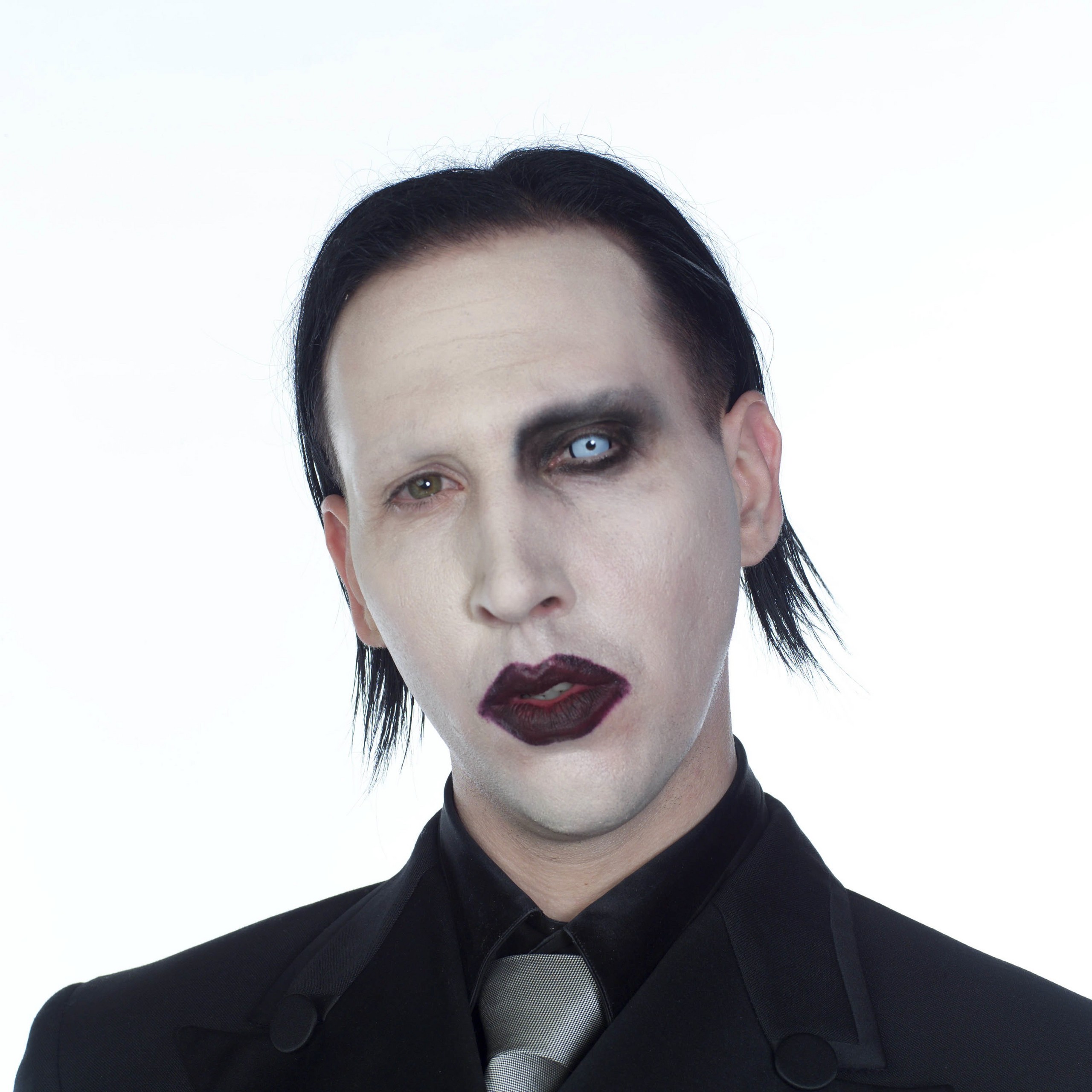
Marilyn Manson is an American musician, songwriter, visual artist, and actor best known for his provocative stage persona and significant influence on industrial metal and alternative rock during the 1990s and 2000s. Born Brian Hugh Warner, he adopted the stage name as a cultural critique of American celebrity, combining the names of Marilyn Monroe and Charles Manson to underscore the duality of the era’s fascination with fame and infamy.
The Origins and Early Development of the Persona
Brian Hugh Warner was born on January 5, 1969, in Canton, Ohio. Before entering the national spotlight, he worked as a music journalist in Florida, an experience he often credits with helping him understand the mechanics of fame and the construction of media narratives. By 1989, he formed the band Marilyn Manson & the Spooky Kids in Fort Lauderdale, which eventually shortened its name to simply Marilyn Manson.
The creation of the Marilyn Manson persona was a deliberate act of performance art. In the early 1990s, the industrial metal scene was dominated by figures like Trent Reznor of Nine Inch Nails, who later signed Manson to his label, Nothing Records. Manson’s aesthetic—characterized by heavy makeup, subversive religious imagery, and theatrical stage shows—was designed to be a mirror reflecting the anxieties of American society. By juxtaposing the archetypes of beauty and horror, he created a brand that was as much about visual critique as it was about auditory experience.
Musical Career and Artistic Evolution
Marilyn Manson’s discography spans several distinct eras, each marked by a shift in sound and visual presentation. His career is often categorized by the specific thematic focus of his albums:
- The Industrial Period (1994–1996): Starting with Portrait of an American Family and culminating in the breakthrough Antichrist Superstar, this period established his sound as a blend of heavy metal, industrial, and shock rock. The latter album is widely considered a concept piece that challenged established moral and religious structures.
- The Glam/Rock Period (1998–2000): Mechanical Animals marked a departure from industrial grit toward a more polished, glam-rock sound influenced by David Bowie. This era highlighted his versatility as a vocalist and songwriter, moving further into the mainstream consciousness.
- The Experimental Era (2001–2003): With Holy Wood (In the Shadow of the Valley of Death) and The Golden Age of Grotesque, Manson explored complex narratives regarding mass shootings, media obsession, and the political climate of the United States.
Beyond music, Manson is a painter, having exhibited his watercolor works in galleries across North America and Europe. His visual art often explores darker themes similar to his music, utilizing a style that he refers to as "surrealist" or "expressionist."
Key Albums and Cultural Impact
The following table outlines significant releases that defined his trajectory in the music industry.
| Album Title | Release Year | Primary Genre | Cultural Significance |
|---|---|---|---|
| Portrait of an American Family | 1994 | Industrial Metal | Established his initial brand and shock-rock aesthetic. |
| Antichrist Superstar | 1996 | Industrial Rock | Commercial breakthrough; sparked national moral debates. |
| Mechanical Animals | 1998 | Glam Rock | Diversification of sound and high chart performance. |
| Holy Wood | 2000 | Alternative Rock | Critical commentary on the Columbine era and media. |
| The Pale Emperor | 2015 | Blues Rock | A recognized artistic resurgence and critical success. |
Public Reception and Historical Controversy
Marilyn Manson’s career has been inextricably linked to controversy. During the late 1990s, he became a central figure in political and cultural discourse, particularly following the 1999 Columbine High School massacre. Despite early media reports attempting to link the perpetrators to his music, subsequent investigations confirmed that the shooters were not fans of the band.
Manson addressed these accusations in his 1999 Rolling Stone essay, "Columbine: Whose Fault Is It?", where he argued that the media’s focus on his persona served as a convenient scapegoat for deeper, systemic issues regarding gun culture and social alienation. This period solidified his status as a polarizing figure who both thrives on and suffers from the societal push-pull of fame.
Personal Life and Legal Developments
As of 2026, Marilyn Manson remains a significant, though increasingly private, public figure. His life has transitioned from the high-profile media presence of the 2000s to a focus on ongoing legal matters and artistic endeavors. In recent years, he has faced multiple civil lawsuits and allegations regarding interpersonal conduct.
These legal developments have fundamentally altered his professional landscape. Various accusations of abuse, which he has consistently and publicly denied, have led to shifts in his collaborative relationships with record labels and management firms. Because these matters involve ongoing or resolved civil litigation, they remain a defining element of his current public profile, separating his historical status as a pop-culture provocateur from his current status as a subject of legal and social scrutiny.
Understanding the Duality of the Persona
To understand "who" Marilyn Manson is, one must differentiate between Brian Warner the individual and "Marilyn Manson" the collaborative project. Throughout his career, the persona has acted as an umbrella for musicians, writers, and visual artists. It functions as a brand that encapsulates specific philosophical stances on censorship, the nature of evil, and the absurdity of fame.
Observers of his career often note that the effectiveness of the persona relies on the audience’s reaction. By presenting himself as the "God of Fuck"—a term he popularized in the 1990s—he invited the public to project their own fears and prejudices onto him. Consequently, understanding Manson is less about understanding a singular person and more about analyzing a multi-decade performance piece that critiques the environment in which it exists.
Frequently Asked Questions
Is Marilyn Manson a single person or a band? Marilyn Manson began as a band name (Marilyn Manson & the Spooky Kids) and eventually became the primary stage name for lead singer Brian Hugh Warner. While many musicians have contributed to the project over the years, the name is now synonymous with Warner’s solo creative identity.
Why is he considered a controversial figure? He is primarily controversial due to his deliberate use of transgressive imagery, criticism of organized religion, and public defiance of conservative social norms. In the late 1990s, he became a focal point for debates regarding the influence of music on youth violence.
What is the status of his music career in 2026? As of 2026, Manson continues to record and release music, though the scope of his public visibility and distribution has changed compared to his peak in the early 2000s. He primarily engages with his audience through digital platforms and occasional artistic projects.
How did the Columbine shooting affect his career? The 1999 shooting resulted in a massive public backlash against Manson, leading to the cancellation of tour dates and significant negative media coverage. While he was cleared of any direct connection to the event, the incident remained a permanent fixture in his public narrative and influenced his later songwriting.
Where does he get his visual style? His visual style is influenced by a combination of horror cinema, Gothic literature, David Bowie’s theatricality, and the industrial subculture. He has stated that his makeup and stage attire were intended to dehumanize himself as a means of emphasizing the "otherness" he felt while growing up.
Recommendations for Further Study
For those interested in a deeper analysis of the artist, research should focus on his autobiography, The Long Hard Road Out of Hell, which provides insight into his early life and the development of his worldview. Additionally, comparing his music videos from the late 1990s to his work in the mid-2010s reveals a clear evolution from shock-centric marketing to a more introspective, blues-influenced aesthetic. Engaging with these primary sources—the music, the paintings, and the writings—is the only way to move past the superficial media headlines and grasp the intent of the project.

Image Gallery
Select an image to open it in a new tab.


Celine Dubois
Contemporary Living and Global Arts Columnist
