Obtaining a car insurance quote in Maryland involves evaluating mandatory state-required minimums, assessing your personal risk profile, and comparing variable premium rates offered by licensed carriers. To secure an accurate quote, you must provide verified information regarding your vehicle, driving history, and coverage limits, as these factors directly dictate the cost and legal compliance of your policy in 2026.
The Landscape of Maryland Auto Insurance
Maryland operates as a "fault" insurance state, which means the driver responsible for an accident is legally and financially liable for the resulting damages. Because of this, the Maryland Insurance Administration (MIA) mandates specific minimum coverage levels for every vehicle registered in the state. Understanding how these requirements interact with your quote is the first step in the process.
When you request a quote, insurers use complex actuarial data to determine your "risk score." This score is a mathematical prediction of the likelihood that you will file a claim. In Maryland, insurers are legally permitted to use various factors—including your credit history, driving record, and zip code—to set these rates. Recognizing that a "quote" is merely an estimate and not a final binding contract is essential, as the premium can fluctuate once the insurance carrier performs a deeper verification of your records.
State-Mandated Minimum Requirements
Before you can evaluate the pricing of a quote, you must ensure the policy meets Maryland’s legal requirements. As of 2026, the Maryland Motor Vehicle Administration (MVA) requires all registered vehicles to carry at least the following liability coverage:
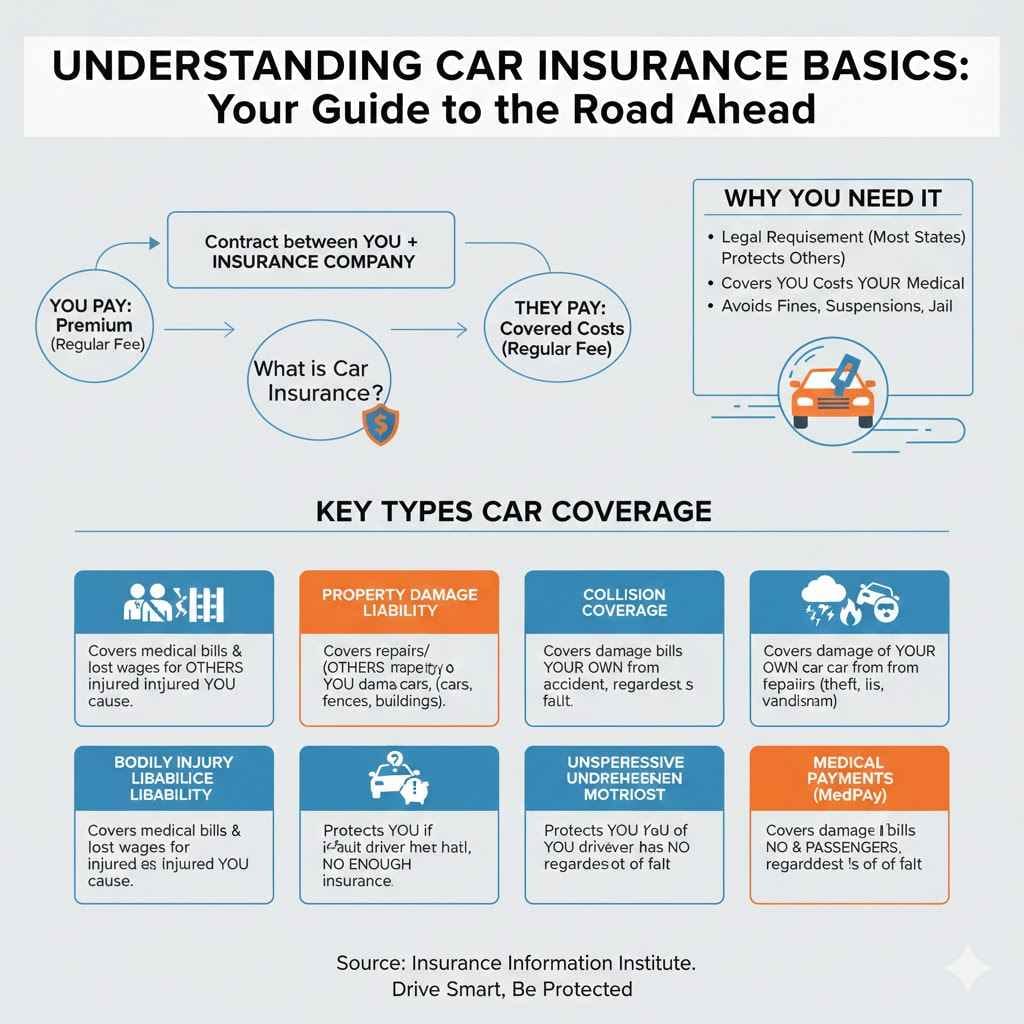
- Bodily Injury Liability: $30,000 per person and $60,000 per accident. This covers injuries caused to others if you are at fault.
- Property Damage Liability: $15,000 per accident. This covers damage to another person’s property, such as their vehicle or a fence.
- Uninsured Motorist Coverage: Must match the liability limits of your policy ($30,000/$60,000/$15,000). This protects you if you are hit by a driver who lacks insurance.
- Personal Injury Protection (PIP): A minimum of $2,500. This covers medical expenses for you and your passengers regardless of who caused the accident, unless you explicitly waive this coverage in writing.
Failing to meet these minimums is a violation of state law and can lead to the suspension of your vehicle registration and significant fines. When reviewing quotes, verify that the "base" policy presented to you includes these specific figures.
Factors Influencing Your Premium Rates
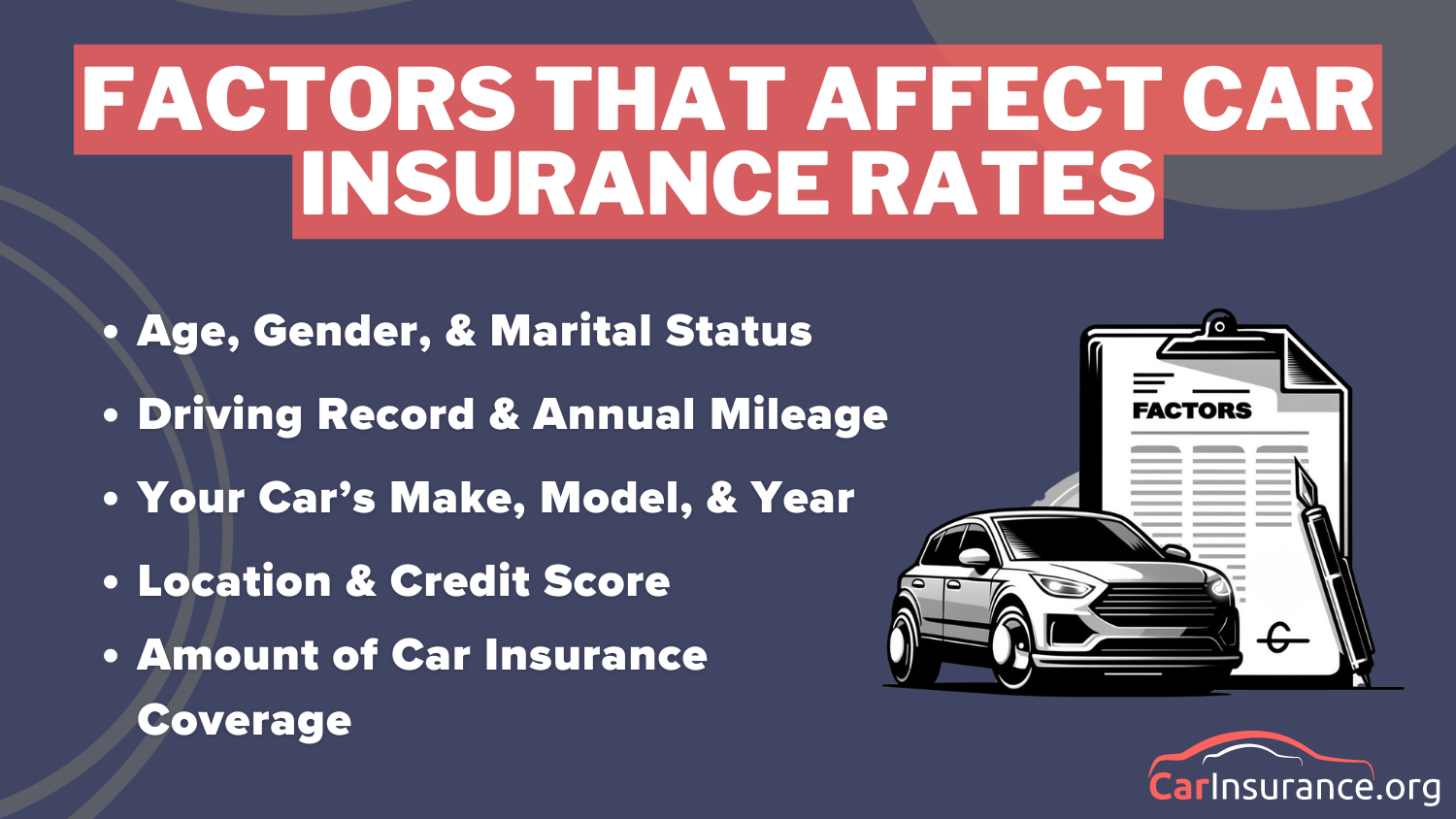
Insurers do not charge the same rate for everyone. Your quote is a reflection of your personal data profile. Understanding what influences these numbers can help you identify why one company might be significantly cheaper or more expensive than another.
1. Driving Record and Claims History
This is often the most significant driver of cost. If you have been involved in at-fault accidents or have received moving violations (such as speeding tickets or DUIs) within the last three to five years, your premium will be higher. Insurance companies pull reports from the Comprehensive Loss Underwriting Exchange (CLUE) and the MVA to verify this information.
2. Credit-Based Insurance Scores
Maryland law allows insurers to use credit information to price policies. A higher credit-based insurance score generally correlates with lower premiums. While this may seem disconnected from driving ability, statistics show a correlation between financial responsibility and insurance claim frequency.
3. Vehicle Characteristics
The make, model, year, and safety features of your vehicle affect your quote. A high-performance luxury car will naturally carry a higher premium than a standard sedan due to the higher cost of parts and labor for repairs. Additionally, safety ratings and the prevalence of that specific model in theft reports will influence the comprehensive and collision portions of your quote.
4. Geographic Location
Where you park your car matters. Drivers in high-density urban areas, such as Baltimore, often pay higher premiums than those in rural parts of Maryland. This is due to the higher statistical probability of accidents, vandalism, and vehicle theft in densely populated regions.
Comparing Quotes Effectively
To get a true picture of the market, you should gather at least three quotes from different providers. Relying on a single quote limits your ability to gauge value. When comparing, ensure you are looking at "apples-to-apples" coverage.
| Factor to Compare | Why It Matters |
|---|---|
| Liability Limits | Ensure all quotes use the same $30k/$60k/$15k or higher limits. |
| Deductibles | Higher deductibles lower premiums but increase out-of-pocket costs after a claim. |
| Coverage Scope | Check if quotes include Comprehensive and Collision, or just liability. |
| Discounts Applied | Verify if the quote includes "estimated" discounts for things like good driving or bundling. |
When reviewing a quote, pay close attention to the "estimated premium." Most digital quote tools provide a monthly or six-month total. Confirm whether that price includes any service fees or installment charges, as these can add up over the course of a year.
The Verification Process (Underwriting)
After you accept a quote and initiate the policy application, the company enters the underwriting phase. During this time, they verify the information you provided against official databases.
If the information you entered differs from what is in the public records—for example, if you forgot to disclose a speeding ticket from two years ago—the insurer will issue a "rate revision." This means your premium will increase from the initial quote. It is always in your best interest to be as accurate and honest as possible during the quoting phase to avoid surprises during the underwriting process.
Common Pitfalls to Avoid
- Under-insuring: While selecting the bare minimum satisfies the law, it may leave you financially exposed. If you have significant assets, $15,000 in property damage liability may not cover a major accident involving an expensive vehicle, leaving you personally liable for the difference.
- Ignoring Bundling: Many Maryland insurers offer significant discounts if you bundle your auto policy with home or renters insurance. Always ask if your quote reflects a multi-policy discount.
- Canceling Before Binding: Never cancel your existing insurance policy until you have received written confirmation that your new policy is bound and active. Operating a vehicle without insurance for even one day can result in penalties from the MVA.
- Misrepresenting Usage: If you tell an insurer you drive 5,000 miles per year for leisure but actually commute 20,000 miles, you may be denied coverage or face policy cancellation if you are involved in an accident.
Frequently Asked Questions
Does Maryland require insurance for all vehicles? Yes, if your vehicle is registered in Maryland, it must be insured by a company licensed to do business in the state. Even if you do not drive the vehicle, you must maintain insurance until you surrender your license plates to the MVA.
Can I get a quote without a social security number? Most large insurance carriers require a social security number to pull credit and claims history. However, some smaller or specialized insurers may offer quotes based on manual underwriting. You may need to speak with an independent insurance agent to find a carrier that can accommodate your specific documentation situation.
How often should I review my insurance quotes? It is recommended to review your insurance situation every 12 months or whenever you experience a major life event, such as moving to a new address, changing your commute, or adding a new driver to your policy. Prices change, and your risk profile evolves over time.
Are electric vehicle premiums different in Maryland? Often, yes. Electric vehicles (EVs) have different repair costs and maintenance profiles compared to internal combustion engine vehicles. Some insurers offer specific discounts for EVs, while others may charge more due to the complexity of the batteries and electronics. Always specify your vehicle type accurately when requesting a quote.
What is the "Maryland Automobile Insurance Fund" (MAIF)? MAIF, now known as the Maryland Auto Insurance, is a state-created insurer intended for drivers who are unable to obtain coverage in the private market. If you have been turned down by standard insurance carriers due to a poor driving record, you should contact Maryland Auto Insurance as a high-risk provider of last resort.
Next Steps for Maryland Drivers
If you are currently looking to secure a new policy or renew an existing one, your first step is to gather your current declaration page (if applicable), your driver’s license, and your vehicle identification number (VIN). Use a reliable price comparison tool or contact a licensed independent insurance agent in your area. Request quotes with identical coverage limits so you can accurately compare the true cost of protection. Remember that the cheapest quote is not always the best; consider the financial stability of the insurer and their reputation for customer service during the claims process.

Image Gallery
Select an image to open it in a new tab.


Mateo Castillo
Decentralized Finance and E-Payments Strategist
