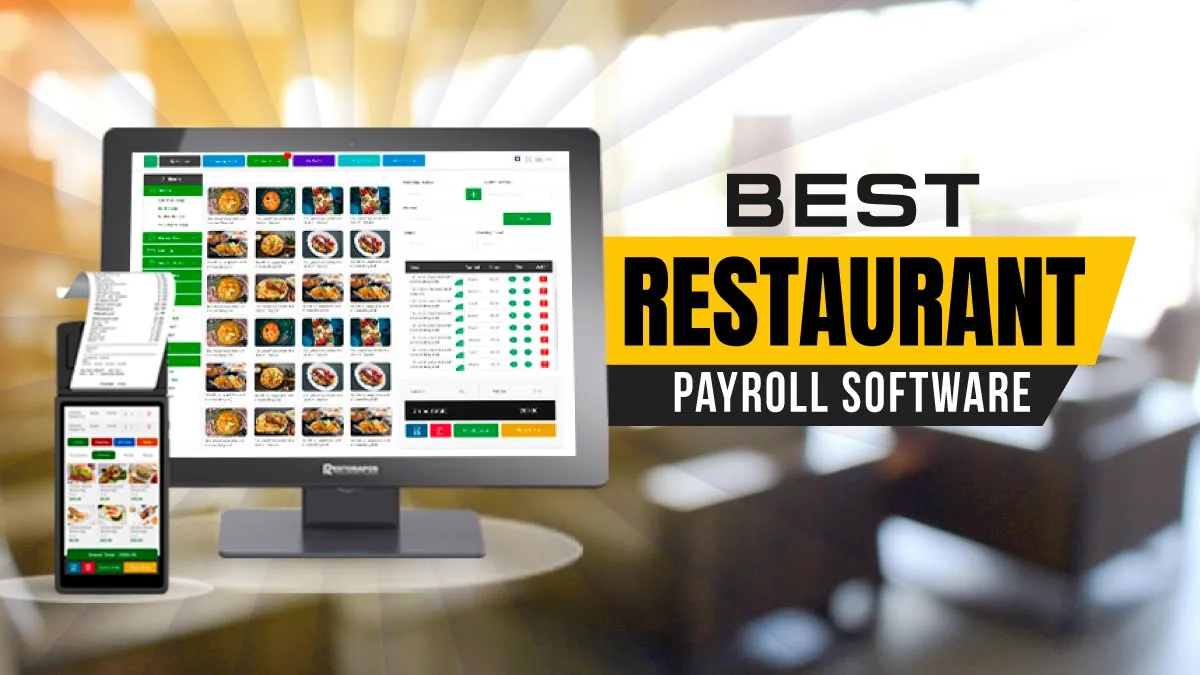
Managing payroll for restaurants requires balancing complex tax laws, fluctuating tipped wages, overtime calculations, and high staff turnover while maintaining compliance with federal, state, and local labor standards.
Operating a restaurant successfully demands meticulous attention to financial details, and among all operational expenses, labor is consistently one of the largest variables. Unlike traditional retail or office environments, restaurant payroll is uniquely complicated by a matrix of shifting variables: tipped minimum wages, the tip credit, tip pooling and sharing arrangements, overtime calculations involving blended rates or dual jobs, and frequent staff turnover. Restaurant owners and managers cannot simply rely on generic payroll software designed for standard 9-to-5 desk jobs. Doing so invites compliance failures, costly government audits, disgruntled staff members, and severe financial penalties.
Mastering restaurant payroll requires a firm grasp of legal compliance, a clear understanding of compensation structures, and the implementation of specialized technology capable of handling the fast-paced, shift-based nature of the food service industry. This guide explores the foundational requirements, operational workflows, common pitfalls, and technological solutions necessary to run an accurate and compliant restaurant payroll system.
The Unique Complexity of Restaurant Compensation
Restaurant payroll is inherently different from payroll in other industries because employees rarely earn a flat hourly rate or a predictable salary. Instead, compensation structures are multi-layered, combining direct employer wages with tips, commissions on catering or private events, service charges, and overtime premiums.
The bedrock of restaurant wage regulation in the United States is the Fair Labor Standards Act (FLSA), overseen by the U.S. Department of Labor (DOL). However, state labor laws often impose stricter requirements, higher minimum wages, and unique rules regarding how tips are handled. Navigating these overlapping jurisdictions is the primary challenge for restaurant bookkeepers and human resources personnel.
Understanding the Tip Credit and Tipped Minimum Wage
Under the FLSA, employers are permitted to pay a direct cash wage of $2.13 per hour to tipped employees, provided that the employee earns enough in tips to make up the difference between the direct wage and the federal minimum wage of $7.25 per hour. This difference is known as the tip credit.
If an employee’s direct cash wage plus tips does not equal at least the minimum wage during any given workweek, the employer must pay the difference, known as a tip shortfall or make-up pay. Calculating this requires tracking tips on a week-by-week basis rather than averaging them out across multiple pay periods. Furthermore, numerous states have eliminated the tip credit entirely, requiring employers to pay the full state minimum wage (which can exceed $15 or $16 per hour in jurisdictions like California, Washington, and New York) before tips.
Tip Pooling, Tip Sharing, and FICA Tip Credits
Many restaurants utilize tip pools or tip-sharing arrangements to distribute earnings more equitably among front-of-house staff (servers, runners, bussers) and, depending on recent legal and regulatory updates, back-of-house staff (kitchen crew, dishwashers) under specific conditions.
- House Rules: Tip pools must be structured fairly and cannot include management, supervisors, or business owners.
- FLSA Rule Changes: Under current regulations, back-of-house employees can participate in tip pools only if the employer pays all participating employees a direct cash wage equal to or exceeding the full minimum wage without taking a tip credit.
- FICA Tip Credit: Employers can claim a business tax credit for the employer portion of Social Security and Medicare taxes paid on employee tip income that exceeds the minimum wage baseline established by historical tax codes.
Essential Components of Restaurant Payroll Compliance
Compliance is the single most critical factor in restaurant payroll management. Errors in this area can trigger audits by the Internal Revenue Service (IRS) and the Department of Labor, leading to back-pay assessments, liquidated damages, and severe civil money penalties.
Overtime Calculations for Dual-Job and Tipped Employees
Calculating overtime in a restaurant is notoriously difficult. If a staff member works in two distinct roles within the same restaurant at different pay rates (for example, working as a server for $5.00/hour plus tips and as a prep cook for $18.00/hour), the employer must use a weighted average overtime rate (often called the regular rate) for that workweek. Overtime must be paid at one-and-one-half times this weighted average rate for all hours worked beyond 40 in a single workweek, rather than simply multiplying one of the base rates by 1.5.
Accurate Time Tracking and Recordkeeping
Accurate attendance and time tracking protect both the business and the worker. Restaurants must maintain precise records of:
- Total hours worked each workday and workweek.
- Exact clock-in and clock-out times, including meal and rest breaks where mandated by state law.
- Declared cash tips and reported credit card tips.
- All additions to and deductions from wages (such as uniform fees, cash drawer shortages, or meal deductions).
Under federal law, employers are required to retain payroll records for at least three years, and records relied upon to compute wages (such as time cards and piece-rate records) for at least two years.
Service Charges Versus Tips
A common point of confusion during payroll processing is the distinction between tips and service charges.
- Tips: Voluntary amounts left by a customer for an employee are considered property of the employee.
- Service Charges: Mandatory fees automatically added to large parties, banquets, or delivery orders are treated as business income or contractual distribution, rather than tips. If a restaurant distributes a service charge to staff, it must be treated as regular wages (subject to standard payroll tax withholding) rather than tip income, which impacts overtime calculations and tax reporting.

Choosing the Right Restaurant Payroll Software
Handling restaurant payroll manually using spreadsheets or utilizing generic small-business payroll providers that lack industry-specific features is a recipe for administrative gridlock and costly errors. Modern restaurant payroll solutions integrate directly with Point of Sale (POS) systems, time-and-attendance trackers, and scheduling software.
When evaluating restaurant payroll technology, operators should look for specific capabilities designed to handle food service workflows:
| Feature | Why It Matters for Restaurants |
|---|---|
| POS Integration | Automatically imports tip data, shift sales, and hours worked directly from systems like Toast, Square, or Aloha, reducing manual data entry errors. |
| Tip Management & Compliance | Automatically tracks credit card tips, calculates tip credits, manages tip pools, and ensures minimum wage make-up pay is automatically applied. |
| Multi-Rate Overtime Engine | Seamlessly computes blended or weighted overtime rates for employees who work multiple positions at varying pay rates. |
| Self-Service Mobile Apps | Allows staff to view pay stubs, check schedules, swap shifts, and track tips on their smartphones, improving staff engagement and reducing administrative requests. |
| Tax Filing & Garnishment Services | Handles federal, state, and local tax deposits automatically while managing child support or creditor garnishments without manual intervention. |
Step-by-Step Restaurant Payroll Workflow
Establishing a repeatable, reliable payroll processing cycle minimizes administrative stress and ensures that employees are paid accurately and on time, every time.
Step 1: Establish the Pay Period and Workweek Definition
Define a fixed, recurring seven-day workweek for overtime calculation purposes. Changing the workweek retroactively to manipulate overtime costs is illegal. Decide whether you will run a weekly, bi-weekly, or semi-monthly payroll. Weekly and bi-weekly payrolls are generally preferred by restaurant workers due to the high-turnover nature of the industry and reliance on immediate cash flow.
Step 2: Collect and Verify Time and Tip Data
At the close of the pay period, pull timecard data from your electronic scheduling and time-tracking system. Ensure that managers have approved all overtime hours, missed-punch corrections, and PTO requests. Reconcile credit card tip totals against POS settlement reports and ensure employees have submitted accurate records of cash tips received.
Step 3: Run Gross Pay and Tax Calculations
Input or sync the verified hours into your payroll software. The system will calculate gross pay based on base wages, tips, and overtime premiums. Verify that any applicable tip credits have been correctly applied and that no employee's cash wages plus tips fell below the applicable minimum wage threshold. Calculate employee-side tax withholdings (Federal Income Tax, Social Security, Medicare, and state/local taxes).
Step 4: Process Employer Liabilities and Deductions
Calculate employer-side payroll taxes, including the employer matching share of FICA (7.65%), Federal Unemployment Tax (FUTA), and State Unemployment Tax (SUTA). Account for any authorized payroll deductions, such as uniform purchases, meal deductions, or wage garnishments, ensuring these deductions do not drop the employee's net wage below statutory minimums.
Step 5: Distribute Pay and File Reports
Disburse wages via direct deposit or pay cards (or physical checks where permitted). Ensure pay stubs clearly itemize gross wages, hourly rates, regular hours, overtime hours, tips, and all deductions. Submit required tax deposits to the IRS and state agencies according to your assigned deposit schedule (semi-weekly or monthly), and file quarterly Form 941 reports.
Common Restaurant Payroll Mistakes to Avoid
Even experienced restaurateurs occasionally stumble when navigating complex labor regulations. Being aware of frequent compliance traps can prevent expensive penalties.
- Failing to Pay Minimum Wage Make-Up Pay: Assuming that high tips on Saturday night offset a slow Tuesday shift across the entire workweek without verifying that every individual shift or workweek meets the minimum wage threshold.
- Miscalculating Overtime on Tipped Wages: Calculating overtime based solely on the reduced direct cash wage ($2.13/hour) rather than the full regular rate (which includes the tip credit value or the weighted average rate).
- Improper Tip Pool Inclusion: Allowing back-of-house staff to participate in tip pools when the restaurant takes a tip credit, or allowing shift supervisors who have supervisory hiring/firing authority to take a cut of the tip pool.
- Ignoring Local Ordinances: Relying solely on federal or state minimum wage laws while ignoring municipal or city-specific minimum wage and paid sick leave ordinances.
- Cash Tip Underreporting: Neglecting to enforce strict cash tip reporting protocols. Unreported cash tips expose the business to severe IRS audits and penalties for unpaid employer FICA taxes.
Frequently Asked Questions
Can restaurant owners or managers keep a portion of employee tips?
No. Under the Fair Labor Standards Act, employers, managers, and supervisors are strictly prohibited from keeping any portion of employee tips for any purpose, including paying credit card processing fees on tips (in most jurisdictions) or boosting business operating revenue. A manager is defined as someone whose primary duty is management, who regularly directs the work of two or more employees, and who possesses the authority to hire or fire.
How do credit card processing fees affect employee tips?
When a customer leaves a tip on a credit card, the restaurant incurs processing fees on that transaction amount. In many states, federal law allows employers to deduct the actual, proportional credit card processing fee from the employee’s tip payout (for example, deducting 2% of a $10 credit card tip to cover a 2% merchant fee). However, several states (such as California) prohibit employers from deducting any portion of credit card processing fees from employee tips.
What is the FICA Tip Credit and how does a restaurant claim it?
The FICA Tip Credit allows food and beverage establishments to claim a business tax credit equal to the employer’s share of Social Security and Medicare taxes (7.65%) paid on tip income reported by employees, specifically the portion of tips that exceeds the federal minimum wage of $7.25 per hour. Restaurants claim this credit annually when filing federal income tax returns using IRS Form 8846.
How should unpaid meal breaks be handled in restaurant payroll?
Meal break regulations vary significantly by state. Under federal law, short rest breaks (lasting 5 to 20 minutes) must be paid as working time. Bona fide meal breaks (usually lasting 30 minutes or more) during which the employee is completely relieved of all duties do not need to be paid. However, if an employee is required to remain at their station, answer calls, or monitor the dining room during a meal break, that time must be fully compensated as hours worked.
What records must a restaurant keep for tipped employees?
Restaurants must maintain detailed records of each employee's weekly or monthly direct wages paid, tips reported by the employee to the employer, credit card tips collected and disbursed, hours worked in tipped versus non-tipped roles, and documentation supporting any tip pool distributions. These records must be maintained for a minimum of three years for inspection by the Department of Labor.
Next Actions for Restaurant Operators
To secure your restaurant's financial health and maintain absolute compliance, audit your current payroll practices immediately. Review your POS integration, verify that your time-tracking system accurately separates job codes for dual-role employees, and confirm that your tip pooling arrangements comply with current federal and state standards. If your current payroll provider cannot seamlessly handle restaurant-specific tax credits, blended overtime rates, and complex tip structures, transition to a specialized restaurant payroll platform to protect your business from costly compliance risks.
Image Gallery
Select an image to open it in a new tab.
Ingrid Bjornson
Global Cyber Policy and Regulation Analyst
