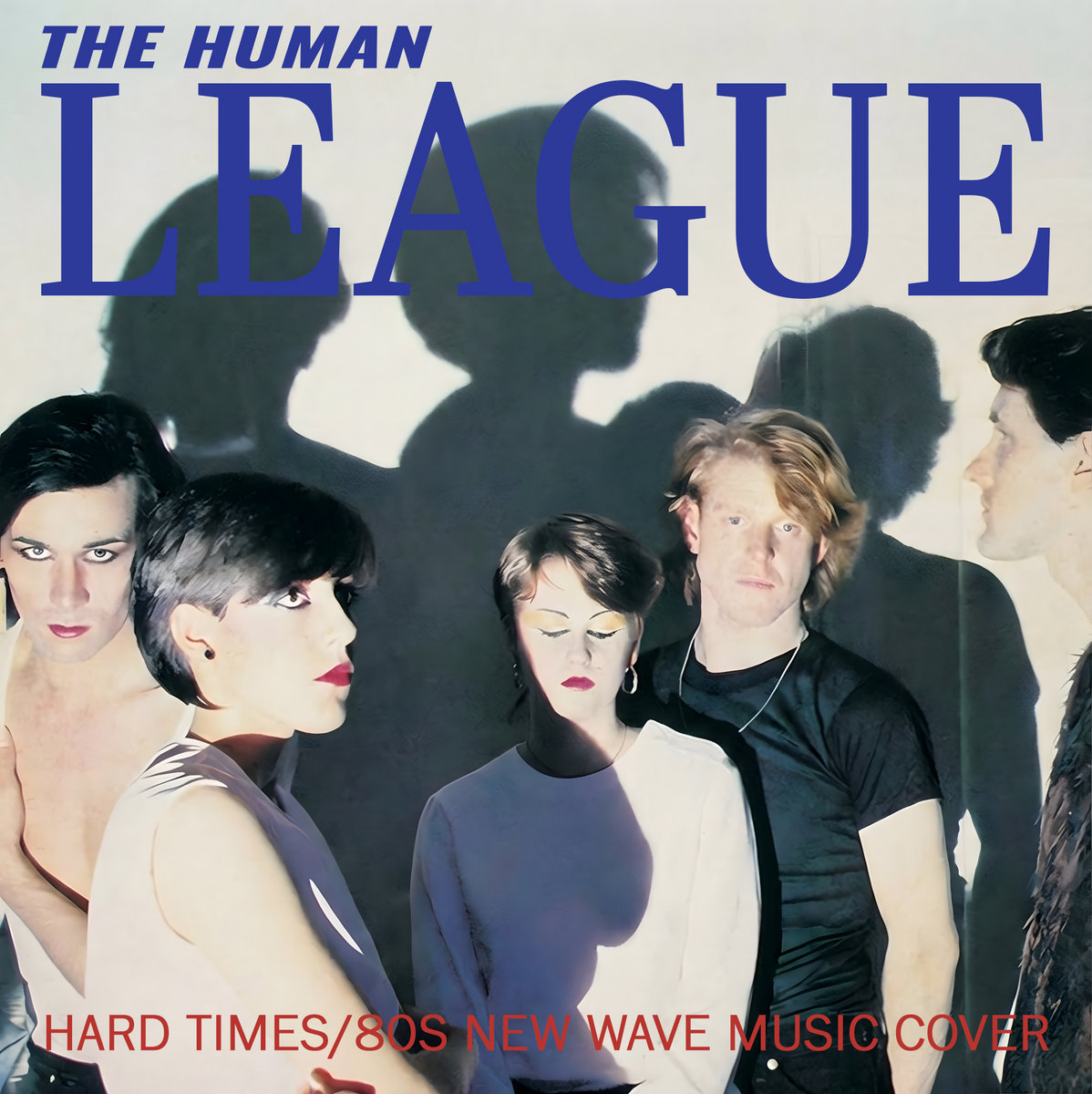
New wave music officially started between 1976 and 1977 as a melodic, artsy offshoot of the punk rock movement. While it shared punk's high energy and DIY spirit, it moved away from raw aggression toward pop structures, sophisticated lyrics, and the innovative use of synthesizers and electronic textures.
The Semantic Origins: From Cinema to the Airwaves
To understand when new wave music started, one must distinguish between the sound and the name. The term "new wave" was not originally created for music; it was a direct lift from the French "Nouvelle Vague" cinema movement of the 1950s and 60s. In a musical context, the term began appearing in the mid-1970s in British music journals like NME and Melody Maker to describe the emerging, unclassifiable bands that were playing alongside punk acts but didn’t quite fit the "three-chord riot" mold.
However, the most pivotal moment for the term occurred in 1977. Seymour Stein, the visionary head of Sire Records, launched a "New Wave" marketing campaign to make his roster of bands—which included the Talking Heads and the Ramones—more palatable to American radio programmers. At the time, the word "punk" was associated with violence and social decay. Stein realized that to get airplay, he needed a label that suggested freshness and sophistication rather than chaos. By late 1977, "new wave" became the industry-standard term for the broader movement of post-hippy, anti-progressive rock music.
1976–1977: The Formative Years at CBGB
While the marketing term gained steam in 1977, the music itself was being forged in 1976. The epicenter of this evolution was the New York City club CBGB. While often called the "birthplace of punk," CBGB hosted a variety of acts that were far more experimental than the "punk" label suggested.
Bands like Television and Talking Heads were instrumental in the transition. Television’s 1977 debut album, Marquee Moon, featured intricate, clean guitar interplay that was lightyears away from the distorted sludge of traditional punk. Simultaneously, the Talking Heads were blending art-school sensibilities with jittery, rhythmic pop. Their debut, Talking Heads: 77, released in September 1977, is often cited by historians as one of the first "true" new wave albums because it prioritized intellectualism and quirky composition over raw angst.
Across the Atlantic, the UK scene was experiencing a parallel shift. While the Sex Pistols dominated headlines, artists like Elvis Costello and Ian Dury were creating music that used the energy of punk but relied on 1960s pop hooks and lyrical wordplay. Costello’s My Aim Is True (1977) bridged the gap between the pub rock of the early 70s and the jagged edge of the new wave.
The Sonic Evolution: Defining the Early Sound
By 1978, the sound of new wave had distinct characteristics that separated it from the punk rock that birthed it. If punk was a blunt instrument, new wave was a scalpel. Musicians began to emphasize clarity in their recordings, moving away from the wall of sound toward a more "stripped-back" but highly produced aesthetic.
Key Musical Characteristics of the Era:
- Jangle and Clean Guitars: Unlike the heavy distortion of the Stooges or the Sex Pistols, new wave bands like The Cars and The B-52s used cleaner, brighter guitar tones influenced by 1960s surf rock and Merseybeat.
- The Rise of the Synthesizer: While early new wave was guitar-heavy, the introduction of affordable synthesizers like the Minimoog and later the Roland series allowed bands to experiment with electronic textures.
- Quirky Vocals: New wave singers often employed "nervous" or idiosyncratic vocal styles. Think of David Byrne’s anxious delivery or Fred Schneider’s "sprechegesang" (spoken-singing).
- Fashion and Visual Identity: The movement was inseparable from its look. Skinny ties, neon colors, geometric patterns, and asymmetrical haircuts became as much a part of the genre as the music itself.
1978: The Year the World Noticed
If 1977 was the year of the "start," 1978 was the year of the "explosion." This was the year that new wave proved it could be a massive commercial force. The Cars released their self-titled debut in June 1978, which became a blueprint for the genre by blending heavy rock guitars with polished synthesizer hooks. Tracks like "Just What I Needed" were ubiquitous on FM radio, proving that new wave wasn't just for underground clubs in Manhattan.
In the UK, The Police released Outlandos d'Amour in late 1978, merging reggae rhythms with new wave's pop sensibilities. This cross-pollination of genres became a hallmark of the era. New wave wasn't a monolith; it was a "big tent" that invited ska, disco, and art-rock influences to coexist.
Essential Early New Wave Albums (1977–1979)
The following table highlights the foundational albums that defined the start and initial rise of the genre:
| Artist | Album Title | Release Year | Significance |
|---|---|---|---|
| Television | Marquee Moon | 1977 | Introduced technical precision and "clean" art-rock to the scene. |
| Talking Heads | Talking Heads: 77 | 1977 | Established the "nervous," intellectual persona of American new wave. |
| Elvis Costello | My Aim Is True | 1977 | Merged the "angry young man" energy with classic pop songwriting. |
| The Cars | The Cars | 1978 | Perfected the radio-friendly "synth-meets-guitar" formula. |
| Blondie | Parallel Lines | 1978 | Brought new wave into the mainstream via disco and power-pop crossover. |
| Devo | Q: Are We Not Men? A: We Are Devo! | 1978 | Pioneered the use of electronic sounds and deconstructive "anti-rock" concepts. |
| The B-52's | The B-52's | 1979 | Combined 1950s kitsch with danceable, thrift-shop aesthetics. |
| Gary Numan | The Pleasure Principle | 1979 | Shifted the genre toward the synth-pop dominance of the early 1980s. |
New Wave vs. Post-Punk: A Critical Distinction
As the genre grew in the late 1970s, a split occurred between "new wave" and "post-punk." While the terms are sometimes used interchangeably, they represent different trajectories of the same movement.
New Wave was generally more color-saturated, pop-oriented, and commercially ambitious. It looked toward the future with a sense of irony and fun. Bands like Blondie and The Go-Go's epitomized this approach, focusing on hooks and danceability.
Post-Punk, on the other hand, was darker, more introspective, and experimental. Bands like Joy Division, The Cure, and Siouxsie and the Banshees explored moody soundscapes and existential themes. While both started at the same time and in the same clubs, new wave was the side of the coin that sought to embrace the "pop" in popular music, whereas post-punk sought to dismantle it.
The Technological Shift: The Arrival of the Synth-Pop Era
While the 1976–1978 period was defined by a mix of guitars and keyboards, the turn of the decade saw technology take the driver's seat. The "start" of new wave is often conflated with the "Second British Invasion," but the latter was actually a second phase of the genre.
By 1979 and 1980, artists like Gary Numan and The Human League began to phase out guitars entirely in favor of synthesizers. Gary Numan’s "Cars" (1979) was a watershed moment, hitting #1 in the UK and Top 10 in the US. This signaled that the guitar-driven new wave of the late 70s was evolving into the "synth-pop" that would dominate the early MTV era. However, the roots of this transition remain firmly planted in the 1977 art-rock experiments of bands like Devo and Ultravox.
Geographic Hubs of Innovation
New wave didn't just start in New York and London. Several other regions contributed significantly to the genre's early development:
- Akron, Ohio: Home to Devo and The Waitresses, this industrial city produced a mechanical, "de-evolved" sound that perfectly matched the robotic aesthetic of the new wave.
- Athens, Georgia: The birthplace of The B-52’s and later R.E.M., this scene focused on a "party-rock" version of new wave that drew from 1960s garage rock and beach music.
- Los Angeles: The L.A. scene, featuring The Knack and The Motels, leaned heavily into "Power Pop"—a subgenre of new wave that emphasized Beatles-esque melodies and high-energy production.
Why Did New Wave Start? The Cultural Context
The emergence of new wave wasn't an accident; it was a reaction to the musical landscape of the mid-1970s. By 1975, rock music had become dominated by "Corporate Rock" and "Progressive Rock" (Prog-Rock). Albums were becoming overly long, self-indulgent, and disconnected from the youth experience.
New wave started because there was a vacuum for music that was short, sharp, and relevant. Unlike the hippies of the 1960s, new wave artists weren't interested in "returning to nature." They embraced the plastic, the synthetic, and the urban. They were the first generation of musicians who had grown up entirely with television as a primary influence, which explains the genre's heavy emphasis on visual presentation and "the image."
FAQs About the Start of New Wave
Was the Ramones' music considered new wave?
In 1977, yes. At the time, "new wave" was an umbrella term that included the Ramones. However, as the genre evolved to mean "synth-heavy and polished," the Ramones were retroactively classified purely as punk rock. Their 1976 debut is a foundational text for both genres.
What was the first new wave song to hit #1?
In the United States, Blondie’s "Heart of Glass" reached #1 on the Billboard Hot 100 in April 1979. This was a significant moment because it proved that the "new wave" sound could successfully integrate with disco to achieve massive mainstream success.
Did MTV start new wave?
No, new wave started several years before MTV launched in 1981. However, MTV is responsible for the "second wave" of the genre. Because new wave bands already had a strong visual aesthetic and were making music videos for European markets, they were the only artists ready for airplay when MTV began, leading to the "Second British Invasion."
Is new wave the same as synth-pop?
Synth-pop is a subgenre of new wave. While new wave started with a mix of guitars and keyboards (1976–1978), synth-pop emerged slightly later (1979–1981) as a more electronic-focused version of that same aesthetic.
Who is the "father" of new wave?
While there is no single creator, David Bowie (specifically his Berlin Trilogy) and Brian Eno are often cited as the primary influences. Their work in the mid-70s with synthesizers and unconventional song structures provided the blueprint that bands like Talking Heads and Devo would later follow.
Practical Recommendation: Exploring the Roots
To truly understand when new wave music started, you should listen to the "Class of '77" in chronological order. Start with Television’s Marquee Moon to hear the technical departure from punk, then move to Talking Heads' 77 to understand the intellectual shift, and finally listen to The Cars' 1978 debut to hear how the genre was polished for the masses. This three-album journey provides the clearest picture of how a subcultural experiment became a global phenomenon.
Image Gallery
Select an image to open it in a new tab.
Declan O'Connor
Higher Education and Campus Culture Reporter
