How Long Elizabeth II Was Queen: A Definitive Record of the Platinum Reign
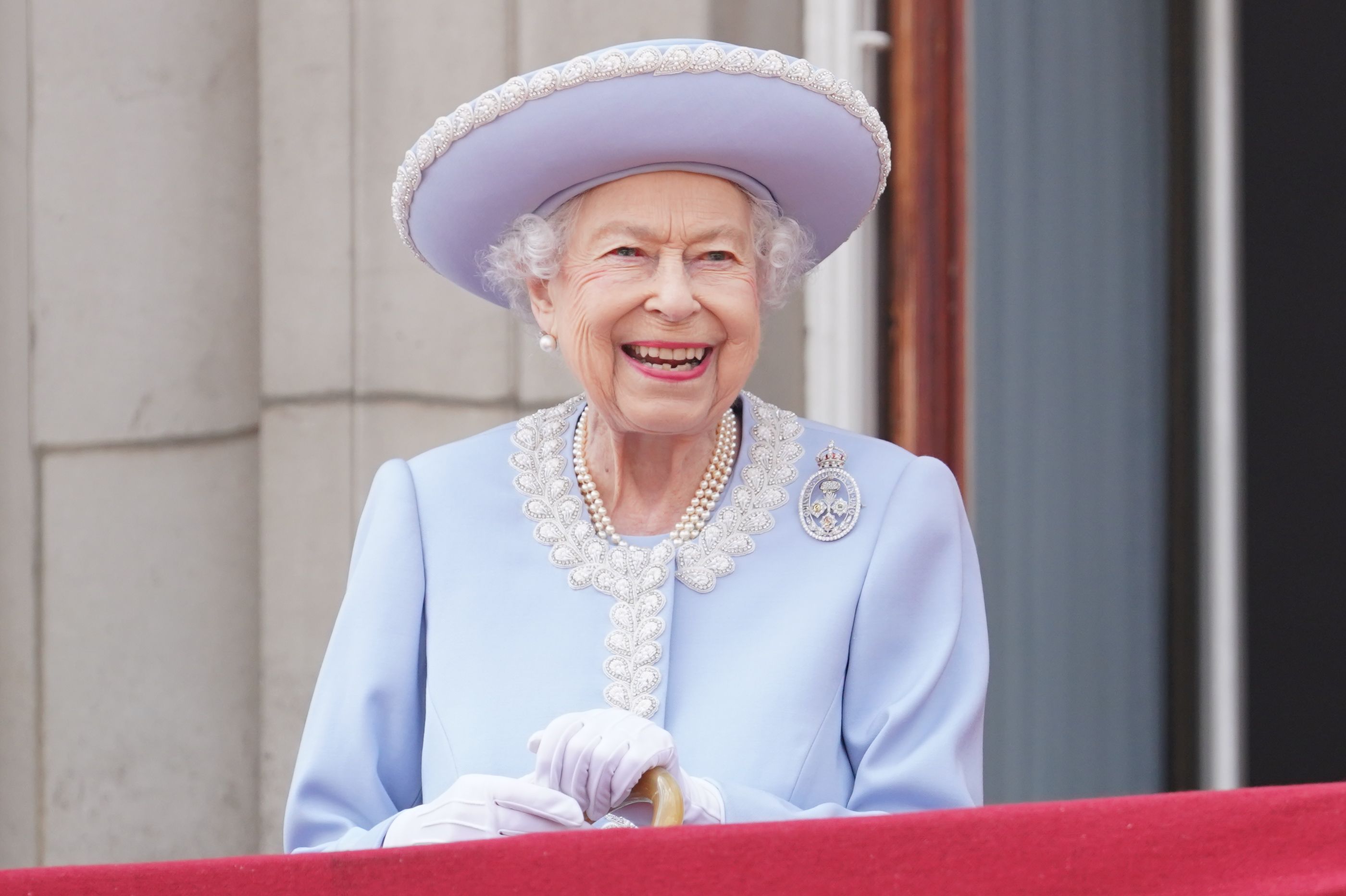
Queen Elizabeth II reigned for a total of 70 years and 214 days. Her tenure began on February 6, 1952, following the death of her father, King George VI, and concluded with her passing on September 8, 2022. This historic duration makes her the longest-reigning monarch in British history.
The Exact Duration of the Elizabethan Era
To understand the sheer scale of Elizabeth II’s time on the throne, one must look beyond the simple count of years. Her reign spanned exactly 25,782 days. During this period, she provided a sense of continuity for the United Kingdom and the Commonwealth through decades of radical social, technological, and political change.
The reign officially began the moment King George VI passed away at Sandringham House. Because the monarchy follows the principle of le mort saisit le vif (the dead seizes the living), there is no interval between the death of a monarch and the accession of their successor. Thus, even though her formal coronation did not take place until 1953, she was legally and constitutionally the Queen from the early hours of February 6, 1952.
Her reign concluded in the afternoon of September 8, 2022, at Balmoral Castle in Scotland. At the time of her death, she was 96 years old. As we look back from the vantage point of 2026, her 70-year tenure remains the benchmark for modern constitutional monarchy, characterized by a steadfast commitment to duty that remained unchanged from her 21st birthday broadcast to her final days of service.
Accession: The Transition of 1952
The start of Elizabeth II's reign was unique in its setting. Unlike many of her predecessors who were in London or at royal estates when they ascended, the then-Princess Elizabeth was in Kenya, representing her father on a Commonwealth tour. She was staying at the Treetops Hotel when the King passed away in his sleep.
The news reached her husband, Prince Philip, who then broke the news to her. This moment marked a significant shift in British history; she was the first British monarch in over 200 years to be abroad at the moment of accession. The technical requirements of her accession were handled swiftly by the Accession Council, which met at St. James's Palace to proclaim her Queen.
The delay between her accession in February 1952 and her coronation in June 1953 was not a legal necessity but a matter of tradition and practical planning. A period of mourning for the late King was required, and the logistical challenge of organizing a coronation—the first to be fully televised—required over a year of preparation.

Comparing the Great Reigns: A Historical Perspective
Queen Elizabeth II holds the record for the longest reign of any British monarch, surpassing her great-great-grandmother, Queen Victoria, in 2015. However, in the broader context of world history, she holds the second-longest verified reign of any sovereign of a dynamic state.
The only monarch with a longer verified reign is Louis XIV of France, who reigned for 72 years and 110 days (1643–1715). It is important to note, however, that Louis XIV ascended the throne at the age of four, meaning much of his early reign was managed by a regency. In contrast, Elizabeth II was 25 at the time of her accession and served as an active constitutional monarch for the entirety of her 70 years.
Comparison of Longest-Reigning British Monarchs
| Monarch | Length of Reign | Dates |
|---|---|---|
| Elizabeth II | 70 years, 214 days | 1952–2022 |
| Victoria | 63 years, 216 days | 1837–1901 |
| George III | 59 years, 96 days | 1760–1820 |
| James VI (Scotland) | 57 years, 246 days | 1567–1625 |
| Henry III | 56 years, 20 days | 1216–1272 |
| Edward III | 50 years, 147 days | 1327–1377 |
The Milestone Jubilees
The longevity of Elizabeth II's reign was marked by several high-profile celebrations known as Jubilees. These events served not only as celebrations of her time on the throne but also as national barometers for the changing face of Britain.
The Silver Jubilee (1977)
Marking 25 years on the throne, the Silver Jubilee occurred during a period of economic difficulty in the UK. Despite the challenges, the event saw a massive outpouring of public support, characterized by thousands of street parties. It reaffirmed the Queen's popularity during a decade of industrial unrest.
The Golden Jubilee (2002)
The 50th anniversary came shortly after the deaths of the Queen Mother and Princess Margaret. Many pundits questioned whether the monarchy was still relevant in the 21st century. The Golden Jubilee disproved these doubts, with over a million people gathering in London for the "Party at the Palace."
The Diamond Jubilee (2012)
The 60th anniversary coincided with the London Olympics. The Thames Diamond Jubilee Pageant, featuring a flotilla of over 1,000 boats, was one of the largest public events in British history. This milestone placed her in the elite company of Queen Victoria, the only other British monarch to reach a Diamond Jubilee.
The Platinum Jubilee (2022)
The 70th anniversary was a historic "first" for the British monarchy. The Platinum Jubilee was celebrated just months before the Queen's death. It served as a final, global tribute to her record-breaking service, marked by the lighting of beacons across the Commonwealth and the "Platinum Party at the Palace."
The Evolution of the Monarchy Under Elizabeth II
When Elizabeth II became Queen in 1952, Britain was still recovering from the effects of World War II, and the British Empire was a significant global entity. By the time her reign ended in 2022, the Empire had transitioned into the Commonwealth of Nations, a voluntary association of 56 independent countries.
The Queen played a pivotal role in this transition. She was the Head of the Commonwealth, a title that is not hereditary but was granted to her successor, King Charles III, by the leaders of the Commonwealth nations. Her ability to remain a neutral, unifying figure while the world around her underwent decolonization is often cited by historians as one of her greatest achievements.
Domestically, her reign saw the monarchy modernize its relationship with the public. In 1969, the documentary Royal Family gave the public its first glimpse into the private lives of the Windsors. Later, the Queen embraced digital platforms, sending her first email in 1976 and her first tweet in 2014. Her reign was a masterclass in "the art of the possible," balancing ancient tradition with the requirements of a modern media age.
The Role of the Prime Ministers
A key metric of the Queen's longevity was the number of Prime Ministers who served during her reign. She worked with 15 different UK Prime Ministers, starting with Winston Churchill and ending with Liz Truss.
The relationship between the Monarch and the Prime Minister is a cornerstone of the British constitution. Every week, the Queen held a private audience with her Prime Minister. While she remained "above politics," these meetings allowed her to exercise her three constitutional rights, as defined by Walter Bagehot: the right to be consulted, the right to encourage, and the right to warn.
With seven decades of experience, the Queen became a living archive of political history. By the 1990s and 2000s, she had more experience in state affairs than any of the politicians she was advising. This "soft power" was a stabilizing force for the UK government through Suez, the Cold War, the Falklands Conflict, and Brexit.
The Conclusion of an Era: September 8, 2022
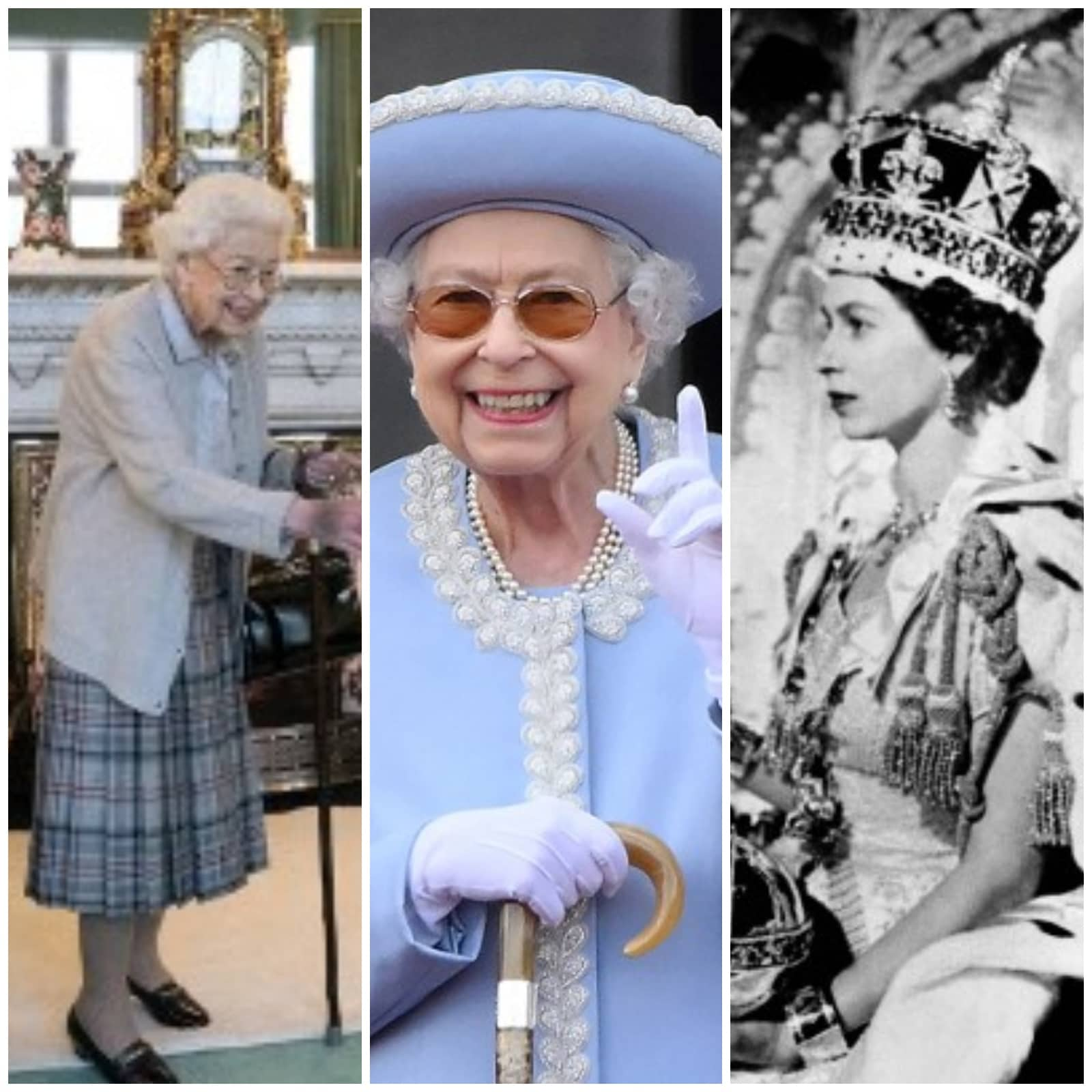
The end of the Queen’s reign was as dignified as its beginning. On September 6, 2022, she performed her final constitutional duty by appointing Liz Truss as Prime Minister. Photographs from that day showed the Queen smiling, though visibly frail, leaning on a cane.
Two days later, Buckingham Palace announced that she had died peacefully at Balmoral. Her death triggered "Operation London Bridge," the meticulously planned protocol for the aftermath of her passing. The ten days of national mourning that followed culminated in a state funeral at Westminster Abbey, attended by world leaders from across the globe.
The transition to King Charles III was immediate. As of 2026, the British monarchy continues to operate under the precedents set by Elizabeth II, particularly regarding the concept of the "working royal" and the focus on charitable patronage.
Frequently Asked Questions
Did Queen Elizabeth II reign longer than Queen Victoria?
Yes. Queen Elizabeth II surpassed Queen Victoria’s reign on September 9, 2015. Victoria reigned for 63 years and 216 days, while Elizabeth II reigned for 70 years and 214 days.
Was Elizabeth II the longest-reigning monarch in world history?
She is the second-longest reigning verified monarch in world history. Louis XIV of France holds the top spot with 72 years and 110 days. However, Elizabeth II holds the record for the longest-reigning female monarch in history.
Why did Elizabeth II wait over a year for her coronation?
The coronation was held on June 2, 1953, because it is customary to allow for a period of mourning after the death of the previous monarch. Additionally, the event required extensive planning and preparation to accommodate thousands of guests and the first-ever international television broadcast of such a ceremony.
Who were the first and last Prime Ministers of her reign?
Her first Prime Minister was Winston Churchill (who was also a mentor during her early years). Her fifteenth and final Prime Minister was Liz Truss, whom she appointed just two days before her death in 2022.
What is the difference between accession and coronation?
Accession is the legal act of becoming the monarch, which happens immediately upon the death of the predecessor. The coronation is the formal religious ceremony where the monarch is crowned and takes their coronation oath. For Elizabeth II, accession was in February 1952, and the coronation was in June 1953.
Practical Next Action for Researchers
For those looking to explore the specific legislative changes and historical documents from the Elizabethan era, the National Archives provides digitized access to the Queen's speeches, Cabinet papers, and constitutional records. If you are researching the genealogy or the succession of the British monarchy following her reign, the official Royal Family website maintains the updated Line of Succession and historical biographies of the House of Windsor.
Image Gallery
Select an image to open it in a new tab.



Omar Farooq
EdTech Innovation and Virtual Pedagogy Journalist
