
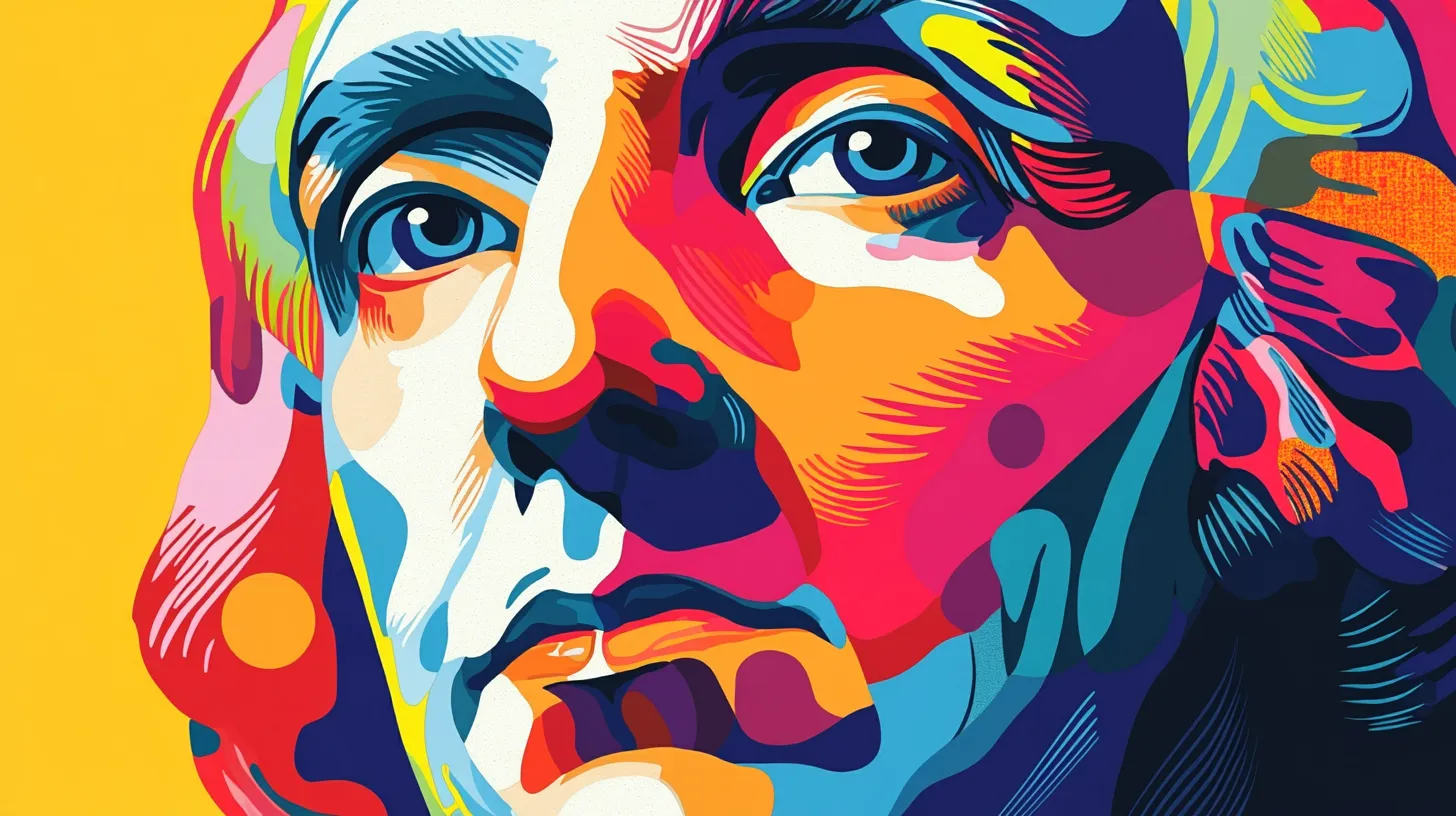
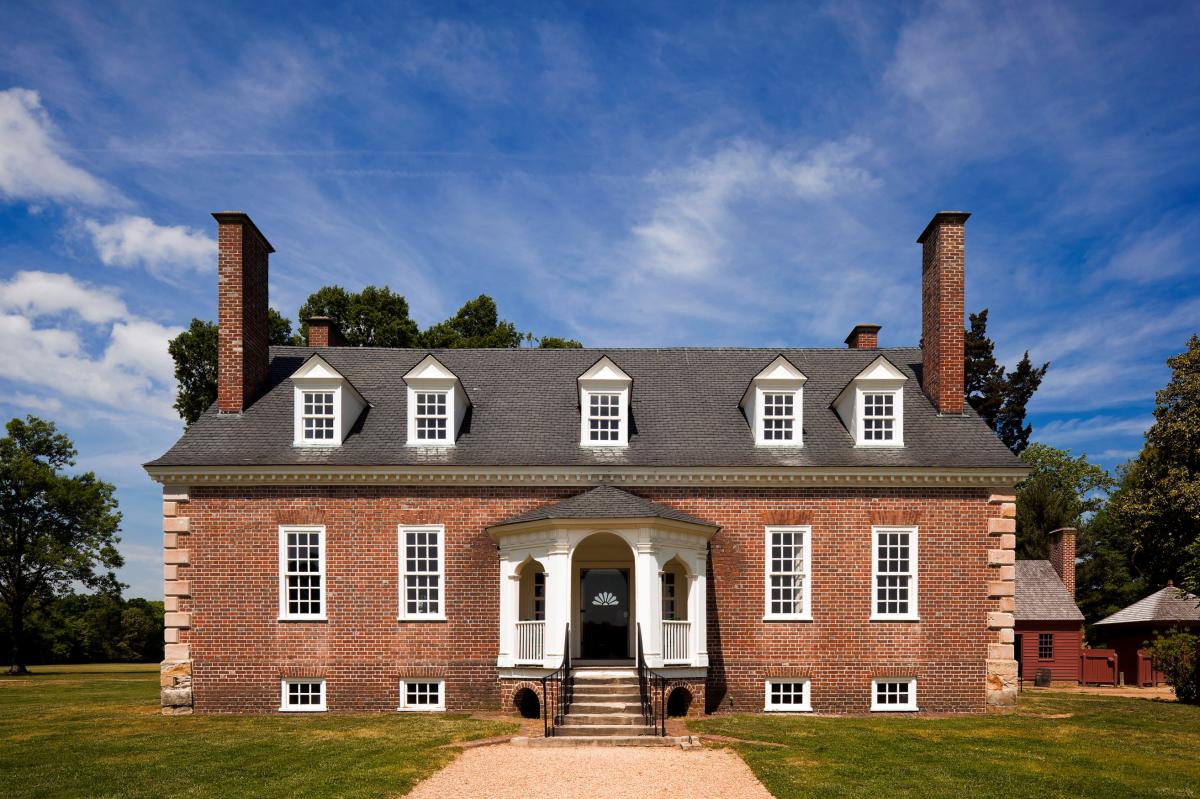
George Mason remains one of the most influential yet paradoxically under-recognized architects of American constitutional democracy. As the primary author of the 1776 Virginia Declaration of Rights—a document that directly inspired the United States Bill of Rights and the French Declaration of the Rights of Man and of the Citizen—Mason shaped the ideological contours of the American Revolution. Unlike many of his contemporaries who sought national political office, Mason was a reluctant statesman whose primary commitments remained rooted in his Virginia plantation, Gunston Hall, and his deep philosophical dedication to individual liberty, decentralized government, and civic virtue.
Understanding George Mason requires examining him within the complex social, economic, and political context of eighteenth-century Virginia. He operated at the intersection of Enlightenment rationalism and agrarian elite status, championing radical democratic protections while remaining deeply implicated in the contradictions of the chattel slavery system. By exploring his constitutional philosophy, his pivotal role at the 1787 Philadelphia Convention, and his ultimate opposition to the ratification of the Federal Constitution, readers gain a comprehensive view of a Founding Father who prioritized fundamental rights and structural checks over federal consolidation.
The Intellectual and Social World of Eighteenth-Century Virginia
To understand George Mason, one must first understand the planter aristocracy of colonial Virginia. Born in 1725 in Fairfax County, Mason inherited a substantial estate and a network of landholdings that placed him firmly within the ruling class of the Virginia gentry. This socioeconomic standing provided him with the financial independence required to pursue extensive self-education. Lacking a formal university education, Mason mastered classical history, political philosophy, and English common law through the vast library at Gunston Hall, engaging deeply with the writings of John Locke, Algernon Sidney, and Montesquieu.
The Virginia gentry operated on a code of civic duty, public service, and paternalistic responsibility. However, this world rested entirely upon the institution of enslaved labor. Mason, like Thomas Jefferson and George Washington, managed a massive plantation dependent on enslaved men, women, and children.
Yet, unlike some of his peers who maintained a quiet complicity, Mason's private papers and public statements reveal a profound intellectual dissonance regarding slavery. He recognized the moral corruption and economic unsustainability of the institution, condemning the transatlantic slave trade in the Virginia Declaration of Rights and later denouncing slavery at the Constitutional Convention as a source of national weakness and moral failing. Despite these ideological objections, Mason remained a slaveholder throughout his life, illustrating the deep structural entanglement of the revolutionary generation with human bondage.
The Virginia Declaration of Rights and Revolutionary Leadership
Masons emergence onto the national and revolutionary stage occurred in the spring of 1776, as the colonies prepared to sever ties with Great Britain. While Thomas Jefferson drafted the national Declaration of Independence in Philadelphia, George Mason was in Williamsburg drafting the Virginia Declaration of Rights, adopted unanimously by the Virginia Convention of Delegates on June 12, 1776.
| Document | Primary Contributions and Legacy |
|---|---|
| Virginia Declaration of Rights (1776) | Established natural rights, freedom of the press, and religious tolerance; template for the Bill of Rights. |
| Fairfax Resolves (1774) | Articulated colonial resistance against parliamentary overreach and taxation without representation. |
| United States Constitution (1787) | Opposed ratification due to the initial lack of an explicit bill of rights and excessive federal power. |
This document broke radical new ground in political philosophy. Its opening article asserted that all men are by nature equally free and independent and have inherent rights—namely, the enjoyment of life and liberty, with the means of acquiring and possessing property.
By grounding rights in natural law rather than royal grants or historical parliamentary privileges, Mason provided the philosophical vocabulary for the entire revolutionary movement.
Furthermore, Mason drafted the Fairfax Resolves in 1774, which articulated colonial grievances against the British Parliament and called for concerted economic boycotts. His ability to synthesize complex legal principles into clear, forceful prose made him the premier constitutional draftsman of revolutionary Virginia, though he consistently resisted holding long-term public office outside of the state legislature, preferring the quiet administration of his estate.

The Constitutional Convention of 1787 and the Great Debates
In May 1787, George Mason traveled to Philadelphia as one of Virginia’s delegates to the Constitutional Convention, charged with revising the failing Articles of Confederation. Instead, the delegates chose to draft an entirely new framework of government. From the outset, Mason proved to be one of the most active, influential, and intellectually rigorous delegates on the floor, speaking over one hundred times during the proceedings.
Mason’s contributions to the structure of the federal government were profound. He championed the principle of popular sovereignty, insisting that the executive branch must be directly accountable to the people or the legislature rather than insulated by aristocratic structures. He engaged in fierce debates regarding the executive branch, arguing for a single executive equipped with a council of revision to check legislative overreach, while warning against the dangers of executive tyranny.
Crucially, Mason took a strong moral and economic stance against the transatlantic slave trade. He argued that the importation of enslaved persons brought the judgment of heaven upon a country and undermined the moral integrity of the republic.
However, faced with fierce opposition from delegates of Deep South states like South Carolina and Georgia who threatened to walk out of the convention, a compromise was struck allowing the slave trade to continue until 1808. Disgusted by this compromise and the failure of the convention to secure fundamental protections for individual citizens, Mason’s relationship with the emerging constitutional framework fractured.
The Anti-Federalist Stance: Why Mason Refused to Sign
As the Constitutional Convention drew to its conclusion in September 1787, George Mason made the fateful decision to join Elbridge Gerry of Massachusetts and Edmund Randolph of Virginia in refusing to sign the final document. This refusal marked a dramatic political pivot, transforming Mason from a primary architect of American independence into one of the nation's most prominent Anti-Federalists.
Mason’s objections, published widely as Objections to the Constitution of Government Formed by the Convention, centered on several critical structural flaws:
- The Absence of a Bill of Rights: Mason argued that without explicit constitutional protections for freedom of speech, religion, press, and trial by jury, the federal government would inevitably trample individual liberties.
- Judicial Overreach: He warned that the federal judiciary was dangerously expansive and would destroy the state courts, placing legal recourse beyond the financial reach of ordinary citizens.
- The Antidemocratic Senate: Mason feared that the combination of the Senate's long terms and its treaty-making and judicial powers created an aristocratic council capable of overriding the popular will.
- The Commerce Compromise: He condemned the protection of the slave trade for another twenty years, viewing it as a stain on the national character.
Despite his opposition, Mason’s refusal to sign proved instrumental. His relentless agitation for a bill of rights galvanized popular skepticism and forced James Madison—initially an opponent of a separate bill of rights—to promise that the first order of business for the new federal Congress would be drafting constitutional amendments. Madison fulfilled this promise, using Mason’s Virginia Declaration of Rights as the primary blueprint for the federal Bill of Rights ratified in 1791.
Comparative Analysis: George Mason and James Madison
The relationship between George Mason and James Madison offers a fascinating case study in revolutionary-era political realignment. As neighbors in Northern Virginia and political allies during the drafting of the Virginia Constitution and the early revolutionary period, Mason and Madison shared a deep intellectual affinity. However, the crucible of the 1787 Philadelphia Convention drove a wedge between their political philosophies.
| Feature / Issue | George Mason (Anti-Federalist) | James Madison (Federalist) |
|---|---|---|
| Primary Political Goal | Protection of state sovereignty and individual natural rights. | Creation of a strong, energetic national republic. |
| Bill of Rights | Absolute prerequisite; essential to check government power. | Initially viewed as redundant "parchment barriers," later added to secure ratification. |
| View of Central Power | Deeply suspicious of federal overreach and consolidation. | Believed extended republic checked factional tyranny. |
| Slavery | Condemned slave trade morally; maintained plantation system. | Acknowledged moral evil but prioritized national union. |
Madison believed that a strong, energetic national government was the only mechanism to prevent the states from collapsing into anarchy or economic ruin. He argued that an extended republic would naturally dilute the power of dangerous factions.
Mason, by contrast, remained rooted in the classical republican tradition, arguing that true liberty could only be preserved in smaller, localized political units where citizens maintained direct control over their magistrates. While Madison ultimately won the structural debate by securing the ratification of the Constitution, Mason won the ideological war by forcing the incorporation of the Bill of Rights.
Frequently Asked Questions
What was George Mason’s primary contribution to the American founding?
George Mason’s most enduring contribution was drafting the Virginia Declaration of Rights in 1776. This document served as the foundational template for the United States Bill of Rights, providing the legal and philosophical framework for individual liberties such as freedom of the press, religious tolerance, and due process.
Why did George Mason refuse to sign the United States Constitution?
Mason refused to sign the Constitution in September 1787 primarily because it lacked a bill of rights to protect citizens from federal overreach. He was also deeply concerned about the excessive concentration of power in the federal judiciary, the undemocratic structure of the Senate, and the constitutional protection granted to the transatlantic slave trade until 1808.
How did George Mason view the institution of slavery?
Mason’s views on slavery were marked by profound moral contradiction. He openly condemned the transatlantic slave trade as morally reprehensible and politically dangerous, warning that it brought the judgment of heaven upon America. However, he remained a wealthy Virginia planter who owned hundreds of enslaved people and relied on their labor to operate Gunston Hall.
What is the difference between Federalists and Anti-Federalists regarding Mason?
Federalists, led by figures like James Madison and Alexander Hamilton, supported a strong central government and initially viewed a bill of rights as unnecessary. Anti-Federalists, led by George Mason, argued that centralized power without explicit constitutional constraints on liberty would inevitably lead to tyranny.
Did George Mason ever hold national public office?
No. Unlike George Washington, Thomas Jefferson, and James Madison, Mason consistently avoided national political office. He preferred local governance in the Virginia House of Delegates and managed his plantation at Gunston Hall, emerging onto the national stage only for the Constitutional Convention in 1787.
Conclusion and Legacy
George Mason stands as the quintessential reluctant statesman of the American founding—a man who valued intellectual independence and private life over public acclaim, yet whose profound legal formulations permanently altered the architecture of Western democracy. By insisting that government exists solely to protect the natural rights of citizens, and by demanding constitutional safeguards against federal overreach, Mason ensured that the American republic remained tethered to the ideals of liberty and popular sovereignty. Examining George Mason in context reveals not a flawless icon, but a brilliant, critical thinker whose intellectual legacy continues to shape constitutional debates over civil liberties and government power.
Image Gallery
Select an image to open it in a new tab.




Simon Caldwell
Enterprise Technology and Systems Editor
