
Alaska is home to the iconic "Big Five" land mammals—grizzly bears, moose, caribou, Dall sheep, and wolves—alongside diverse marine life like humpback whales and sea otters. Depending on your region and season, you are highly likely to encounter these species in protected areas like Denali and Kenai Fjords National Park.
The vastness of the Alaskan wilderness offers one of the few remaining places on Earth where ecosystems function with minimal human interference. For travelers and nature enthusiasts in 2026, understanding the behaviors, habitats, and seasonal movements of these animals is the key to a successful and safe viewing experience. This guide provides a technical and practical breakdown of the wildlife you can expect to see across the Last Frontier.
The Terrestrial "Big Five"
The term "Big Five" was adapted from African safaris to describe Alaska’s most sought-after land mammals. Seeing all five in a single trip is a common goal for visitors to the Interior, particularly within Denali National Park and Preserve.
Grizzly and Brown Bears (Ursus arctos)
While biologically the same species, Alaskans distinguish between "brown bears" (coastal) and "grizzlies" (interior). Brown bears are significantly larger, often weighing over 1,000 pounds, thanks to a high-protein diet of spawning salmon. Grizzlies, found in the mountain ranges and tundra, are smaller and frequently exhibit a "grizzled" silver-tipped coat.
In 2026, the best locations for bear viewing remain Katmai National Park and Brooks Falls, where the famous salmon runs occur in July and September. In the Interior, look for grizzlies on the hillsides of Denali, where they forage for berries and ground squirrels. When observing, maintain a minimum distance of 100 yards, and always carry EPA-approved bear spray.
Alaska-Yukon Moose (Alces alces gigas)
The moose is the largest member of the deer family and is ubiquitous across Alaska. An adult bull can stand six feet tall at the shoulder and weigh 1,600 pounds. Unlike many other species, moose are frequently seen in urban environments, particularly in Anchorage, where they utilize cleared trails and greenbelts.
Moose are most active during the "rut" or mating season in late September and October. This is when bulls are most aggressive and their massive palmate antlers are fully grown. In the spring (May and June), cows with calves are common but can be extremely defensive. If a moose’s ears lay back or the hair on its hump rises, you are too close.
Barren-Ground Caribou (Rangifer tarandus granti)
Caribou are the only members of the deer family where both males and females grow antlers. They are migratory animals, traveling hundreds of miles between calving grounds and wintering ranges. You will most likely see them in the tundra regions of the Brooks Range or crossing the park road in Denali. Their large, hollow-core fur provides insulation against sub-zero temperatures, and their broad hooves act as natural snowshoes.
Dall Sheep (Ovis dalli)
Identifiable by their bright white coats and the massive, curling horns of the rams, Dall sheep inhabit high-altitude alpine ridges. They use steep, rocky "escape terrain" to evade predators like wolves. To see them, you will need high-quality optics; look for white dots against green or grey mountain slopes in the Chugach Mountains or along the Seward Highway at Beluga Point.
Gray Wolves (Canis lupus)
Wolves are the most elusive of the Big Five. They live in highly structured packs and are primarily found in Denali and the Yukon-Charley Rivers National Preserve. While sightings are never guaranteed, the best chance to see a wolf is in the early morning or late evening near the eastern sections of the Denali Park Road. Their presence is often signaled by the alarm calls of marmots or the nervous behavior of caribou herds.
Marine Wildlife of the Pacific Coast
Alaska’s 6,600 miles of coastline (excluding islands) host a massive concentration of marine mammals. Nutrient-rich cold waters support a complex food web that attracts migratory species from as far away as Hawaii and Mexico.
Humpback Whales
Migrating to Alaska each summer to feed, humpback whales are famous for their "bubble-net feeding" behavior—a coordinated hunting technique where a group of whales blows a ring of bubbles to trap schools of herring. Glacier Bay National Park and Icy Strait are premier locations for witnessing this. In 2026, strict federal regulations continue to mandate that vessels stay at least 100 yards away to protect these mammals from acoustic disturbance and strikes.
Orcas (Killer Whales)
Two distinct types of orcas frequent Alaskan waters: residents and transients. Residents eat fish (primarily salmon), while transients hunt other marine mammals like harbor seals and porpoises. Resurrection Bay near Seward is one of the most reliable spots to see resident pods. Their six-foot-tall dorsal fins make them easy to spot even from a distance.
Sea Otters and Harbor Seals
Sea otters are often seen floating on their backs in kelp forests in Kachemak Bay and Prince William Sound. They have the densest fur of any mammal, which keeps them warm in the absence of blubber. Harbor seals, conversely, rely on thick fat layers and are frequently seen hauled out on "bergy bits"—small icebergs—near calving glaciers like those in Kenai Fjords.

Avian Life: Eagles and Seabirds
Alaska is a critical sanctuary for bird species, many of which migrate thousands of miles to nest in the Arctic and Subarctic regions.
- Bald Eagles: Alaska has the highest population of bald eagles in the United States. They are common along any coastal waterway but congregate in massive numbers (sometimes in the thousands) near the Chilkat River during the late fall salmon runs.
- Puffins: Both Tufted and Horned Puffins nest on rocky coastal cliffs. The Chiswell Islands and Gull Island are major rookeries where these "sea parrots" can be seen diving for small fish.
- Arctic Terns: These birds have the longest migration of any animal on Earth, traveling from the Antarctic to Alaska. They are commonly seen nesting on the gravel shores of Mendenhall Glacier in Juneau.
Wildlife Viewing Matrix: When and Where
The following table summarizes the optimal conditions for viewing the primary species discussed, based on 2026 seasonal patterns and geographical data.
| Species | Primary Region | Peak Months | Observation Difficulty |
|---|---|---|---|
| Brown Bear | Katmai / Kodiak | July & September | Low (at viewing stands) |
| Grizzly Bear | Denali / Interior | June - August | Moderate |
| Moose | Anchorage / Southcentral | Year-round | Very Low |
| Humpback Whale | Southeast / Kenai Fjords | June - August | Low (via boat) |
| Dall Sheep | Kenai / Chugach Mtns | May - September | High (requires optics) |
| Caribou | Arctic / Denali | August - September | Moderate |
| Wolf | Denali / Brooks Range | June - July | Very High |
| Bald Eagle | Southeast / Homer | May - September | Very Low |
Ethical Observation and Safety Protocols
Viewing wild animals in Alaska carries an inherent responsibility to protect both the wildlife and yourself. As of 2026, the Alaska Department of Fish and Game (ADF&G) emphasizes the following protocols:
- The Rule of Thumb: If you can’t cover the entire animal with your thumb held at arm's length, you are likely too close.
- Food Conditioning: Never feed wildlife. Animals that associate humans with food ("food-conditioned") often become aggressive and must be lethally removed by authorities.
- Bear Safety: Carry bear spray in an accessible holster, not inside your pack. In 2026, most guided tours require guests to carry spray in "bear country." If you encounter a bear, speak in a low, calm voice and back away slowly; never run, as this triggers a predatory chase instinct.
- Moose Safety: If a moose charges, run. Unlike bears, moose are not predatory; if you can put a large tree or vehicle between yourself and the moose, it will usually stop chasing you.
Understanding Habitat Niches
To increase your chances of sightings, you must look at the landscape through the lens of a biologist. Animals are rarely distributed randomly; they follow specific "habitat niches."
- Riparian Zones: The areas surrounding rivers and streams are hotspots for moose and bears. These areas provide water, succulent vegetation, and travel corridors.
- The Treeline: Caribou and bears often frequent the "subalpine" zone—the transition between forest and open tundra—where they can find cover while still having a clear view of potential threats.
- Tidal Zones: During low tide, black bears and brown bears often emerge from the forest to scavenge for barnacles, crabs, and beach-cast carrion. Coastal boat tours are excellent for spotting this behavior.
Common Misconceptions About Alaskan Wildlife
"Polar bears are everywhere in Alaska." Polar bears are restricted to the far northern and northwestern coasts (Arctic region). You will not see them in Anchorage, Denali, or Southeast Alaska. Seeing them usually requires a specific flight to communities like Utqiagvik (Barrow) or Kaktovik.
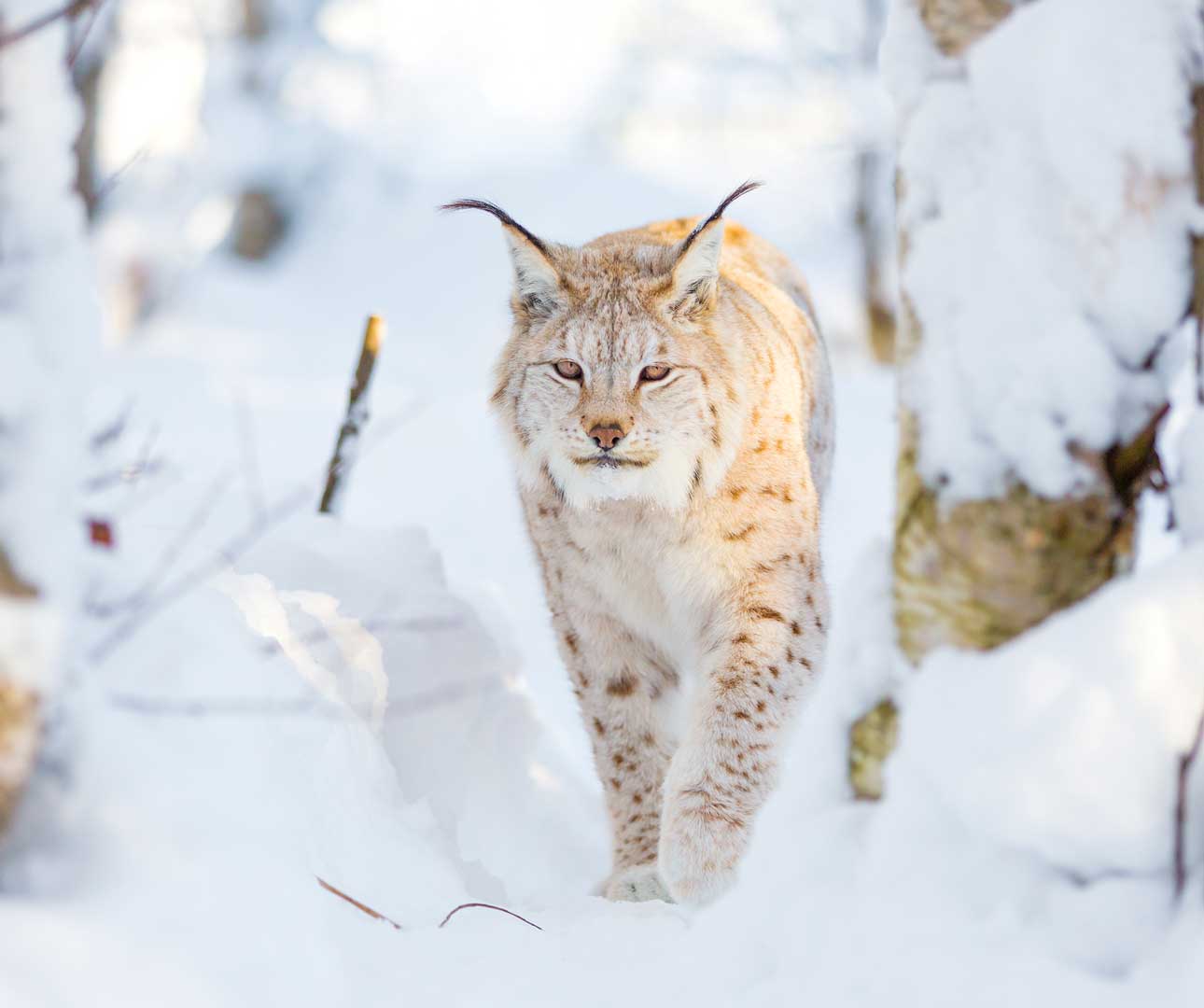
"Wildlife is only active in the summer." While summer is the easiest time for tourists, many animals remain active year-round. Moose are highly visible against the white snow in winter. However, bears hibernating and migratory birds leaving make winter viewing more limited to hardy resident species like lynx, snowshoe hares, and ptarmigan.
"Professional photography requires getting close." In the 2026 landscape of digital photography, high-resolution sensors and telephoto lenses (300mm to 600mm) allow for professional-grade shots from safe distances. Using drones for wildlife photography is strictly regulated and often prohibited in National Parks as it harasses the animals.
Frequently Asked Questions
What is the single best month for wildlife viewing in Alaska?
August is generally considered the best month. By August, the "Big Five" are very active, the salmon runs are in full swing (attracting bears and eagles), and the caribou are beginning their fall migrations. Additionally, the tundra begins to change color, providing a stunning backdrop for photography.
Can I see polar bears on a standard Alaska cruise?
No. Standard cruises navigate the Inside Passage in Southeast Alaska. Polar bears live hundreds of miles to the north in the Arctic Circle. To see polar bears, you must book a specialized tour to the Beaufort or Chukchi Sea coasts during the fall.
Is bear spray really effective against a charging grizzly?
Yes. Statistical data analyzed by wildlife agencies shows that bear spray is highly effective at deterring aggressive encounters and is often more successful than firearms because it creates a wide cloud of irritant that does not require "perfect" aim under pressure.
Where is the best place to see puffins?
The best way to see puffins is on a glacier and wildlife cruise out of Seward or Whittier. These boats visit protected islands where puffins nest by the thousands. You can see both Horned and Tufted Puffins from May through early September.
Are wolves dangerous to hikers?
Wolf attacks on humans are extremely rare in Alaska. Wolves are naturally wary of people and will usually leave an area long before you realize they are there. The primary concern with wolves is for domestic dogs; always keep pets on a leash in the backcountry.
Recommended Next Action
If you are planning a trip for the 2026 season, your first step should be to decide which species are your priority. If bears are your focus, book your accommodations in Katmai or Brooks Lodge at least 10 to 12 months in advance, as these spots operate on a lottery or early-booking system due to high demand. For a broad experience of the "Big Five," secure a bus reservation for the Denali Park Road, which remains the most accessible way to see the Interior's diverse fauna.
Image Gallery
Select an image to open it in a new tab.
Ingrid Bjornson
Global Cyber Policy and Regulation Analyst
