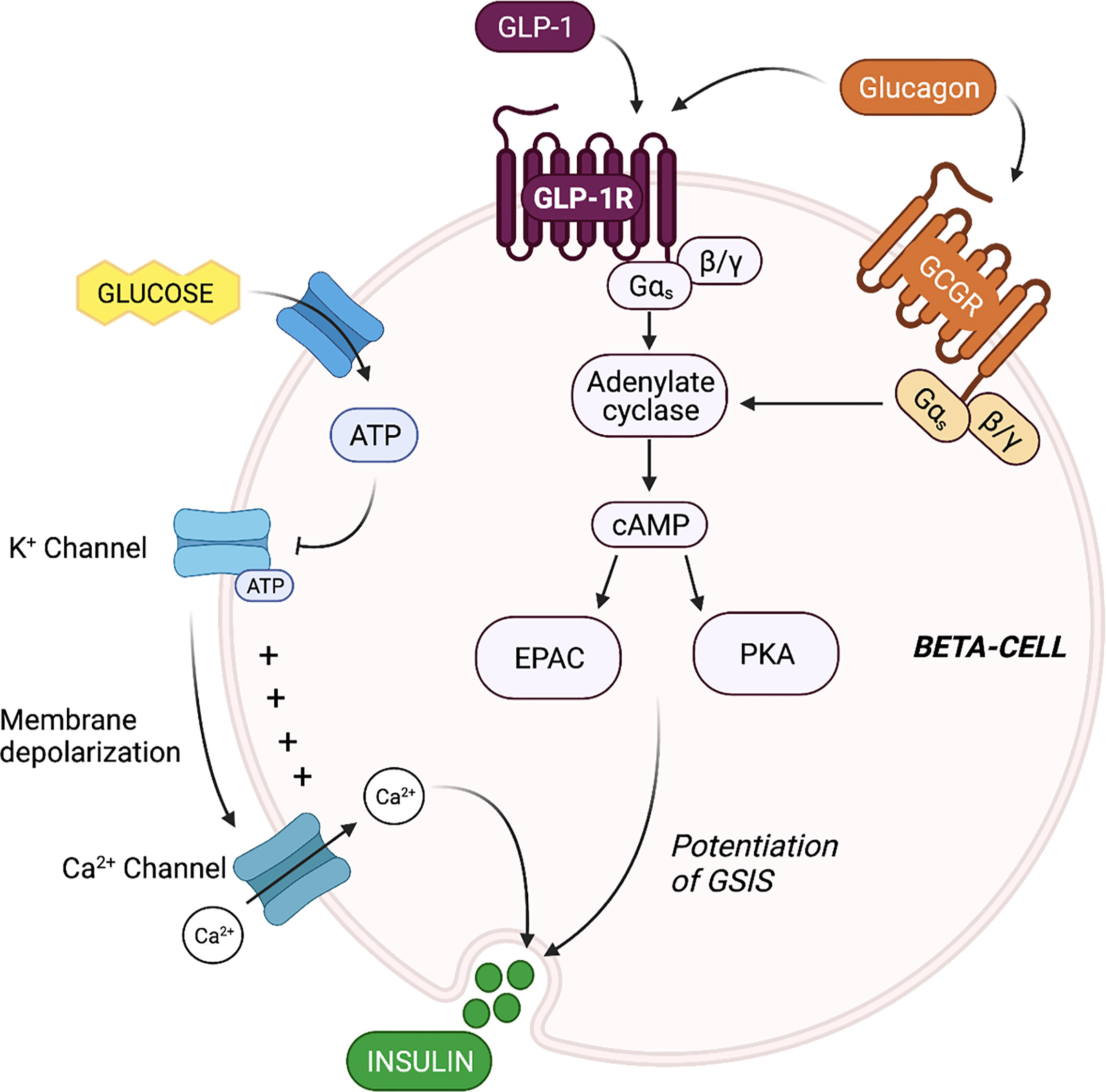
Glucagon is primarily released by the alpha cells located within the Islets of Langerhans in the pancreas. This hormonal secretion is most significantly triggered by hypoglycemia (low blood sugar levels), though it is also stimulated by intense exercise, protein consumption, and stress hormones like epinephrine to ensure the body maintains metabolic homeostasis.
To understand what releases glucagon, one must look at the body as a finely tuned biological furnace. When fuel (glucose) runs low, the "thermostat" in the pancreas detects the drop and signals for the release of glucagon. This hormone acts as the counter-regulatory partner to insulin, preventing blood sugar from dipping into dangerous levels. In 2026, our understanding of these pathways has expanded to include complex interactions between the gut, the brain, and the endocrine system.
The Pancreas: The Production Site of Glucagon
The pancreas is a dual-function organ, possessing both exocrine (digestive) and endocrine (hormonal) capabilities. The endocrine portion consists of small clusters of cells known as the Islets of Langerhans. While these islets are famous for housing the insulin-producing beta cells, they also contain alpha cells, which are responsible for the synthesis and secretion of glucagon.
Alpha cells make up approximately 15% to 20% of the cells within each islet. These cells are highly sensitive to the concentration of glucose in the interstitial fluid surrounding them. When glucose levels are high, alpha cells are suppressed; when glucose levels fall, the suppression is lifted, and glucagon is released into the bloodstream. This process is not merely a "passive" response but involves complex ion channel shifts, specifically involving ATP-sensitive potassium channels and calcium signaling within the alpha cell membrane.
Primary Triggers for Glucagon Release
While low blood sugar is the most well-known trigger, the release of glucagon is a multi-faceted process influenced by several physiological states.
1. Hypoglycemia (Low Blood Glucose)
The primary stimulus for glucagon secretion is a decline in plasma glucose concentration. As of 2026, clinical guidelines define the threshold for this response starting when blood sugar drops below approximately 70 mg/dL. The alpha cells act as direct glucose sensors.
When blood glucose is low:
- The transport of glucose into the alpha cell decreases.
- This leads to a change in the cell's internal energy state (ATP/ADP ratio).
- Specific membrane channels react to this change, causing the cell to depolarize.
- Calcium enters the cell, triggering the exocytosis (release) of glucagon granules into the portal vein, which carries the hormone directly to the liver.
2. Amino Acids (Protein Consumption)
Interestingly, eating a high-protein meal also triggers the release of glucagon. This might seem counterintuitive because protein does not immediately raise blood sugar. However, the body releases glucagon alongside insulin after a protein-rich meal to prevent "rebound hypoglycemia."
Because amino acids stimulate insulin release (to help build muscle and tissues), the insulin could potentially drive blood sugar too low if no carbohydrates were consumed. By releasing glucagon at the same time, the body ensures the liver continues to produce enough glucose to balance the insulin's effect. Specific amino acids, such as arginine and alanine, are particularly potent stimulants of alpha cells.
3. Physical Activity and Exercise
During prolonged or high-intensity exercise, the muscles’ demand for fuel increases exponentially. To meet this demand, the body must mobilize glucose from its storage sites. As exercise continues and circulating glucose is consumed by the muscles, the pancreas increases glucagon secretion. This is further bolstered by the sympathetic nervous system, which views intense physical exertion as a form of "stress" requiring immediate energy mobilization.
4. Epinephrine and the "Fight or Flight" Response
Under conditions of acute stress, the adrenal glands release epinephrine (adrenaline). Epinephrine has a direct stimulatory effect on the alpha cells of the pancreas. This ensures that even if blood sugar isn't currently low, the body prepares for an emergency by flooding the bloodstream with glucose, providing the brain and muscles with the energy needed to react to a threat.
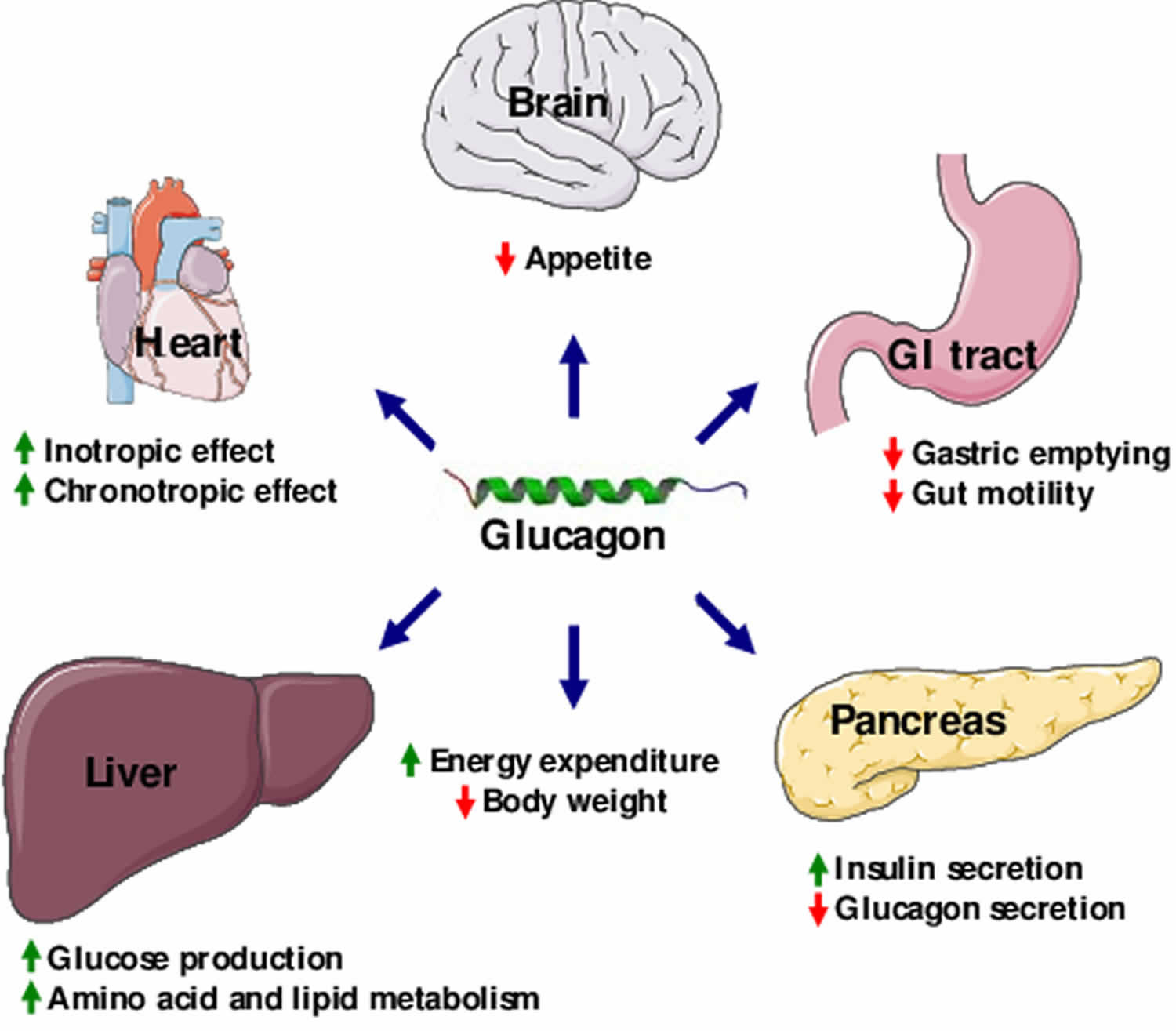
The Hormonal Tug-of-War: Glucagon vs. Insulin
The regulation of blood sugar is often described as a "push-pull" dynamic. Insulin and glucagon are antagonistic hormones; they work in opposite directions to maintain a steady state.
- Insulin (The Storage Hormone): Released when blood sugar is high. It tells the body to move glucose into cells for energy or into the liver and muscles for storage as glycogen.
- Glucagon (The Mobilization Hormone): Released when blood sugar is low. It tells the liver to break down stored glycogen back into glucose and release it into the blood.
In a healthy individual, these two hormones exist in a delicate ratio. After a meal, the insulin-to-glucagon ratio is high. During a fast or between meals, the ratio flips, with glucagon becoming the dominant player to prevent the brain from running out of fuel.
Table: Comparison of Glucagon and Insulin Triggers
| Feature | Glucagon | Insulin |
|---|---|---|
| Primary Site of Origin | Alpha cells (Pancreas) | Beta cells (Pancreas) |
| Primary Trigger | Low blood glucose (<70 mg/dL) | High blood glucose (>100 mg/dL) |
| Secondary Triggers | Amino acids, Epinephrine, Exercise | Amino acids, GLP-1, Parasympathetic nervous system |
| Primary Target Organ | Liver | Liver, Muscle, Adipose (fat) tissue |
| Main Action | Raises blood sugar (Glucose release) | Lowers blood sugar (Glucose storage) |
| Storage Mechanism | Promotes Glycogenolysis | Promotes Glycogenesis |
| New Glucose Creation | Stimulates Gluconeogenesis | Inhibits Gluconeogenesis |
How Glucagon Works Once Released
Once the alpha cells release glucagon, it travels via the portal circulation directly to the liver. The liver is the primary target organ because it holds the body's largest accessible reserve of stored glucose. Glucagon binds to specific receptors on the surface of liver cells (hepatocytes), initiating two main pathways:
- Glycogenolysis: This is the breakdown of glycogen (stored chains of glucose) into individual glucose molecules. This is the fastest way the body can raise blood sugar, acting as an immediate "emergency reserve."
- Gluconeogenesis: If the fasting period continues and glycogen stores begin to deplete, glucagon signals the liver to create new glucose from non-carbohydrate sources, such as lactic acid, glycerol, and certain amino acids. This process is slower but essential for long-term survival during starvation.
While the liver is the main target, glucagon also has minor effects on adipose (fat) tissue, where it can stimulate lipolysis (the breakdown of fats into fatty acids), providing an alternative fuel source for the body and saving the remaining glucose for the brain.
Factors That Inhibit Glucagon Release
To prevent blood sugar from becoming too high (hyperglycemia), the body must have "brakes" for glucagon secretion. Several factors can stop or slow down the alpha cells:
- High Blood Glucose: The most direct inhibitor. When glucose levels rise, the alpha cell activity is suppressed.
- Insulin: Insulin has a "paracrine" effect, meaning it acts directly on its neighboring cells within the pancreas. When beta cells release insulin, it physically travels a short distance to the alpha cells and signals them to stop producing glucagon.
- Somatostatin: Produced by the delta cells of the pancreas, somatostatin is a powerful inhibitory hormone that shuts down both insulin and glucagon secretion to keep the system in check.
- GLP-1 (Glucagon-Like Peptide-1): This hormone, released by the intestines after eating, helps stimulate insulin and simultaneously suppresses glucagon, ensuring blood sugar doesn't spike too high after a meal.
Clinical Context: When Glucagon Release Fails or Overacts
Understanding what releases glucagon is vital for managing several medical conditions.
Type 1 and Type 2 Diabetes
In people with diabetes, the glucagon response is often dysfunctional. In Type 1 Diabetes, as beta cells are destroyed, the "crosstalk" between insulin and glucagon is lost. This can lead to hyperglucagonemia (excessively high glucagon), which contributes to high blood sugar levels. Conversely, many people with long-standing diabetes lose their "counter-regulatory" response, meaning their alpha cells fail to release glucagon when blood sugar drops dangerously low, increasing the risk of severe hypoglycemia.
Glucagonoma
This is a rare tumor of the alpha cells in the pancreas. Because the tumor consists of glucagon-producing cells, it releases massive amounts of the hormone regardless of blood sugar levels. This leads to chronic hyperglycemia, weight loss, and a characteristic skin rash known as necrolytic migratory erythema.
Therapeutic Glucagon
For individuals at risk of severe hypoglycemia (especially those on insulin therapy), synthetic glucagon is available as an emergency medication. In 2026, these delivery systems—including nasal sprays and auto-injector pens—are standard tools for quickly raising blood sugar when a person is unable to eat or drink.
Frequently Asked Questions
Does caffeine release glucagon?
Caffeine can indirectly trigger glucagon release by stimulating the adrenal glands to produce epinephrine. Epinephrine then signals the pancreas to release glucagon. This is why some people experience a slight rise in blood sugar or a "jittery" energy boost after consuming high amounts of caffeine on an empty stomach.
Can stress cause the body to release too much glucagon?
Yes. Chronic stress maintains higher-than-normal levels of cortisol and epinephrine. These hormones continuously signal for glucose mobilization. Over time, this "stress-induced" glucagon release can contribute to insulin resistance and elevated fasting blood sugar levels, even if the diet is relatively healthy.
Does fasting increase glucagon levels?
Fasting is one of the most potent natural ways to increase glucagon. As hours pass since the last meal, insulin levels drop and glucagon levels rise to maintain the basal metabolic rate. This shift is what allows the body to tap into stored fat and glycogen for energy.
Why does the body release glucagon during a high-protein, low-carb meal?
The body releases glucagon during high-protein meals to balance the insulin that is also released. Since the meal contains no carbohydrates to provide glucose, the insulin would otherwise cause blood sugar to drop. Glucagon ensures the liver produces enough glucose to maintain stability while the insulin helps the body process the protein.
Can you naturally suppress glucagon if it's too high?
Managing glucagon levels naturally usually involves improving insulin sensitivity. Regular physical activity, a balanced intake of fiber to slow glucose absorption (triggering GLP-1), and maintaining a healthy weight all help the body's natural feedback loops function correctly, preventing the alpha cells from over-secreting.
Practical Recommendation for Blood Sugar Balance
To maintain a healthy balance of glucagon and insulin, focus on metabolic flexibility. This is the body's ability to switch efficiently between burning carbohydrates and burning fat. You can support this by:
- Prioritizing Protein with Fiber: When consuming protein, include high-fiber vegetables to ensure a steady hormonal response rather than a sharp spike.
- Regular Activity: Exercise trains the alpha cells to respond appropriately to energy demands.
- Managing Acute Stress: Since epinephrine is a major trigger for glucagon, practicing stress-reduction techniques can prevent unnecessary glucose dumps from the liver.
- Monitoring Symptoms: If you frequently feel "hangry," shaky, or lightheaded between meals, it may indicate an inefficient glucagon response or reactive hypoglycemia, which should be discussed with a healthcare provider to rule out underlying endocrine issues.
Image Gallery
Select an image to open it in a new tab.
Ingrid Bjornson
Global Cyber Policy and Regulation Analyst
