Puerto Rico is globally renowned for its vibrant Hispanic-Caribbean culture, bioluminescent bays, historic Spanish colonial architecture, world-class rum production, and rich musical heritage like salsa and reggaeton, all anchored by a unique political relationship with the United States.
Introduction to Puerto Rico's Global Identity
Puerto Rico, an unincorporated territory of the United States situated in the northeastern Caribbean Sea, commands an outsized global footprint relative to its geographic size. Known officially as Estado Libre Asociado de Puerto Rico (Commonwealth of Puerto Rico), the island blends Taíno indigenous heritage, Spanish colonial history, and African cultural traditions into a distinct identity often referred to as puertorriqueñidad.
Understanding what Puerto Rico is famous for requires looking past standard tropical vacation tropes. While the island boasts pristine shorelines and crystal-clear Caribbean waters, its cultural exports—ranging from Nobel-caliber literature and athletic achievements to foundational contributions to global music and culinary arts—define its true legacy. Whether analyzing its strategic geopolitical position, its architectural landmarks in San Juan, or its unique natural ecosystems, Puerto Rico remains a cornerstone of Caribbean identity.
Historical Architecture and Spanish Colonial Heritage
The historical narrative of Puerto Rico is visibly etched into its architecture, fortifications, and urban planning. As one of the earliest European settlements in the Americas, the island served as a crucial military and economic gateway for the Spanish Empire.
Old San Juan (Viejo San Juan)
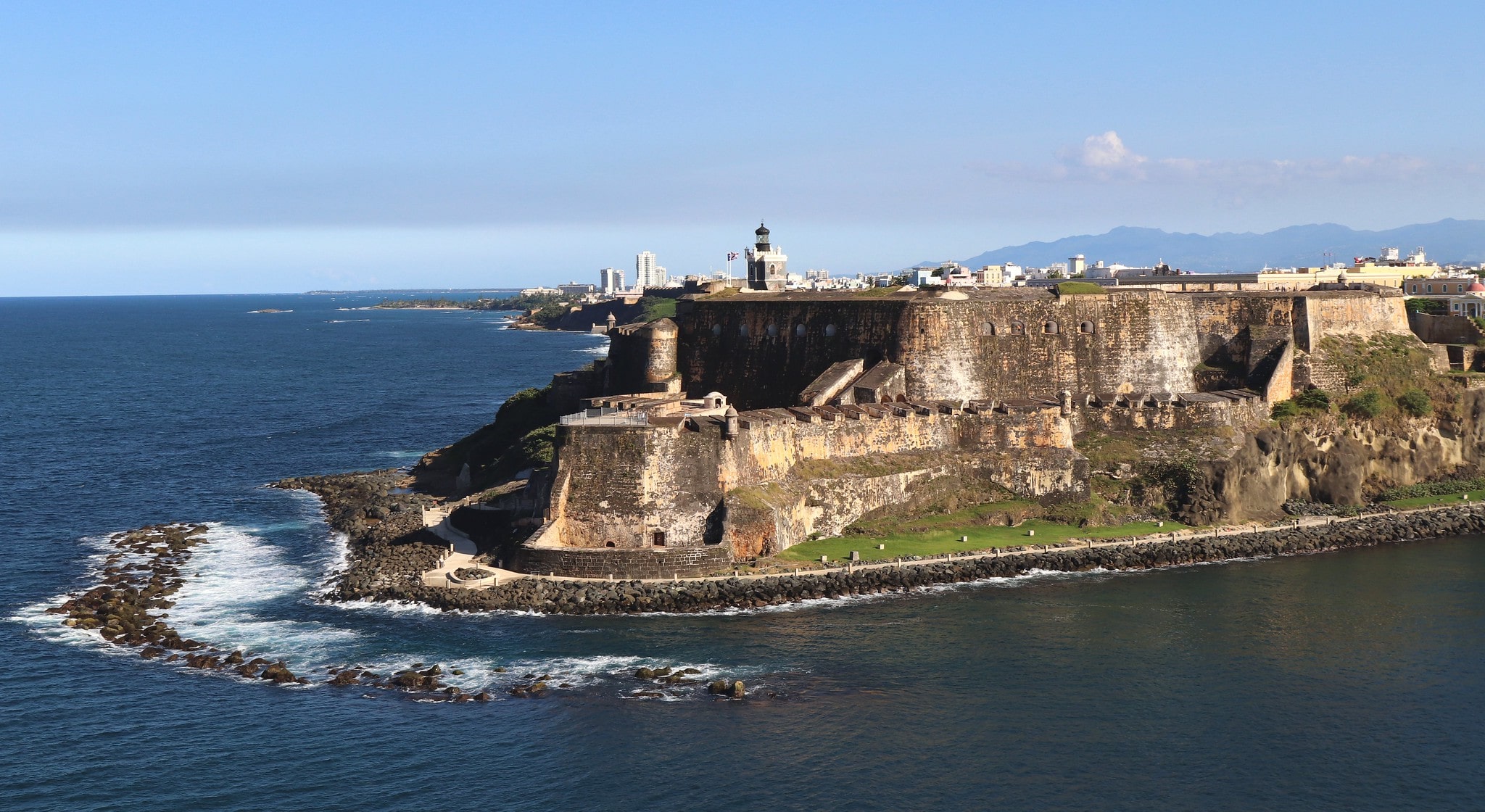
Founded in 1521, Old San Juan spans a small islet connected to the mainland by bridges. Famous for its vibrant pastel-colored colonial buildings, wrought-iron balconies, and historic blue cobblestones (adoquines), the district is a living museum of Spanish colonial design.
The fortifications protecting this strategic harbor are among the most impressive military structures built by Spain in the New World:
- Castillo San Felipe del Morro (El Morro): A massive six-level citadel rising 140 feet above the Atlantic Ocean, construction began in 1539 and continued for over two centuries. It successfully defended the harbor against British, Dutch, and privateer attacks.
- Castillo San Cristóbal: The largest fortification built by the Spanish in the Americas, designed to protect Old San Juan from land-based attacks.
- La Fortaleza: Built between 1533 and 1540, it is the oldest executive mansion in continuous use in the Western Hemisphere and serves as the official residence of the Governor of Puerto Rico.
Ponce and Neo-Classical Elegance
Beyond San Juan, the southern city of Ponce—often called La Perla del Sur (The Pearl of the South)—is famous for its distinct architectural style known as Ponce Creole. Characterized by ornate ironwork, neoclassical details, and grand courtyards, Ponce features iconic structures such as Parque de Bombas, a historic 19th-century red-and-black striped firehouse, and the elaborate cascading fountains of Plaza Las Delicias.
Natural Wonders and Unique Ecosystems
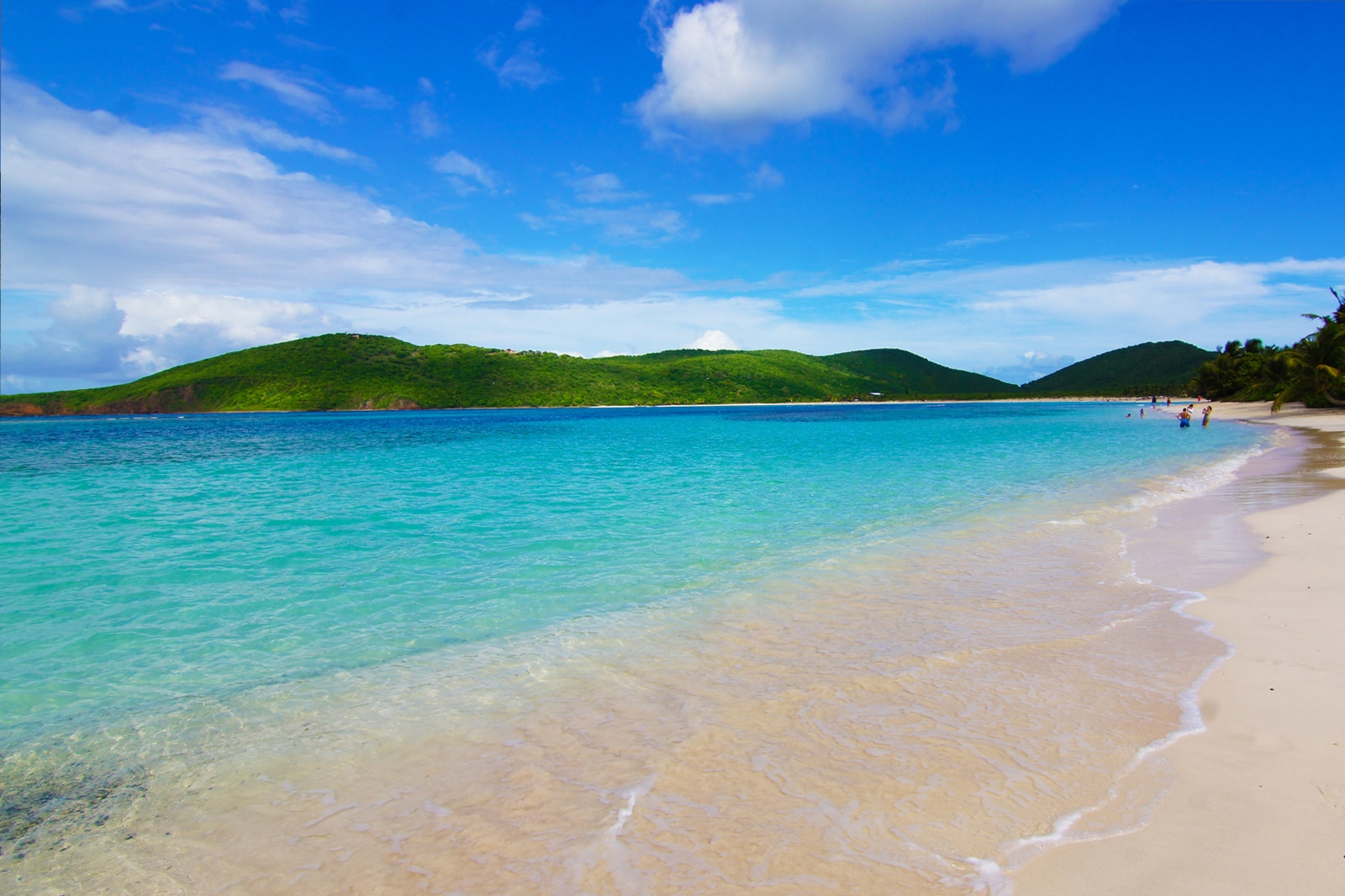
Despite its compact size of roughly 100 by 35 miles, Puerto Rico houses an astonishing diversity of ecological zones, ranging from semi-arid scrublands to lush tropical rainforests and rare marine habitats.
El Yunque National Forest
El Yunque is the only tropical rainforest in the United States National Forest System. Covering nearly 29,000 acres, it is famous for its staggering biodiversity, including hundreds of species of trees, ferns, and orchids, along with the endemic, critically endangered Puerto Rican parrot (Amazona vittata). The forest receives over 100 inches of rainfall annually, feeding numerous cascading waterfalls, such as La Mina and Juan Diego Falls, and creating a humid microclimate characterized by the high-pitched evening calls of the coquí frog.
Bioluminescent Bays
Puerto Rico is internationally famous for hosting some of the brightest bioluminescent bays in the world, where millions of single-celled microorganisms called dinoflagellates (Pyrodinium bahamense) emit a neon-blue glow when the water is disturbed.
- Mosquito Bay (Vieques): Certified by Guinness World Records as the brightest bioluminescent bay in the world, located off the eastern coast of the main island.
- Laguna Grande (Fajardo): A protected coastal lagoon accessible via kayak through a narrow, mangrove-lined channel.
- La Parguera (Lajas): Located in the southwest, visitors can swim directly in the glowing waters, as motorized boat traffic is permitted here unlike the stricter preserves in Fajardo and Vieques.
Musical Heritage and Cultural Contributions
Music is central to the identity of Puerto Rico, serving as a powerful medium for storytelling, social commentary, and global celebration. The island has disproportionately shaped Latin music genres over the past century.
Traditional Roots: Bomba and Plena
- Bomba: Developed by enslaved Africans in the coastal plantations during the colonial era, Bomba is the oldest musical and dance tradition in Puerto Rico. It is characterized by an interactive dialogue between the lead drummer (primo) and the dancer, where the drummer follows the physical movements of the dancer rather than the other way around.
- Plena: Originating in the working-class neighborhoods of Ponce in the early 20th century, Plena uses handheld frame drums called panderetas and often serves as a musical newspaper (periódico cantado), chronicling community events, political struggles, and daily life.
Salsa, Reggaeton, and Global Pop
In the mid-to-late 20th century, Puerto Rican musicians living in New York and on the island helped invent and popularize salsa music, with legends like Héctor Lavoe, Willie Colón, and Ismael Rivera cementing the island's reputation as a salsa powerhouse. Later, figures like Marc Anthony and Daddy Yankee carried this torch forward.
In the 1990s and 2000s, Puerto Rico became the epicenter of reggaeton and Latin trap, evolving from underground street music into a dominant global commercial force. Artists such as Daddy Yankee, Bad Bunny, Ozuna, and Karol G (by association and collaboration) have made Puerto Rico the undisputed capital of modern urban Latin music.
| Genre | Origins / Key Era | Defining Instrumentation | Notable Artists |
|---|---|---|---|
| Bomba | 17th Century (African roots) | Buleador and subidor drums, cuás | Rafael Cepeda, Modesta Ayala |
| Plena | Early 20th Century | Panderetas (frame drums), güiro | Canario y Su Grupo, Mon Rivera |
| Salsa | Mid-20th Century | Horns, piano, congas, timbales | Héctor Lavoe, Celia Cruz (collaborator), El Gran Combo |
| Reggaeton | 1990s–Present | Electronic drum machines, synthesizers | Daddy Yankee, Don Omar, Bad Bunny |
Culinary Traditions and Gastronomy
Puerto Rican cuisine, known broadly as Cocina Criolla, is a flavorful fusion of Spanish, African, and Taíno culinary techniques and ingredients. It avoids excessive heat in favor of rich, aromatic seasoning bases.
Core Ingredients and Flavor Bases
- Sofrito: The foundational cooking base for almost every savory dish, made by blending garlic, onions, sweet ají dulce peppers, green bell peppers, and culantro (recao).
- Recaíto: A similar herbal blend heavy on culantro and garlic.
- Starchy Vegetables (Viandas): Plantains, yuca, yautía, and breadfruit form the backbone of many side dishes and stews.
Iconic Dishes
- Mofongo: Perhaps the most famous Puerto Rican dish, made from fried green plantains mashed in a wooden mortar (pilón) with garlic, pork cracklings (chicharrón), and olive oil, typically shaped into a dome and stuffed with seafood, chicken, or beef in broth.
- Lechón Asado: Whole roasted pig slow-cooked over wood charcoal, a centerpiece of holiday celebrations and weekend gatherings, particularly along the Ruta del Lechón in the mountain town of Guavate.
- Arroz con Gandules y Pernil: Seasoned yellow rice with pigeon peas, served alongside slow-roasted pork shoulder, considered the national dish of Puerto Rico.
- Pasteles: Often compared to tamales, these are made from a masa of grated green bananas, plantains, and root vegetables stuffed with pork, wrapped in plantain leaves, and boiled.
Rum Capital of the World
Puerto Rico produces approximately 70% of the rum consumed in the United States, earning its title as the rum capital of the world. The industry dates back to the 16th century when sugarcane was introduced by Spanish settlers.
- Bacardí Distillery (Casa Bacardí): Located in Cataño across the bay from Old San Juan, this facility is the largest premium rum distillery in the world, offering tours detailing distillation, aging, and mixology.
- Ron Barrilito: Produced at Hacienda Santa Ana in Bayamón since 1880, maintaining traditional artisan methods and aging rum in vintage oak barrels.
- Don Q: Distilled by Destilería Serrallés in Ponce since 1865, it is the top-selling local rum brand within Puerto Rico.
Political Status and Global Relations
Beyond culture and nature, Puerto Rico is internationally recognized for its complex political status. As a U.S. territory acquired after the Spanish-American War of 1898 via the Treaty of Paris, its residents have been U.S. citizens by statutory law since the passage of the Jones-Shafroth Act in 1917.
However, Puerto Ricans residing on the island do not vote in U.S. presidential elections, lack voting representation in the United States Congress, and are subject to federal laws enacted by a government in which they have no voting representation. The island's political status remains a subject of ongoing debate, with various factions advocating for statehood, enhanced commonwealth status, or sovereign independence.
Frequently Asked Questions
Do I need a passport to travel to Puerto Rico from the United States?
No, U.S. citizens traveling from the U.S. mainland do not require a passport to enter Puerto Rico, as it is a domestic flight. A government-issued photo ID, such as a driver's license, is sufficient for adults. International travelers, however, must follow standard U.S. entry and visa requirements.
What is the official currency used in Puerto Rico?
The official currency of Puerto Rico is the United States Dollar (USD). Automated teller machines (ATMs) and major credit cards are widely accepted across the island, though carrying minor cash is recommended for smaller vendors and rural areas.
What languages are spoken in Puerto Rico?
Both Spanish and English are the official languages of Puerto Rico. Spanish is the dominant primary language spoken in daily life, commerce, and education by the vast majority of the population, while English is taught in schools and widely understood in tourist areas, hotels, and major metropolitan centers.
Why are the small frogs in Puerto Rico so famous?
Puerto Rico is famous for its indigenous coquí frogs, named for the distinct two-tone "co-kee" mating call emitted exclusively by males at dusk and throughout the night. The coquí has become an unofficial national symbol of Puerto Rican pride and identity, appearing frequently in art, literature, and folklore.
What is the best time of year to visit Puerto Rico?
The ideal time to visit Puerto Rico is between mid-April and June, immediately following the peak winter tourist season and just before the Atlantic hurricane season officially begins in June. This window typically offers pleasant weather, lower resort rates, and reduced crowds compared to the winter months.
Conclusion and Practical Travel Guidance
Puerto Rico offers a profound synthesis of Caribbean natural beauty, deep-rooted historical preservation, and influential cultural traditions. Whether planning an architectural walking tour of Old San Juan, kayaking through the bioluminescent waters of Vieques, or exploring the mountain culinary trails of Guavate, visitors should plan itineraries that respect local communities and fragile ecosystems. Prioritize licensed local operators for ecological excursions, respect protected wildlife zones, and engage directly with local artisans to experience the genuine spirit of boricua culture.
Image Gallery
Select an image to open it in a new tab.


Ingrid Bjornson
Global Cyber Policy and Regulation Analyst
