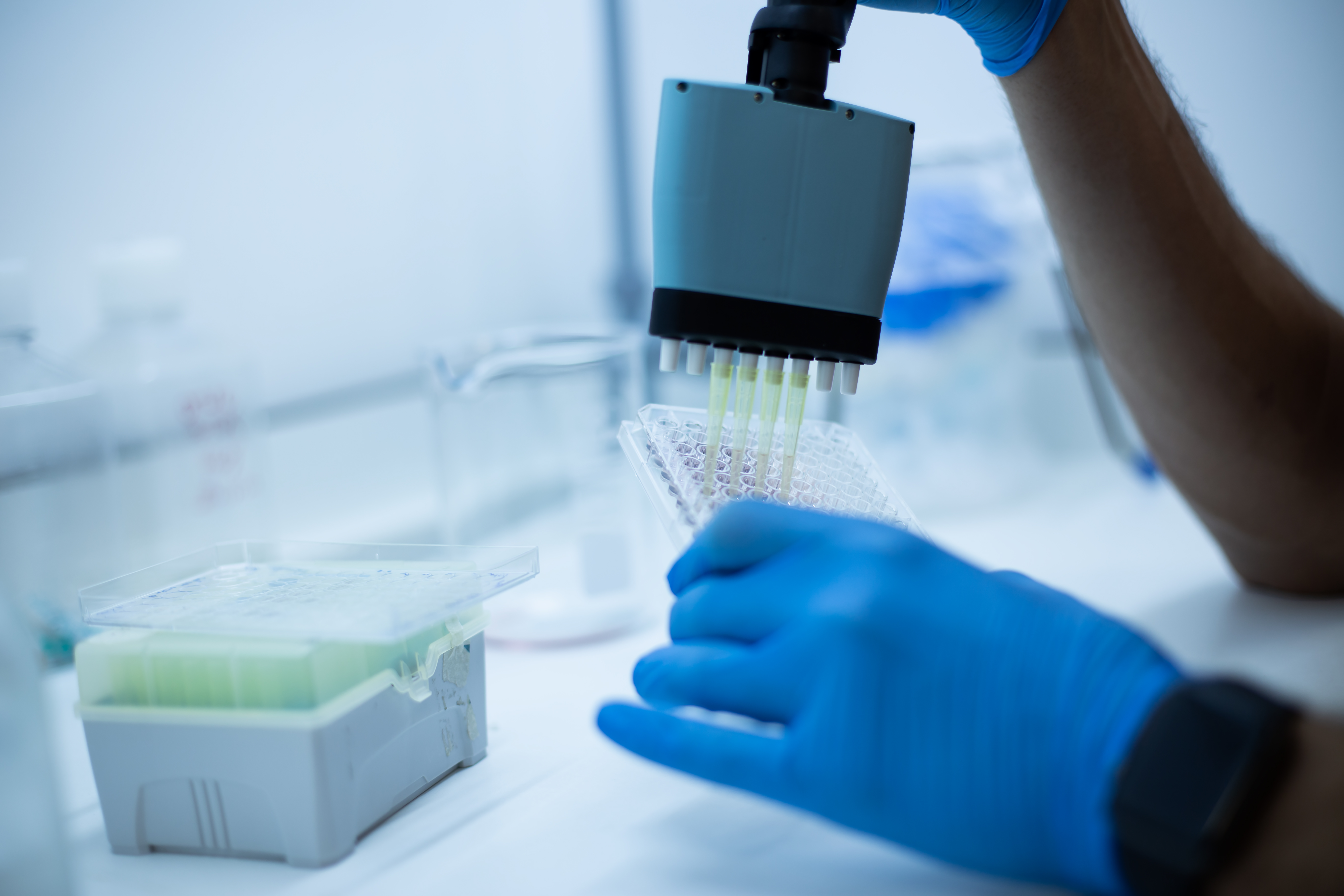
High Throughput Screening (HTS) is an automated process used in drug discovery to test thousands to millions of chemical or biological compounds against specific biological targets. Its primary role is the rapid identification of "hits"—active compounds that interact with a target—providing the essential starting point for developing new therapeutic drugs.
The landscape of pharmaceutical research has undergone a radical transformation over the last several decades, evolving from serendipitous discovery to a systematic, technology-driven enterprise. At the heart of this evolution is High Throughput Screening (HTS). In 2026, HTS is not merely a tool for testing chemicals; it is a sophisticated, multi-disciplinary ecosystem that integrates robotics, liquid handling, high-sensitivity detection, and advanced data analytics. By enabling the simultaneous evaluation of massive compound libraries, HTS allows researchers to explore the vast chemical space and identify potential treatments for diseases that were once considered "undruggable."
The Fundamental Process of High Throughput Screening
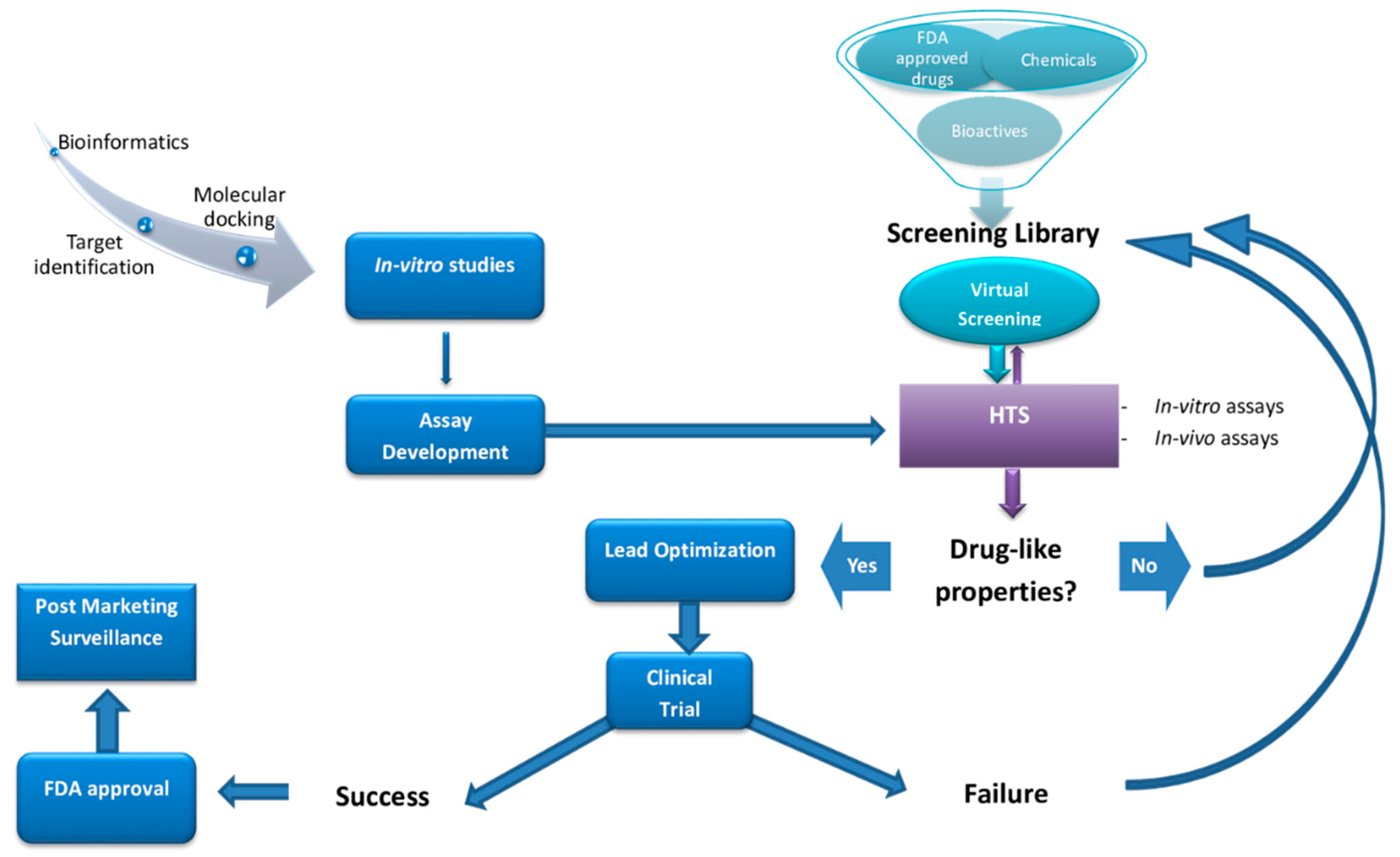
HTS functions as the initial filter in the drug discovery funnel. The process begins with a defined biological target—usually a protein, enzyme, or receptor—that is known to play a role in a specific disease. The goal of HTS is to find "hits," which are small molecules or biological agents that show the desired activity against that target.
The workflow begins with assay development, where scientists create a biological test that can be performed at a very small scale. These assays must be robust, reproducible, and sensitive enough to detect subtle interactions between a compound and a target. Once the assay is validated, it is transitioned to an automated environment.
Automation is the defining characteristic of HTS. Robotic systems handle the movement of microplates—trays containing 96, 384, or even 1,536 individual wells. Each well serves as a miniature test tube where a single compound is mixed with the biological target and necessary reagents. Automated liquid handlers dispense nanoliter volumes of fluids with high precision, ensuring that the experiment is consistent across millions of tests.
After the compounds have had time to interact with the target, a detection system measures the results. Most HTS systems utilize optical methods, such as fluorescence, luminescence, or absorbance. For example, if a compound successfully inhibits an enzyme, the reaction might produce less light than the control wells, signaling a potential hit.
The Evolution of Compound Libraries
The success of an HTS campaign is heavily dependent on the quality and diversity of the compound library being screened. In the early days of HTS, libraries were often composed of haphazard collections of chemicals synthesized by internal chemistry departments. Today, in 2026, library design has become a precise science.
Modern libraries are categorized into several types:
- Diverse Libraries: These contain a wide range of chemical structures to maximize the chances of finding a hit for a completely new target.
- Focused Libraries: These are designed around specific protein families, such as kinases or G-protein coupled receptors (GPCRs), where researchers already have some knowledge of what types of molecules might be active.
- Fragment-Based Libraries: These consist of very small molecules (fragments). While they bind weakly to targets, they provide high-quality starting points that can be chemically "grown" into more potent drugs.
- Natural Product Libraries: These contain compounds derived from plants, fungi, or bacteria, which often possess unique chemical architectures that are difficult to synthesize in a laboratory.
As of 2026, many organizations also utilize encoded libraries, such as DNA-Encoded Libraries (DEL). In DEL, each chemical compound is attached to a unique DNA sequence that acts as a barcode. This allows billions of compounds to be screened simultaneously in a single tube, with the DNA barcodes later sequenced to identify which molecules bound to the target.

Technical Components of HTS Systems
A standard HTS facility requires a significant investment in infrastructure. The synergy between different hardware and software components determines the throughput—the speed at which compounds can be processed.
Robotics and Liquid Handling
Precision is the primary requirement for liquid handling. Modern acoustic dispensers use sound waves to move droplets as small as 2.5 nanoliters from a source plate to a destination plate. This "contactless" dispensing eliminates the risk of cross-contamination and significantly reduces the amount of expensive reagents and rare compounds used in each screen.
Detection Technologies
The sensitivity of detection systems has improved dramatically. In 2026, researchers frequently use:
- Fluorescence Resonance Energy Transfer (FRET): Measures the distance between two molecules, ideal for studying protein-protein interactions.
- Time-Resolved Fluorescence (TRF): Reduces background noise by delaying the measurement until after short-lived natural fluorescence has decayed.
- AlphaScreen: A bead-based technology that detects biological interactions through a cascade of chemical reactions, offering extremely high sensitivity.
Microplate Standards
While the 384-well plate remains a workhorse for many academic and mid-sized labs, large-scale industrial HTS typically utilizes 1,536-well plates. These ultra-high-density plates allow for a four-fold increase in throughput while using significantly lower volumes of reagents, which is critical when screening libraries of over a million compounds.
Comparison of Screening Methodologies
| Feature | Biochemical HTS | Phenotypic Screening | Virtual (In Silico) Screening |
|---|---|---|---|
| Primary Goal | Target-specific modulation | Observable change in cell behavior | Computational hit prediction |
| Biological Relevance | Moderate (Isolated proteins) | High (Living cells) | Low (Mathematical models) |
| Throughput | High (100k+ per day) | Low to Moderate | Extremely High (Billions) |
| Complexity | Low | High | Medium |
| Mechanism of Action | Known at the start | Determined after the screen | Predicted by software |
| Common Use Case | Enzyme inhibition | Rare disease discovery | Lead optimization and expansion |
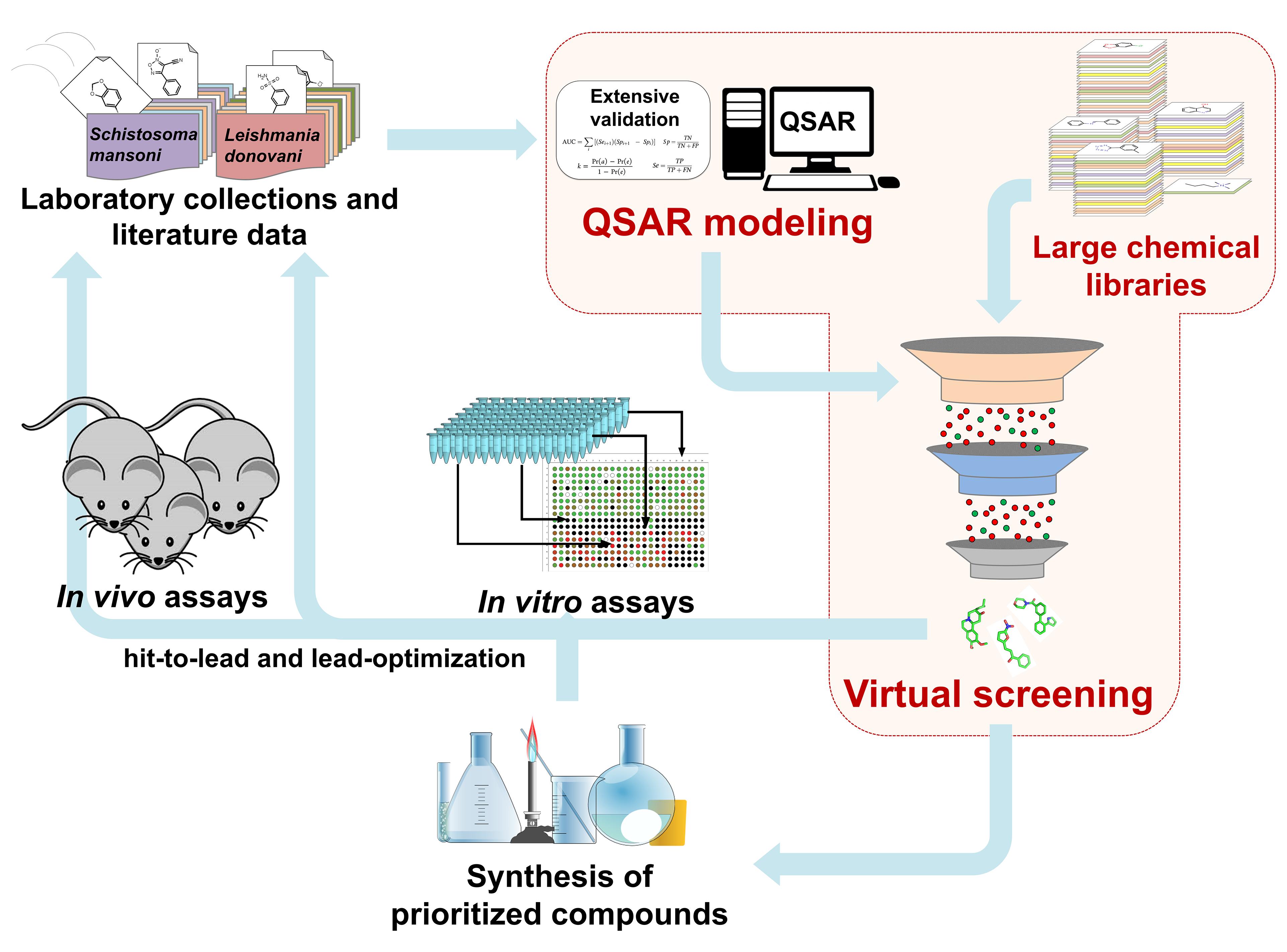
The Integration of Artificial Intelligence and Machine Learning
By 2026, the "Data Explosion" in HTS has necessitated a transition from traditional statistical analysis to advanced Machine Learning (ML) and Artificial Intelligence (AI). HTS generates terabytes of data daily, far more than human researchers can analyze manually.
AI algorithms are now used to:
- Predict Hit Rates: Before a physical screen even begins, AI can analyze the chemical library and the target structure to predict which compounds are most likely to be active, allowing researchers to prioritize specific plates.
- Filter Noise: HTS data is notoriously "noisy." AI models can identify and remove false positives caused by fluorescent interference, compound aggregation, or technical glitches in the robotic system.
- Image Analysis: In phenotypic screening, where researchers look at physical changes in cells, AI-driven computer vision identifies morphological shifts (like changes in cell shape or nucleus size) that are invisible to the naked eye.
- Structure-Activity Relationship (SAR) Mapping: As hits are identified, ML models automatically begin mapping which parts of the chemical structure are responsible for the activity, speeding up the subsequent "Hit-to-Lead" phase.
Strategic Challenges and Limitations
Despite its power, HTS is not a "magic bullet." Several challenges can impact the success of a screening campaign.
False Positives and Negatives
One of the most persistent issues in HTS is the identification of PAINS (Pan-Assay Interference Compounds). These are molecules that show activity in many different assays, not because they are good drug candidates, but because they interfere with the detection technology or react non-specifically with proteins. If not properly filtered, PAINS can waste months of medicinal chemistry effort.
Biological Relevance
Biochemical HTS tests compounds against isolated proteins in a controlled buffer. However, a compound that inhibits a protein in a test tube might not work in a human body. It might not be able to cross the cell membrane, or it might be metabolized by the liver before it reaches its target. This is why Phenotypic Screening and Organ-on-a-Chip models are increasingly integrated into HTS workflows in 2026 to ensure that hits have a higher probability of succeeding in clinical trials.
Operational Costs
Maintaining an HTS facility is prohibitively expensive for many smaller organizations. The costs include not only the robotics and detection hardware but also the maintenance of large compound libraries, which must be stored in specialized environmental chambers (usually -20°C in DMSO solvent) to prevent degradation.
The Role of HTS in Modern Medicine
HTS has been instrumental in the discovery of numerous life-saving drugs. From the development of HIV protease inhibitors to modern kinase inhibitors for cancer treatment, HTS provided the initial "spark" that led to therapeutic breakthroughs.
In the current landscape of 2026, HTS is playing a vital role in repurposing existing drugs. When new viral threats or rare diseases emerge, researchers use HTS to screen libraries of already-approved drugs to see if any exhibit "off-target" activity against the new disease. Because these drugs are already proven safe in humans, this can shave years off the development timeline.
Furthermore, HTS is the foundation of Personalized Medicine. By screening a patient's own cells (biopsy material) against a library of oncology drugs, doctors can identify which specific treatment is most effective for that individual's unique genetic profile, moving away from a one-size-fits-all approach.
Practical Recommendations for Implementing HTS
For research institutions or biotech firms looking to leverage HTS, the following steps are recommended:
- Prioritize Assay Robustness: Before scaling up to a million compounds, ensure your assay has a high Z'-factor (a statistical measure of assay quality). A Z'-factor above 0.5 is generally required for a successful HTS campaign.
- Invest in Data Infrastructure: Do not underestimate the need for robust Laboratory Information Management Systems (LIMS). Tracking the location, history, and results of millions of compounds requires a sophisticated database architecture.
- Use a Tiered Screening Approach: Start with a "Primary Screen" of the full library at a single concentration. Follow up with a "Secondary Screen" using a dose-response curve (testing the compound at multiple concentrations) to confirm the hits.
- Collaborate with Core Facilities: Many universities and government agencies (such as the NIH in the United States) offer HTS core facilities. Utilizing these shared resources can provide access to high-end robotics and massive libraries without the need for massive capital expenditure.
Frequently Asked Questions
What is the typical "hit rate" in an HTS campaign?
In a typical high throughput screen, the hit rate usually ranges between 0.01% and 0.5%. This means that for every 1,000,000 compounds screened, only 100 to 5,000 will show significant activity. These hits are then subjected to rigorous validation to eliminate false positives and determine which are the most promising for further development.
How has AI changed HTS by the year 2026?
By 2026, AI has moved from being an experimental tool to a standard component of the HTS pipeline. It is primarily used for "Virtual Screening" to pre-filter libraries, automated image analysis in phenotypic assays, and predictive modeling that suggests chemical modifications to improve a hit’s potency and safety.
What is the difference between HTS and uHTS?
HTS (High Throughput Screening) generally refers to screening 10,000 to 100,000 compounds per day, often using 384-well plates. uHTS (Ultra-High Throughput Screening) involves screening more than 100,000 compounds per day, typically utilizing 1,536-well plates or higher and fully integrated robotic systems that operate 24/7.
Can HTS be used for biologics, or is it only for small molecules?
While HTS was originally designed for small molecule chemical libraries, it is extensively used for biologics in 2026. This includes screening large libraries of antibodies, peptides, and CRISPR-based genetic perturbations. The fundamental principles of automation and high-density testing remain the same, though the assays and detection methods are adapted for biological agents.
Why do some drugs discovered via HTS fail in clinical trials?
HTS identifies molecules that interact with a specific target, but it cannot easily predict "ADMET" properties: Absorption, Distribution, Metabolism, Excretion, and Toxicity. A compound may be excellent at inhibiting a target in a plate but may be toxic to the liver or unable to reach the brain in a human patient. Addressing these issues requires subsequent phases like Lead Optimization and preclinical animal testing.
Image Gallery
Select an image to open it in a new tab.

Akira Tanaka
International Academic Trends Correspondent
