
The Rhode marketing campaign represents a masterclass in modern digital brand building, leveraging the intersection of influencer authority, scarcity-based product drops, and a minimalist "clean girl" aesthetic. By prioritizing a lean product catalog and direct-to-consumer accessibility, Rhode has successfully transitioned from a celebrity-founded project into a formidable player in the competitive skincare industry.
The Foundation: Hailey Bieber and the Power of Personal Branding
At the core of the Rhode marketing strategy is the high-visibility personal brand of its founder, Hailey Bieber. Unlike traditional celebrity beauty lines that often rely on heavy, broad-market television advertisements or massive retail-first footprints, Rhode was built primarily through social media storytelling. The campaign focuses on "the glazed donut" skin philosophy, a visual shorthand that effectively communicates the brand's core benefit: hydration, luminosity, and simplicity.
By centering the marketing efforts around Bieber’s own daily skincare routine, the brand successfully bridges the gap between aspirational celebrity lifestyle and achievable personal maintenance. This strategy humanizes the brand, transforming the founder from a distant figurehead into a relatable "skinfluencer." This approach lowers the psychological barrier for potential customers, who perceive the products not merely as merchandise, but as the actual tools responsible for the founder's publicized aesthetic.
Scarcity and Drop Culture: Operationalizing Exclusivity
Rhode utilizes a modified version of the "drop model" popularized by streetwear brands. By launching limited quantities of specific products—such as the Peptide Glazing Fluid or the Barrier Restore Cream—and leveraging waitlists, the brand creates intense surges of organic interest. This operational constraint is a deliberate marketing tactic rather than a byproduct of supply chain failures.
The scarcity model serves several functions:
- Algorithmic Priming: The anticipation surrounding a drop triggers high engagement rates on platforms like Instagram and TikTok, signaling to platform algorithms that the brand is high-interest, which in turn boosts organic reach.
- Community Cultivation: Waitlists serve as a database for high-intent leads. Collecting user emails and phone numbers allows the brand to bypass third-party platform limitations, enabling direct communication for subsequent launches.
- Social Proof Validation: When products sell out rapidly, it creates a feedback loop of social proof. Potential customers perceive the products as high-demand "must-haves," which mitigates the risk of purchasing from a relatively new market entrant.
Aesthetic Minimalism and Content Strategy
Visually, the Rhode marketing campaign is defined by a monochromatic, minimalist palette. This design consistency ensures that the brand remains instantly recognizable across fragmented social channels. The photography style—often featuring macro shots of skin texture, clear product packaging, and neutral lighting—aligns with the industry-wide move toward "clinical minimalism."
This visual strategy is reinforced by a content cadence that avoids over-saturation. Instead of posting high-frequency, low-value content, Rhode focuses on high-production-value assets that highlight product texture and application. This minimalist approach extends to their influencer partnerships; rather than casting a wide net, they collaborate with creators who occupy the same visual space, ensuring that the brand’s aesthetic remains cohesive even when promoted by third parties.
Leveraging TikTok as a Primary Sales Engine
While Instagram serves as the brand’s digital lookbook, TikTok acts as its primary engine for discovery and social proof. The Rhode campaign frequently utilizes user-generated content (UGC) to validate claims. By encouraging followers to share their "glazed" results, the brand effectively crowd-sources its advertising.
The "Glazed Donut" hashtag has become a self-sustaining marketing engine. By framing skincare as a lifestyle identity—much like fashion trends—Rhode has managed to integrate its products into the vernacular of Gen Z and Millennial beauty consumers. The transition from product-centric advertising to trend-centric storytelling is the primary reason for their high conversion rates among younger demographics.
Comparative Analysis: Traditional Beauty vs. Rhode’s Digital-First Model
To understand the efficacy of the Rhode marketing campaign, it is helpful to compare it against the traditional model of skincare marketing that dominated the market for decades.
| Feature | Traditional Beauty Marketing | Rhode Digital-First Model |
|---|---|---|
| Primary Channel | Retail displays and TV ads | TikTok, Instagram, and SMS |
| Product Lifecycle | Seasonal collections; high SKU counts | Focused catalog; rapid drops |
| Founding Authority | Corporate branding/Brand history | Founder-centric influence |
| Consumer Feedback | Slow, indirect surveys | Real-time social sentiment |
| Primary Goal | Market saturation | Community and scarcity |
Managing Growth: The Challenges of Scaling a Viral Brand
As of 2026, the Rhode marketing campaign faces the unique challenge of transitioning from a "viral hit" to a long-term household name. Rapid growth in the skincare sector often leads to questions regarding product efficacy, safety standards, and manufacturing ethics. The brand has countered this by positioning its products through a "clinical" lens, emphasizing dermatological testing and ingredient transparency.
A critical component of their ongoing marketing is the integration of education. As the novelty of the brand wears off, the focus shifts toward explaining the underlying science of peptides and barrier health. This is a tactical pivot: moving from "aesthetic-first" marketing to "ingredient-first" marketing allows the brand to retain customer loyalty beyond the initial trend cycle.
Common Misconceptions Regarding the Campaign
One persistent misunderstanding is that Rhode’s success is purely the result of its celebrity founder. While the name power provided the initial launch momentum, the marketing machine behind it relies on rigorous data collection and tactical inventory management. Critics often overlook the technical SEO and email capture strategies that underpin the drops, which convert social interest into measurable customer lifetime value.
Furthermore, some analysts confuse the brand's minimalist aesthetic with a lack of technical depth. In reality, the simplicity of the marketing messaging requires a highly complex backend infrastructure, allowing the company to handle sudden, massive spikes in traffic during product releases without crashing the user experience.
Frequently Asked Questions
1. How does Rhode maintain interest between product drops? Rhode maintains momentum by focusing on community interaction and content that emphasizes skin education. By highlighting how their products interact with other elements of a routine, they ensure the brand remains relevant even when no new SKUs are launching.
2. Is the Rhode marketing strategy suitable for all beauty brands? The model requires a massive built-in audience and high consumer trust. For smaller brands, the costs of managing scarcity-based infrastructure—such as server loads and complex logistics—can outweigh the marketing benefits.
3. How does the brand measure success beyond social media likes? The company focuses heavily on customer acquisition costs (CAC) through direct-to-consumer channels and repeat purchase rates. Their ability to move inventory without heavy reliance on third-party retailers is a primary KPI for their internal team.
4. What role does inclusivity play in the Rhode campaign? Rhode’s marketing emphasizes universal skin health, utilizing a diverse array of models in their campaigns to demonstrate that the "glazed" look is achievable across various skin tones and textures. This broadens their potential market significantly.
5. How do they handle negative feedback or product criticism? The brand employs a proactive community management strategy. By addressing common questions about ingredient sourcing and skin sensitivity directly on their platforms, they manage brand sentiment before criticism can gain significant traction.
Strategic Recommendation for Future Growth
For stakeholders looking to replicate or analyze the trajectory of the Rhode marketing campaign, the key takeaway is the importance of "community-first" operations. To maintain their position, the brand should focus on expanding their educational content library, as the market matures and consumers demand deeper technical justifications for the products they purchase. Moving forward, the focus must shift from viral discovery to long-term retention via subscription models or loyalty programs that reward consistent usage, thereby cementing their place in the daily routines of their target demographic.
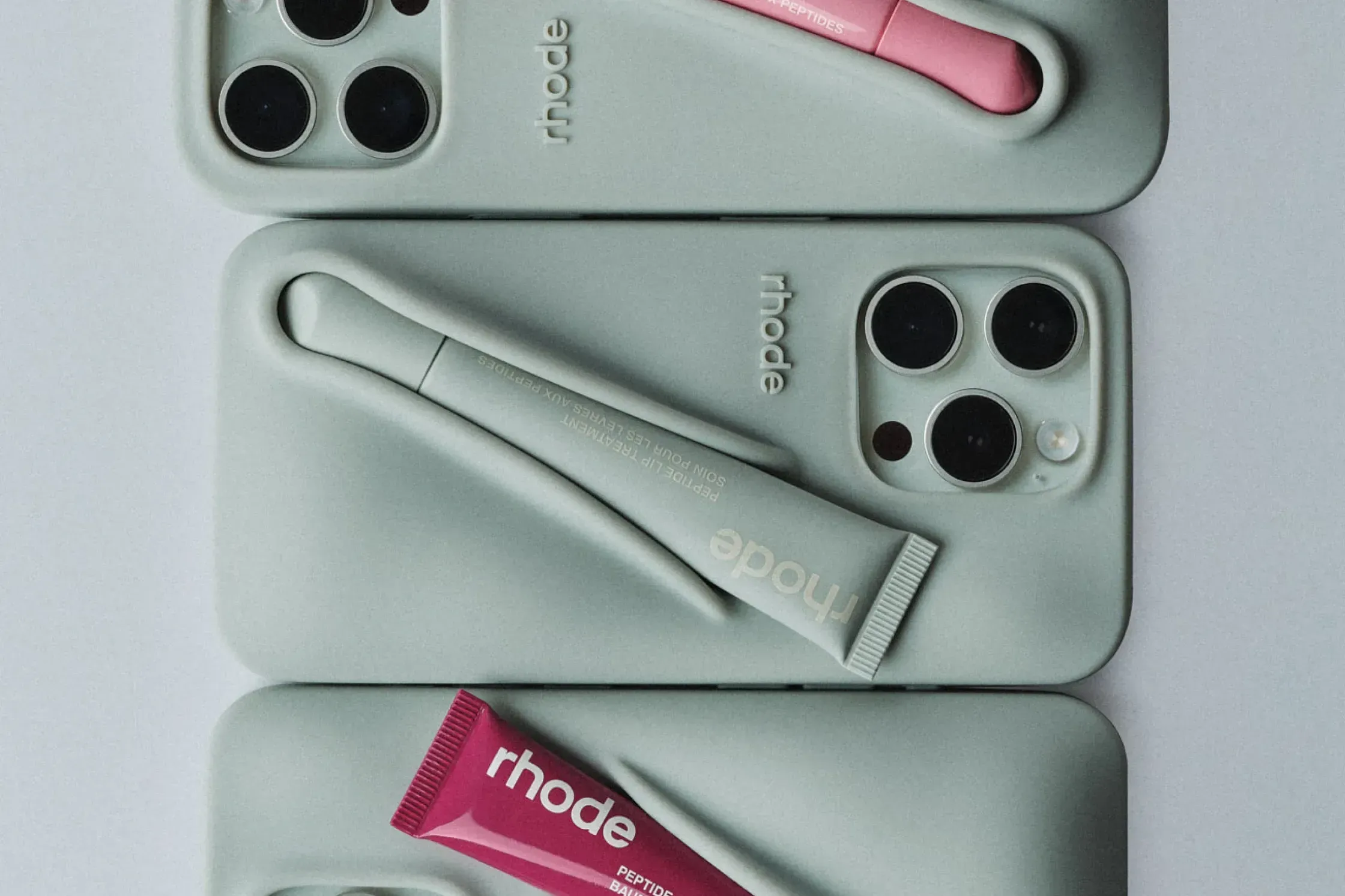
Image Gallery
Select an image to open it in a new tab.


Vivian Cho
Executive IT and Emerging Technologies Reporter
