
Prisma Cloud provides a unified security framework designed to protect data across hybrid and multi-cloud environments. By integrating Data Security Posture Management (DSPM), sensitive data discovery, and automated compliance monitoring, it enables organizations to identify, classify, and mitigate risks to structured and unstructured data stored in object storage, databases, and managed cloud services.
Understanding the Role of Prisma Cloud in Data Security
As organizations accelerate the adoption of cloud-native architectures, the perimeter-based security models of the past have become largely obsolete. Data now resides in diverse locations, ranging from managed SQL instances and NoSQL databases to object storage buckets like AWS S3 or Azure Blob Storage. Prisma Cloud addresses this fragmentation by providing a single console for visibility into data exposure.
The primary objective of Prisma Cloud’s data security capabilities is to eliminate "blind spots." Security teams often struggle with shadow data—information stored in unauthorized or misconfigured locations—which remains invisible until a breach occurs. By utilizing continuous monitoring, the platform bridges the gap between cloud infrastructure security and information governance, ensuring that the security posture of the underlying storage remains consistent with corporate policy.
Core Architecture and Functional Pillars
Prisma Cloud operates through a combination of agentless scanning and API-based integrations. This dual approach allows the platform to gain deep visibility without requiring intrusive software installations within every virtual machine or container.
1. Automated Data Discovery and Classification
Discovery is the foundational step of any data security strategy. Prisma Cloud automatically scans cloud environments to identify data stores and classify the contents within them. Using machine learning models, the platform categorizes data based on sensitivity—such as Personally Identifiable Information (PII), Payment Card Industry (PCI) data, and Protected Health Information (PHI). This classification occurs regardless of the file format, allowing security teams to understand exactly what type of sensitive information resides in a specific bucket or database.
2. Data Security Posture Management (DSPM)
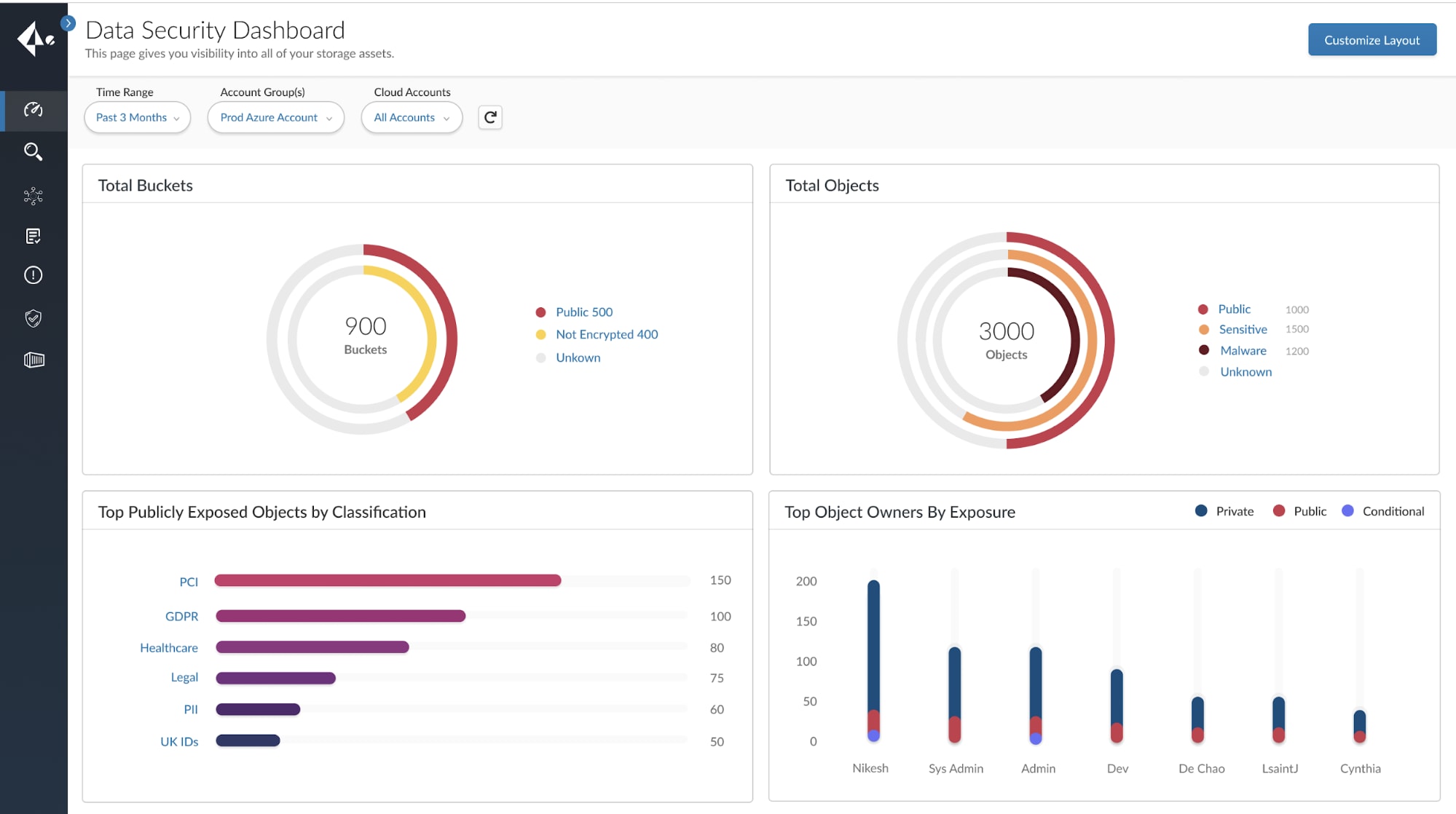
DSPM focuses on the configuration and governance of data stores. It assesses whether a storage bucket is publicly accessible, whether it lacks encryption-at-rest, or if it is missing appropriate access controls. Rather than merely alerting on individual incidents, DSPM provides a holistic view of the data's risk profile, linking storage configurations directly to the sensitivity of the data contained within.
3. Compliance and Governance Integration
Most enterprises are subject to rigorous regulatory standards such as GDPR, HIPAA, SOC2, and CCPA. Prisma Cloud maps discovered data and their security configurations against these frameworks. By automating the reporting process, it reduces the time spent on manual audits and provides evidence that sensitive data is being handled according to statutory requirements.
Key Features and Capabilities for Cloud Environments
To maintain robust security, Prisma Cloud integrates several advanced features designed to reduce the blast radius of potential incidents.
- Public Exposure Detection: One of the most common vectors for data breaches is the accidental exposure of storage containers to the public internet. Prisma Cloud continuously monitors for misconfigurations that make private data public, allowing for automated remediation through predefined policies.
- Access Pattern Analysis: The platform tracks who is accessing specific data resources and how they are doing so. By identifying anomalous behavior—such as a service account suddenly downloading an unusual volume of data—it enables faster response times to potential exfiltration attempts.
- Remediation Workflows: When a security gap is identified, Prisma Cloud does not just provide a report; it offers actionable guidance. In many cases, it supports automated remediation, allowing security teams to fix misconfigured storage buckets or update access policies with a single click.
Comparing Data Security Strategies in the Cloud
Organizations often choose between specialized point solutions and comprehensive platforms like Prisma Cloud. The following table compares these approaches to help clarify the operational benefits of a unified platform.
| Feature | Specialized/Point Solutions | Prisma Cloud Unified Platform |
|---|---|---|
| Visibility | Limited to specific storage types | Cross-cloud, multi-environment visibility |
| Operational Overhead | High (multiple dashboards/agents) | Low (centralized single dashboard) |
| Contextual Awareness | Low (lacks cloud infrastructure view) | High (links data to IAM and network) |
| Remediation Speed | Slower (requires cross-team coordination) | Faster (integrated automated playbooks) |
| Regulatory Audit | Manual data collection required | Automated reporting & mapping |
Best Practices for Implementation
Deploying a data security solution in a large-scale cloud environment requires a methodical approach to ensure effectiveness and avoid performance impacts.
- Define Sensitivity Labels: Before scanning, establish clear criteria for what constitutes sensitive data in your organization. Custom labeling ensures that the scanning engine focuses on what truly matters to your compliance teams.
- Prioritize High-Risk Assets: Use the discovery phase to rank storage resources by risk. Assets containing PII or financial data should be prioritized for immediate remediation if misconfigurations are found.
- Implement Least Privilege Access: Pair Prisma Cloud's monitoring with strict Identity and Access Management (IAM) policies. Ensure that service accounts and users only have the minimum permissions necessary to perform their roles, limiting the scope of any potential compromise.
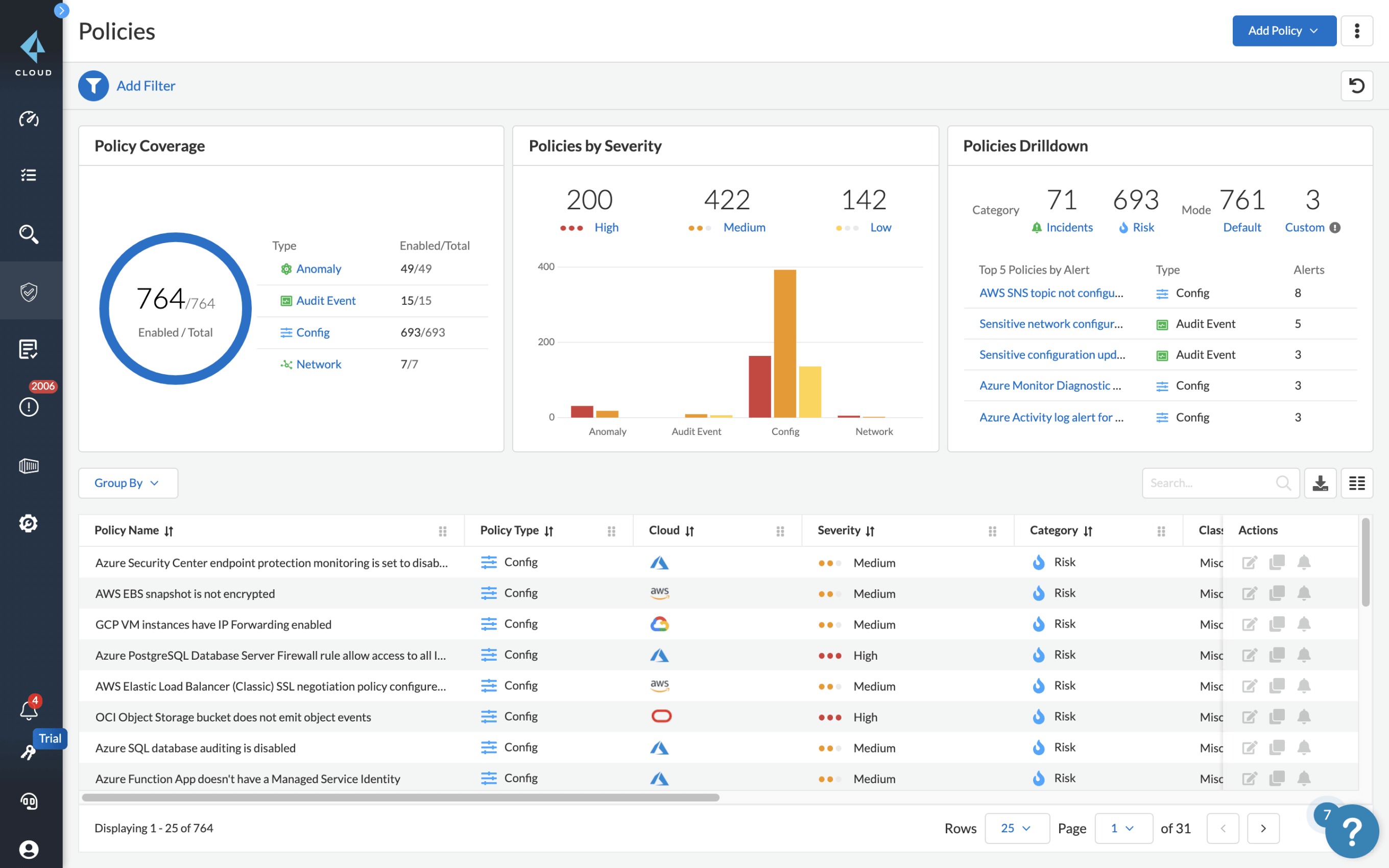
- Continuous Policy Review: Cloud environments are dynamic. Policies that were appropriate six months ago may become obsolete as new storage types or services are introduced. Schedule quarterly reviews of your Prisma Cloud security policies to align with current business infrastructure.
Addressing Common Challenges
Even with sophisticated tooling, security teams face persistent hurdles in cloud data protection. One common challenge is "alert fatigue," where an excess of notifications makes it difficult to distinguish between critical risks and minor policy deviations. Prisma Cloud mitigates this by providing risk-based prioritization, highlighting the most significant vulnerabilities first.
Another challenge is the integration of legacy systems. Not every data store exists in a modern cloud-native format. Prisma Cloud’s ability to interface with various cloud APIs helps bridge this, providing a degree of visibility into older storage services that might otherwise remain opaque. However, users should note that the efficacy of the platform is highly dependent on correct initial configuration and the establishment of accurate cloud account permissions.
Frequently Asked Questions
What is the difference between DSPM and traditional Cloud Security Posture Management (CSPM)? CSPM focuses primarily on the security of the infrastructure, such as virtual machines, networks, and cloud platform configurations. DSPM focuses specifically on the data itself, identifying what is being stored, where it resides, and whether it is being accessed appropriately. Prisma Cloud combines both for a comprehensive view.
Does Prisma Cloud store my actual data during the scanning process? No. Prisma Cloud performs scanning in a way that respects data privacy. Metadata and sensitivity analysis are processed to provide security insights, but the raw data typically remains within your own cloud environment, ensuring compliance with data residency requirements.
How does Prisma Cloud handle multi-cloud environments? Prisma Cloud is platform-agnostic, meaning it uses API integrations to connect with AWS, Google Cloud, Azure, and Oracle Cloud, among others. It consolidates the findings from these disparate providers into a single security operations center.
Can Prisma Cloud automatically block access to data if a breach is detected? Yes. Through its integration with cloud identity and networking services, Prisma Cloud can trigger automated workflows that quarantine misconfigured storage buckets or restrict access to users exhibiting suspicious activity.
Is it possible to customize the sensitivity labels in Prisma Cloud? Yes. The platform allows users to define custom data patterns, such as internal project codes or specific employee ID formats, ensuring that the discovery process is tailored to the specific business needs of your organization.
Next Actions for Securing Your Environment
To effectively utilize Prisma Cloud for your data security strategy, start by auditing your existing cloud footprint to confirm that all target environments are connected to the platform. Ensure that the service roles assigned to the platform have the necessary read-only permissions to facilitate accurate scanning. Once connectivity is verified, initiate a baseline scan to identify immediate risks, and then move to establish automated remediation policies for the most common security gaps found within your specific business context.
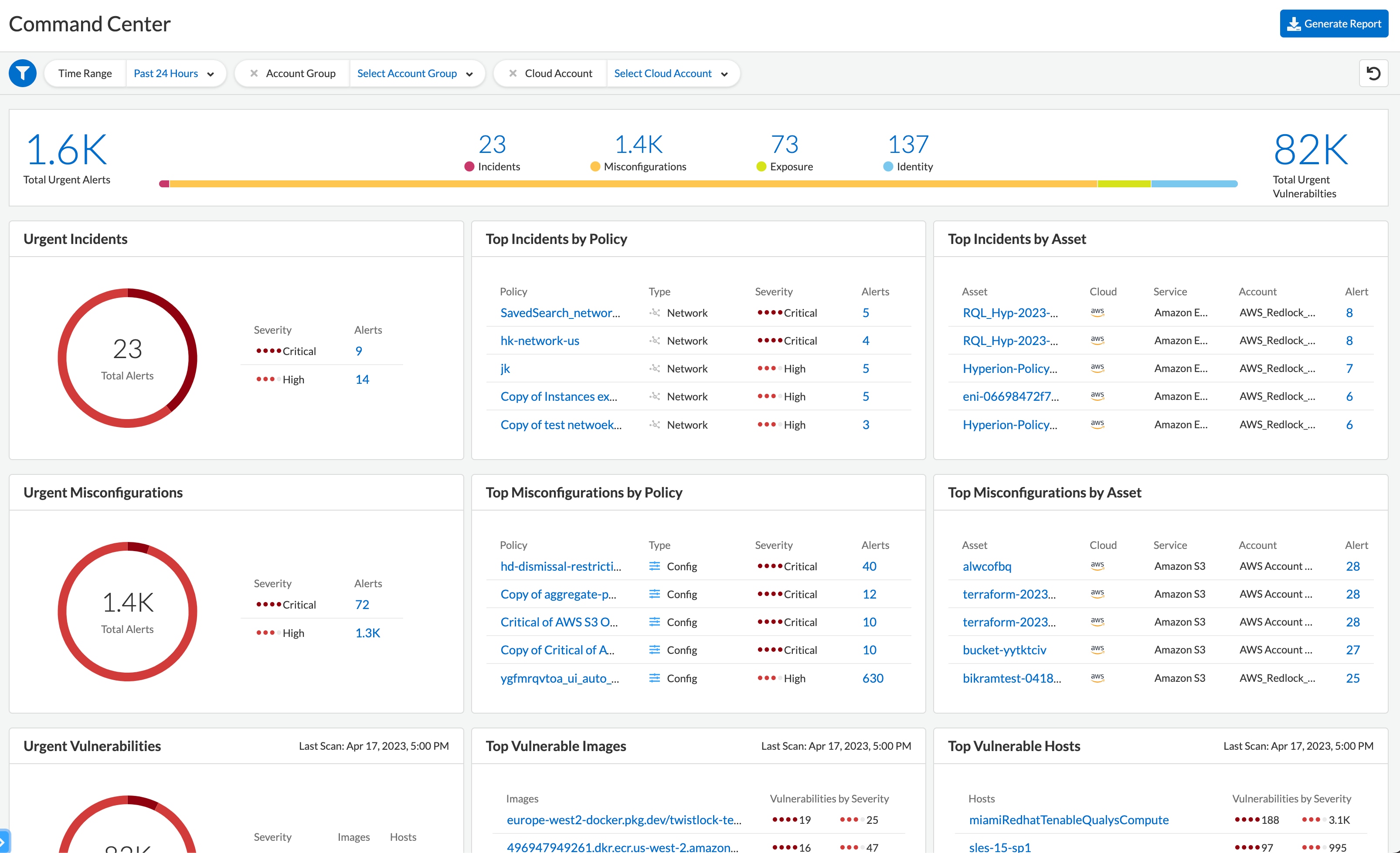
Image Gallery
Select an image to open it in a new tab.


Ingrid Bjornson
Global Cyber Policy and Regulation Analyst
